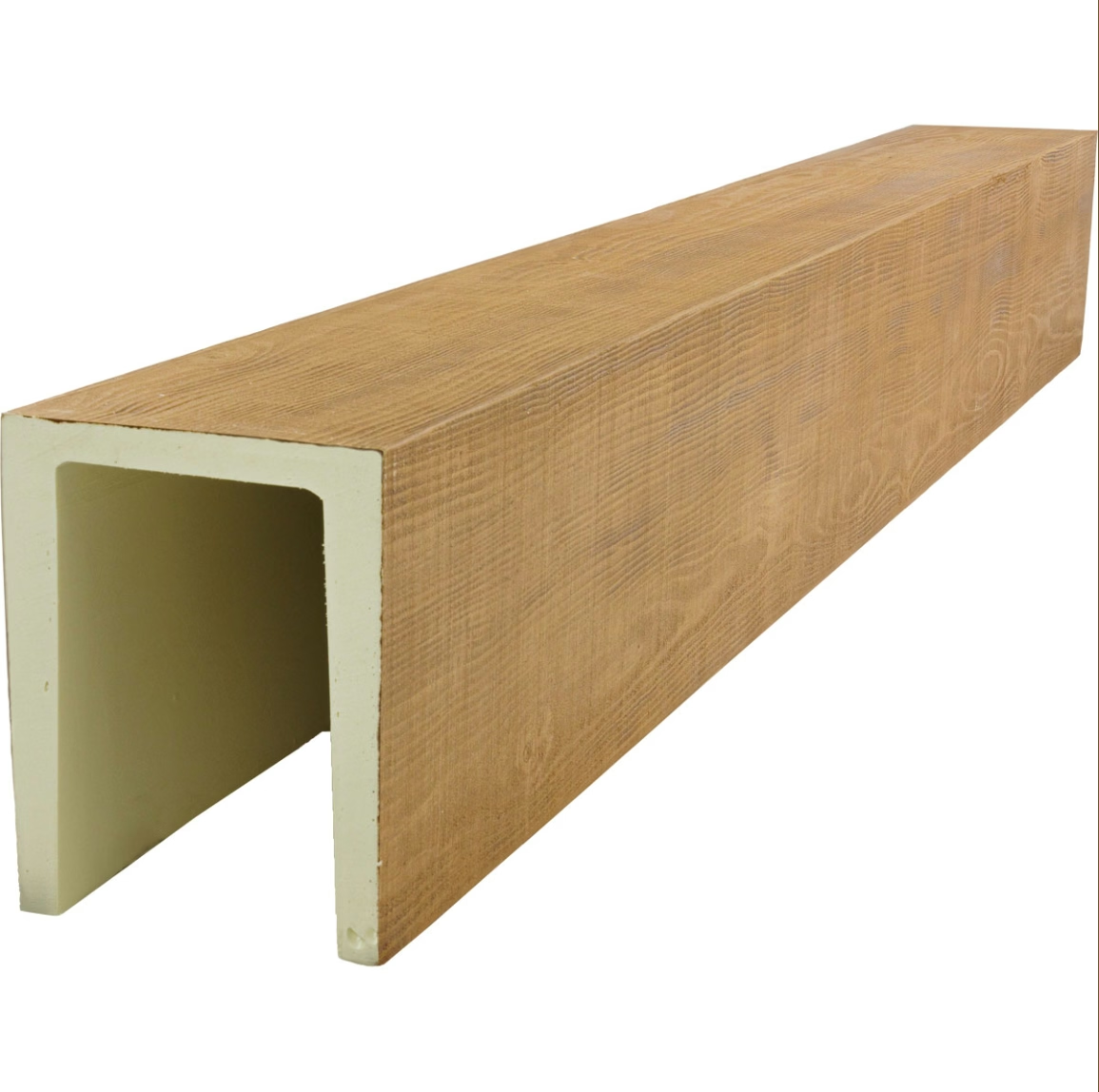
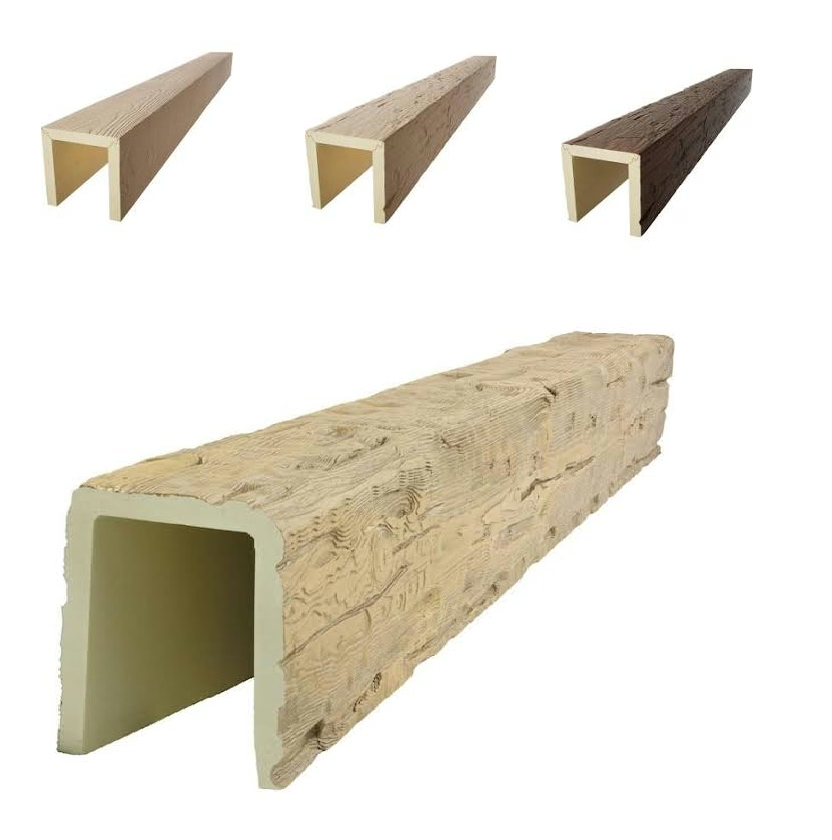
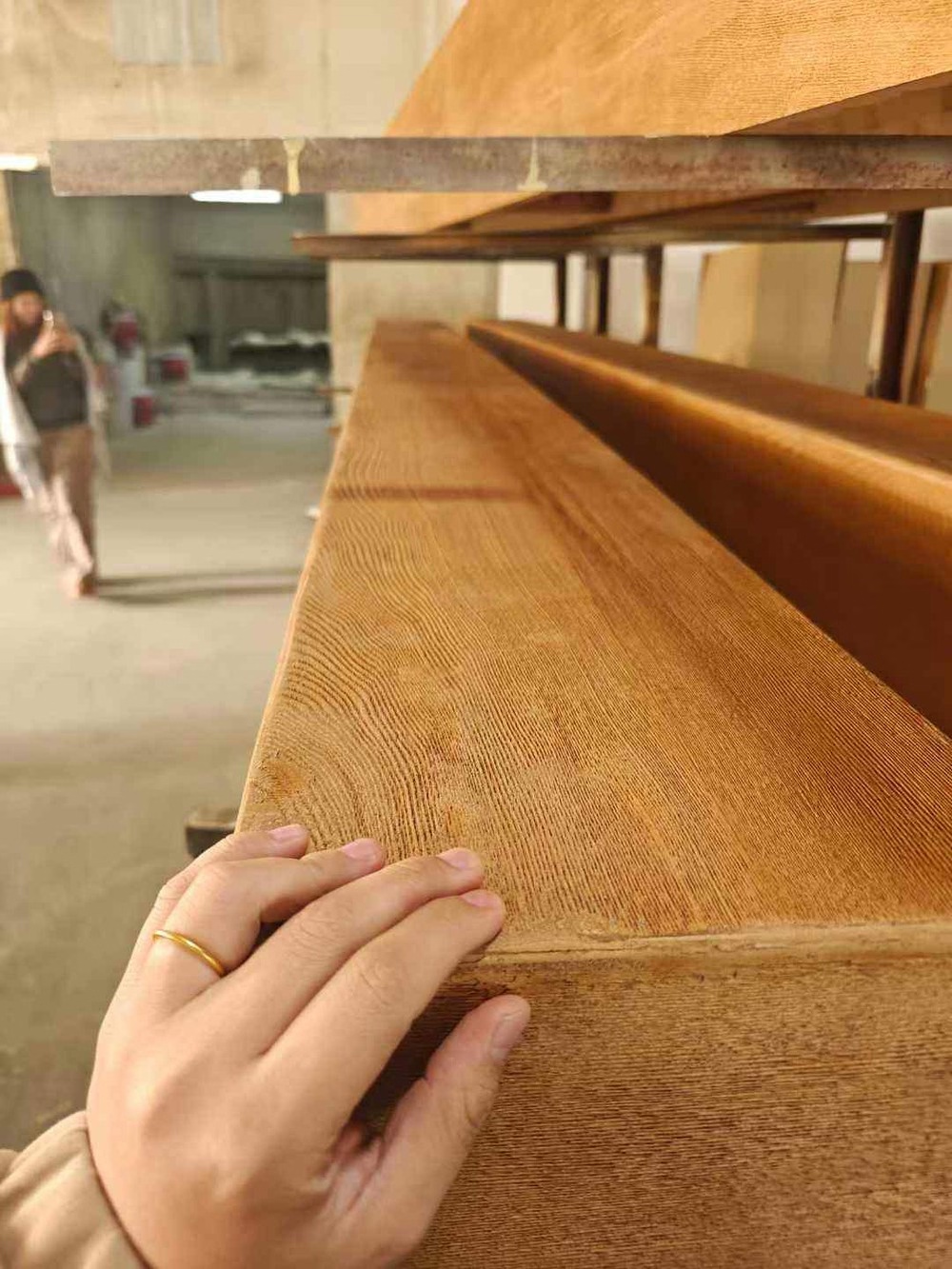
Commercial and residential construction operates within regulatory frameworks that establish minimum safety requirements for all building products. Polyurethane ceiling beams, like any material used in building construction, must meet specific standards that address fire safety, structural performance, and material characteristics. Understanding these requirements helps buyers select compliant products and ensures that installations satisfy building code officials.
The regulatory landscape involves multiple overlapping authorities—national building codes, regional amendments, and specific occupancy requirements all influence which standards apply to particular projects. Professional specification requires understanding how these frameworks interact and which standards take precedence in specific situations.
Fire Safety Standards and Testing
Fire performance represents the most significant safety concern for interior finish materials. Ceiling treatments in particular affect how fires develop and spread, making fire safety standards essential for any product used overhead.
ASTM E84, also known as the Steiner tunnel test, measures flame spread and smoke development characteristics. Results classify materials as Class A, B, or C based on performance, with Class A indicating the best fire performance with minimal flame spread and smoke production. Most building codes require Class A ratings for interior ceiling finishes in commercial occupancies.
UL 723 provides essentially the same testing methodology under Underwriters Laboratories oversight. Products tested to this standard carry UL markings that building officials recognize as evidence of compliance. Testing by any accredited laboratory provides equivalent results—the testing methodology matters more than the specific testing organization.
The International Building Code references these standards in its interior finish requirements. Chapter 8 establishes flame spread and smoke development limits based on occupancy classification. Assembly ratings may also be required when ceiling treatments interact with structural elements or concealed spaces.
Structural Performance Requirements
Ceiling beams, whether structural or decorative, must perform within established structural parameters. Polyurethane faux beams specifically do not carry structural loads, but they must remain securely attached without creating hazards.
Surface burning characteristics tested per ASTM E84 address what happens if beams are exposed to fire. Decorative beams that meet Class A or B requirements contribute minimally to fire spread, making them acceptable for use in most occupancies.
Attachment system performance affects how beams respond to normal building movement and seismic conditions. Building codes may require engineering analysis for ceiling elements in high-seismic zones, demonstrating that attachments can handle anticipated movement without failure.
Weight limitations established by manufacturers provide guidance for proper attachment specification. Installations must use mounting methods rated for actual beam weights, with appropriate safety factors for dynamic conditions.
Indoor Air Quality Standards
VOC emissions affect indoor air quality, particularly in tightly constructed modern buildings where pollutant accumulation can reach concerning levels. Material selection influences the air that building occupants breathe daily.
CDPH/EHLB/Standard Method V1.1 (California Section 01350) establishes VOC emission limits for building materials. Compliance certification provides documentation that products won't contribute to indoor air quality problems. Many specification standards now reference these requirements.
GREENGUARD certification by UL Environment provides third-party verification of low VOC emissions. Products bearing GREENGUARD marks have been tested to demonstrate emissions within established safety limits. This certification simplifies specification by providing pre-verified compliance.
Formaldehyde emissions receive specific attention due to the compound's health concerns. Requirements vary by jurisdiction, with California establishing particularly stringent limits. Products should provide documentation of formaldehyde content and emissions characteristics.
Manufacturing Quality Standards
Beyond fire and safety performance, manufacturing standards ensure product consistency and quality. These standards benefit buyers by establishing minimum quality thresholds.
ISO 9001 certification indicates that manufacturers maintain quality management systems that ensure consistent product quality. While not a product performance standard, ISO certification demonstrates organizational commitment to quality that correlates with reliable products.
ASTM standards for polyurethane foam products address density, compressive strength, and other material characteristics. Products meeting these standards provide consistent performance based on established material science.
Brand-specific specifications often exceed minimum standards, providing enhanced performance that benefits demanding applications. Professional buyers compare actual test results rather than assuming that meeting minimums indicates optimal quality.

Building Code Compliance Documentation
Installing code-compliant products requires documentation that building officials can review during inspections. Understanding what documentation to request and provide prevents delays and rejections.
Product data sheets should include fire test results, physical specifications, and installation requirements. Building officials reviewing permit applications need this information to verify compliance.
Installation instructions provide guidance that building inspectors may reference when evaluating installation quality. Manufacturers should provide clear instructions that address common installation scenarios.
Code compliance reports from testing laboratories provide authoritative evidence of fire performance. These reports should be available upon request from manufacturers or can be obtained directly from testing organizations.
Regional Code Variations
Building codes vary by jurisdiction, with some regions adopting stricter requirements than national standards establish. Projects must address the specific codes that apply to their locations.
Local amendments to national codes create variations that affect material acceptability. Research specific jurisdiction requirements before specifying products, as requirements can differ substantially between adjacent municipalities.
Special occupancy categories may impose additional requirements beyond standard residential or commercial classifications. Educational facilities, healthcare buildings, and assembly spaces often face enhanced requirements that affect beam specification.
Historic preservation projects may involve alternative compliance paths that affect acceptable materials and methods. Conservation guidelines sometimes conflict with building codes, requiring careful coordination between authorities.
Third-Party Certification Programs
Independent certification programs verify compliance and simplify specification. These programs provide confidence that products perform as claimed.
Intertek's ETL mark indicates that products have been tested and verified to applicable standards. The ETL mark appears on products that meet relevant safety and performance requirements.
Underwriters Laboratories UL listings indicate compliance with applicable safety standards. Products bearing UL marks have been evaluated for specific hazards and performance characteristics.
The International Code Council Evaluation Service provides reports on innovative products that may not fit traditional testing categories. ICC-ES reports provide building officials with evidence of compliance for products that standard test methods don't directly address.
Specification Guidance for Different Applications
Different project types face different requirements, influencing how compliance should be addressed in specifications and purchasing.
Commercial tenant improvements often must meet current code requirements even in buildings that were legally built under earlier codes. Specifying products that exceed minimum requirements prevents the complications of code compliance verification.
Residential projects typically face less stringent requirements than commercial occupancies, but some jurisdictions apply commercial standards to multi-family residential construction. Verify applicable requirements before purchasing.
Code compliance for one project doesn't automatically transfer to others. Each project location may have different requirements that affect product acceptability. Keeping compliance documentation organized facilitates reuse across projects.
Understanding safety compliance requirements for polyurethane ceiling beams ensures that installations meet regulatory expectations while delivering the aesthetic benefits these products provide.
Technical References
ASTM standards cited in every specification
Test Data
Lab results from internal testing program
Updated 2026
Reviewed against current product specs