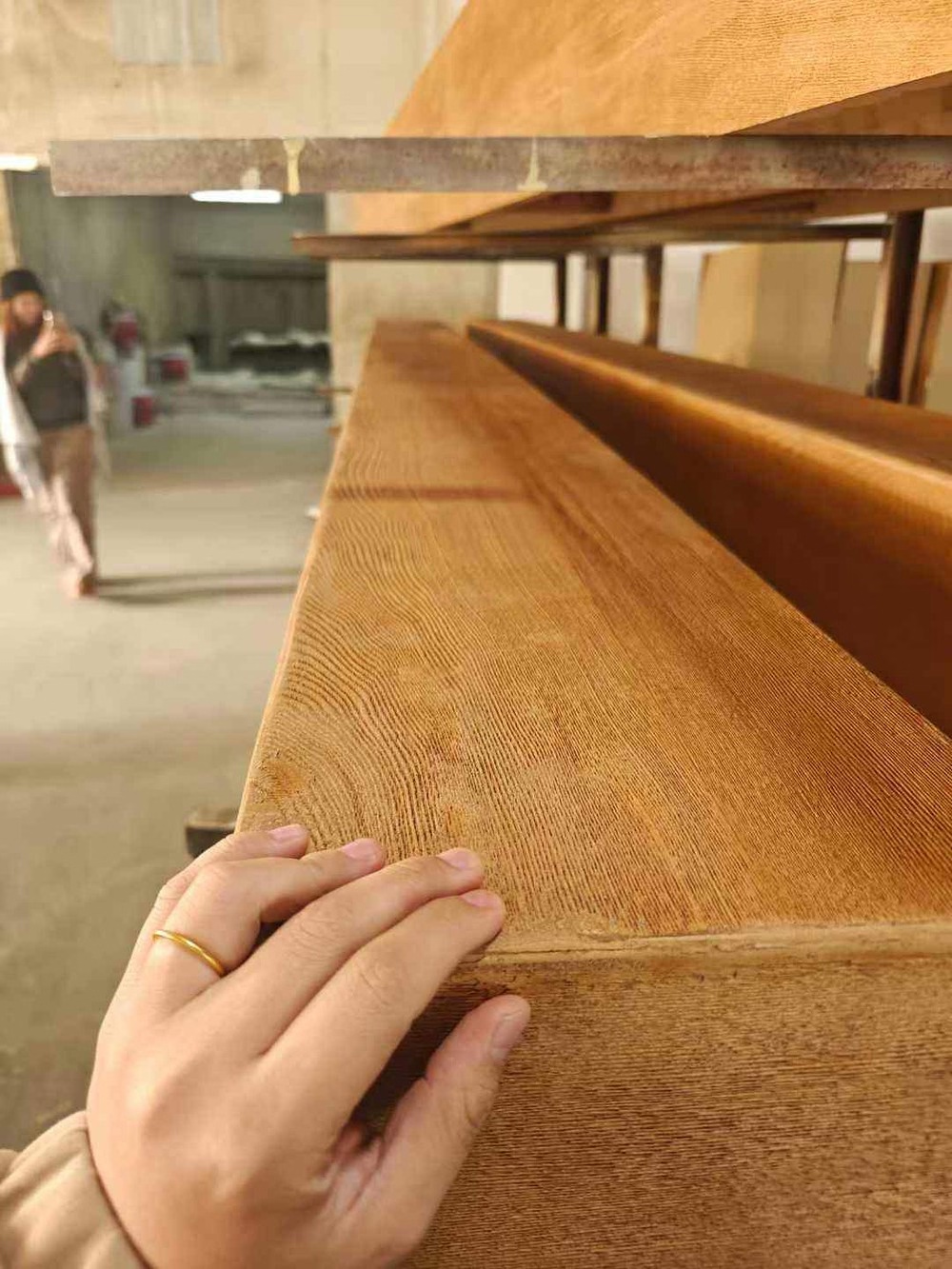
Every renovation project involves balancing aspirations against constraints. The vision might include warm timber ceilings, exposed structural beams, and architectural details that elevate ordinary rooms into memorable spaces. The budget, however, tells a different story—one filled with compromises and value engineering. This tension between design dreams and financial reality has driven innovation in construction materials, producing solutions that deliver sophisticated aesthetics without demanding sophisticated expenditures. Polyurethane faux ceiling beams represent one of the most successful entries in this category, combining genuine visual impact with genuine affordability.
The economics of renovation materials extend far beyond initial purchase prices. When evaluating beam options, thoughtful project managers consider not only what the materials cost but what they require for installation, maintenance, and long-term ownership. Natural timber beams demand specialized handling, finishing expertise, structural support, and ongoing maintenance that compound their apparent cost significantly. PU faux alternatives simplify each of these factors, often reducing total project cost by sixty to eighty percent compared to genuine timber while delivering appearances that satisfy all but the most demanding critics.
The True Cost Comparison: Natural Timber Versus Faux Alternatives
Natural timber beams carry price tags that reflect their journey from forest to finished product. Transportation costs from timber-producing regions add up quickly, especially for specialty species with limited geographic distribution. Milling and drying processes add weeks to project timelines while consuming energy and facility resources. Kiln drying alone might represent five to fifteen percent of total material cost, ensuring stability but increasing expense. Finishing and treating natural timber requires additional labor and materials, extending the project schedule while adding to total expenditure.
Installation of natural timber beams demands structural consideration that synthetic alternatives avoid. Genuine timber weighs substantially—often fifteen to forty pounds per linear foot depending on species and dimensions. This mass requires adequate structural support in ceilings and walls, sometimes necessitating engineering consultation and reinforced framing. The installation itself requires skilled tradespeople comfortable working with heavy, irregular materials. These labor factors multiply across the project, contributing substantially to total installed cost.
Maintenance expenses for natural timber beams begin immediately after installation. Even pre-finished timber benefits from periodic inspection and touch-up, while unfinished beams require regular attention to maintain appearance. In high-humidity environments, natural timber might require climate control to prevent movement and deterioration. In dry conditions, different challenges emerge. These ongoing obligations represent real costs that continue throughout the building's lifetime, costs that faux alternatives simply eliminate through their inherent stability.

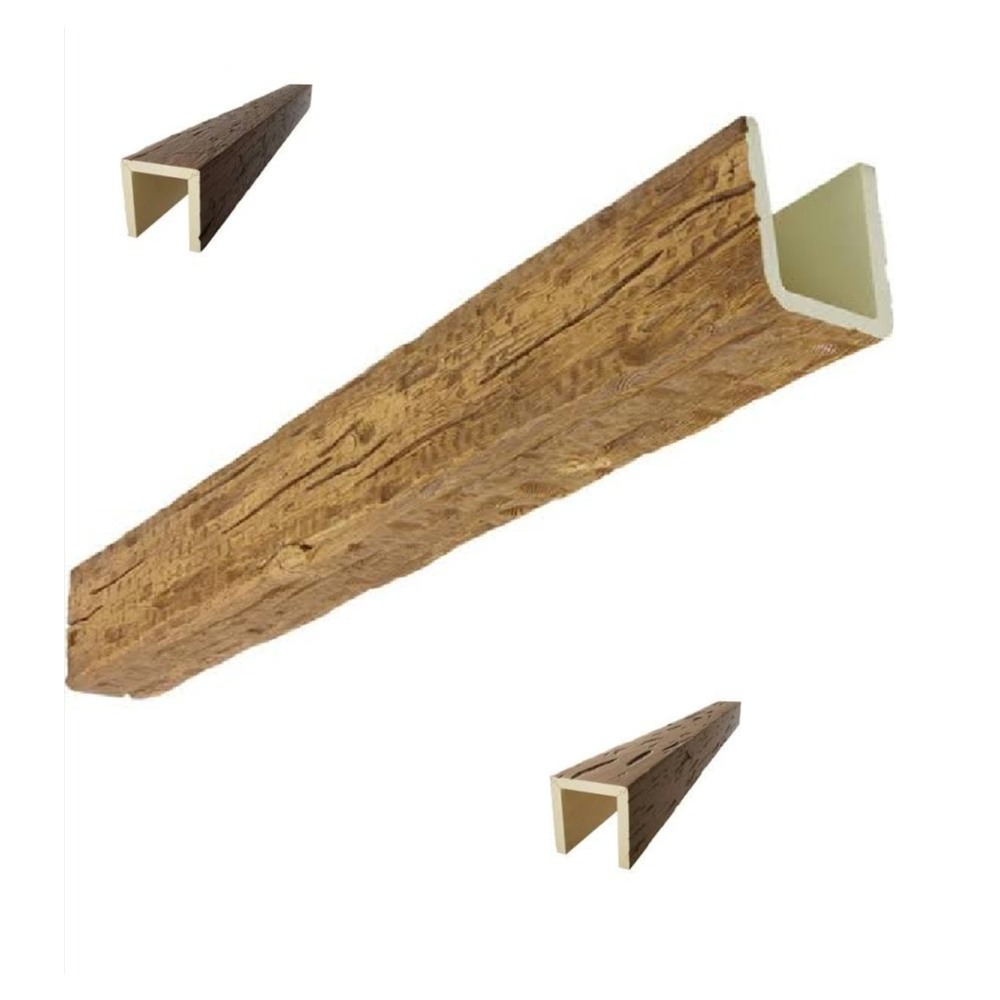
PU faux ceiling beams arrive ready for installation without requiring finishing. The polyurethane material accepts paint and stain readily if desired, but many products come pre-finished in popular wood tones. The lightweight nature—often under two pounds per linear foot—means no structural reinforcement is typically required. Installation can proceed with standard tools and hardware, often completed by general contractors or even capable DIY renovators. These factors combine to reduce not just material costs but labor costs and project complexity.
Design Applications That Maximize Renovation Budget
Kitchen renovations benefit enormously from ceiling beam additions that create warmth and character. These high-traffic, high-visibility spaces often suffer from clinical modern aesthetics that faux beams can humanize instantly. A kitchen with exposed faux beams over an island or dining area feels more like a home and less like a restaurant kitchen, adding value to the overall renovation investment. The transformation requires only hours of installation rather than the days that natural timber would demand.
Basement refinishing projects present excellent opportunities for budget-conscious beam installation. These spaces often lack architectural interest, featuring flat ceilings that make rooms feel cramped and institutional. Adding faux timber beams creates visual depth, subdivides long ceiling spans, and introduces the rustic character that transforms basements from storage spaces into living areas. The moisture resistance of quality polyurethane makes it appropriate for below-grade applications where natural wood might face humidity challenges.
Commercial tenant improvements frequently specify faux ceiling beams to achieve design visions within constrained budgets. Restaurants, retail spaces, and hospitality venues seek the warmth of timber aesthetics without the cost and complexity of genuine structural beams. PU faux options install quickly during business closures or overnight, minimizing revenue interruption while delivering the ambiance these businesses require. The durability of polyurethane also suits commercial traffic and cleaning regimens that would quickly degrade natural wood finishes.
Quality Tiers and Value Optimization
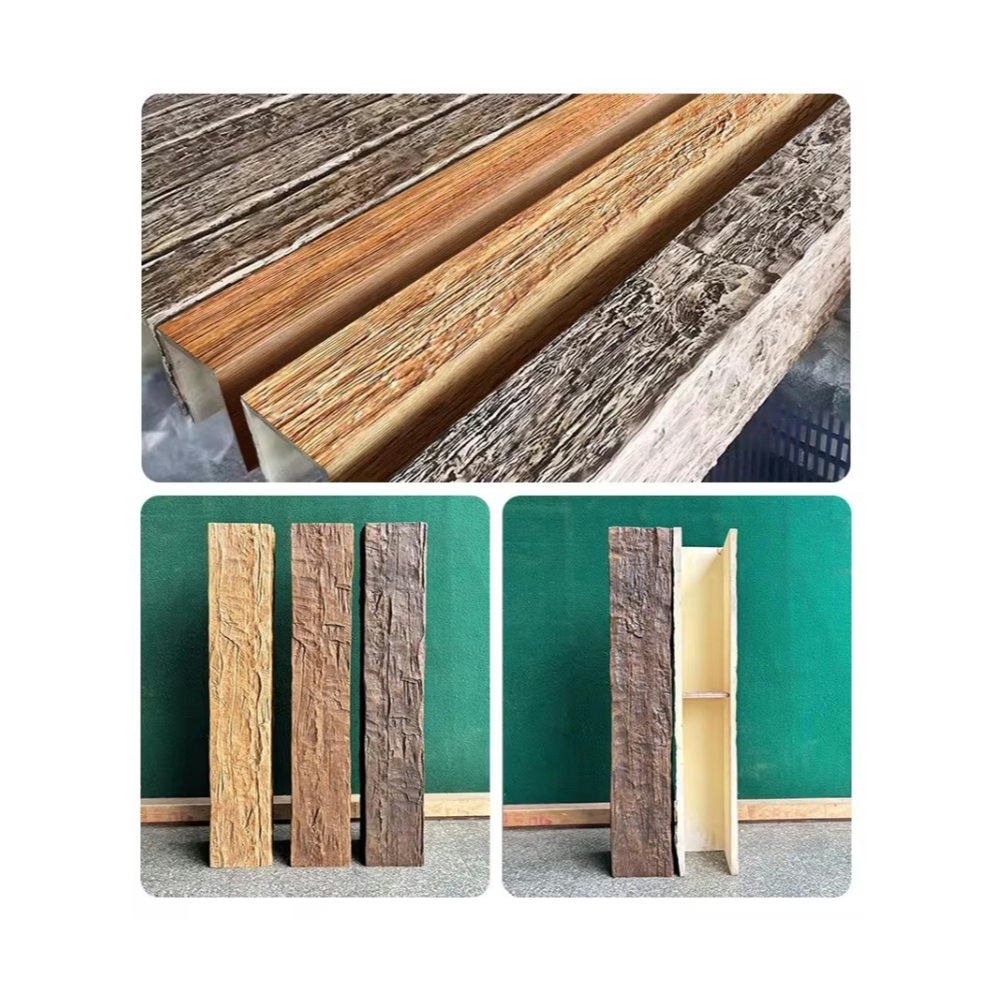
Not all PU faux ceiling beams represent equivalent value, and understanding product differences helps renovation buyers optimize their investments. Entry-level products offer basic wood grain textures and solid colors, suitable for applications where beams will receive paint finish or where visual scrutiny is limited. Mid-range options provide enhanced texture depth and color variation that more closely approximate natural wood, appropriate for visible residential applications. Premium products achieve near-indistinguishable similarity to specific wood species, satisfying design requirements that demand authentic appearance.
Fastener and accessory costs vary across product categories as well. Some manufacturers design beams with integrated mounting features that simplify installation while requiring proprietary hardware. Others offer simpler designs compatible with standard construction materials and techniques. Evaluating total installation cost—including any specialized components—provides accurate comparison between product options rather than misleading focus on beam price alone.
Warranty coverage reflects manufacturer confidence in product durability and represents another factor in value assessment. Longer warranties indicate higher-quality materials and construction, though they may accompany higher initial prices. For renovation projects where future access for repairs might be difficult, extended warranty coverage provides valuable protection against unexpected failures.
Strategic Sourcing for Renovation Projects
Wholesale suppliers and manufacturer direct purchases typically offer the best pricing for substantial renovation projects. Volume discounts apply when purchasing multiple beams or when bundling beams with other trim and architectural elements. Construction trade programs occasionally provide additional savings for registered contractors, potentially including specification support and installation guidance alongside reduced pricing.
Timing purchases strategically can yield meaningful savings as well. Off-season buying for seasonal projects, closeout pricing on discontinued profiles, and promotional sales all present opportunities to acquire quality materials at reduced cost. Building relationships with suppliers often results in first access to these opportunities, plus responsive service when project needs arise unexpectedly.
Samples and small orders allow verification of quality before committing to full project purchases. Reputable suppliers provide sample pieces that enable visual assessment and handling evaluation. Testing sample beams for weight, texture, and mounting compatibility prevents costly mistakes when full orders arrive. These small investments in verification often save substantial amounts in returns and rework.
The renovation budget that seemed impossibly tight often accommodates faux ceiling beams when material costs are properly understood. The gap between design aspiration and financial reality shrinks dramatically when comparing total project costs rather than initial material prices. Affordable PU faux beams don't compromise on appearance—they deliver premium aesthetics while respecting the financial realities that constrain most renovation projects.
Technical References
ASTM standards cited in every specification
Test Data
Lab results from internal testing program
Updated 2026
Reviewed against current product specs