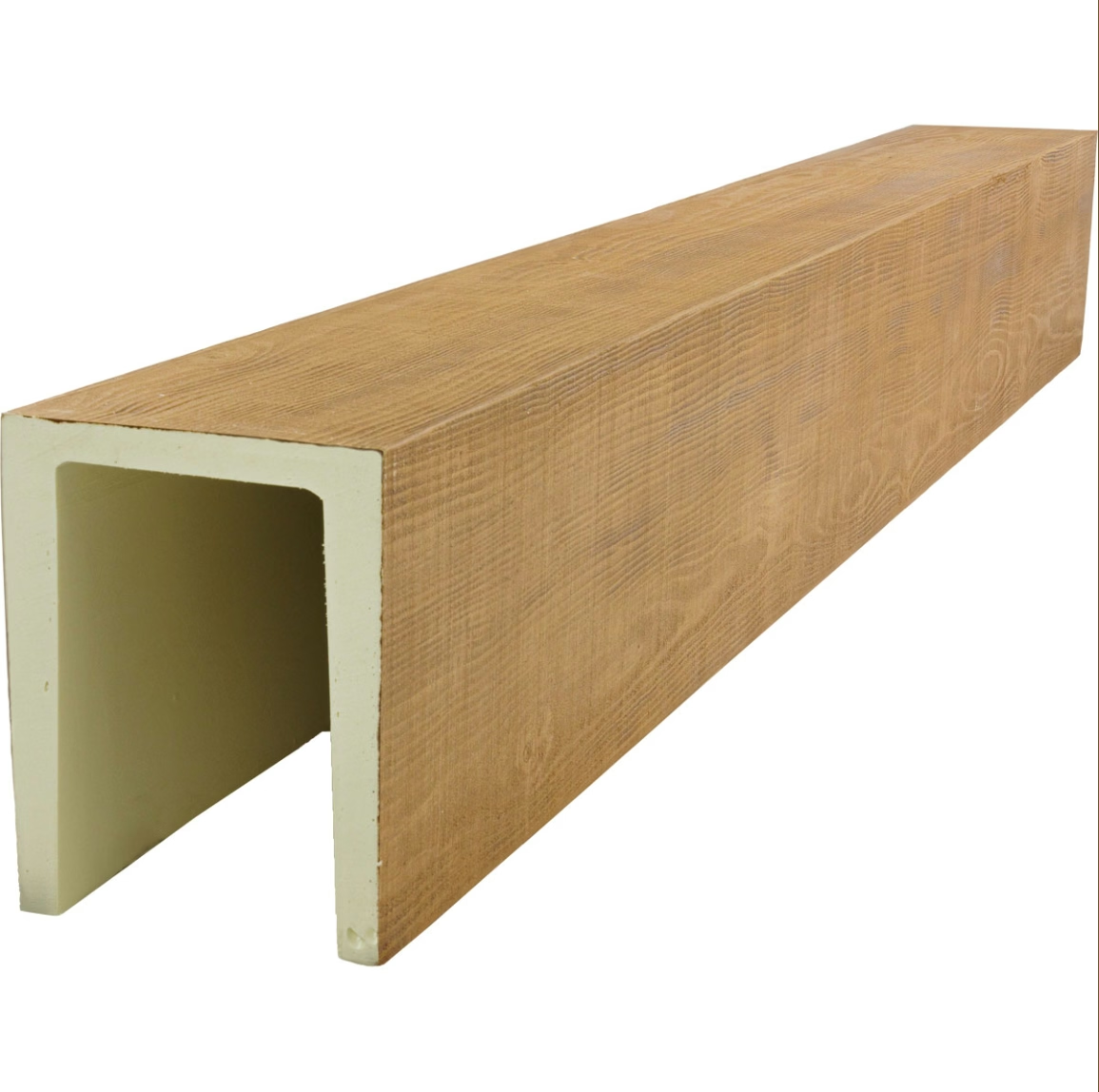
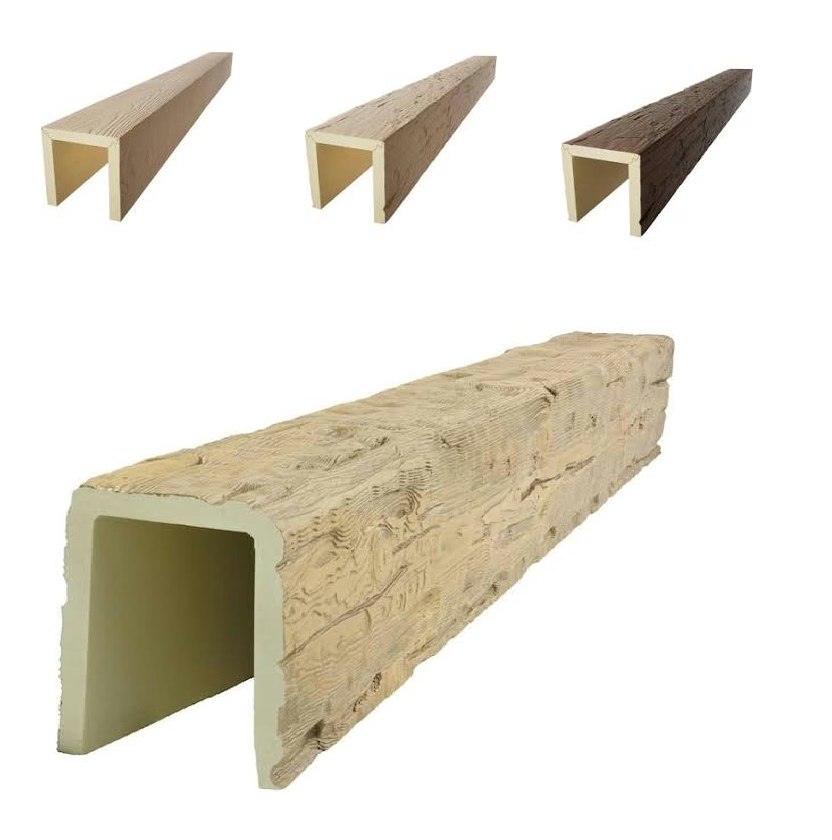
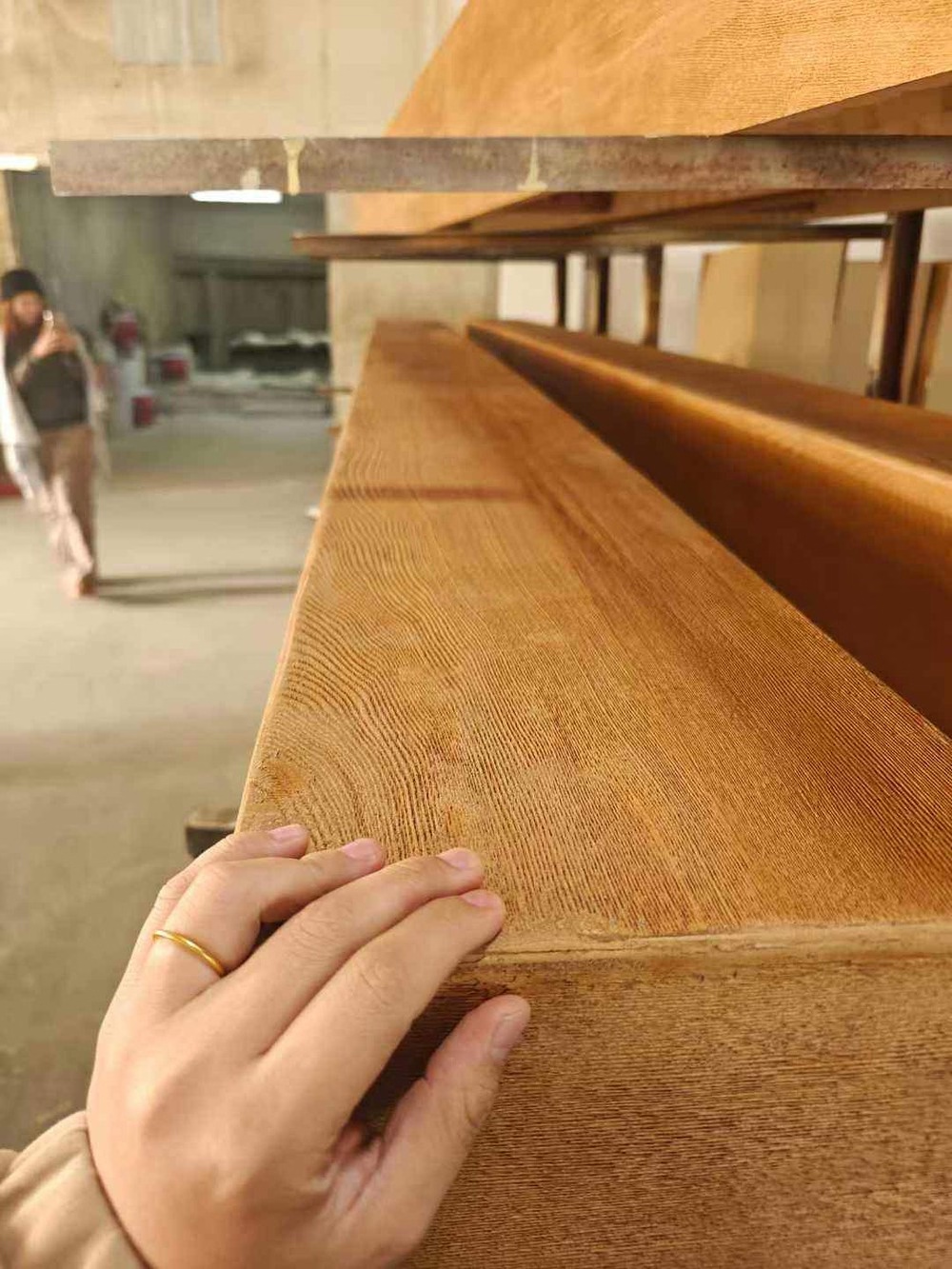
Not all faux ceiling beams are created equal, and the differences become most apparent during installation. Some products fight the installer at every step—awkward profiles, hidden fastening points, surfaces that split when screws penetrate them. Others seem to guide successful installation, with features that simplify positioning, alignment, and fastening. This difference in installation experience often reflects deliberate design choices that manufacturers incorporate to address the specific challenges of beam mounting.
Screw-mount designed beams represent a category of products engineered specifically for stable, straightforward mechanical attachment. These designs incorporate features that facilitate screw fastening while ensuring that the attachment remains secure over time. Understanding these design elements helps purchasers select products that will install easily and perform reliably, avoiding the frustration that poorly designed alternatives create.
Back Channel and Recess Features
One of the most useful design elements in screw-mount beams is the continuous channel or recess running along the back surface. This channel provides several benefits that simplify installation. First, it creates a natural guide for screw placement, ensuring that fasteners fall in a consistent line without measuring each location. Second, the recess allows screw heads to sit below the beam's mounting surface, preventing interference that might prevent proper seating against the ceiling.
The channel also provides clearance for minor ceiling irregularities. When beams mount against surfaces that aren't perfectly flat, the recessed channel provides space for adjustment without creating gaps at the mounting interface. This tolerance accommodation prevents the stress concentrations that cause cracking or popping in beams mounted directly against uneven surfaces.
Channel depth and width should relate appropriately to the fastener sizes the beam is designed for. Channels too shallow leave screw heads proud of the mounting surface. Channels too wide provide insufficient guidance for fastener placement. Quality products balance these dimensions to provide maximum benefit from the design feature.
Pre-Marked Fastener Locations
Some manufacturers pre-mark fastener locations on beam surfaces, providing visual guidance that speeds installation and ensures proper spacing. These marks might appear as indented points, subtle color changes, or small depressions that catch light and indicate where screws should be placed. The marks are typically designed to disappear after finishing or to be covered by screw holes themselves.
Pre-marking proves especially valuable for less experienced installers who might otherwise second-guess fastener placement. The visual guide removes uncertainty from the process, allowing work to proceed confidently. For contractors handling many installations, pre-marking speeds workflow by eliminating the measuring and marking steps that would otherwise be required.
The spacing of pre-marked locations reflects engineering calculations for typical applications. Standard spacing works well for most installations, though some situations may warrant adjustment based on specific load requirements or mounting conditions. Quality products provide spacing that works for common cases while allowing flexibility for special situations.
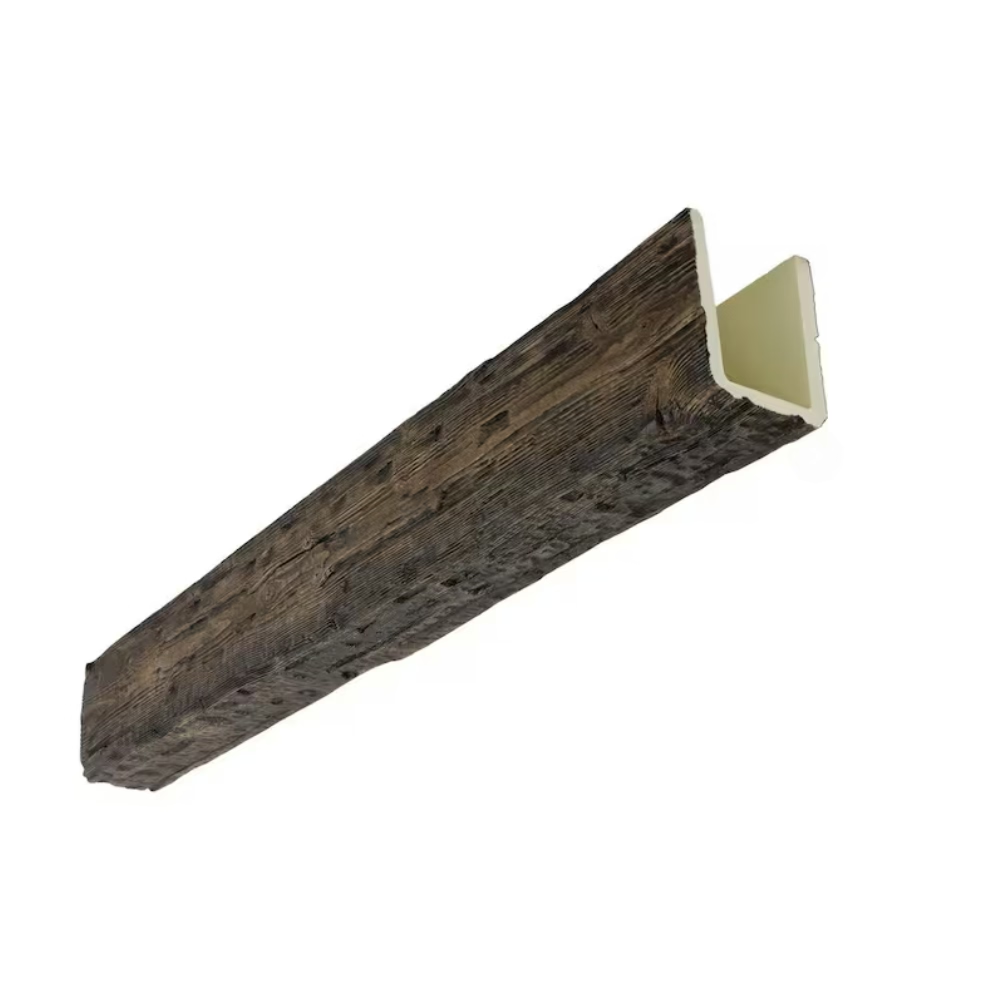
Interior Core Density Engineering
The internal structure of screw-mount designed beams differs from lighter-weight alternatives. Higher density in the core material provides better fastener holding power by creating more material for screw threads to engage. This density also prevents the compression and splitting that can occur when fasteners are driven into softer materials.
Manufacturers balance core density against weight considerations, as overly dense beams become difficult to handle and require more robust mounting infrastructure. The goal is achieving sufficient density for secure fastening while maintaining the lightweight advantages that make polyurethane beams attractive. Premium products achieve this balance through careful material formulation and quality control during production.
Core density often varies across the beam's cross-section, with highest density concentrated near mounting surfaces where fasteners engage. This graduated density provides optimal performance where it matters most while keeping overall weight manageable. Understanding a product's density engineering helps purchasers assess whether it will perform adequately in their specific application.
Edge and Corner Reinforcement
Beam edges and corners face particular stress during handling and installation, making reinforcement valuable for preventing damage. Screw-mount designed products often incorporate localized reinforcement in these areas, adding material or increasing density where impacts and handling stresses concentrate.
Reinforced edges also provide better holding power for fasteners placed near beam ends. End-grain fastening typically provides less security than fastening into the face of materials, but edge reinforcement compensates by providing additional material for thread engagement. This design consideration enables secure fastening even in locations where space constraints require end-of-beam mounting.
Corner details in multi-piece beam assemblies also benefit from reinforcement design. The joints between beam sections face stress concentrations that can cause cracking or separation over time. Products designed with reinforced joint geometry distribute these stresses more effectively, maintaining appearance and structural integrity longer than unreinforced alternatives.

Surface Texture and Fastener Interaction
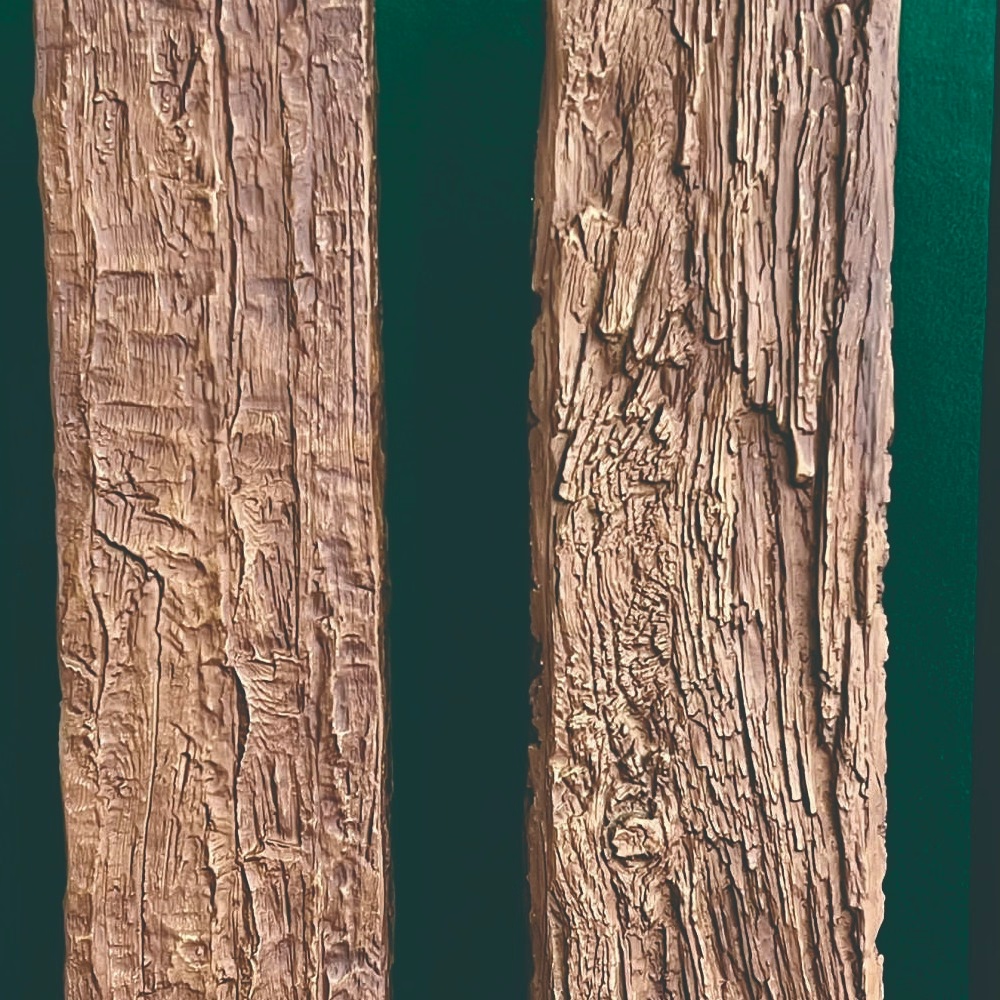
The surface texture of screw-mount designed beams considers how materials will interact with fasteners. Some textures might catch drill bits or cause screw tips to wander. Others provide just enough grip for stable fastener seating without interfering with driving. Quality products achieve visual authenticity without sacrificing installation practicality.
Texture depth affects how wood grain and other visual details appear under different lighting conditions. Deep textures create dramatic shadow and highlight patterns but may interfere with certain finishing techniques. Shallower textures sacrifice some visual depth for installation convenience and finishing consistency. The appropriate balance depends on the intended application and aesthetic requirements.
Color application in manufacturing affects how well beams accept touch-up after fastener installation. Products with through-color or deep-impregnation coloring show less visible impact from drilling and fastening. Surface-applied colors may show lighter material beneath fastener holes, requiring touch-up that matches the original finish. Understanding coloring methods helps assess post-installation finishing requirements.
Matching Design Features to Application Needs
Different applications benefit from different design emphasis in screw-mount beams. Residential installations with moderate loads and experienced installers may prioritize visual appearance over installation features. Commercial applications requiring rapid installation and consistent results benefit more from design features that facilitate speed and accuracy.
The mounting substrate affects which design features matter most. Wood framing accepts standard screw fastening readily, reducing the value of specialized features. Steel or concrete substrates may benefit more from designs that accommodate specialized fastening systems, as these materials present different challenges than wood.
Long-term performance expectations also influence design feature priorities. Installations expected to serve for decades without maintenance benefit from reinforced designs that prevent long-term degradation. Temporary installations or those expected to be updated within years might prioritize initial installation convenience over lasting durability.
Selecting screw-mount designed beams that match application requirements ensures that design features provide their intended benefits. The investment in quality design pays returns throughout the installation process and the service life that follows. Understanding what to look for in product design helps make informed purchasing decisions that lead to successful project outcomes.
Technical References
ASTM standards cited in every specification
Test Data
Lab results from internal testing program
Updated 2026
Reviewed against current product specs