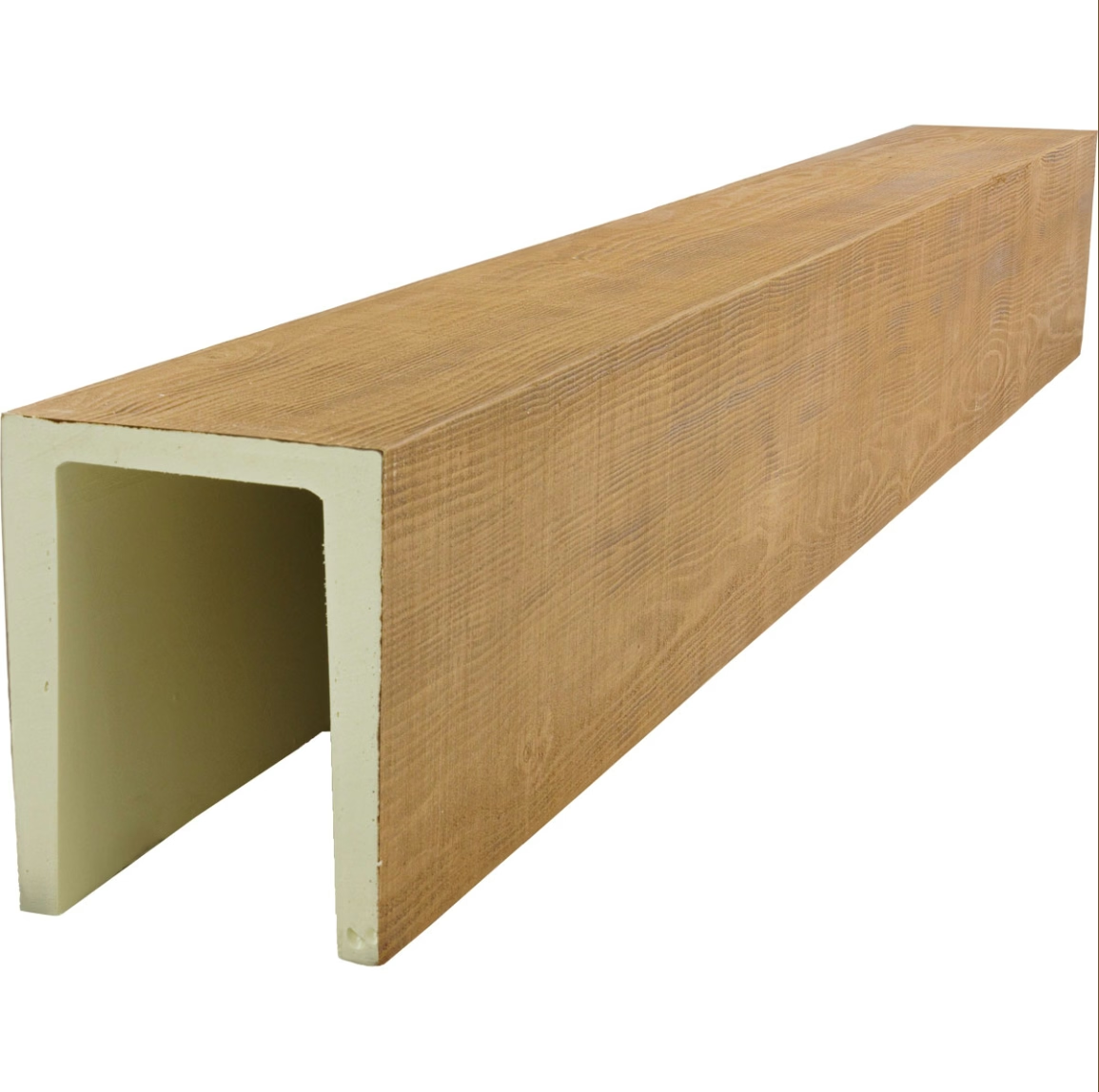
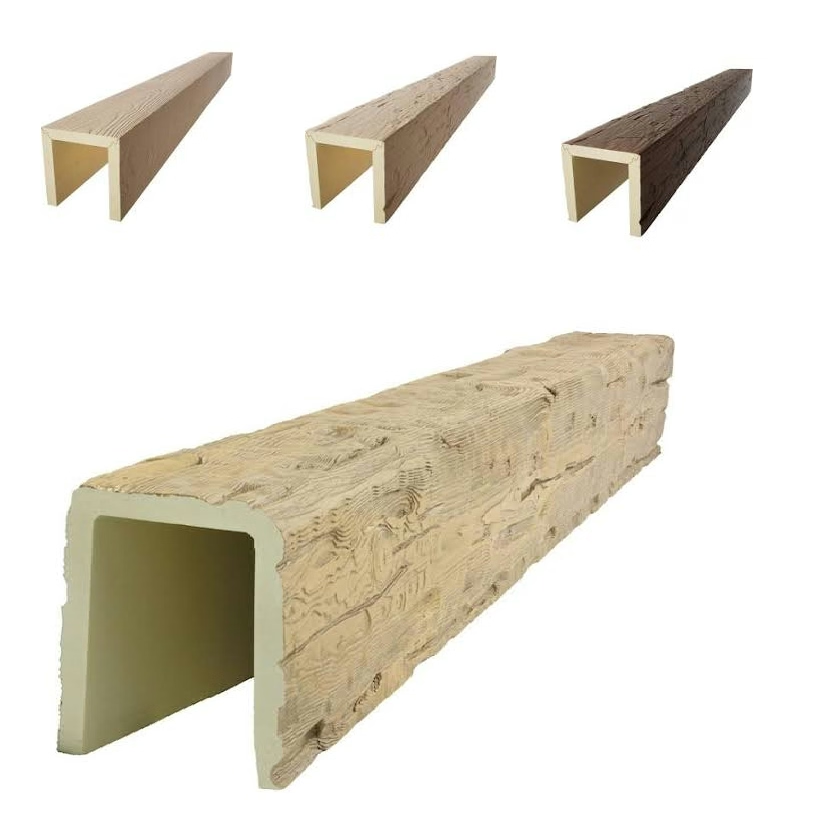
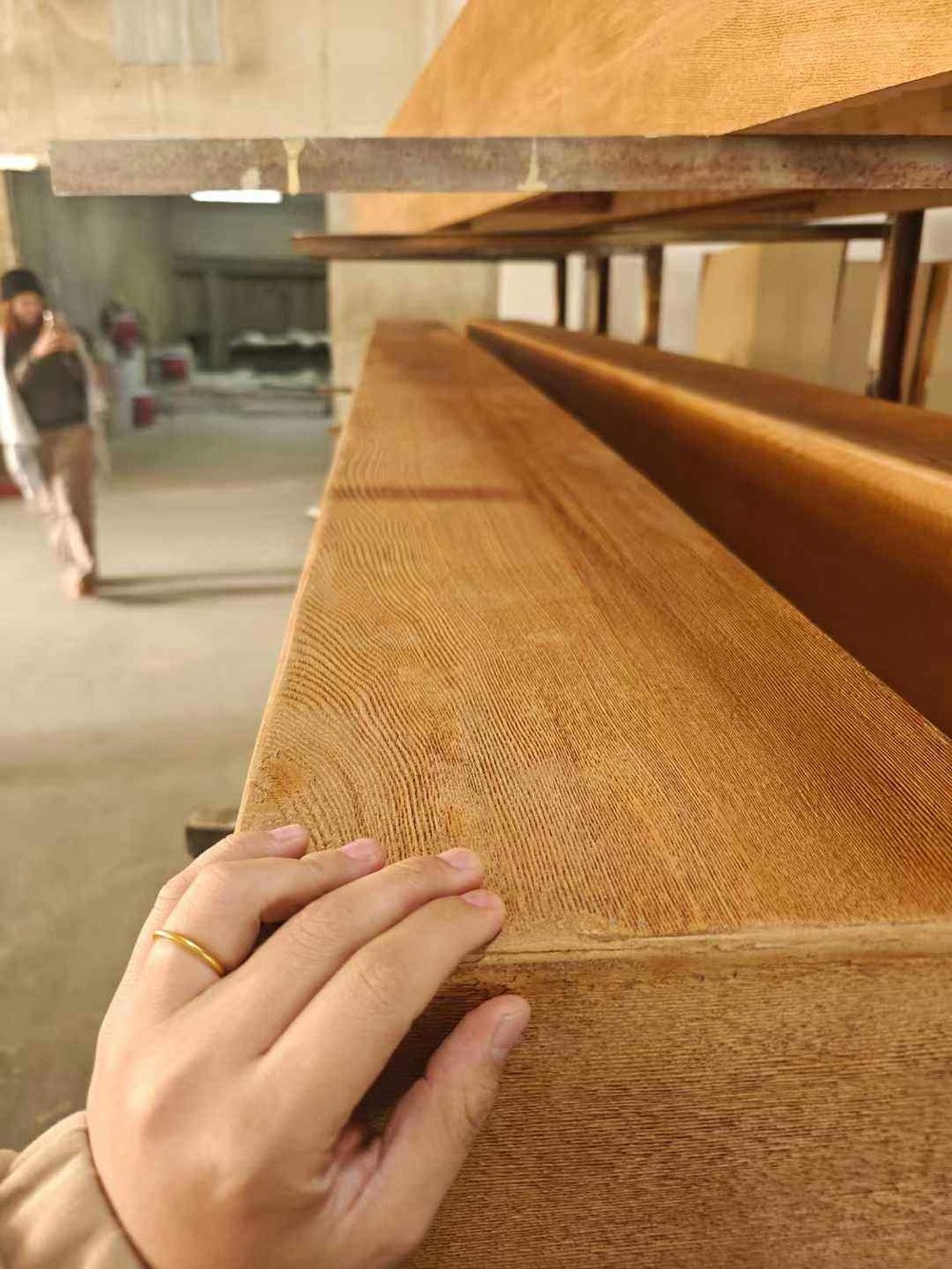
Every building material carries a lifespan expectation that influences purchasing decisions, maintenance planning, and long-term project economics. Carpet lasts 5 to 10 years; hardwood flooring endures for generations; asphalt shingles perform for 20 to 30 years. For polyurethane faux wood beams, buyers frequently ask how long these products will last, and the answer involves understanding the material properties, installation conditions, and maintenance practices that determine service life.
High-density foam faux wood beams, properly manufactured and installed, provide decades of service that rivals or exceeds many traditional building materials. The polyurethane composition eliminates the biological decay processes—rot, insect damage, moisture damage—that limit genuine timber's lifespan. What remains are the physical factors that affect all materials: UV exposure, mechanical wear, surface damage, and structural loading. Managing these factors extends service life significantly.

Material Composition and Inherent Durability
Polyurethane is a thermosetting polymer that cures into a dimensionally stable material that does not soften with heat or become brittle with age in the way that some plastics do. Unlike thermoplastics that can melt or deform, cured polyurethane maintains its shape and properties across a wide temperature range. This thermal stability contributes significantly to long-term dimensional accuracy.
The cellular structure of high-density foam determines surface hardness and impact resistance. Higher density formulations produce harder surfaces that resist denting and scratching. The density also affects how well the surface accepts and retains finishes. Premium beams typically use densities of 30 to 50 pounds per cubic foot, providing surface properties comparable to hardwood while maintaining the weight advantages of foam.
Chemical stability ensures that polyurethane does not degrade through oxidation or chemical reaction under normal interior conditions. The material resists common household chemicals, cleaning products, and atmospheric pollutants. This chemical resistance eliminates the gradual degradation that affects some natural materials and makes polyurethane suitable for challenging environments including kitchens and bathrooms.
Interior Applications and Lifespan
In protected interior environments, high-density polyurethane beams demonstrate exceptional longevity. Interior conditions—stable temperature, moderate humidity, absence of direct UV exposure—create ideal conditions for polyurethane performance. Under these circumstances, service life estimates of 30 to 50 years are realistic for well-manufactured products.
The limiting factors in interior applications are typically mechanical rather than material. Accidental impacts that dent or crack the surface may require repair or replacement of affected sections. Water exposure from roof leaks or plumbing failures can saturate beams and cause damage that requires remediation. Surface finish wear in high-traffic areas may necessitate refinishing after many years.
Genuine comparison with other ceiling materials illustrates polyurethane's durability advantage. Gypsum ceiling tiles may last 20 to 30 years before requiring replacement due to water damage or settling cracks. Plaster coffered ceilings maintain appearance for 30 to 50 years but require periodic repainting. Polyurethane beams outperform both in moisture resistance while matching or exceeding their aesthetic longevity.
Exterior and Partially Protected Applications
Exterior applications present more challenging conditions that affect service life. Direct UV exposure causes surface chalking and color fading over time, with the rate depending on the finish system and UV intensity in the specific climate. Tropical climates with intense year-round sunlight cause faster degradation than temperate zones with seasonal sun patterns.
Moisture exposure in exterior applications requires appropriate product selection. Not all polyurethane formulations are suitable for exterior use; standard interior formulations may absorb moisture or degrade under freeze-thaw cycling. Exterior-rated polyurethane formulations include UV stabilizers and moisture-resistant additives that extend service life in outdoor conditions.
Service life estimates for properly specified exterior installations range from 15 to 25 years before significant aesthetic degradation occurs. Maintenance refinishing every 5 to 10 years, depending on climate severity, extends this lifespan significantly. The ability to sand, repair, and refinish polyurethane surfaces provides maintenance options not available with many alternatives.
Factors That Reduce Service Life
Several factors accelerate degradation and reduce effective service life. Understanding these factors helps buyers make decisions that maximize their investment's longevity.
UV exposure is the primary aging factor for exterior applications. Even interior beams near windows receive enough UV to cause surface degradation over decades. Specifying UV-resistant finishes and positioning beams to minimize direct sun exposure extends service life in UV-challenging locations.
Moisture damage, while less severe than for genuine timber, can affect polyurethane in sustained-wet conditions. Bathrooms with poor ventilation, kitchens with steam exposure, and exterior installations in humid climates require products and finishes rated for these conditions. Standard interior products in moisture-challenging environments may degrade faster than expected.
Mechanical damage from impacts causes localized failures that may compromise appearance without affecting structural integrity. Beams in play areas, commercial spaces with high activity, or locations near furniture movement are more susceptible to impact damage. Protecting vulnerable locations or selecting products with enhanced impact resistance addresses this risk.
Maintenance Practices That Extend Service Life
Regular maintenance preserves appearance and extends service life significantly. The maintenance requirements for polyurethane beams are considerably less demanding than for genuine timber or many other ceiling materials.
Dust removal through regular dusting or light vacuuming prevents particle accumulation that can scratch surfaces during cleaning. Soft-bristle attachments or microfiber cloths clean effectively without abrading the surface finish.
Spot cleaning addresses stains or marks before they become permanent. Most common stains respond to gentle cleaning with mild detergent and water. Harsh chemical cleaners should be tested on inconspicuous areas before general application; some solvents can damage polyurethane surfaces or dissolve certain finishes.
Inspection during routine ceiling cleaning identifies any developing issues before they become serious. Loose attachment points, surface cracks, or finish failures identified early can be addressed before they progress. Annual inspection as part of building maintenance program keeps beam installations in good condition.
Finish System Effects on Longevity
The finish applied to polyurethane beams significantly affects both appearance longevity and maintenance requirements. Different finish systems offer different performance characteristics and maintenance demands.
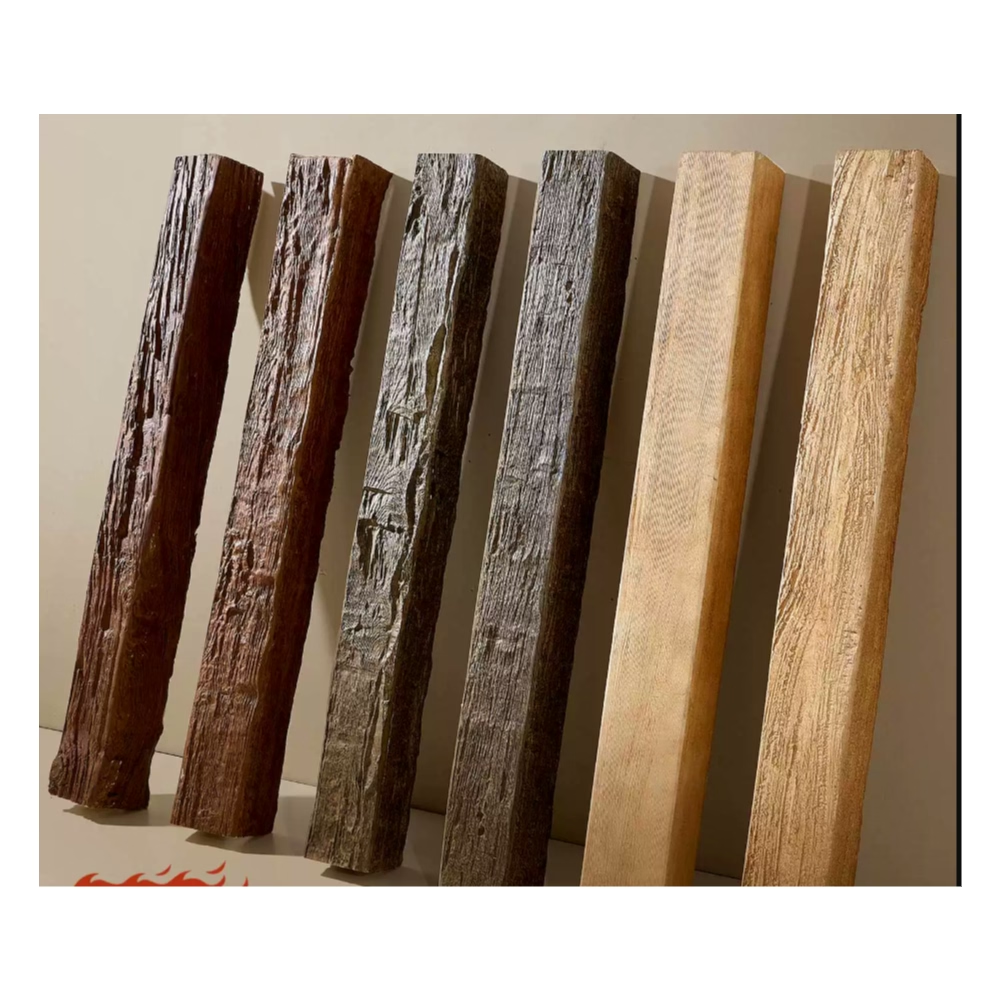
Painted finishes provide uniform color and moderate durability. High-quality acrylic paints resist yellowing and maintain color stability for 10 to 15 years in interior applications. Touch-up painting addresses localized damage without requiring complete refinishing. The ability to repaint polyurethane makes it more maintainable than many surface materials.
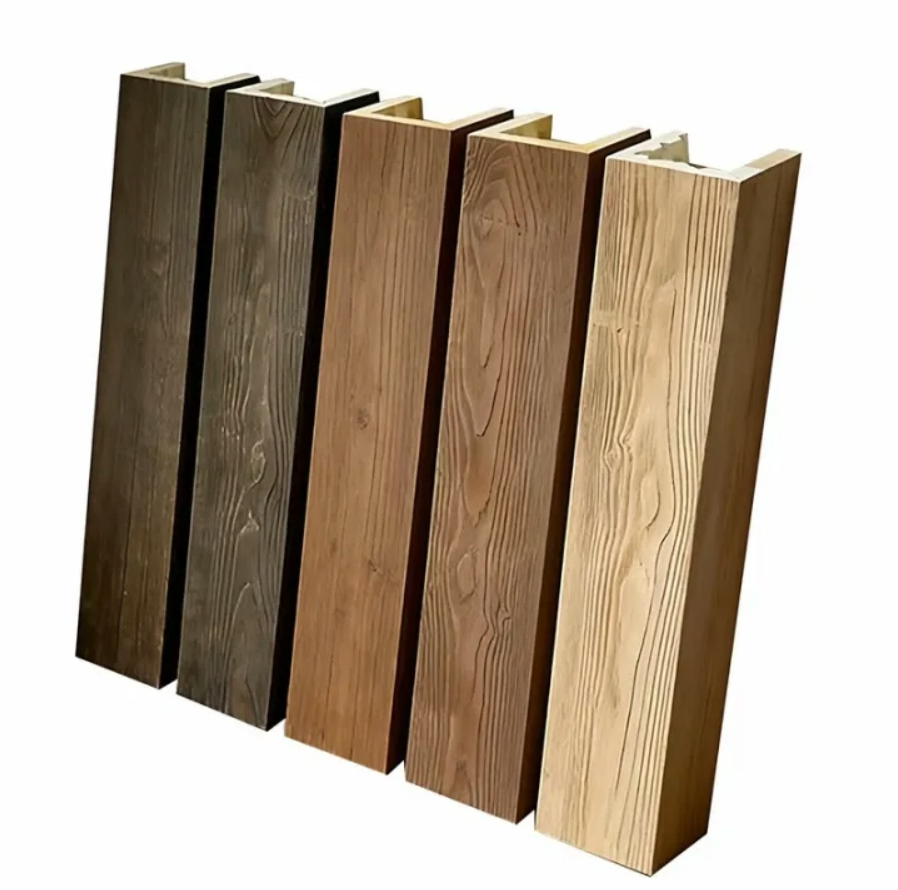
Stained finishes that penetrate the surface create more natural wood-like appearance but may require more frequent refinishing to maintain. The stain penetrates into the foam surface, creating depth that paint cannot match, but this same penetration means that refinishing requires stripping the old stain rather than simply overcoating.
Factory-applied finishes typically outperform field-applied finishes in durability and consistency. Factory finishing in controlled conditions produces uniform coverage and proper cure that field application rarely matches. When field touch-ups are needed, matching factory finish quality requires skill and appropriate materials.
Climate Zone Variations
Climate affects polyurethane beam performance in ways that buyers should understand. Tropical climates with high humidity and intense UV accelerate aging. Arid climates with large temperature swings stress materials through expansion and contraction cycles. Temperate climates with moderate conditions impose the least stress.
High-altitude locations experience increased UV intensity due to thinner atmosphere filtering. Buildings at elevation in sunny climates may see accelerated surface degradation compared to identical buildings at sea level. UV-resistant finish systems are particularly important in these locations.
Coastal climates introduce salt air exposure that can accelerate corrosion of metal attachment hardware even when the beams themselves are unaffected. Stainless steel or coated hardware in coastal applications prevents the attachment deterioration that could eventually affect beam support.
Replacement and Upgrade Considerations
Even the most durable materials eventually require replacement as design preferences evolve or buildings undergo renovation. The replaceability of polyurethane beams affects the long-term economics of their use.
Lightweight construction simplifies replacement compared to genuine timber. Removing old beams requires less labor and equipment; installing new beams is similarly streamlined. This installation advantage applies to both initial installation and eventual replacement.
The modular nature of beam systems allows selective replacement of damaged or dated elements without disturbing adjacent installations. A single damaged beam can be removed and replaced without dismantling the entire ceiling. This repairability extends the effective service life of the overall installation by addressing localized failures.
Design evolution over decades may make current beam styles feel dated. The relatively low cost of polyurethane beams compared to genuine timber makes style updates more economically feasible. A renovation that would require disposing of heavy, expensive genuine timber beams becomes a straightforward refresh when the existing installation is polyurethane.
Realistic Expectations and Warranty Considerations
Manufacturer warranties provide one measure of expected service life, though warranty terms often reflect commercial considerations rather than true material capability. Standard warranties of 5 to 10 years on polyurethane products reflect industry norms that acknowledge the material's durability while providing appropriate consumer protection.
Warranty coverage typically addresses manufacturing defects—delamination, structural failure, finish defects—rather than wear and aging. A beam that splits due to a manufacturing defect is covered; a beam whose color fades after 15 years of sun exposure is not. Understanding what warranties cover and exclude sets realistic expectations.
Independent studies and industry data suggest that properly manufactured and installed polyurethane beams routinely exceed 25 years of useful service in interior applications. The combination of material durability, low maintenance requirements, and repairability makes this longevity achievable across a wide range of applications. Buyers who select quality products, specify appropriate products for their applications, and perform routine maintenance can expect their investment to provide decades of service.
Technical References
ASTM standards cited in every specification
Test Data
Lab results from internal testing program
Updated 2026
Reviewed against current product specs