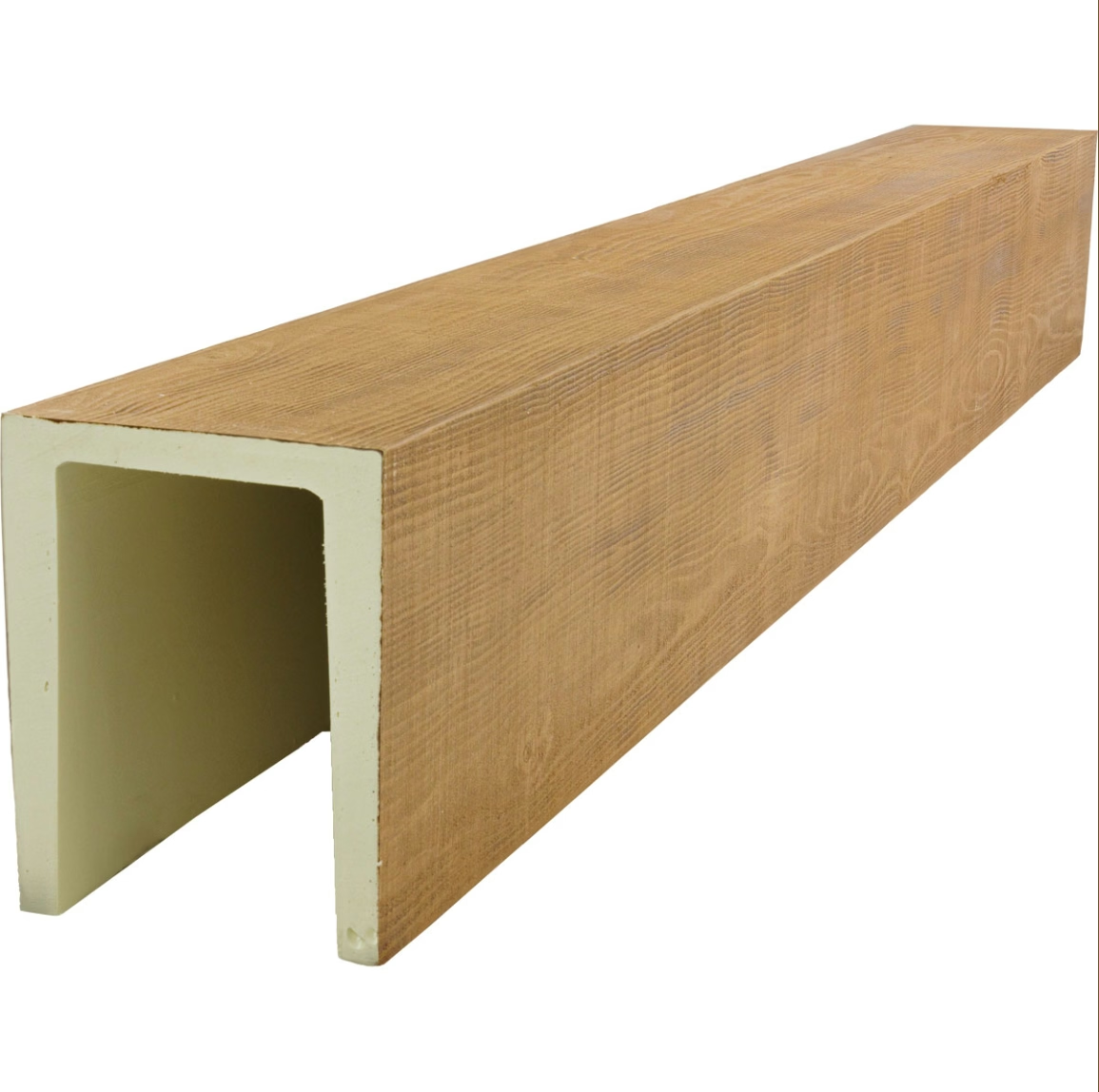
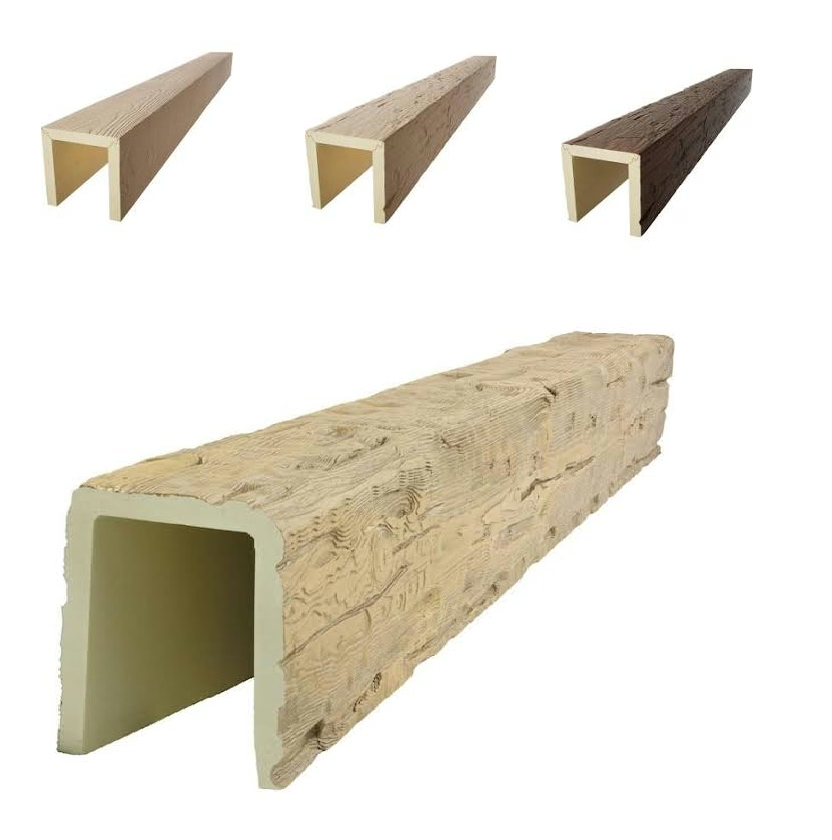
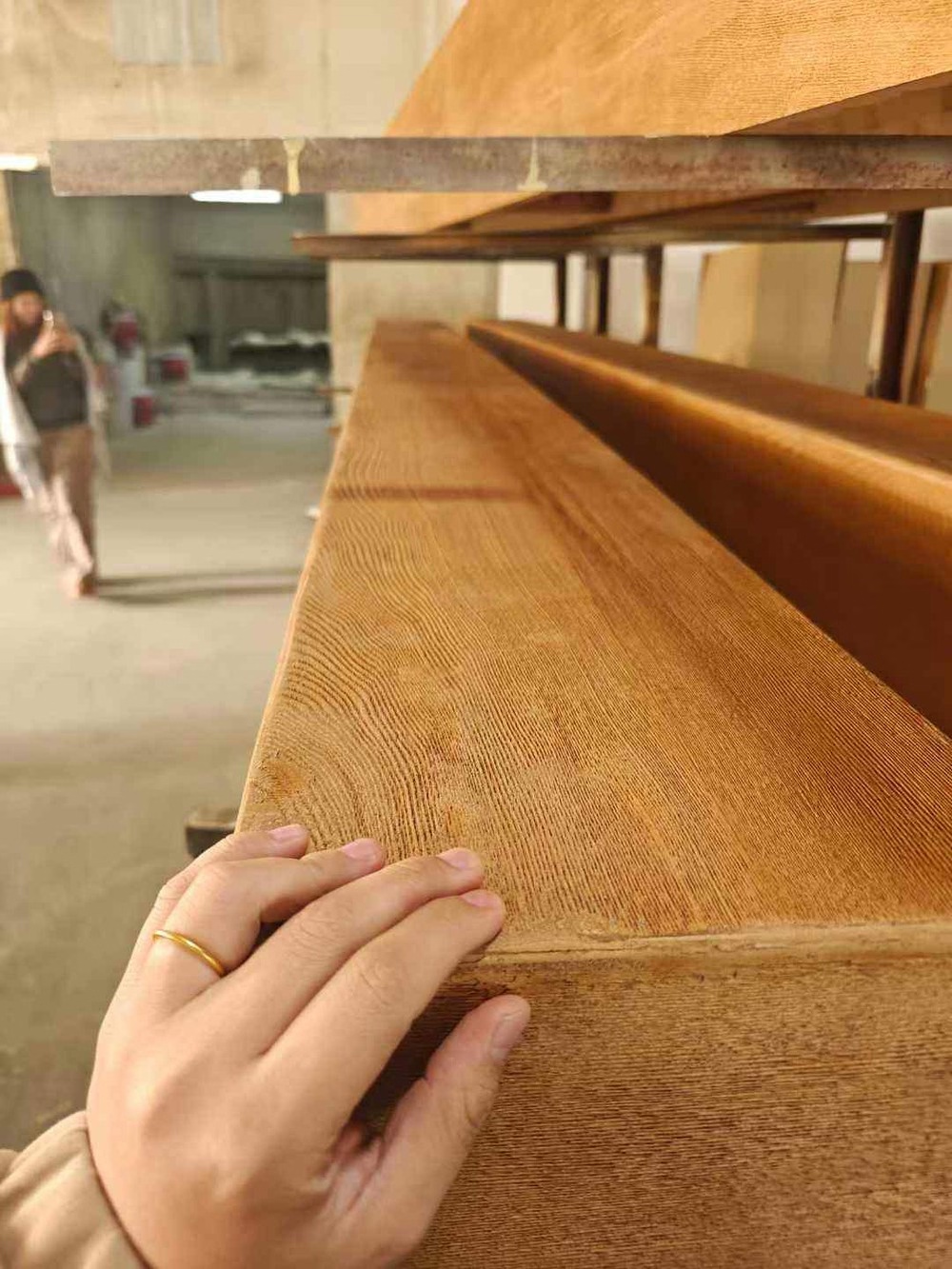
When sourcing building materials for international projects, the difference between a smooth transaction and a costly nightmare often comes down to one factor: verification. That's where third-party inspection services like SGS and Bureau Veritas (BV) play a critical role in the polyurethane faux wood beam supply chain. These independent certification bodies give buyers confidence that what they've ordered is exactly what arrives at their warehouse or job site.
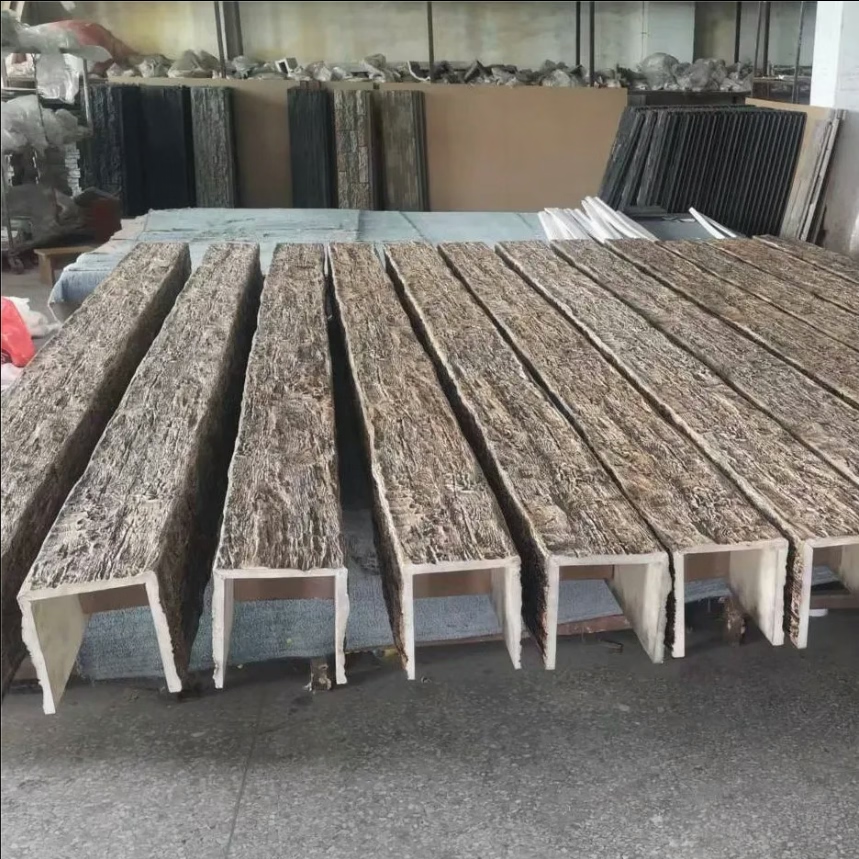
The certification process begins before your beams ever leave the factory. SGS and BV inspectors visit manufacturing facilities to conduct pre-shipment inspections, examining everything from raw material specifications to production quality controls. For polyurethane faux beams specifically, inspectors check the density of the foam core, the adhesion quality of the wood-grain overlay, and the precision of any surface finishing treatments. This granular level of examination catches defects that might otherwise only become apparent after installation—far too late to remedy easily.
Understanding SGS Certification Standards
SGS, originally known as Société Générale de Surveillance, has operated since 1878 and now maintains a presence in countries across the globe. Their inspection protocols for construction materials follow internationally recognized standards, including ISO 9001 quality management principles adapted for specific product categories. When you request SGS inspection for your polyurethane faux beam order, you're essentially hiring a team of trained professionals to verify that the manufacturer is meeting agreed-upon specifications.
The inspection typically covers several key areas. First, inspectors verify the physical dimensions of each beam—length, width, thickness, and any profile measurements. Polyurethane beams must maintain consistent cross-sectional dimensions throughout production runs, and even small variations can cause installation headaches. Second, the surface quality receives thorough examination: the wood-grain texture should be evenly distributed, free from bubbles or delamination, and the color consistency should match the approved sample. Third, packaging adequacy gets assessed to ensure beams will survive international shipping without damage.
One of the most valuable aspects of SGS certification is their detailed reporting system. After inspection, buyers receive comprehensive documentation including photographs of sampled items, measurement records, and any non-conformance observations. This paper trail proves invaluable for warranty claims, insurance purposes, and maintaining good supplier relationships. When disputes arise, having SGS documentation strengthens your position considerably.
Bureau Veritas Inspection Protocols
Bureau Veritas operates similarly to SGS but with some distinct approaches to quality verification. Founded in 1828, BV has accumulated extensive experience across numerous industries including marine, aerospace, and construction. Their inspectors undergo rigorous training programs and maintain certifications specific to different product categories. For faux wood beams, BV inspectors understand the unique properties of polyurethane as a material and know precisely what defects to look for.
BV's inspection methodology emphasizes systematic sampling procedures. Rather than examining every single beam—which would be impractical for large orders—statistically valid sampling plans ensure that the batch being inspected accurately represents the entire shipment. This approach balances thoroughness with efficiency, giving buyers reasonable confidence without requiring inventory-stripping examination levels.
The BV certification process also includes functionality testing where applicable. For decorative beams, this might involve checking how mounting hardware interfaces with the beam structure, or verifying that the polyurethane density supports expected load requirements for non-structural applications. While polyurethane faux beams aren't designed for structural load-bearing, their interaction with mounting systems matters considerably for secure installation.

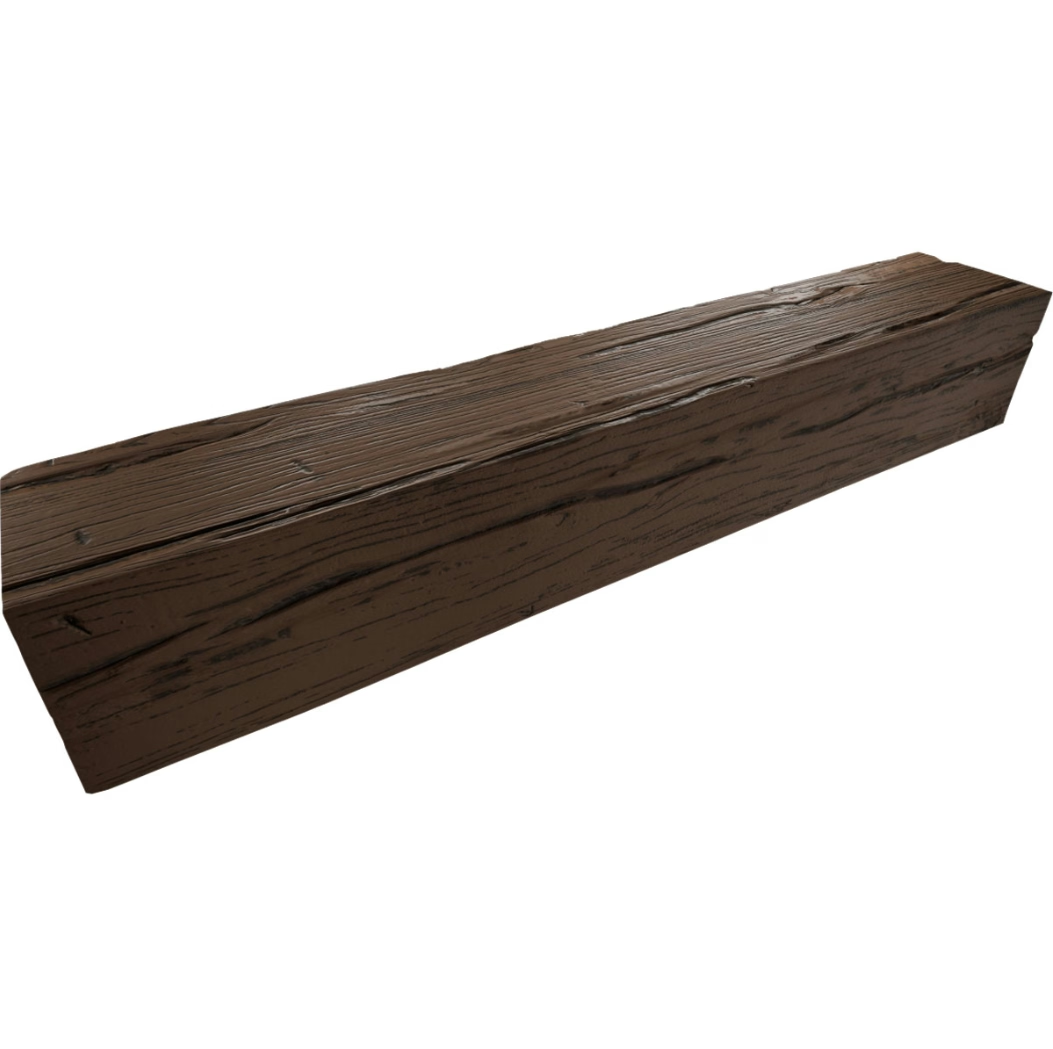
Why Certification Matters for International Buyers
Foreign trade transactions carry inherent risks that domestic purchases simply don't involve. Extended shipping times, multiple handling points, customs inspections, and the impossibility of checking every item before payment all create opportunities for quality issues to emerge. Third-party certification acts as a buffer against these uncertainties, providing an objective assessment of product quality at a critical moment in the supply chain.
For B2B buyers specifically, certification documentation supports smoother relationships with downstream customers. When you can provide certificates of inspection for the beams you're selling, architects and interior designers gain confidence in your offerings. Commercial projects often require documentation of material quality, and SGS or BV reports satisfy those requirements elegantly. Retailers stocking your products can display certification badges, differentiating your beams from uncertified competitors.
The cost of third-party inspection represents a small fraction of most orders but delivers disproportionate value. Inspection fees typically range based on order size and complexity, but even for substantial shipments, the investment proves worthwhile when considering the alternative: accepting delivery of substandard materials and navigating difficult return processes across international borders. Most reputable manufacturers offer inspection services as an optional add-on, and experienced importers routinely insist on them.
Navigating the Inspection Request Process
Requesting SGS or BV inspection for your polyurethane beam order requires coordination between you, your supplier, and the inspection company. The process typically begins when you confirm your order with the manufacturer and specify inspection requirements in your purchase agreement. This early communication ensures the supplier schedules production with inspection timing in mind—rushing inspection requests often leads to scheduling conflicts and premium fees.
You'll need to provide several key pieces of information to the inspection company: the supplier's name and address, order details including quantity and specifications, the inspection location (usually the factory or a warehouse before shipment), and any relevant standards or specifications the product should meet. Clear communication prevents misunderstandings and ensures inspectors focus on the criteria that matter most to your application.
Most inspection companies offer flexible scheduling, but during peak manufacturing seasons, inspector availability can become constrained. Planning ahead by requesting inspection several weeks before your intended shipment date provides buffer time for any scheduling adjustments. Some buyers build inspection timelines directly into their project schedules, treating the waiting period as normal lead time rather than an unexpected delay.
Making Certification Work for Your Business
Integrating third-party inspection into your sourcing strategy requires initial effort but quickly becomes routine. Many importers establish standing relationships with inspection companies, streamlining repeat orders considerably. Once your preferred inspection protocols are documented, subsequent orders can proceed with minimal additional coordination beyond confirming quantities and specifications.
The documentation provided by SGS and BV serves multiple purposes beyond simple quality verification. Insurance claims become straightforward with professional inspection reports. Warranty discussions with customers gain credibility when you can reference independent verification. Even internal quality control improves as you learn which manufacturers consistently meet standards and which require closer monitoring.
Ultimately, third-party inspection transforms uncertainty into manageable risk. Your polyurethane faux beam projects deserve the confidence that comes from verified quality, and SGS or Bureau Veritas certification delivers exactly that assurance.
Technical References
ASTM standards cited in every specification
Test Data
Lab results from internal testing program
Updated 2026
Reviewed against current product specs