The exposed rafter aesthetic has captivated architects and designers for generations, communicating craftsmanship and authenticity that concealed ceiling construction cannot provide. Authentic exposed timber, however, presents substantial practical challenges that limit its applicability in many situations. Durable polyurethane faux rafters address these constraints while delivering the visual impact that makes exposed rafter ceilings so desirable.
The Visual Power of Exposed Ceiling Rafters
Exposed rafters transform ceiling surfaces from passive backgrounds into active design elements. The horizontal lines of parallel rafters organize ceiling planes, creating visual rhythm that guides occupant attention through spaces. This organizing principle proves particularly valuable in large open rooms where unadorned ceilings feel vast and impersonal.
Texture adds another dimension that exposed rafters contribute to interior spaces. Flat ceiling surfaces reflect light uniformly, creating sterile environments that lack visual depth. Rafter textures capture and modulate light differently across their surfaces, introducing subtle variation that makes spaces feel more crafted and intentional. This textural interest distinguishes quality interiors from generic construction.
Material character significantly influences how exposed rafter installations affect spatial atmosphere. Timber rafters introduce warmth that humanizes spaces, making industrial environments feel more approachable and residential settings feel more grounded. The organic quality of wood balances harder materials throughout interiors, creating balanced environments that support diverse activities.
Challenges with Authentic Timber Rafters
Structural requirements often create mismatches between functional and aesthetic needs for ceiling rafters. Engineering demands may dictate dimensions and spacing that differ from design intentions, resulting in installations that overwhelm or underwhelm visually. These structural compromises compromise aesthetic goals without alternative approaches.
Weight considerations affect every phase of timber rafter projects. Substantial rafters require robust mounting systems throughout ceiling structures. Handling during installation demands multiple workers and possibly mechanical assistance. Shipping costs multiply with weight, particularly for longer lengths that exceed standard transportation dimensions. These practical concerns constrain design ambition.
Environmental sensitivity creates ongoing maintenance concerns for timber in ceiling applications. Moisture fluctuations cause expansion and contraction that stress surrounding materials. Insect damage threatens structural integrity in many regions. Fire concerns may require special treatment or preclude timber entirely in certain occupancy types. These limitations encourage exploration of alternatives.
Polyurethane Durability in Ceiling Applications
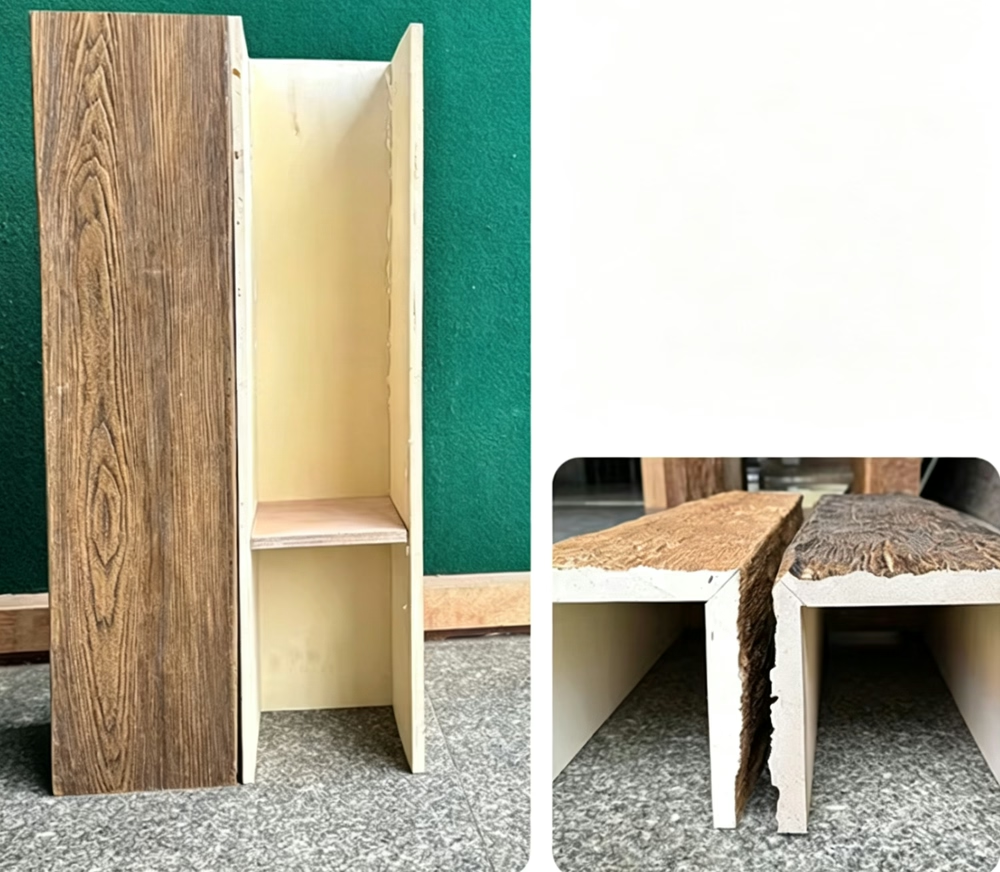
Polyurethane formulations designed for architectural applications achieve remarkable durability despite their lightweight nature. The material resists impact damage, moisture absorption, and temperature fluctuations that compromise natural wood. Quality products maintain structural integrity and appearance despite environmental challenges that would damage authentic timber.
Surface durability ensures long-term appearance retention in ceiling applications. Quality polyurethane accepts scratches and minor impacts without visible damage in most circumstances. Factory-applied finishes resist abrasion from normal cleaning and maintenance. When damage does occur, repair often proves simpler than timber repair due to consistent material properties throughout.
UV stability addresses concerns about color change from light exposure. Quality faux rafter products incorporate stabilizers that resist yellowing and fading that affect lesser materials. This stability ensures that ceiling installations maintain intended appearance despite exposure to natural light through windows and skylights.
Manufacturing Quality and Consistency
Premium polyurethane products achieve visual quality that satisfies demanding observers. High-fidelity molding captures wood grain, knots, and color variations with accuracy that rivals authentic timber. Surface textures replicate natural wood feel, not just visual appearance. Multiple finishing steps build depth that creates convincing authentic impressions.
Dimensional consistency distinguishes manufactured products from natural materials. Each piece matches specifications precisely, enabling accurate installation planning and execution. Unlike timber with inherent variations, faux rafters install without requiring on-site fitting that delays completion and wastes material. This consistency improves installation efficiency and quality.
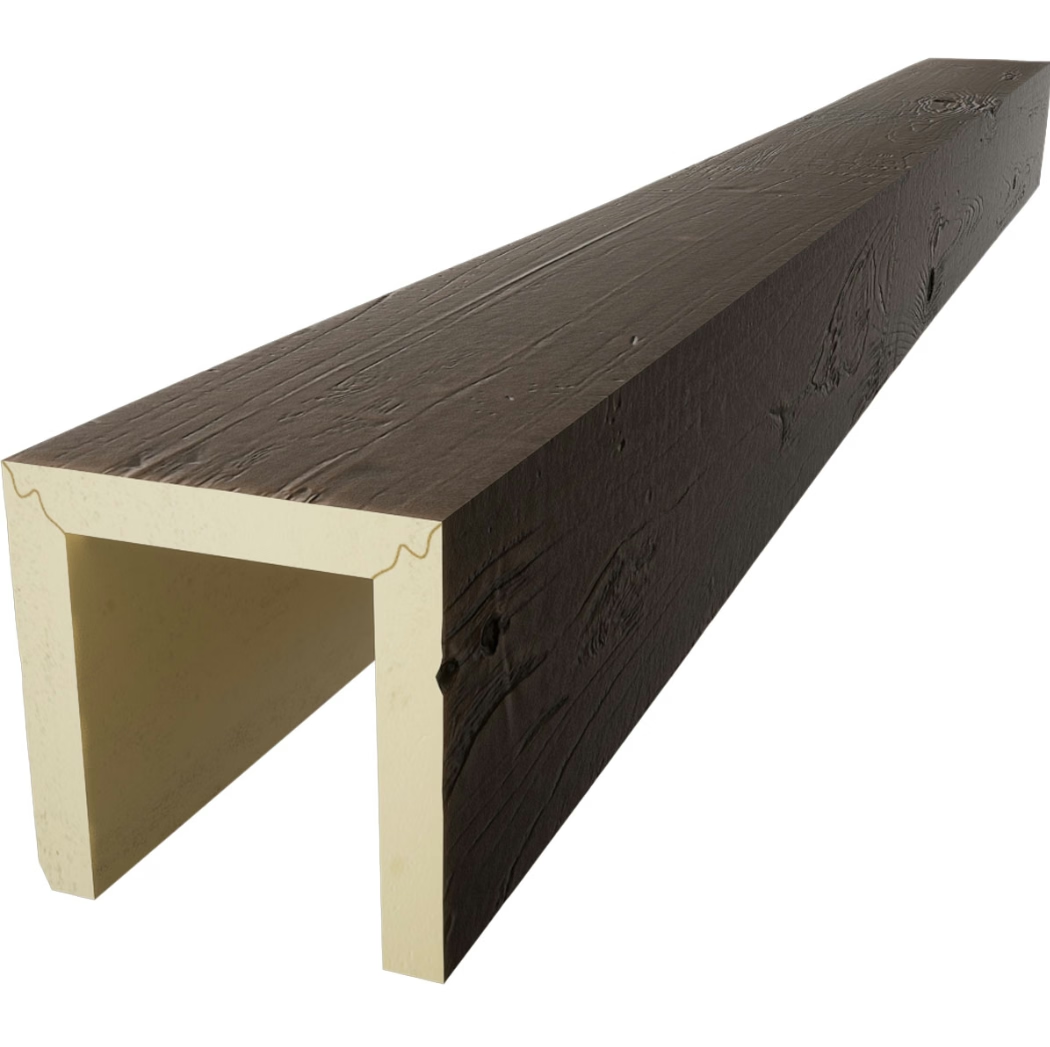
Profile variety enables specification for diverse aesthetic requirements. Manufacturers offer beams in various widths, depths, and cross-sectional profiles. This variety enables designers to select elements appropriate for specific scales and styles, from delicate farmhouse treatments to substantial rustic installations. Availability of matching components like corbels and braces enables complete design packages.
Design Applications and Configuration Options
Single-direction installations create clean, orderly appearances suitable for refined interiors. Parallel rafters establish consistent rhythm that organizes ceiling surfaces without aggressive visual intervention. Spacing between rafters determines overall density, with wider spacing creating subtler effects and closer spacing establishing richer texture.
Cross-beam configurations add geometric complexity through intersecting elements. This approach creates grid patterns that frame ceiling bays, organizing large surfaces into comprehensible units. The visual weight of cross-beams may overwhelm smaller spaces, but proves effective in generous rooms where substantial treatment serves design intentions.
Mixing rafter scales creates visual hierarchy within ceiling compositions. Larger primary beams establish dominant elements, while smaller secondary rafters add detail without competing for attention. This layered approach creates depth that single-scale installations cannot achieve, transforming ceiling surfaces into richly detailed architectural features.
Installation Best Practices
Surface preparation ensures successful faux rafter installation. Mounting surfaces should be clean, dry, and capable of supporting chosen attachment methods. Any existing finishes that might compromise adhesion should be removed before installation begins. Verification of structural capacity prevents problems that might emerge after installation.
Mounting hardware selection affects installation quality and longevity. Brackets, screws, and other fasteners should be appropriate for ceiling conditions and rafter dimensions. Corrosion-resistant materials ensure durability in challenging ceiling environments. Manufacturer guidelines provide appropriate starting points for hardware selection.
Proper spacing ensures adequate support throughout rafter lengths. Recommendations vary with beam dimensions and ceiling conditions, but typically range from 24 to 48 inches between attachment points. Adequate support prevents sagging that compromises appearance, particularly in longer spans where beam weight creates more significant load.
Long-Term Performance Considerations
Quality polyurethane faux rafters maintain appearance with minimal maintenance. The non-porous surface resists staining and soiling that affect natural wood in similar applications. Occasional dusting or cleaning with mild detergent maintains appearance without specialized treatment products or procedures.
Environmental stability ensures consistent performance despite conditions that would affect natural wood. Temperature fluctuations, humidity changes, and UV exposure cause minimal effect on quality polyurethane products. This stability ensures that installations maintain appearance and structural integrity regardless of environmental conditions.
Expected service life for quality faux rafter products typically exceeds decades with appropriate installation and reasonable maintenance. This longevity compares favorably with natural wood alternatives that may require replacement due to decay, insect damage, or appearance degradation. Investment in quality products ensures satisfactory long-term value.
Technical References
ASTM standards cited in every specification
Test Data
Lab results from internal testing program
Updated 2026
Reviewed against current product specs


