The technology behind foam core polyurethane decorative beams represents significant advancement in architectural materials. These products combine the lightweight benefits of foam with the durability and appearance quality of polyurethane, creating versatile solutions for ceiling enhancement that address practical constraints while delivering convincing aesthetics.
Understanding Foam Core Polyurethane Technology
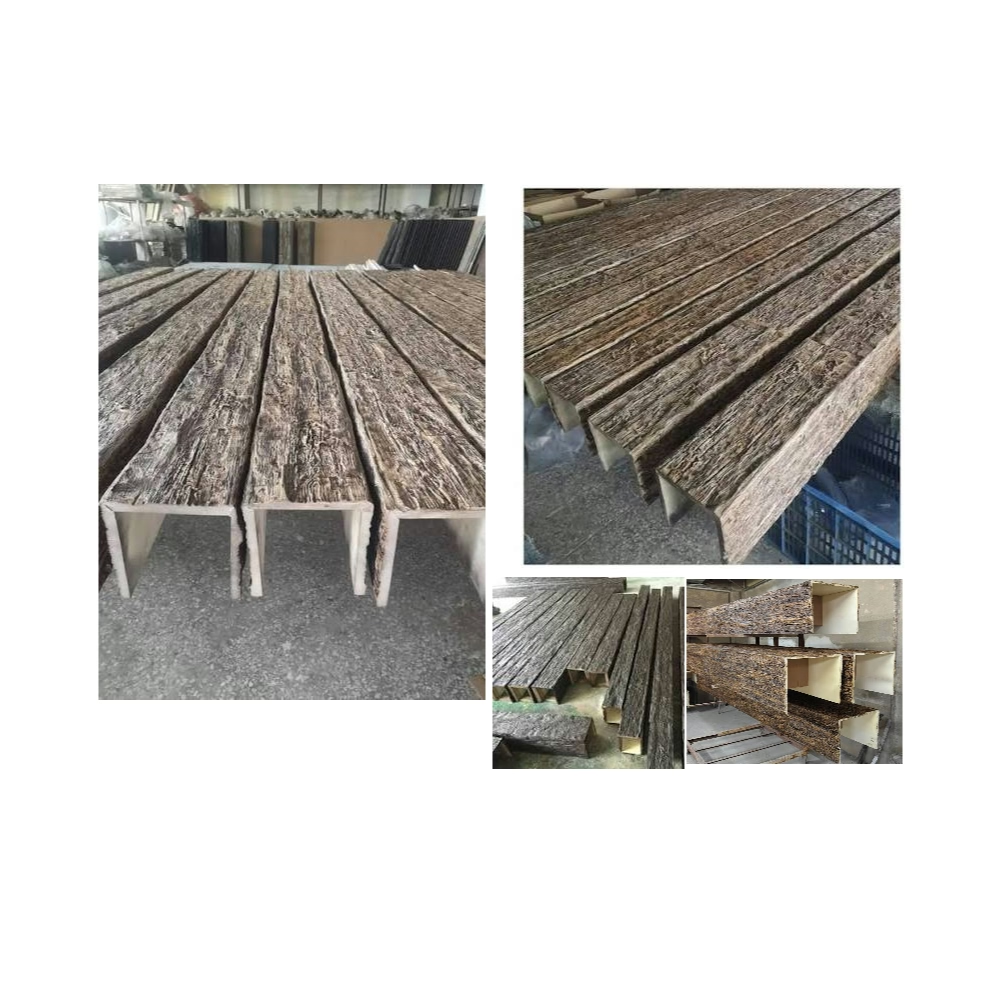
Foam core construction layers dense polyurethane skins over lightweight foam interiors. This composite approach optimizes performance by placing durable, paintable surfaces where they're visible while using lightweight foam for structural bulk. The combination achieves weight reductions that single-material construction cannot match.
The foam core provides consistent dimensional stability that natural materials cannot offer. Unlike wood with grain direction and associated expansion characteristics, foam behaves uniformly in all directions. This isotropic behavior prevents the warping, twisting, and checking that affect authentic timber over time.
Surface skins accept finishes with quality comparable to solid polyurethane. Stains penetrate consistently, creating authentic wood-grain appearances. Paints adhere without special primers or preparation. The ability to finish surfaces effectively ensures that foam core beams achieve appearances indistinguishable from solid alternatives.
Weight Advantages for Installation
The dramatic weight reduction of foam core beams simplifies every installation phase. Handling requires fewer workers, reducing labor costs and scheduling complexity. Positioning in elevated locations becomes safer and more manageable. Storage and transportation costs decrease correspondingly.
Ceiling structure requirements diminish with reduced beam weight. Authentic timber beams may require structural reinforcement that foam core alternatives do not need. This structural relief enables beam installation in buildings where timber aesthetics would be impractical or impossible.
Single-worker installation becomes feasible for beams that timber construction would require multiple handlers to position. This accessibility expands the range of projects where professional-quality beam installations are practical. DIY enthusiasts can accomplish installations that professional help would otherwise require.
Appearance Quality and Realism
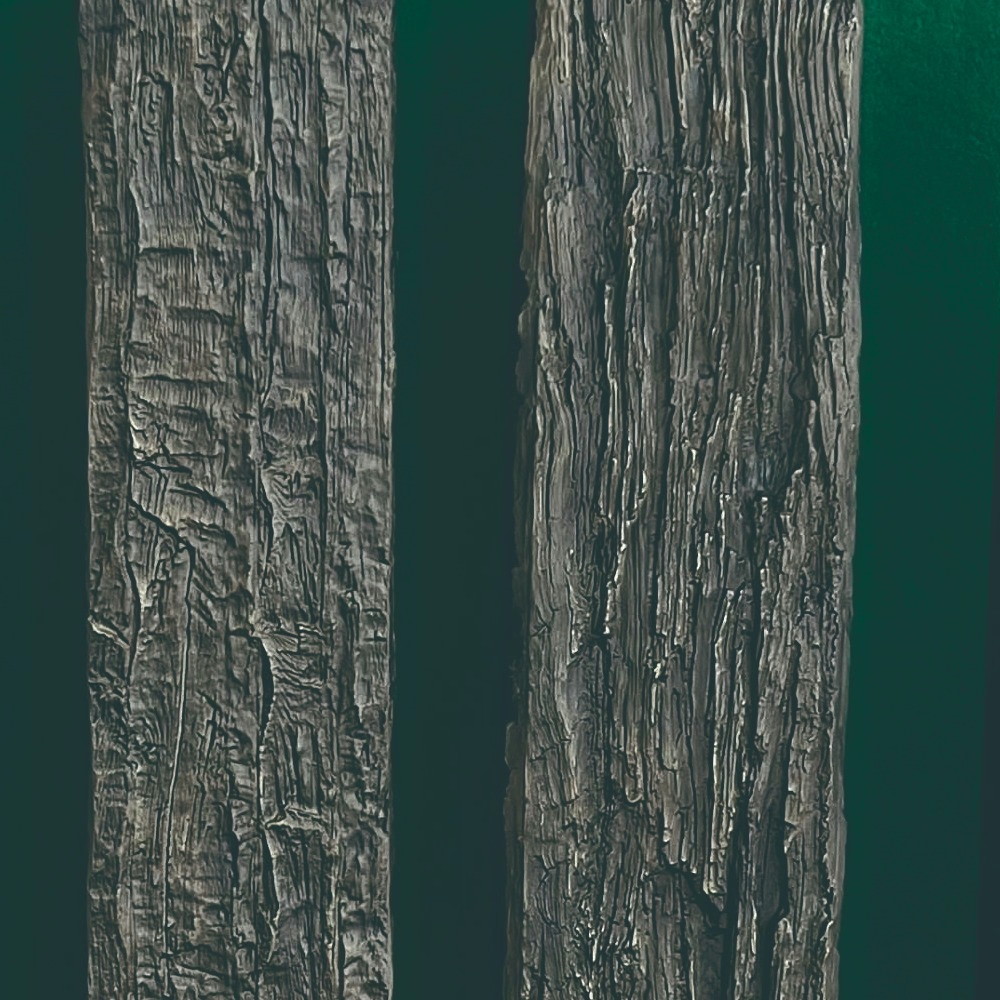
Modern foam core beams achieve appearance quality that satisfies demanding observers. Advanced molding processes capture authentic wood grain, knots, and color variations with remarkable fidelity. Surface textures replicate natural wood feel, not just visual appearance. Multiple finishing steps build depth that creates convincing authentic impressions.
Profile variety enables specification for diverse aesthetic requirements. Manufacturers offer beams in various widths, depths, and cross-sectional profiles. Traditional, contemporary, and rustic profiles all remain available. This variety enables designers to select elements appropriate for specific scales and styles.
Finish consistency distinguishes quality foam core products from inferior alternatives. Higher-quality products feature uniform coloration and texture throughout. Lower-quality alternatives may display visible seams, inconsistent coloring, or simplified profiles that compromise realism. Quality assessment through sample evaluation prevents disappointment.
Durability Considerations
Physical durability of quality foam core beams exceeds expectations for their lightweight nature. The dense outer skin provides impact resistance that protects underlying foam from damage. Moderate impacts that might dent or damage authentic timber often leave foam core beams unaffected.
Moisture resistance provides significant advantages over authentic timber. Foam core beams do not absorb water, preventing the swelling, warping, and decay that affect natural wood in humid conditions. This resistance enables installation in bathrooms, kitchens, and other moisture-prone areas where timber alternatives would be impractical.
Temperature stability ensures consistent performance across environmental conditions. Foam core beams resist expansion and contraction that cause timber to crack and separate. This stability maintains tight joints and secure mounting throughout temperature cycles that natural materials cannot withstand without maintenance intervention.
Applications and Installation
Residential living rooms and family rooms provide ideal contexts for foam core beam installation. The visual weight of beams creates intimacy in large, open spaces. Textural interest adds dimension that flat ceilings lack. The warmth of wood tones coordinates with virtually every residential furnishing style.
Commercial hospitality spaces benefit substantially from foam core beam aesthetics. Restaurant dining rooms, hotel lobbies, and bar areas gain warmth that industrial construction might otherwise lack. The durability and maintenance advantages of foam core materials prove particularly valuable in high-traffic commercial environments.
Basement finishing projects represent particularly suitable applications for foam core beams. Lower ceiling heights in basements often preclude heavy timber that would further reduce perceived space. Lightweight foam core beams add warmth without weight concerns, enabling ceiling enhancement that finished basements might otherwise lack.
Cost-Benefit Analysis
Material costs for foam core beams typically fall below solid polyurethane equivalents of comparable appearance quality. The foam core reduces raw material quantities, enabling cost structures that solid products cannot match. This pricing advantage makes foam core options attractive for budget-conscious projects.
Installation savings often exceed material cost differences. The lightweight nature of foam core beams reduces labor requirements substantially. Faster handling, simpler mounting, and easier positioning all contribute to reduced installation costs. These efficiencies frequently make foam core options economically superior despite similar per-unit pricing.
Long-term value favors quality foam core products despite potentially higher initial costs than budget alternatives. Better appearance retention, improved durability, and reduced maintenance all contribute to lifecycle value. Evaluating total cost of ownership reveals that quality products often prove more economical despite higher purchase prices.
Selection Guidelines
Density variations in foam core products affect performance significantly. Higher-density foam provides better impact resistance and mounting strength. Lower-density options may be more economical but less durable. Understanding these tradeoffs enables appropriate specification for specific applications.
Skin thickness and quality determine surface durability and appearance. Thicker, higher-quality skins resist damage better while accepting finishes more effectively. Products with inadequate skins may show compression or surface damage from normal handling. Quality assessment through sample examination helps identify appropriate products.
Manufacturer reputation provides useful quality indication. Established producers with demonstrated commitment to quality control typically deliver more consistent results than unknown suppliers. References, samples, and warranty terms all provide useful quality assessment information that supports informed purchasing decisions.
Technical References
ASTM standards cited in every specification
Test Data
Lab results from internal testing program
Updated 2026
Reviewed against current product specs


