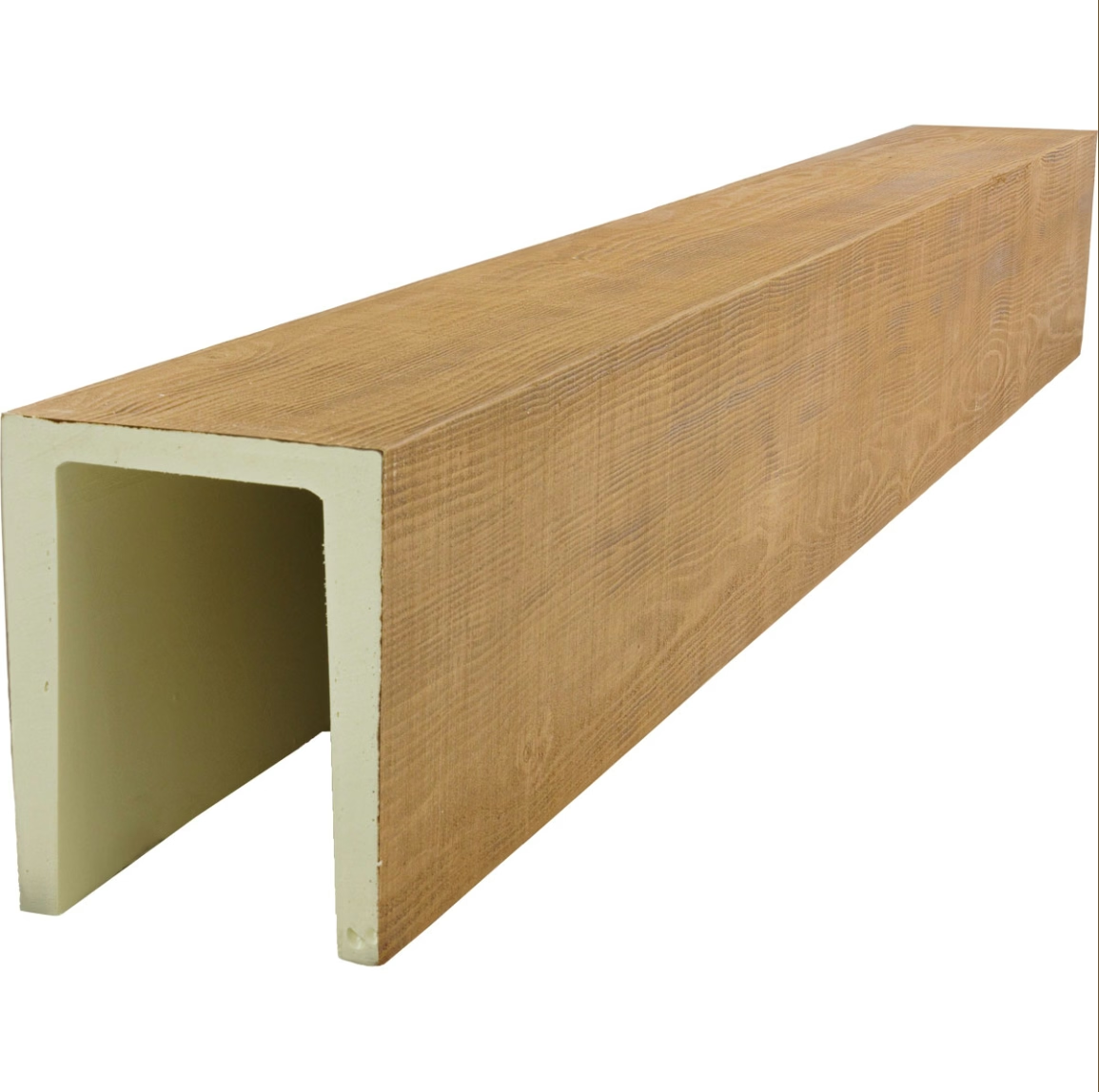
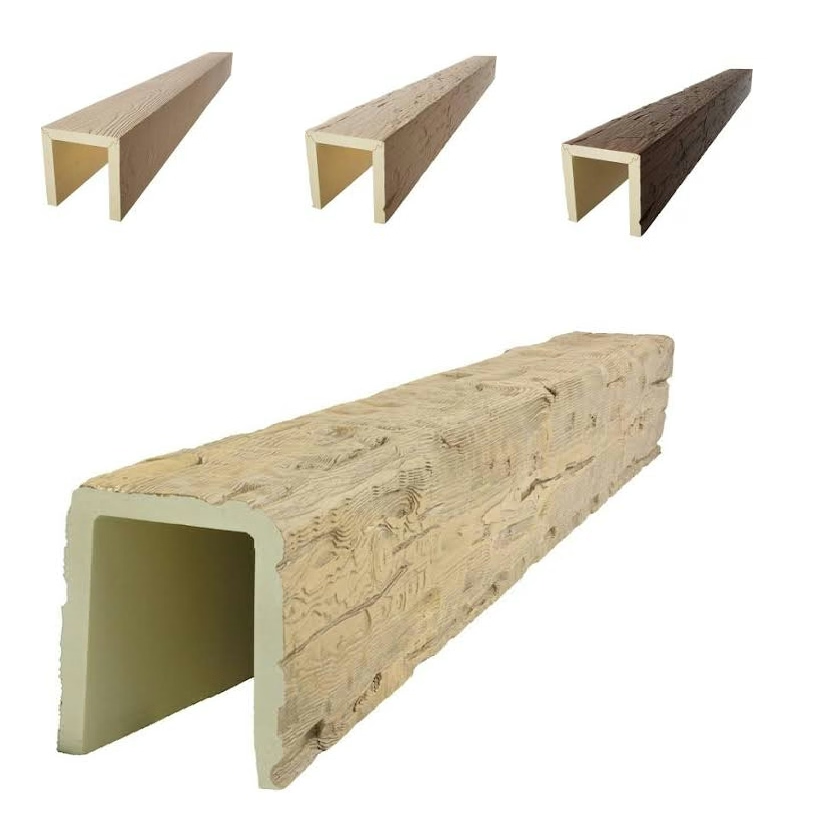
When homeowners and interior designers seek the warmth of natural wood without its inherent drawbacks, solid core polyurethane beams emerge as an elegant solution. Unlike hollow alternatives or natural timber, these beams provide genuine heft and structural presence that mimics authentic wood while offering superior performance characteristics.
Why Solid Core Construction Matters
The solid core difference becomes apparent the moment you handle these beams during installation. Unlike styrofoam or hollow plastic alternatives, solid polyurethane density creates a satisfying weight that suggests quality craftsmanship. This substantial feel resonates with customers in both residential and commercial settings who expect products that look and perform like real wood.
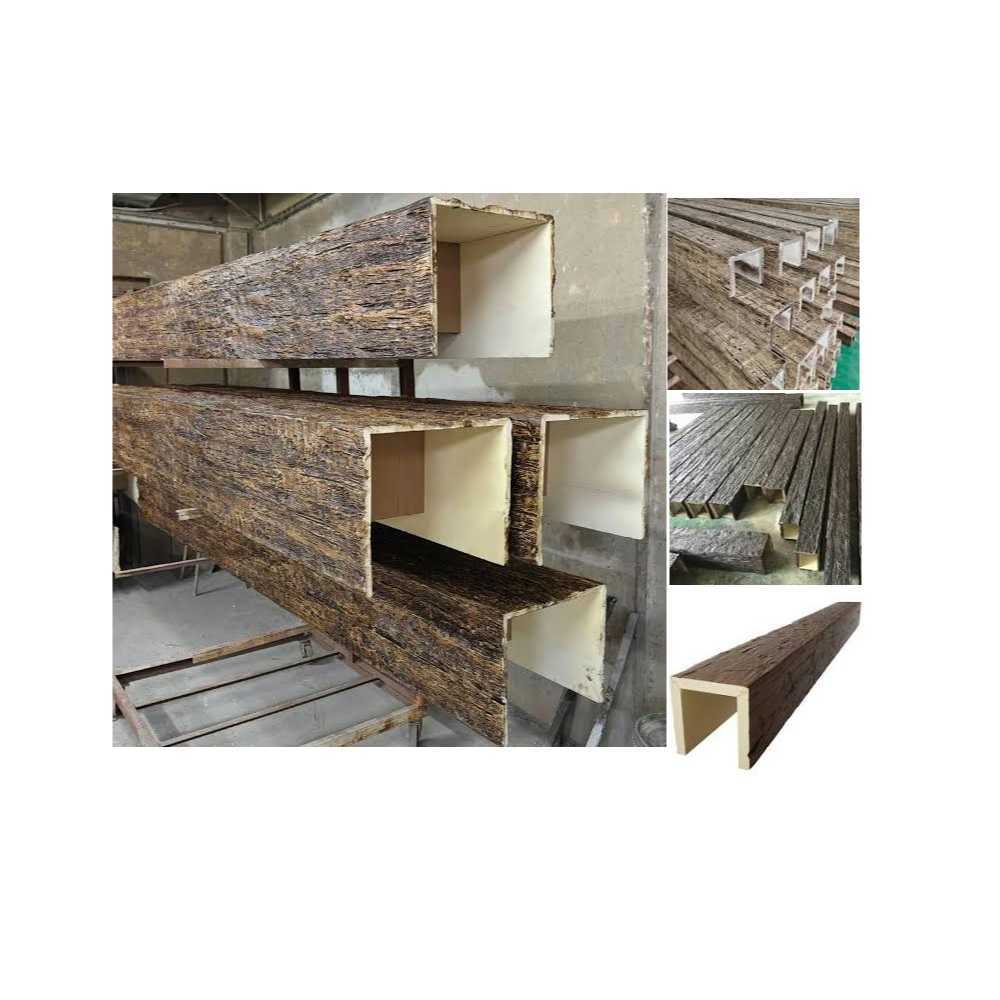
Manufacturers achieve this density through advanced injection molding processes that allow precise control over material composition. The resulting beams resist the dents, chips, and surface damage that plague lighter alternatives. In high-traffic commercial environments like restaurants and retail spaces, this durability translates to installations that maintain their appearance despite daily wear and tear.
Temperature fluctuations present another challenge where solid core construction proves advantageous. Natural wood expands and contracts with seasonal humidity changes, sometimes causing visible gaps or warping over years of use. Solid polyurethane maintains its dimensions consistently, ensuring that ceiling installations remain tight and properly aligned regardless of climate conditions.

Installation Advantages for Ceiling Projects
Contractors appreciate working with solid core polyurethane beams for several practical reasons. The material machines cleanly using standard woodworking tools, allowing precise cuts without specialized equipment. Field modifications that would require carpentry skills with natural timber become straightforward operations when working with polyurethane.
Adhesive bonding proves exceptionally strong with properly prepared surfaces. Construction adhesive applied to clean mounting surfaces creates joints that actually become stronger over time as the material cures. This characteristic proves valuable in ceiling applications where gravitational forces constantly test every connection point.
The weight of solid core beams, while substantial enough to feel authentic, remains manageable for typical installation scenarios. Two workers can safely position beams that would require mechanical lifting equipment if constructed from natural wood of equivalent size. This weight advantage reduces labor costs and installation time without sacrificing the visual impact that makes these beams desirable.
Design Applications Across Interior Styles
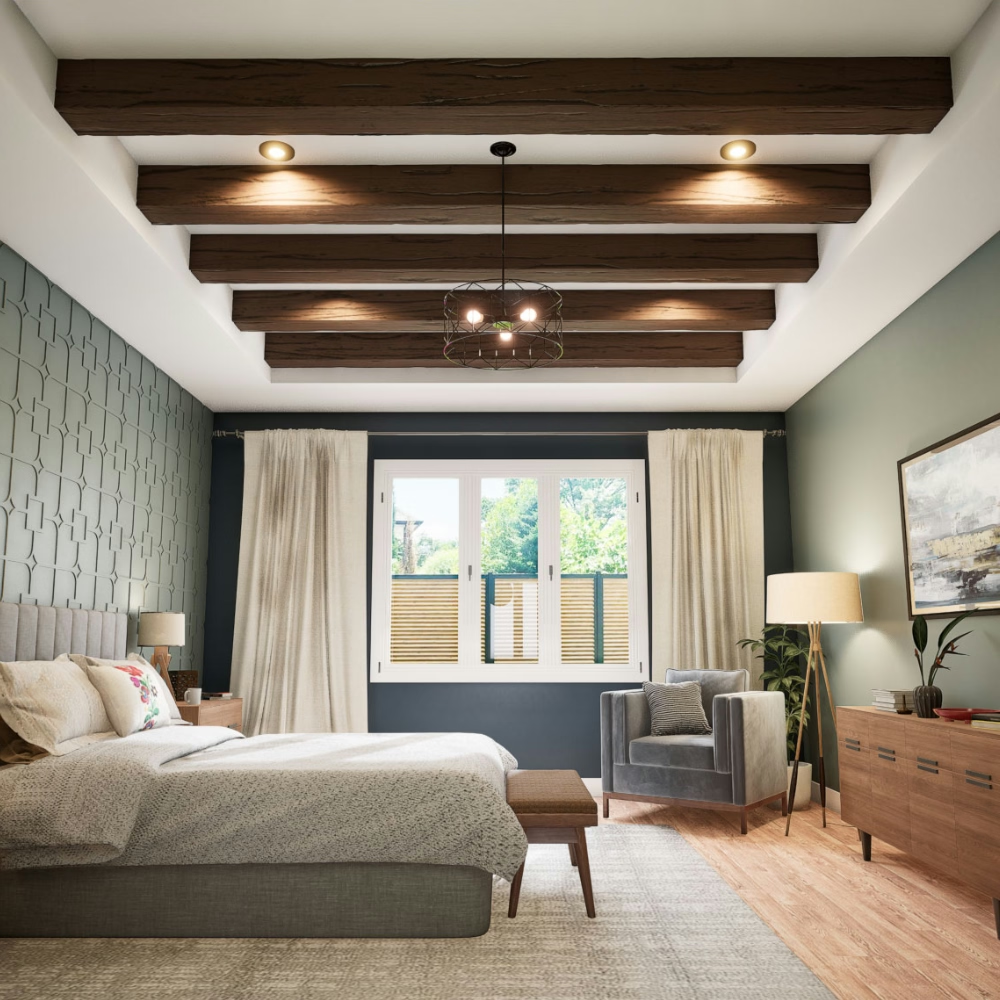
Contemporary minimalist interiors benefit from the clean lines and consistent appearance that solid core polyurethane delivers. Designers specify these beams to create dramatic ceiling treatments in spaces where natural wood grain variation might clash with the intentional uniformity of modern aesthetics. The material accepts paint uniformly, allowing custom color matching that harmonizes with any design palette.
Rustic and farmhouse styles achieve convincing authenticity through careful attention to detail in manufacturing. Modern polyurethane technology produces remarkably realistic wood grain textures that capture the character of weathered barn timber or century-old ceiling beams. When painted in natural wood tones or barn-inspired colors, these beams fool even experienced woodworkers at casual observation.
Commercial hospitality spaces leverage the material's performance advantages extensively. Hotel lobbies, restaurant dining rooms, and bar ceilings benefit from beams that resist moisture, cleaning chemicals, and the accidental impacts common in public spaces. The initial investment in quality polyurethane beams pays dividends through years of maintenance-free service.

Long-Term Value Proposition
Building project managers evaluating material costs consider lifecycle expenses rather than purchase price alone. Solid core polyurethane beams require no ongoing maintenance beyond occasional dusting or cleaning. Natural wood alternatives demand periodic refinishing, pest treatment, and moisture protection that accumulate substantial costs over building lifespans.
The environmental profile of polyurethane beams deserves consideration in sustainability-focused projects. While natural wood represents a renewable resource, the transportation weight and specialized harvesting practices affect overall environmental impact. Polyurethane beams shipped from efficient manufacturing facilities often achieve lower transportation-related emissions per installation than locally sourced timber of equivalent volume.
Warranty coverage from reputable manufacturers typically extends five years or longer, reflecting confidence in long-term performance. This warranty protection provides peace of mind for property owners and managers who need predictable building maintenance budgets.
Selecting Quality Products
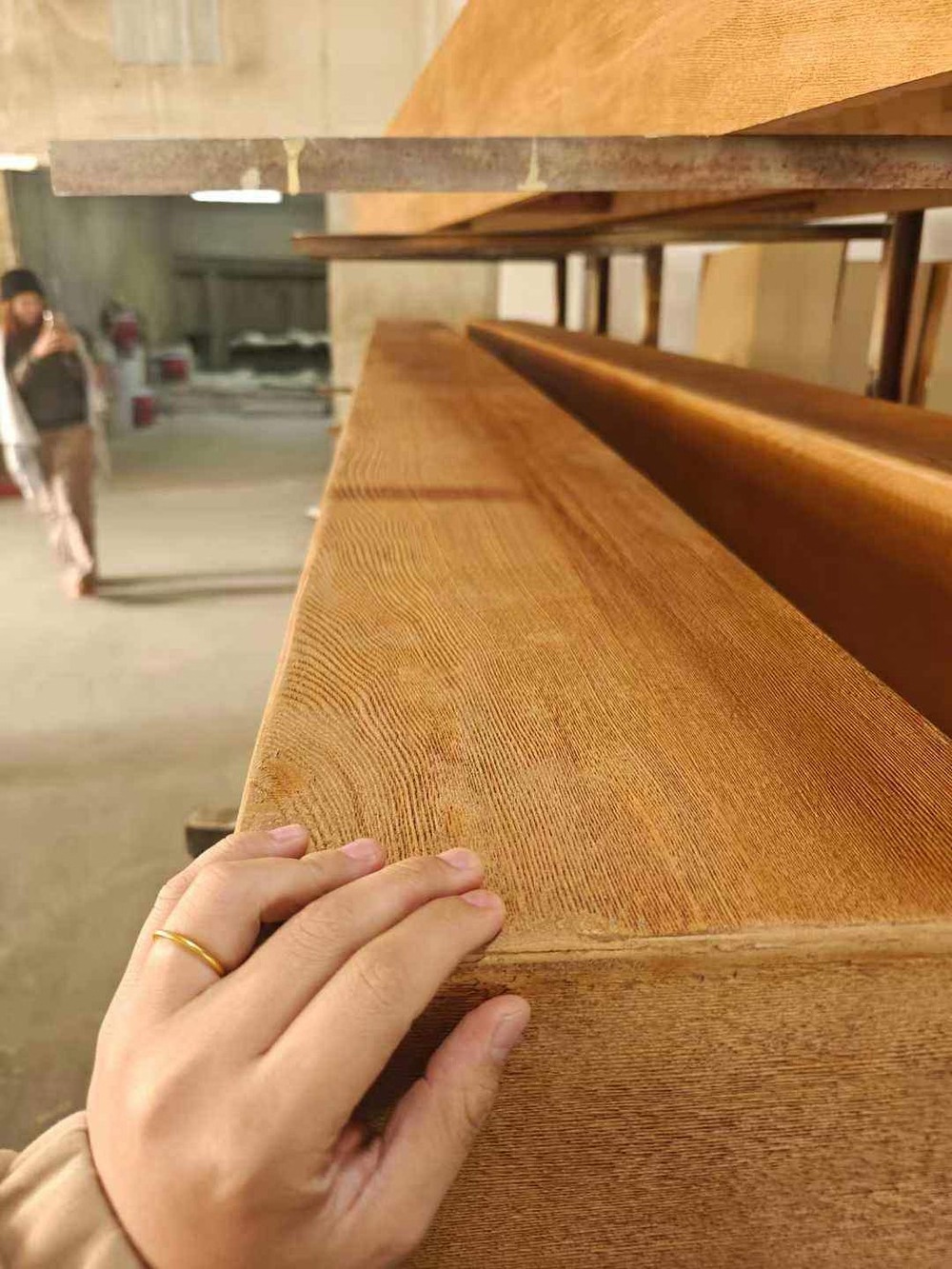
Distinguishing genuine solid core polyurethane from inferior alternatives requires attention to several indicators. Density becomes apparent through physical inspection and handling. Pressing firmly with a thumbnail should produce minimal indentation, while hollow or low-density alternatives compress easily.
Surface texture quality varies significantly between manufacturers. Premium products feature fine detail reproduction that captures authentic wood characteristics including subtle grain patterns, natural edge irregularities, and appropriate color gradation. Products with overly smooth surfaces or repetitive patterns often indicate manufacturing shortcuts.
Connection hardware and mounting systems deserve scrutiny during product selection. Quality beams include properly engineered mounting brackets, adhesive recommendations, and detailed installation instructions. Products lacking this support infrastructure may indicate manufacturers more focused on sales than customer success.
Solid core polyurethane decorative beams represent a mature product category where quality variations significantly impact long-term satisfaction. Careful product selection ensures ceiling installations that provide lasting beauty and performance without the limitations of natural materials.
Technical References
ASTM standards cited in every specification
Test Data
Lab results from internal testing program
Updated 2026
Reviewed against current product specs