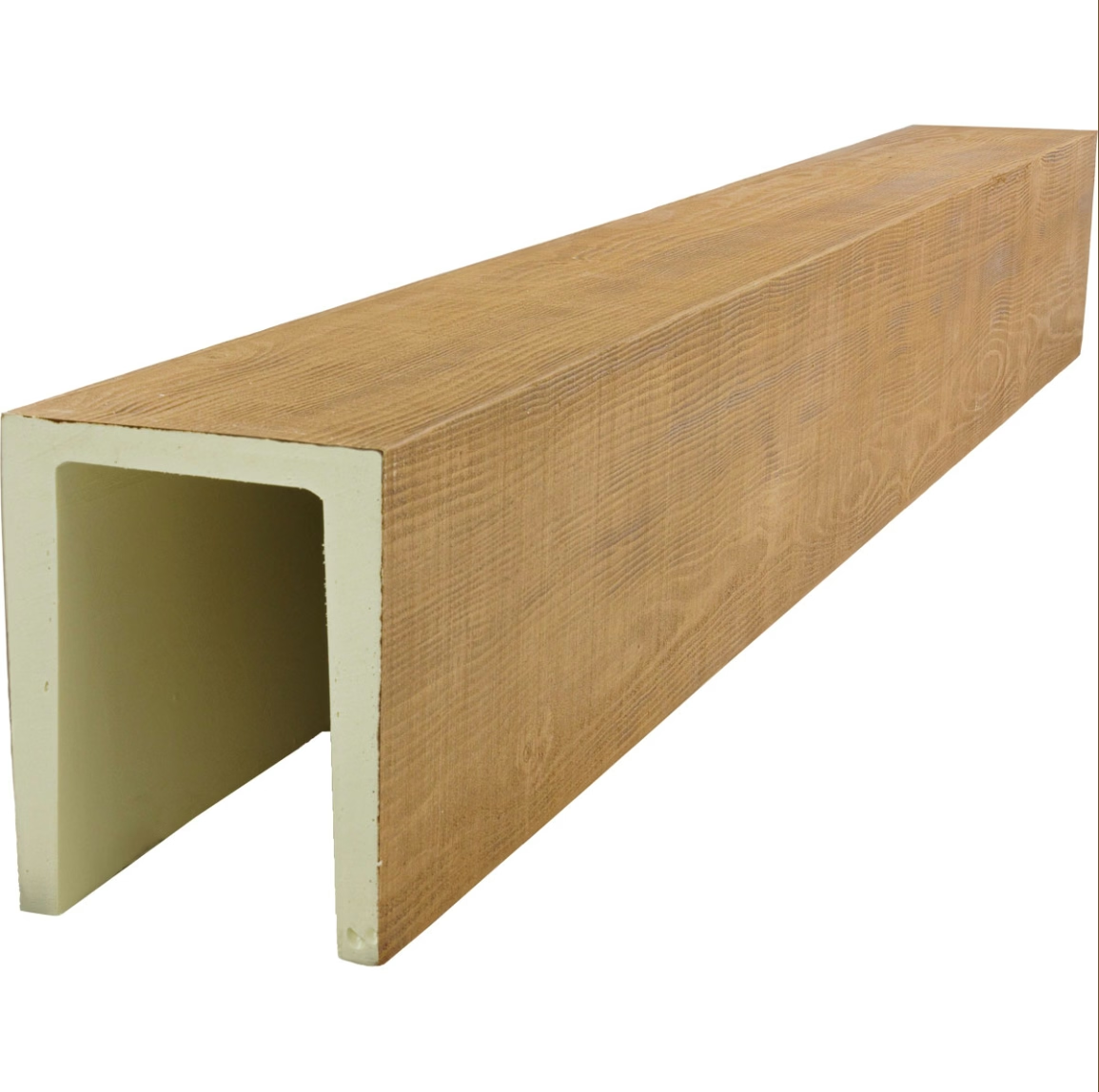
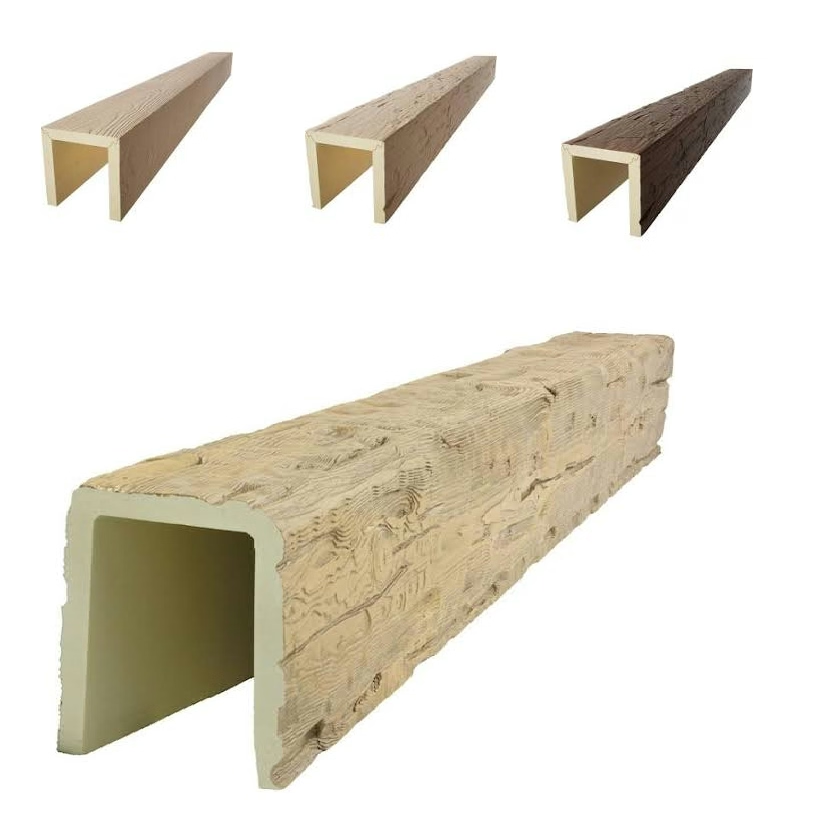
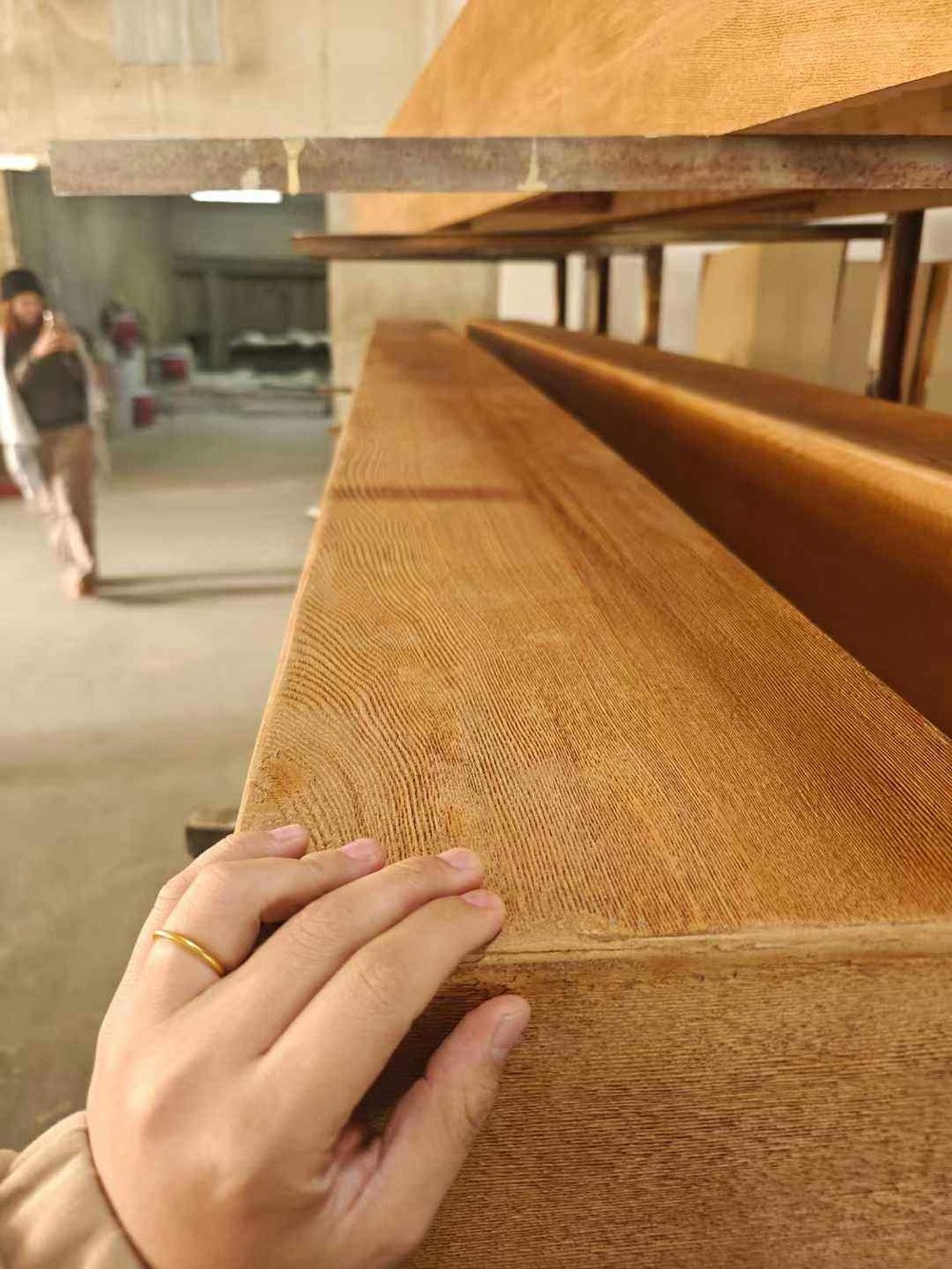
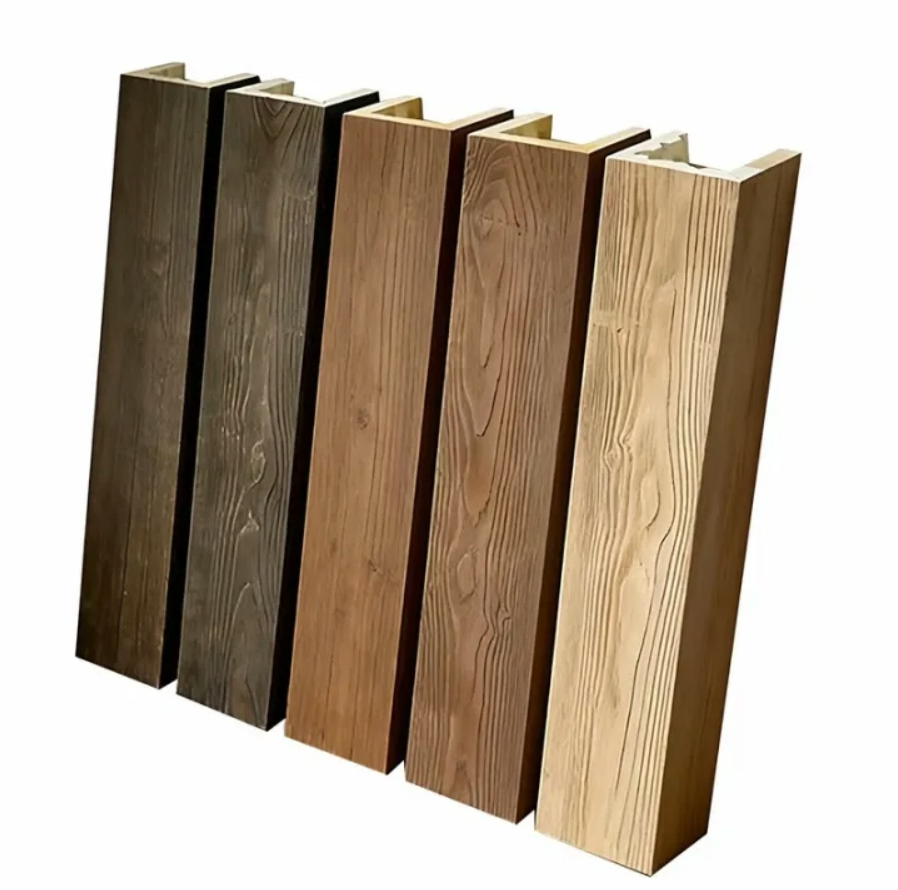
The search for ceiling materials that combine aesthetic appeal with practical durability often leads buyers to high-density foam faux beams. These polyurethane products have established themselves as serious contenders against natural wood and composite alternatives, particularly in applications where performance under stress matters as much as visual impact.
Understanding High-Density Foam Technology
The term "foam" sometimes carries connotations of fragile packaging materials or cheap craft supplies. Modern high-density architectural foam bears little resemblance to these stereotypes. Through controlled chemical processes and material science advances, manufacturers produce foam structures with consistent cell geometry and remarkable structural properties.
Density measurements provide the first indicator of quality. Architectural-grade foam typically starts around 6-8 pounds per cubic foot, substantially heavier than craft foams. Premium products push toward 12-15 pounds per cubic foot, approaching the density of some natural wood species. This mass contributes to the authentic feel that distinguishes quality installations.
The foam matrix itself resists moisture absorption, addressing a common concern with wood-based alternatives. Water damage causes natural wood to warp, split, or develop mold issues over time. High-density foam maintains its dimensions and surface integrity regardless of humidity exposure, making these beams suitable for bathroom ceilings, pool house installations, and exterior covered areas.

Performance Characteristics That Matter
Impact resistance proves critical in ceilings located above activity areas. Accidental contact from moved furniture, dropped objects, or enthusiastic children creates damage points in many ceiling materials. High-density foam absorbs impact energy without cracking, chipping, or showing surface marks. This resilience proves especially valuable in family homes and commercial recreation spaces.
Thermal stability ensures consistent appearance across climate conditions. Unlike natural wood that expands and contracts with temperature cycles, foam maintains its dimensions and surface alignment. Joint separations that plague natural wood ceiling beams rarely occur with properly installed foam alternatives. This dimensional stability also simplifies painting and finishing, as coatings remain crack-free through temperature fluctuations.
Fire resistance ratings distinguish quality architectural foam from commodity products. Reputable manufacturers subject their beams to rigorous testing, achieving flame spread and smoke development ratings suitable for building code compliance. These ratings typically appear in product documentation and affect where beams may legally be installed.
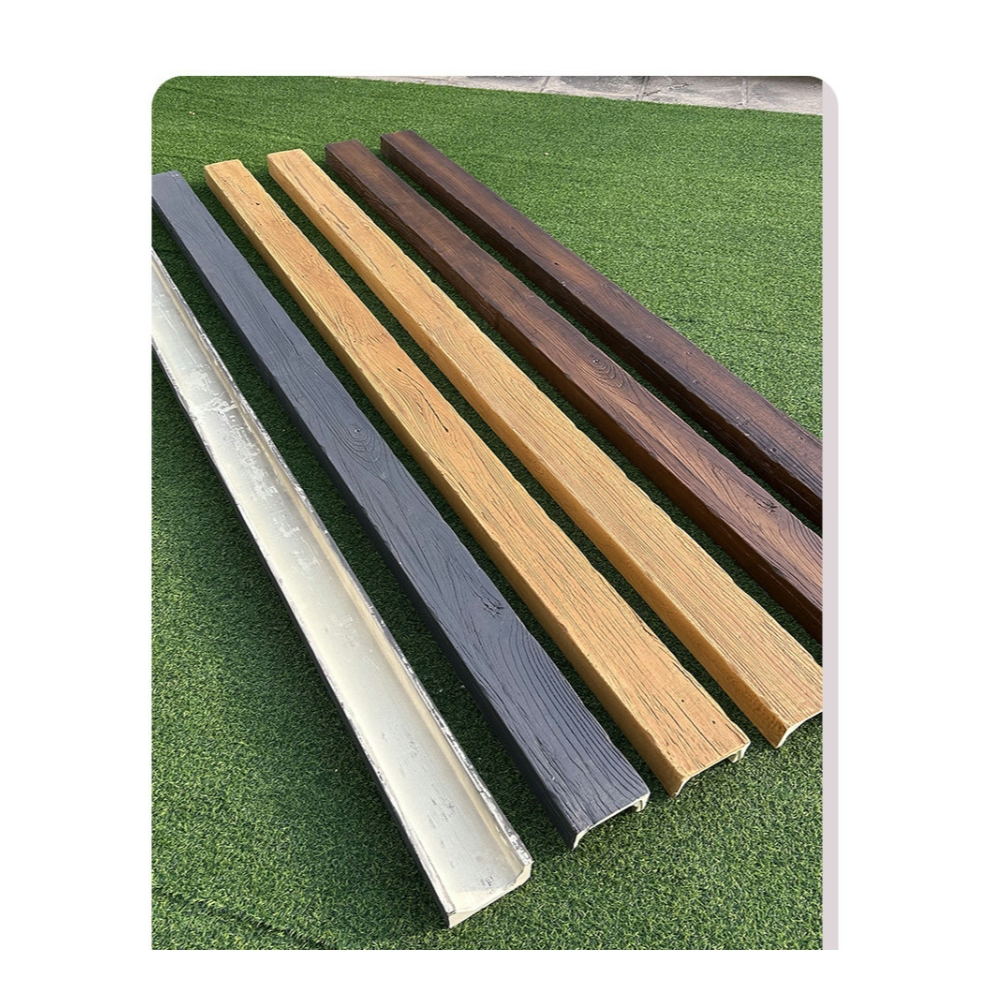
Installation Practices for Success
Successful foam beam installation relies on appropriate adhesive selection and surface preparation. Construction-grade adhesives designed specifically for polyurethane materials create bonds that strengthen over time. Standard wood glues and general-purpose construction adhesives may not achieve optimal results with foam substrates.
Surface preparation involves cleaning mounting locations and ensuring adequate structural support for beam weight. While foam weighs substantially less than equivalent wood sections, ceiling installations still require proper blocking and secure fastening. Professional installers often use a combination of adhesive bonding and mechanical fastening for redundant security.
Cutting foam beams requires appropriate tools and techniques. Fine-toothed saws minimize surface roughening during cuts, whilerouter bits create clean profiles for mitered corners and decorative detailing. Sanding blocks smooth any surface irregularities, though quality products arrive with factory-finished surfaces requiring minimal refinement.

Comparing Alternatives Honestly
Natural wood offers authenticity that manufactured products cannot perfectly replicate. For period-accurate restorations or projects where material provenance matters, genuine timber remains the appropriate choice despite its limitations. High-density foam works best when aesthetic goals prioritize wood appearance rather than material authenticity.
Hollow polyurethane beams provide cost advantages for projects with budget constraints. The reduced material volume lowers product costs, though durability and impact resistance suffer proportionally. Applications where beams face minimal physical contact may justify this trade-off, while high-traffic areas demand solid construction.
Composite wood products like medium-density fiberboard offer another alternative path. These materials machine easily and accept finishes well, but moisture sensitivity limits their applications. High-density foam outperforms these alternatives in humid environments while matching their paintability and workability.
Economic Considerations Across Project Types
Initial product costs for quality foam beams typically fall between budget alternatives and natural wood. This middle positioning attracts projects seeking reasonable quality without premium pricing. The total installed cost often favors foam when considering reduced labor requirements and eliminated finishing expenses.
Maintenance costs over beam lifespans heavily favor high-density foam. Natural wood demands periodic refinishing, cleaning, and repair that accumulate substantial expense. Foam beams require only occasional dusting or cleaning, with no refinishing requirements under normal conditions.
Replacement considerations affect commercial project economics particularly. Businesses that remodel regularly benefit from foam beams that adapt easily to changing design directions. The relatively low replacement cost compared to custom woodwork makes foam an attractive option for establishments that update interiors frequently.
High-density foam faux beams have earned their place in the architectural materials landscape through demonstrated performance and consistent quality. For ceiling projects prioritizing durability, maintenance simplicity, and authentic appearance, these products deserve serious consideration.
Technical References
ASTM standards cited in every specification
Test Data
Lab results from internal testing program
Updated 2026
Reviewed against current product specs