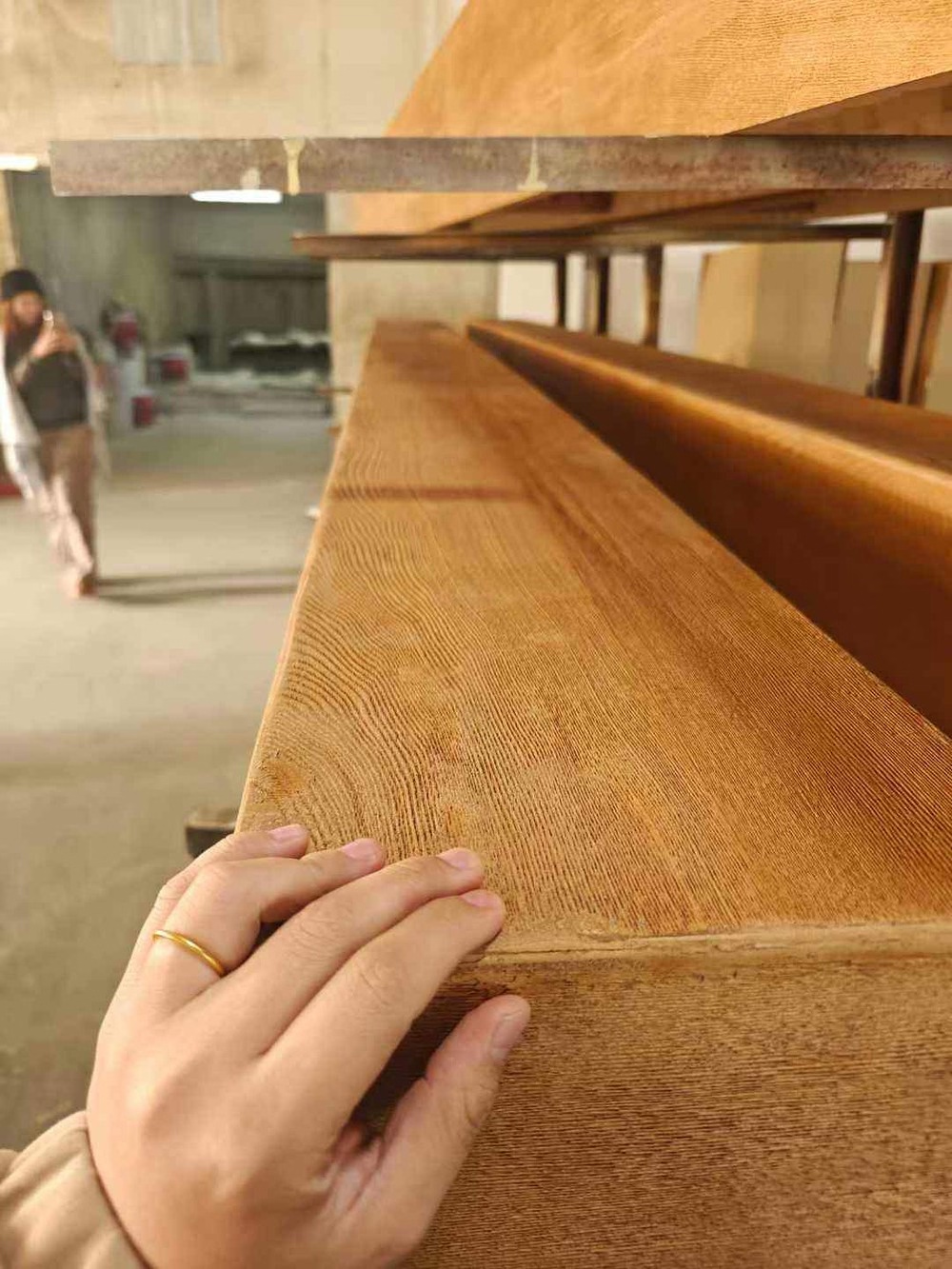
Shopping for faux wood beams reveals a confusing spectrum of products ranging from remarkably realistic premium options to disappointingly cheap imitations. The polyurethane versus styrofoam distinction represents perhaps the most critical quality boundary, yet one that remains unclear to many buyers unfamiliar with architectural materials.
The Fundamental Material Difference
Styrofoam, technically expanded polystyrene, begins as small beads that expand when exposed to steam and fuse together under pressure. This manufacturing process creates a material with visible bead structure and relatively low density. While appropriate for packaging and insulation applications, styrofoam lacks the characteristics needed for architectural beam installations.
Premium polyurethane starts as liquid components that react chemically to form a solid, dense matrix. This process allows manufacturers to control density throughout the material, achieving consistent properties without the internal voids common in expanded products. The resulting beams feel substantial in hand and resist the surface damage that plagues lighter alternatives.
The density difference translates directly to performance. Press a thumbnail firmly into a styrofoam beam and the surface yields noticeably. Apply the same pressure to quality polyurethane and the surface resists indentation. This simple test reveals fundamental quality differences that affect long-term appearance retention.

Surface Detail Reproduction
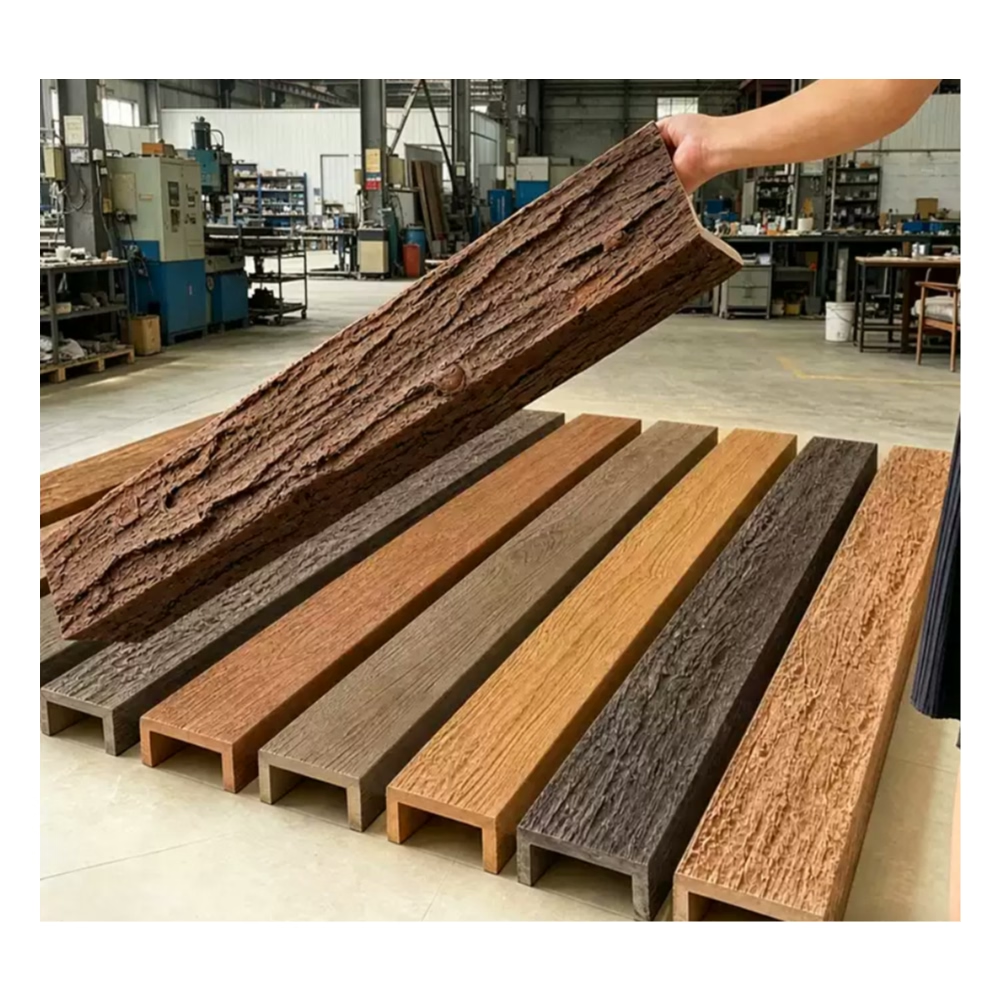
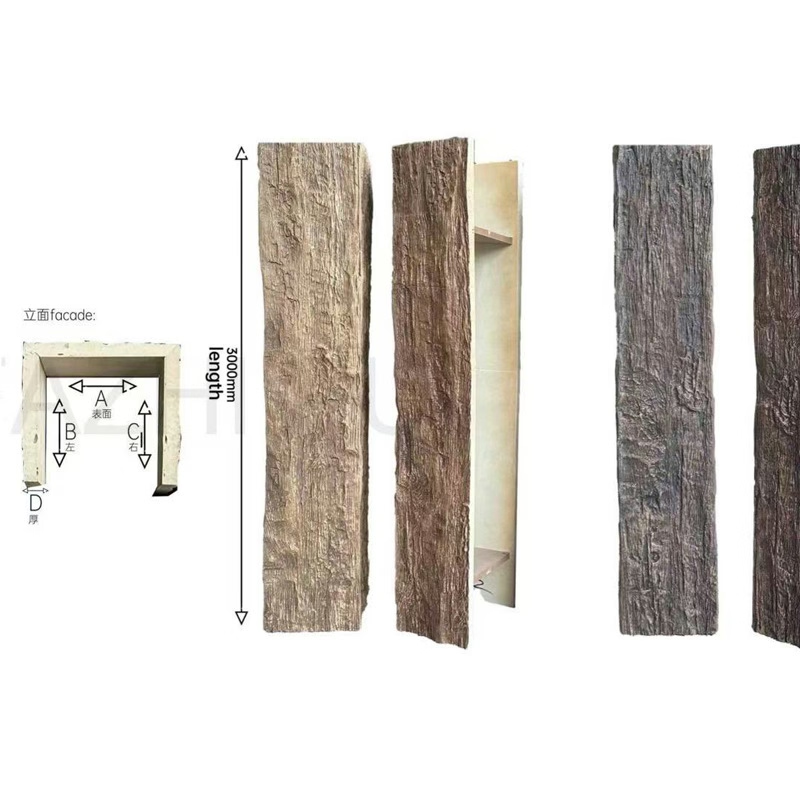
Premium polyurethane technology captures fine wood grain details that styrofoam cannot reproduce. Advanced manufacturing techniques create textured surfaces featuring authentic knot patterns, natural edge variations, and subtle color gradations that mimic real wood species. These details emerge from sophisticated tooling and quality control processes that add manufacturing cost but substantially improve visual results.
Styrofoam products typically show uniform, repetitive patterns when textured at all. The bead structure becomes visible under painting or finishing, creating an artificial appearance that distinguishes these products upon close inspection. For projects where quality matters, these surface deficiencies prove disappointing.
Edge detail presents another contrast area. Premium beams feature carefully formed edges that replicate saw-cut or hand-hewn profiles. The crisp details remain intact through shipping, handling, and installation. Styrofoam edges chip and break easily, leaving unfinished appearances that require extensive repair or replacement.
Moisture and Environmental Resistance
Premium polyurethane resists moisture absorption completely. Water contact that would damage natural wood or composite materials beads on polyurethane surfaces without penetration. This characteristic proves essential for bathroom installations, kitchen ceilings, basement spaces, and any location with humidity fluctuations.
Styrofoam absorbs moisture readily through its open cell structure. Water infiltration weakens the material internally, promotes mold growth, and eventually causes structural failure. Even sealed and painted styrofoam products remain vulnerable to moisture that penetrates through joints, cuts, or surface damage.
Temperature extremes affect these materials differently as well. Premium polyurethane maintains its properties across typical environmental temperature ranges without brittleness or softening. Styrofoam becomes increasingly fragile at low temperatures and may deform at elevated temperatures, creating concerns for exterior applications or climate-controlled spaces with significant temperature swings.

Installation Experience Differences
Handling quality polyurethane beams feels like working with genuine wood products. The weight suggests substance and quality that customers appreciate. Installers can cut, drill, and machine these beams using standard woodworking tools without specialized equipment or techniques.
Styrofoam requires different handling approaches that complicate installation. The material dulls cutting tools rapidly, requires careful support to prevent breaking, and accepts fasteners poorly. Adhesive bonds prove inconsistent, and surface preparation demands more attention to achieve acceptable results.
Professional contractors consistently report preference for premium polyurethane products based on installation experience. The predictable behavior and consistent quality reduce installation time and callbacks for repairs. These practical advantages affect project economics substantially.
Understanding Price Differences
Price comparisons between premium polyurethane and styrofoam products reveal significant gaps. Styrofoam beams attract buyers focused on initial cost, while premium alternatives command higher prices based on quality and performance. Understanding what those price differences purchase helps buyers evaluate their priorities.
For permanent installations where appearance and durability matter, premium polyurethane delivers superior value despite higher initial costs. The extended service life, reduced maintenance requirements, and maintained appearance justify investment for most residential and commercial applications.
Temporary installations or projects with extremely limited budgets might justify styrofoam alternatives. However, the eventual replacement costs and maintenance demands often exceed initial savings for projects with any longevity expectations.
Making Informed Purchasing Decisions
Product specifications reveal quality differences for attentive buyers. Density values, weight tolerances, and fire ratings provide objective comparison criteria. Reputable manufacturers publish detailed specifications while inferior products hide behind vague marketing language.
Warranty coverage reflects manufacturer confidence in their products. Premium polyurethane typically carries multi-year warranties against defects and performance issues. Limited or absent warranty coverage signals products unlikely to perform adequately over time.
Customer reviews and project galleries demonstrate real-world results that specifications cannot capture. Seeing how products appear in completed installations helps set appropriate expectations and identifies potential concerns before purchase.
Premium polyurethane beams represent a meaningful investment in project quality. For ceiling installations intended to enhance spaces for years or decades, the superior performance and appearance of quality polyurethane consistently proves worthwhile.
Technical References
ASTM standards cited in every specification
Test Data
Lab results from internal testing program
Updated 2026
Reviewed against current product specs