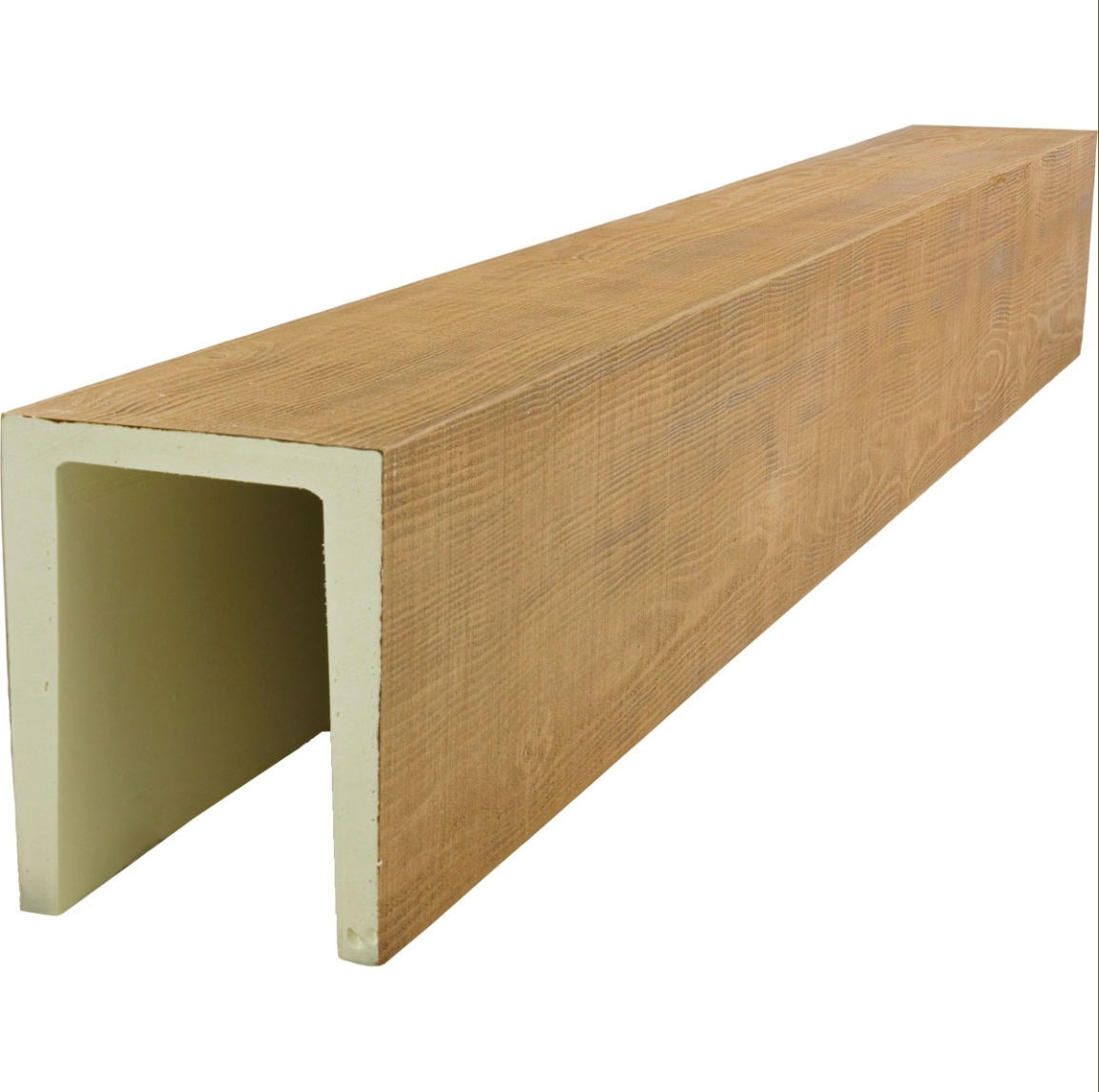
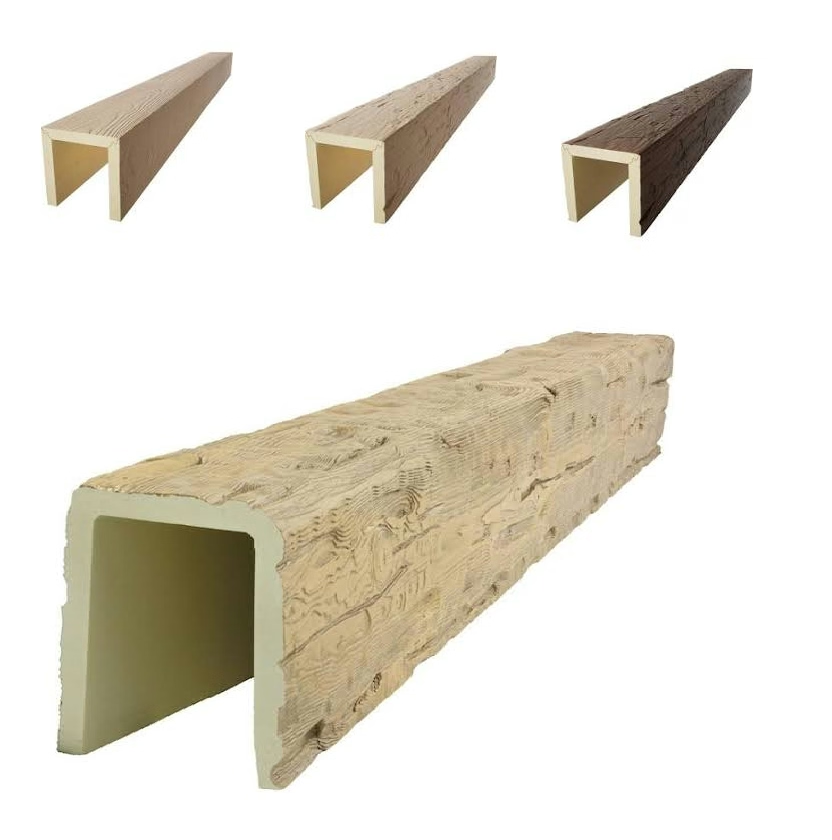
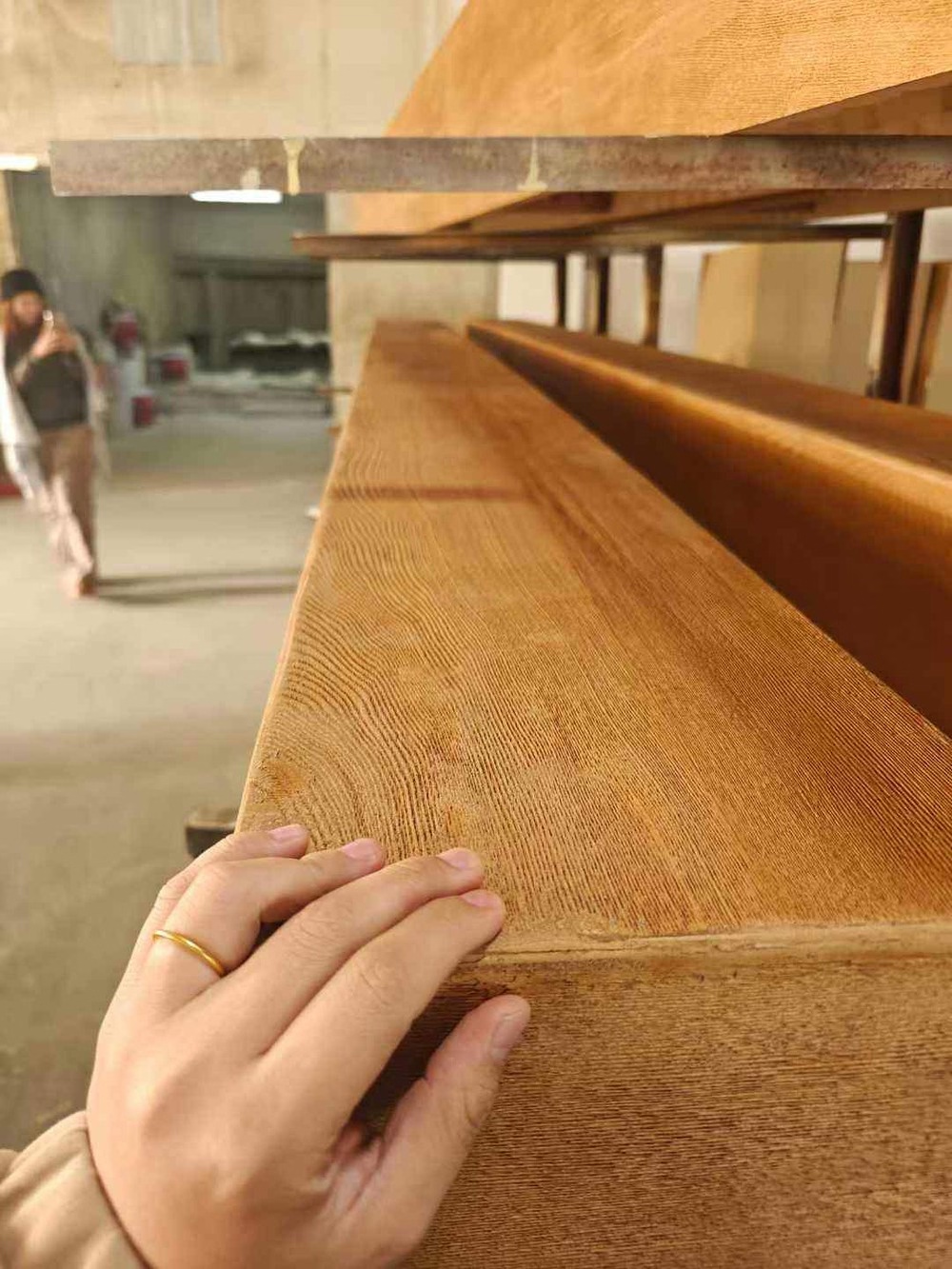
The appeal of wood ceiling beams in interior design remains undiminished despite centuries of architectural fashion changes. Warm, natural, and visually interesting, wood textures create atmospheres that synthetic materials struggle to match. Yet the maintenance requirements of genuine timber create practical barriers for many property owners. Pure polyurethane faux wood beams resolve this tension by delivering wood aesthetics without maintenance obligations.
The Maintenance Reality of Natural Wood
Natural wood ceiling beams demand ongoing attention to maintain their appearance. Humidity fluctuations cause seasonal movement that may create visible gaps, squeaks, or alignment shifts. UV exposure fades exposed surfaces, requiring periodic refinishing to restore original color. Insect activity, particularly from wood-boring beetles, threatens structural integrity in untreated installations.
Beyond these specific concerns, natural wood collects dust in grain patterns and absorbs cooking grease or smoke in kitchen installations. Cleaning requires appropriate techniques to avoid damaging finishes or saturating the wood itself. Professional cleaning services command premium rates for delicate wood ceiling treatments.
Commercial properties face amplified maintenance challenges. Restaurant ceiling beams absorb cooking odors and grease particulates continuously. Hotel lobbies contend with high traffic and frequent cleaning. Retail spaces experience accelerated wear from HVAC airflow and customer activity. In these demanding environments, wood maintenance becomes a significant operational expense.

How Polyurethane Eliminates Maintenance Concerns
Pure polyurethane creates an impervious surface that neither absorbs contaminants nor supports biological growth. Dust settles on beam surfaces but does not accumulate in grain patterns. Grease and cooking residue wipe away with standard cleaning solutions without affecting the underlying material. This cleanability proves invaluable in kitchen applications where natural wood struggles.
Insects simply do not interest themselves in polyurethane. Termites, beetles, and other wood-boring creatures require cellulose to consume, and polyurethane offers nothing nutritional. Properties in areas with high insect pressure benefit particularly from this resistance, eliminating treatment costs and monitoring requirements.
UV stability in quality polyurethane products prevents the fading that plagues natural wood finishes. Premium manufacturers formulate their materials with UV inhibitors that maintain color consistency despite years of sun exposure. This stability preserves the original appearance without periodic refinishing or protective coatings.
Weathering and Aging Characteristics
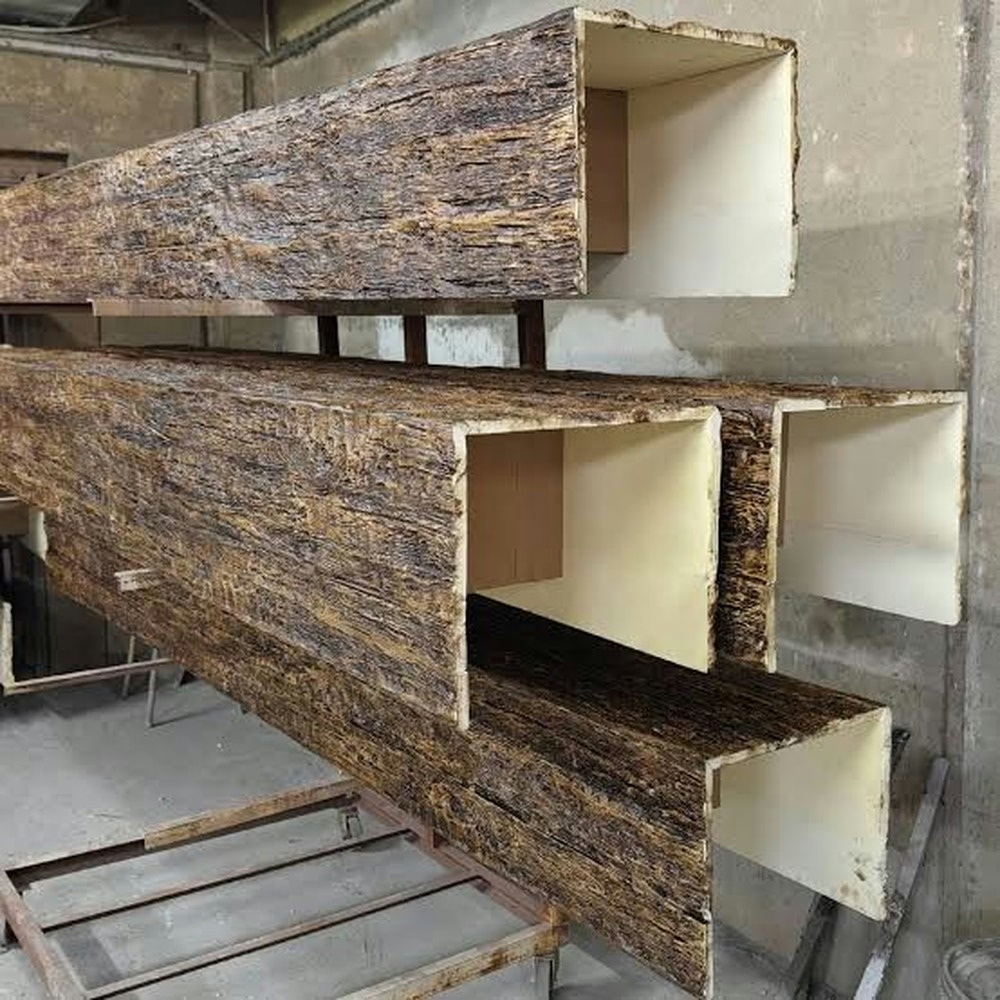
Natural wood ages with character that some designers appreciate and others find problematic. Weathering creates unique appearances that evolve over time, potentially developing patina or distress that reads as authentic charm. Alternatively, weathering may create uneven discoloration, surface checking, or structural degradation that diminishes rather than enhances appearance.
Polyurethane maintains consistent appearance indefinitely under normal conditions. The material neither ages nor degrades in ways that affect its visual characteristics. Installations look as fresh after years of service as they did upon completion, providing predictable long-term aesthetics that natural materials cannot guarantee.
Color matching becomes simpler with non-aging materials. When repairs or additions require matching existing beams, polyurethane products maintain consistent coloring without the weathering variations that complicate natural wood matching. This consistency simplifies future modifications and ensures uniform appearance throughout installations.

Practical Care Instructions for Property Owners
Despite the zero-maintenance designation, polyurethane beams benefit from occasional attention that preserves their appearance. Dust accumulation dulls surface sheen over time, and periodic cleaning restores original luster. A soft cloth or duster reaches beam surfaces easily in most ceiling configurations.
Cleaning solutions require consideration of product compatibility. Harsh chemicals may affect surface finishes, though quality polyurethane resists most common cleaning agents. Testing in an inconspicuous location before widespread application prevents unexpected surface damage.
Inspection intervals allow early identification of any issues requiring attention. While genuine maintenance proves unnecessary, periodic examination of mounting hardware and joint conditions ensures continued structural integrity. Loose fasteners or adhesive failures become apparent during casual observation and can be addressed before causing visible problems.
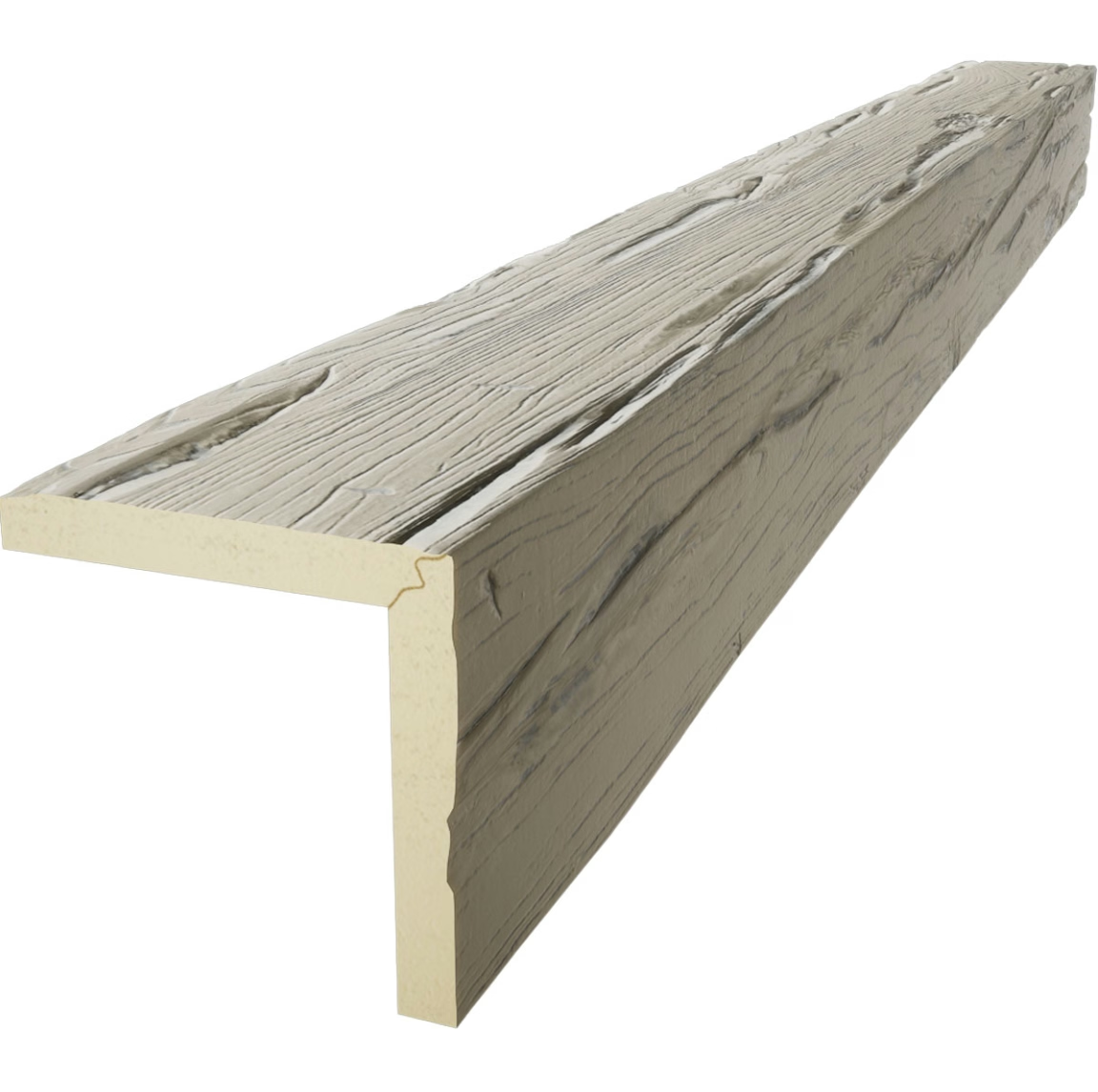
Commercial Applications Maximizing Zero-Maintenance Benefits
Hospitality venues leverage zero-maintenance characteristics extensively. Hotel renovation cycles often span five to ten years, and beams that maintain appearance throughout these intervals simplify design continuity. Restaurant ceiling treatments benefit from the grease resistance that eliminates specialized cleaning requirements.
Healthcare facilities appreciate the cleanability and hygiene characteristics of polyurethane. Surfaces that wipe clean without absorbing contaminants support infection control protocols. The material's resistance to cleaning chemicals also accommodates the aggressive disinfection practices common in medical environments.
Retail environments with seasonal merchandising changes value the easy adaptation of polyurethane beams. Hanging fixtures, seasonal decorations, and promotional displays attach without concerns about structural damage or finish repair. This installation flexibility supports dynamic retail strategies without compromising ceiling appearance.
Cost Analysis Beyond Purchase Price
Maintenance cost avoidance represents significant value over beam lifespans. Natural wood refinishing every three to seven years, depending on exposure and use, accumulates expenses that substantially exceed initial material cost differences. Professional cleaning, pest treatment, and repair services add further to ongoing maintenance obligations.
Property valuation reflects maintenance requirements in ways that sophisticated buyers appreciate. Zero-maintenance features increasingly appear in property marketing materials, suggesting premium positioning. While difficult to quantify precisely, this aesthetic benefit affects how properties present themselves to potential purchasers.
Time value affects maintenance decisions beyond monetary costs. Property owners value hours spent on maintenance-optional activities rather than wood care chores. This quality-of-life consideration proves particularly meaningful for busy households or time-constrained commercial operators.
Pure polyurethane faux wood beams deliver on the zero-maintenance promise through material properties that resist degradation, contamination, and damage. For properties seeking lasting beauty without ongoing care obligations, these beams provide practical solutions that honor their decorative purpose.
Technical References
ASTM standards cited in every specification
Test Data
Lab results from internal testing program
Updated 2026
Reviewed against current product specs