The choice between solid wood and polyurethane faux wood beams represents one of the fundamental decisions in beam installation projects. Each material offers distinct advantages that appeal to different priorities, and neither represents universally superior choice. Sophisticated buyers understand these material characteristics thoroughly before committing to purchases that will affect their spaces for years or decades.
The comparison encompasses multiple dimensions including appearance, performance, installation requirements, maintenance needs, and cost. Each dimension favors different materials depending on specific application requirements and buyer priorities. Understanding which characteristics matter most for particular installations guides decisions that might differ from choices appropriate for other projects.
Authenticity and Aesthetic Considerations
Solid wood beams offer genuine material authenticity that manufactured products cannot replicate perfectly. The organic variations present in natural timber—growth ring patterns, color gradients, subtle imperfections, and unique character marks—create appearance depth that even sophisticated manufacturing cannot achieve. For projects where authenticity represents the highest priority, solid wood remains the definitive choice.
Polyurethane faux beams have achieved remarkable visual fidelity through advanced manufacturing techniques. High-quality embossing, sophisticated color matching, and careful attention to grain patterns create appearances that satisfy casual observation and even close inspection in many cases. The gap between authentic and manufactured has narrowed substantially as production techniques have improved.
Visual differences become more apparent under specific conditions. Grazing light reveals texture details that embossing cannot perfectly replicate. Close examination of grain patterns may reveal subtle inconsistencies that distinguish manufactured from natural products. Edge and end grain comparison often exposes differences most clearly. Understanding these comparison points helps set appropriate expectations for either material.
Structural and Performance Characteristics
Solid wood exhibits engineering properties that vary based on species, grain orientation, and specific piece characteristics. Load-bearing capacity, dimensional stability, and fastener retention vary across and within wood species, requiring careful selection for structural applications. These natural variations affect performance in ways that manufactured products can engineer around.
Polyurethane beams offer engineered consistency that natural materials cannot match. Material properties remain uniform across production, eliminating the variability that complicates specification for structural applications. While PU beams typically serve decorative rather than structural purposes, this consistency simplifies specification and ensures predictable performance.
Moisture response differs dramatically between materials. Solid wood expands and contracts with humidity changes, potentially causing gaps, warping, or other movement-related issues. Polyurethane maintains dimensional stability regardless of humidity conditions, preventing these concerns while potentially creating different challenges at interfaces with humidity-responsive adjacent materials.

Installation Complexity and Requirements
Solid wood beam installation typically requires structural engineering review, specialized lifting equipment, and construction expertise. Beams weighing hundreds of pounds per linear foot create handling challenges that limit installation possibilities in many contexts. The weight also affects structural requirements, as ceiling and wall systems must be designed to support authentic timber loads.
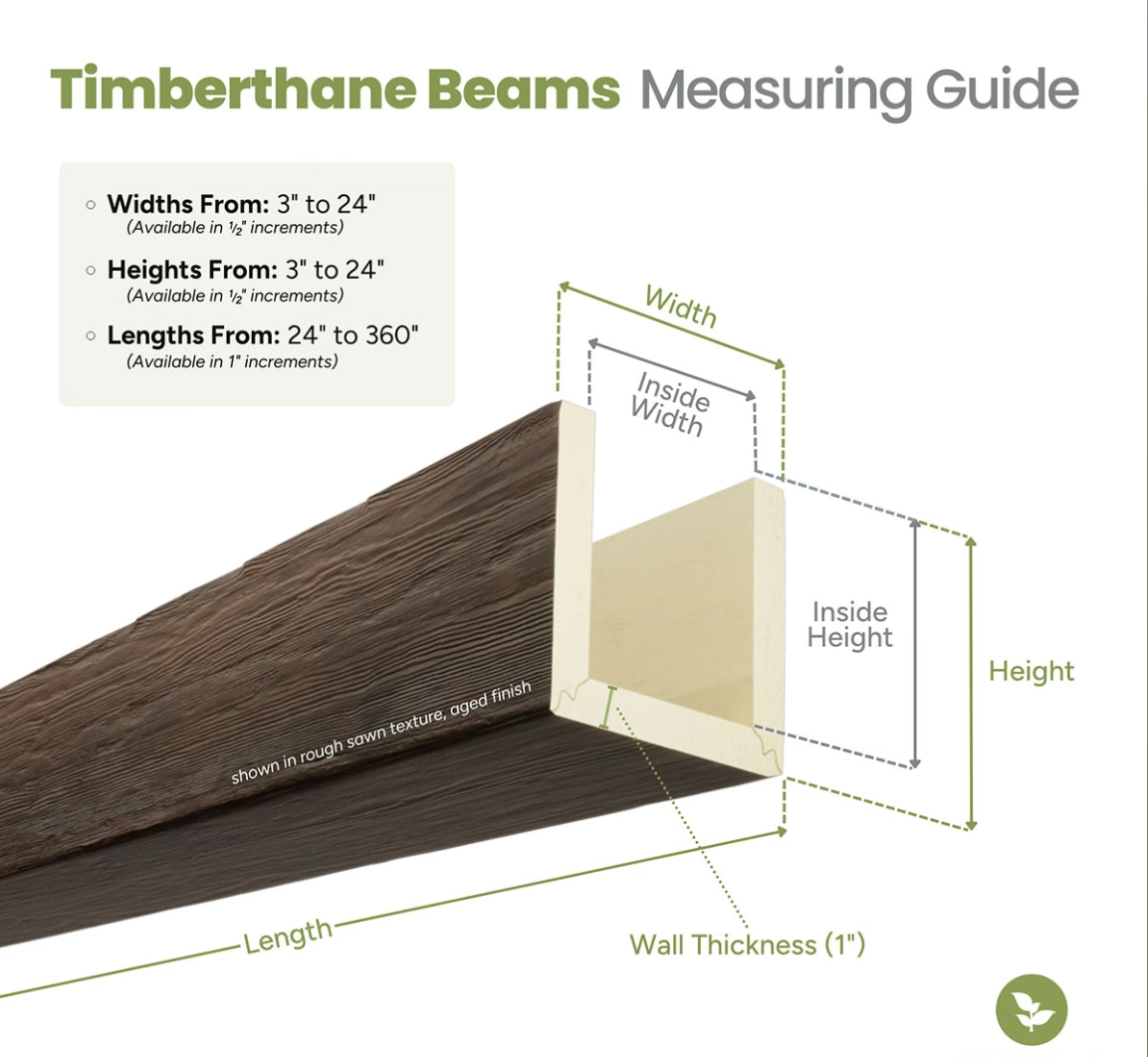
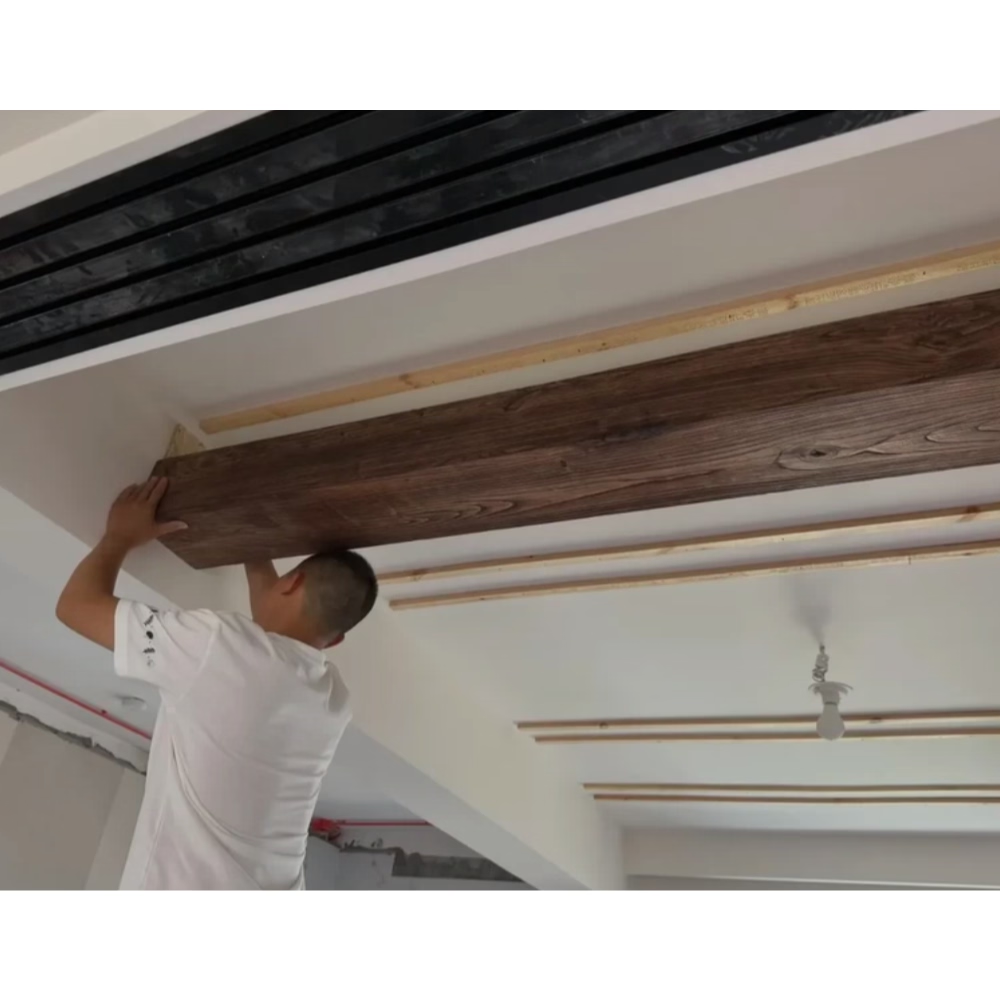
Polyurethane beam installation offers dramatically simplified requirements. Weights of just a few pounds per linear foot enable one-person installation in most cases, with mounting hardware that any competent handyperson can install. This accessibility opens beam installations to contexts where solid wood would require structural modification or specialized contractors.
Installation speed differences affect project timelines and labor costs. A solid wood beam installation might require days of preparation, specialized equipment rental, and careful coordination. Polyurethane beam installation in comparable contexts might complete in hours, with minimal preparation requirements and standard tools.
Maintenance and Longevity
Solid wood maintenance requirements continue throughout beam service life. Periodic inspection identifies developing issues before they become serious. Cleaning, refinishing, and repair address wear and exposure effects that affect appearance over time. Pest monitoring and treatment prevent insect damage that can compromise structural integrity. These ongoing requirements represent costs that extend beyond initial installation.
Polyurethane maintenance requirements are minimal by comparison. The material resists insect damage, decay, and the moisture-related issues that affect natural wood. Cleaning typically involves simple dusting or wiping that any building occupant can perform. Color retention in quality products minimizes the refinishing requirements that natural wood demands.
Service life expectations differ substantially between materials. Solid wood beams in protected environments might last centuries, though many factors affect actual longevity. Polyurethane beams typically carry warranties of ten to twenty-five years, with actual service life potentially extending well beyond warranty periods. Both materials can provide long service under appropriate conditions.
Cost Comparison
Initial cost comparison favors polyurethane beams for most applications. Solid wood beam costs include material prices that reflect timber availability, species quality, and dimensional requirements, often running to hundreds or thousands of dollars per linear foot for quality products. Polyurethane alternatives typically cost a fraction of solid wood equivalents.
Total cost of ownership analysis may narrow initial cost differences when considering installation, maintenance, and replacement factors. Solid wood installation often requires structural engineering, specialized contractors, and equipment rental that substantially increase total project cost. Polyurethane installation costs typically involve only mounting hardware and basic labor.
Replacement cost timing affects lifetime cost calculations. Solid wood installations that last decades defer replacement costs indefinitely, while polyurethane products may require replacement within decades depending on product quality and environmental conditions. Longer-term projections favor solid wood for permanent installations where budget allows.
Application Suitability
Historic restoration projects typically require solid wood to maintain architectural authenticity. Preservation standards for historic structures often mandate materials consistent with original construction, which solid wood beams satisfy naturally. The additional cost and complexity of authentic materials may represent essential preservation requirements rather than optional preferences.
New construction projects have more flexibility regarding material choices. Contemporary designs may intentionally employ manufactured materials that suggest authentic alternatives without requiring traditional construction approaches. The visual impact of wood appearance can be achieved through polyurethane beams while enabling construction approaches incompatible with solid timber.
Rental properties and temporary installations favor polyurethane's lower replacement cost if damage occurs. Solid wood beams in high-turnover contexts risk damage from tenants who may not value authentic materials appropriately. Polyurethane's lower replacement cost reduces financial exposure to damage that might be considered normal wear in rental contexts.
Making Informed Decisions
Evaluating priorities before purchasing guides decisions toward materials that serve actual needs rather than assumed preferences. When authenticity represents the primary motivation, solid wood provides benefits that polyurethane cannot match. When practical considerations dominate, polyurethane often represents the more intelligent choice.
Consultation with design professionals helps clarify which material serves specific project requirements. Interior designers understand how different materials perform in various contexts, while architects can address structural implications of material choices. Professional guidance prevents costly mistakes that result from incomplete understanding of material characteristics.
Testing and sampling before commitment reduces purchasing risk. Both solid wood and polyurethane products can be evaluated through samples that reveal actual appearance and handling characteristics. This evaluation eliminates uncertainty about how products will perform and appear in completed installations.
The comparison between solid wood and polyurethane faux wood beams reveals genuine trade-offs rather than clear universal superiority. Each material serves different priorities effectively, with the appropriate choice depending on specific project requirements, budget constraints, and performance expectations. Understanding these differences enables confident decisions that align material selection with actual project needs.
Technical References
ASTM standards cited in every specification
Test Data
Lab results from internal testing program
Updated 2026
Reviewed against current product specs


