When homeowners and designers seek the warmth of natural wood without the structural complications, paintable polyurethane faux wood ceiling beams provide an elegant solution. These architectural elements have transformed how spaces are designed, offering remarkable versatility that real timber simply cannot match. The ability to stain or paint these beams means they integrate seamlessly with existing color schemes, making them equally suitable for historic restoration projects and contemporary new builds.
The manufacturing process behind polyurethane faux beams creates a surface specifically engineered for paint and stain adhesion. Unlike natural wood with its variable grain patterns and unpredictable porosity, polyurethane accepts applied finishes consistently across every inch of the beam. This predictability eliminates the frustration of patchy stain absorption that plagues real wood installations, particularly when working with softwoods like pine that can drink stain unevenly.

Interior designers frequently specify paintable polyurethane beams when working with clients who want to match existing woodwork precisely. A living room with mahogany baseboards and trim can now feature ceiling beams in the exact same finish, creating visual continuity throughout the space. This level of coordination was previously difficult to achieve with natural timber, where species variations and grain differences made perfect color matching nearly impossible.
Surface Preparation for Optimal Stain Adherence
Achieving professional results with stain on polyurethane faux beams begins with proper surface preparation. While these beams arrive with a remarkably smooth factory finish, lightly sanding with 220-grit sandpaper opens micro-pores in the surface, improving finish penetration. This step takes only minutes per beam but significantly impacts the final result. Wiping the sanded surface with a clean, damp cloth removes dust particles before applying any stain or paint product.
The choice between oil-based and water-based stains depends on the desired aesthetic and practical considerations. Oil-based stains typically provide richer color depth and longer working time, allowing for seamless blending across beam surfaces. Water-based alternatives dry faster and clean up easily with soap and water, making them preferred for interior projects where ventilation might be limited. Either type adheres exceptionally well to properly prepared polyurethane surfaces.
Testing the chosen stain on an inconspicuous beam area or a scrap piece from installation proves invaluable before committing to the full project. This practice run reveals how the color develops, how long working time feels, and whether additional coats might be necessary to achieve the target shade. Many contractors maintain small sample pieces specifically for this purpose, ensuring client expectations align with actual results.
Matching Stain Colors to Existing Interior Elements
Commercial spaces and hospitality venues often require faux wood beams to coordinate with existing millwork installed years or decades earlier. Matching these established finishes requires a methodical approach combining color theory understanding with practical testing. Stain mixing, where two or more stain colors are combined, opens possibilities that single products cannot achieve alone.
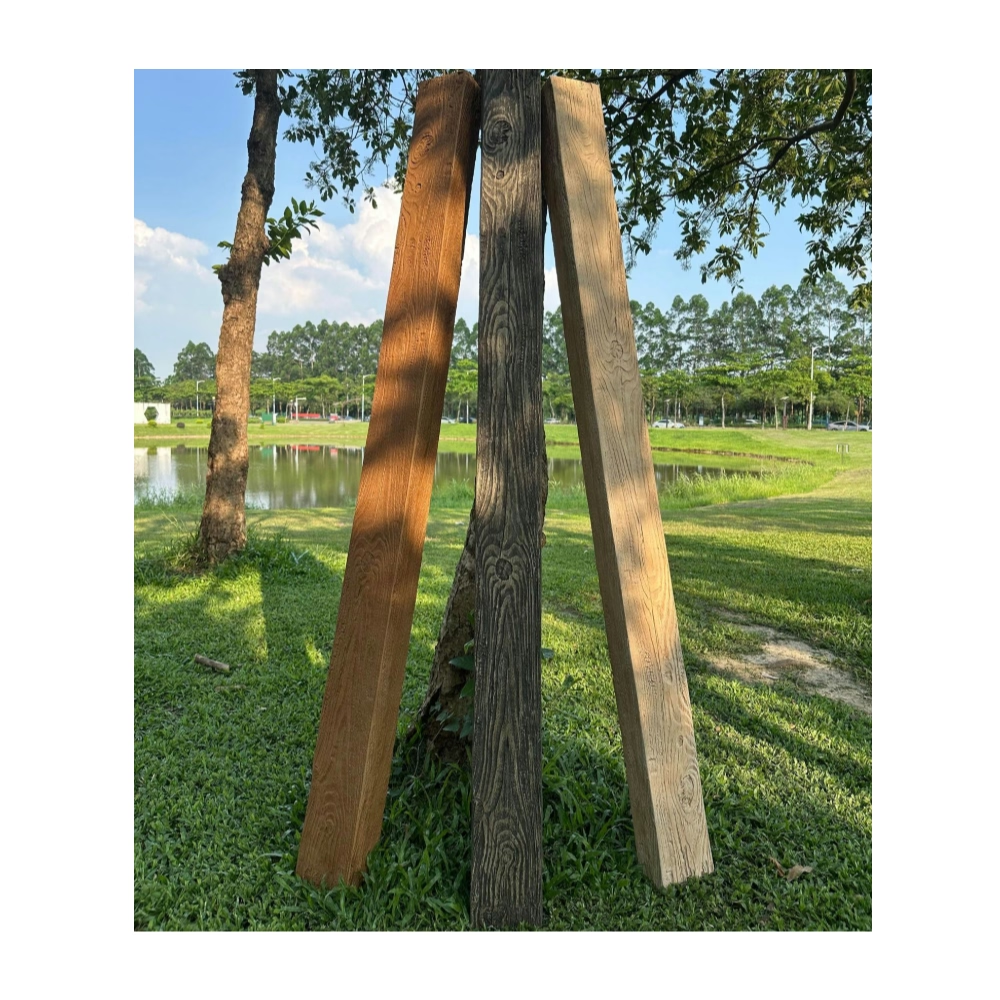
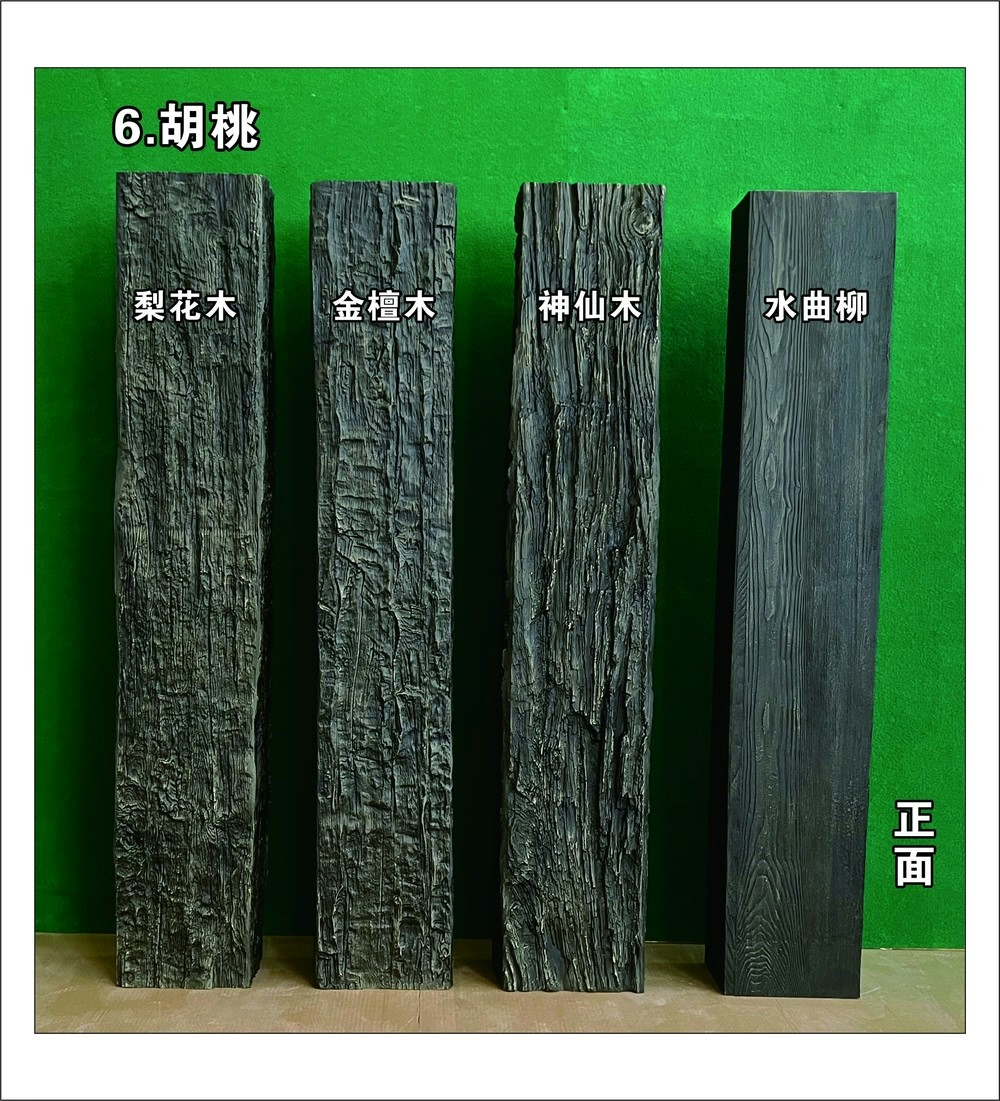
Deep walnut tones, for instance, often combine mahogany base stains with touches of red to warm the final color. Gray-tinted stains mixed with browns create weathered barn wood appearances popular in rustic-themed restaurants and retail environments. The flexibility to create custom colors ensures every installation looks intentional rather than like an afterthought added to the space.
Professional finishers recommend documenting exact stain formulas once a successful match is achieved. Recording the brand, product name, and precise mixing ratios protects against the frustration of recreating a perfect match months later when maintenance or expansion work requires additional beams. This documentation becomes especially valuable for commercial projects where future phases must maintain visual consistency with completed spaces.
Practical Advantages Beyond Aesthetics
The practical benefits of choosing paintable polyurethane beams extend well beyond their cosmetic versatility. These faux beams weigh a fraction of their natural wood counterparts, typically five to eight pounds per linear foot versus fifty pounds or more for solid timber beams of similar dimensions. This dramatic weight reduction simplifies installation dramatically, often requiring only basic hand tools and standard construction adhesives rather than structural steel support systems.
Durability represents another significant advantage of the polyurethane construction. Natural wood absorbs moisture, leading to warping, cracking, and rot over time, particularly in humid environments like bathrooms and kitchens. Polyurethane resists moisture absorption entirely, maintaining dimensional stability regardless of ambient humidity levels. This characteristic makes faux beams suitable for installation below upstairs bathrooms where natural wood would face constant moisture exposure from below.
The material also resists insect damage that can compromise natural timber structures. Termites and carpenter ants, which can destroy wooden beams entirely, find polyurethane completely inhospitable. For properties in regions where these pests are prevalent, switching to faux beams eliminates one category of structural maintenance concern entirely. Building specifications increasingly reference polyurethane faux beams precisely because of this built-in resistance to biological degradation.
Installation Considerations for Painted Beams
Planning the installation sequence matters significantly when beams will receive custom finishes on-site. Most professionals prefer to complete all finishing work before hanging the beams, working on a flat surface where gravity does not affect application. This approach ensures even coverage without runs or sags that can occur when applying stain or paint to vertical surfaces.
Securing adequate ventilation during the finishing process protects worker health and accelerates drying times. Fans positioned to create air movement without stirring dust onto wet finishes produce the best results. Temperature also influences drying, with warmer conditions between sixty-five and seventy-five degrees Fahrenheit typically providing optimal conditions for stain curing and proper film formation.
Protective measures during installation protect the freshly finished surfaces from scratches and dents during the rigging process. Padding sharp corners, using cloth slings rather than wire, and having at least two people handle each beam prevents damage that would require touch-up work after installation. Taking these precautions preserves the professional appearance that custom staining provides.

The combination of realistic wood appearance, customizable finish options, and practical durability makes paintable polyurethane faux wood ceiling beams an increasingly popular choice across residential and commercial sectors. Understanding the finishing process ensures projects achieve the seamless integration that makes these architectural elements so valuable for interior design transformation.
Technical References
ASTM standards cited in every specification
Test Data
Lab results from internal testing program
Updated 2026
Reviewed against current product specs


