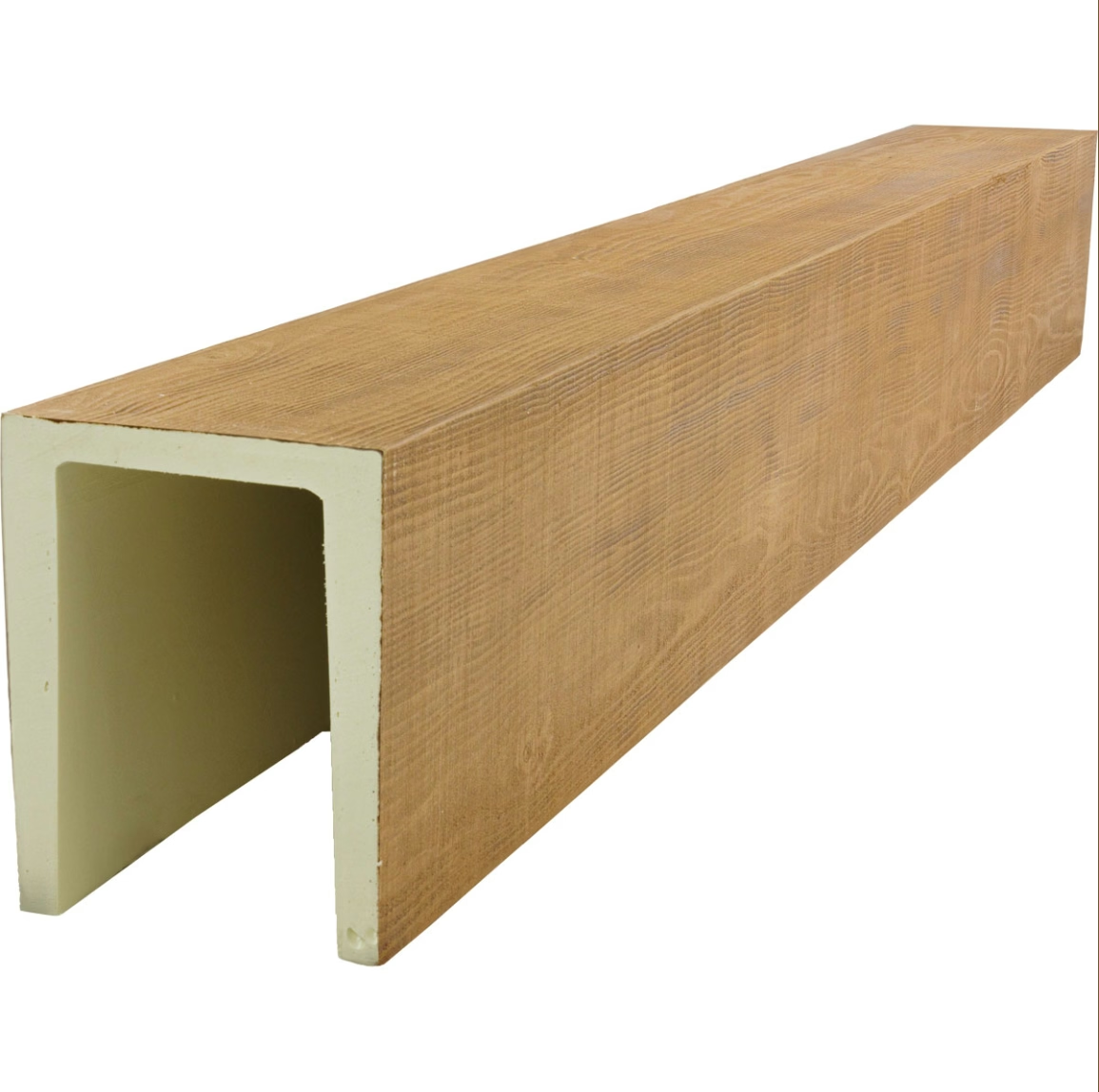
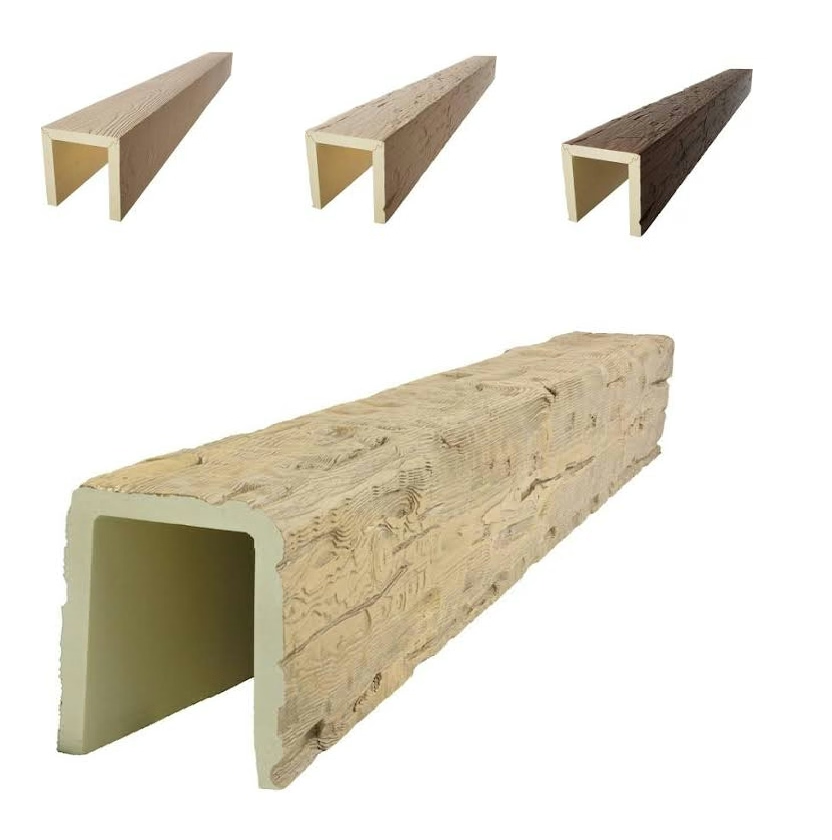
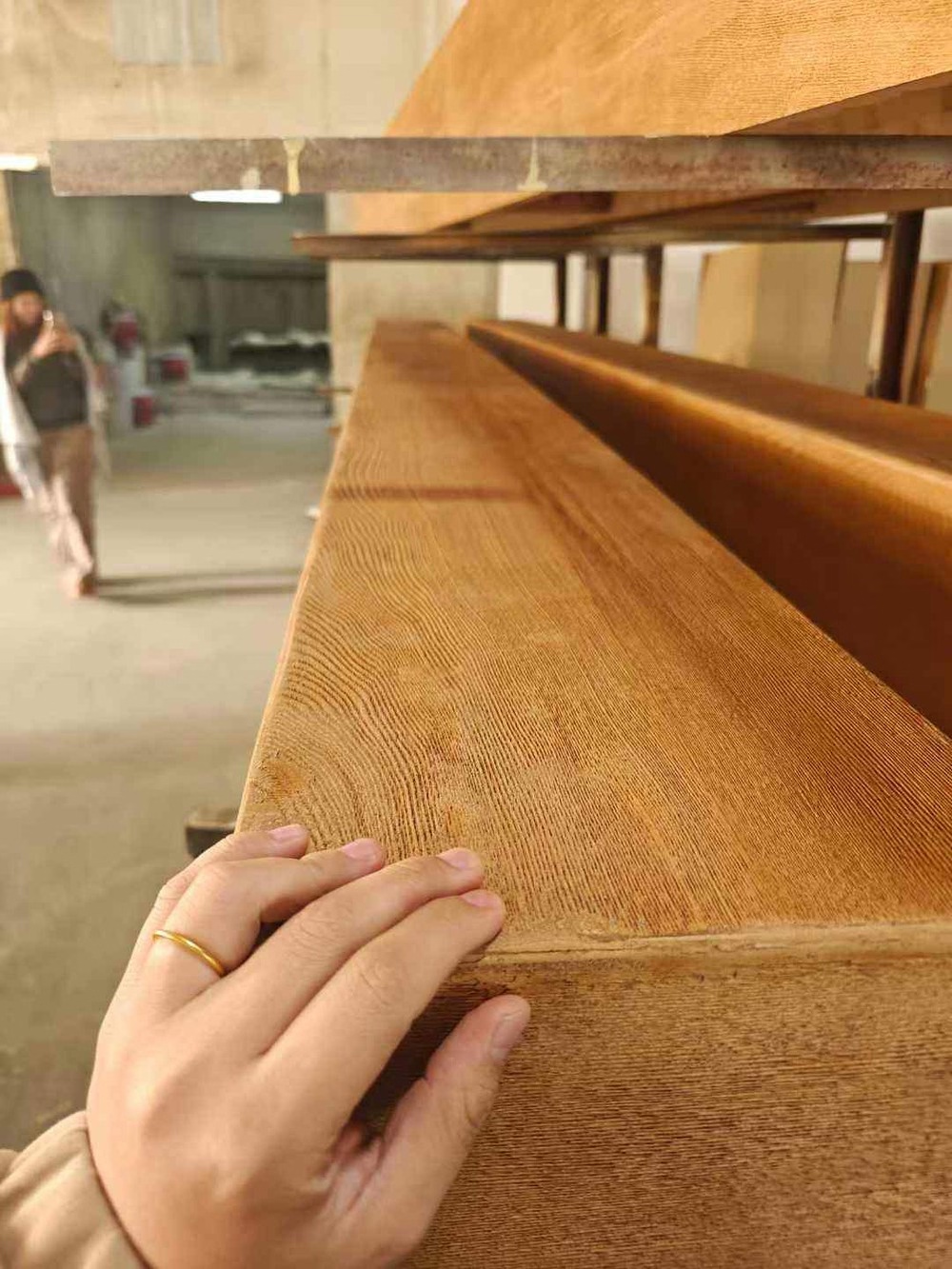
Daily life generates the kind of wear and tear that can quickly diminish the appearance of traditional wood installations. Kitchens accumulate cooking grease, living rooms collect dust and occasional spills, and commercial spaces face challenges from hundreds of people moving through daily. Stain-resistant polyurethane faux ceiling beams address these realities directly, providing beautiful aesthetics without demanding constant attention to remain presentable.
The stain-resistant properties of polyurethane stem from its non-porous molecular structure. Unlike natural wood, which absorbs liquids and retains staining materials within its cellular structure, polyurethane repels most common substances that contact its surface. Coffee, wine, grease, and most household chemicals bead on the surface rather than penetrating, allowing cleanup before any lasting damage occurs.
This resistance translates directly into maintenance simplicity. Where natural wood beams might require specialized cleaning products, careful technique, and periodic refinishing to address staining, polyurethane faux beams respond to basic cleaning approaches. Warm water with mild detergent removes most surface contamination. Harster cleaning products prove unnecessary for routine maintenance, preserving the beam's appearance without exposing household members to strong chemicals.
Common Staining Challenges and Solutions
Kitchen environments present some of the most demanding conditions for ceiling beam installations. Cooking releases airborne grease particles that settle on horizontal surfaces, including ceiling beams. Over time, these deposits create visible discoloration that proves extremely difficult to remove from natural wood. Polyurethane's grease-resistant surface prevents this accumulation, with any settled residue wiping away easily during regular cleaning.
Bathroom installations face humidity challenges that affect wood differently than polyurethane. Steam and moisture penetrate natural wood fibers, potentially causing warping, cracking, or mold growth. Polyurethane beams maintain dimensional stability regardless of humidity levels, eliminating concerns about moisture damage while resisting the soap residue and mineral deposits that water can leave on surfaces.
Commercial food service environments push these materials to their limits. Restaurants with exposed beam ceilings must meet cleanliness standards while maintaining inviting atmospheres. Stain-resistant polyurethane beams clean to food-grade standards without the specialized sanitation procedures that wood surfaces might require. This practical advantage reduces labor costs while improving inspection outcomes.
Cleaning Techniques for Different Contamination Types
Routine cleaning of polyurethane beams requires little more than standard household practices. Dust accumulates on ceiling beams just as on any horizontal surface, becoming visible especially under directional lighting. A simple dusting with a soft cloth or duster attachment on a vacuum cleaner removes this accumulation. Unlike textured wood grain, which can trap dust in crevices, smooth polyurethane surfaces release dust easily.
Grease and cooking residue respond well to degreasing cleaners, though even stubborn deposits typically dissolve with minimal effort. Spray kitchen degreasers applied according to product directions, followed by wiping with a damp cloth, restore clean surfaces. Rinsing with clear water removes any residue from the cleaning product itself, preventing streaking or film buildup.
Water marks and mineral deposits from hard water or plumbing issues wipe away with vinegar solutions or specialized calcium removers. Testing any cleaning product on an inconspicuous area first ensures compatibility with the beam's specific finish. Most polyurethane beam finishes tolerate common household cleaners without damage, though abrasive scrubbers should always be avoided to prevent surface scratching.
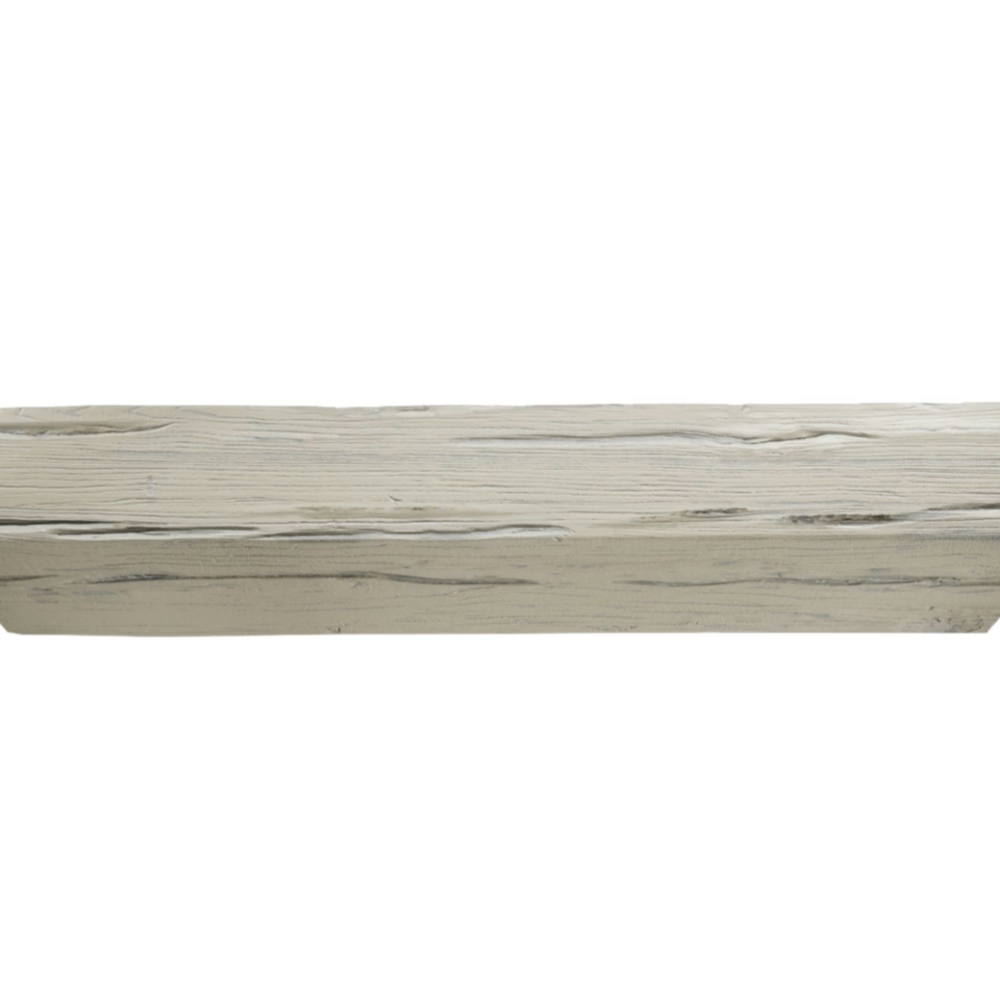
Long-Term Maintenance Advantages
The cumulative time savings from choosing stain-resistant polyurethane beams over traditional wood alternatives compounds significantly over the beam's lifetime. Consider a kitchen beam that receives cooking grease exposure three times weekly. Natural wood might require monthly deep cleaning with specialized products, annual professional maintenance, and eventual refinishing every five to ten years. Polyurethane requires only the occasional wipe-down that household cleaning already includes.
Commercial installations see even more dramatic differences. A hotel lobby with wooden beams might require weekly professional cleaning to maintain appearance, with staff trained on specific techniques and products. The same installation using polyurethane faux beams reduces cleaning frequency while improving consistency. Staff can address any visible soiling during routine housekeeping without specialized training.
The initial investment in quality polyurethane beams pays back through reduced maintenance costs throughout their service life. These beams typically maintain acceptable appearance for decades with minimal intervention, compared to natural wood alternatives that may require restoration work within years of installation. Total cost of ownership calculations consistently favor polyurethane for high-use applications.
Protecting Beam Appearance During Cleaning
Even the most stain-resistant surfaces benefit from appropriate cleaning practices. Using soft, non-abrasive materials prevents scratches that could eventually compromise the protective surface. Microfiber cloths clean effectively without introducing scratches, while soft-bristled brushes reach into texture grooves without damaging surrounding surfaces.
Pressure matters as much as tool selection. Excessive force during cleaning can damage finishes or push contamination deeper into joints and seams. Gentle, consistent pressure with adequate cleaning solution provides better results than aggressive scrubbing with inadequate lubrication. Allowing cleaning products time to work before wiping prevents unnecessary abrasion.
Protecting beams during other cleaning activities extends their pristine condition. When cleaning upper cabinet surfaces or ceiling fixtures near beams, covering the beams prevents drips of cleaning solutions from contacting the beam surface. This preventive measure requires seconds but prevents potential contamination that might require additional cleaning effort afterward.
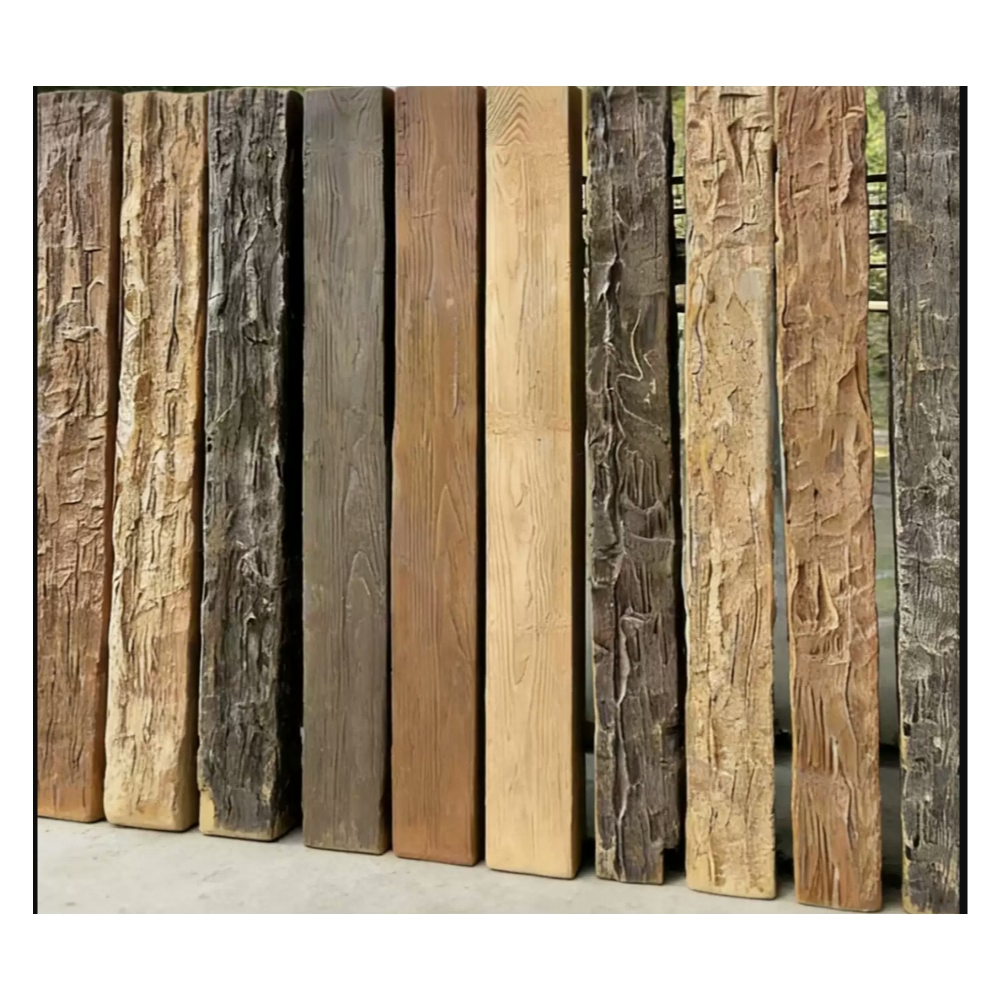
Environmental and Health Benefits
Easy-clean surfaces contribute to healthier indoor environments beyond mere appearance. Dust and allergens that accumulate on ceiling surfaces become respiratory irritants and can trigger allergic responses. Polyurethane's smooth surface does not harbor dust in texture grooves the way wood grain does, reducing allergen accumulation and simplifying their removal.
Cleaning without harsh chemicals protects both building occupants and the environment. The ability to achieve clean results with mild detergents rather than aggressive chemicals reduces volatile organic compound (VOC) exposure within living spaces. This benefit proves especially valuable in homes with children, elderly residents, or individuals with chemical sensitivities.
The durability of polyurethane beams also reduces environmental impact through extended service life. Beams that maintain appearance for decades without replacement consume fewer manufacturing resources than alternatives requiring periodic replacement. This longevity represents a form of sustainability that complements other green building practices in contemporary construction.

Stain-resistant, easy-to-clean polyurethane faux ceiling beams offer practical advantages that translate into real-world time and cost savings. From busy household kitchens to demanding commercial environments, these beams maintain attractive appearance through routine cleaning that requires no special training or products. The combination of aesthetic appeal and maintenance simplicity makes polyurethane faux beams increasingly difficult to overlook in any specification.
Technical References
ASTM standards cited in every specification
Test Data
Lab results from internal testing program
Updated 2026
Reviewed against current product specs