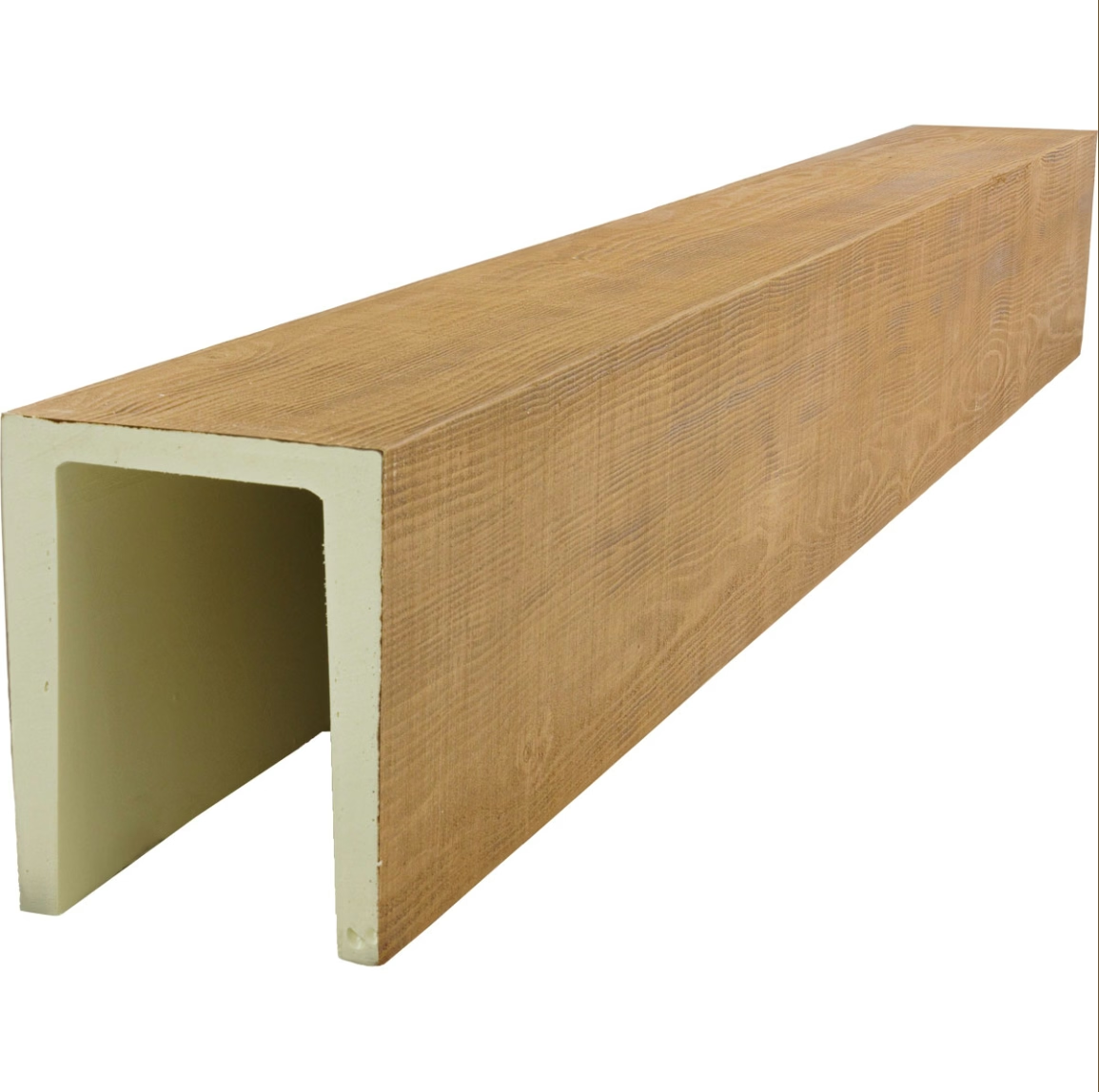
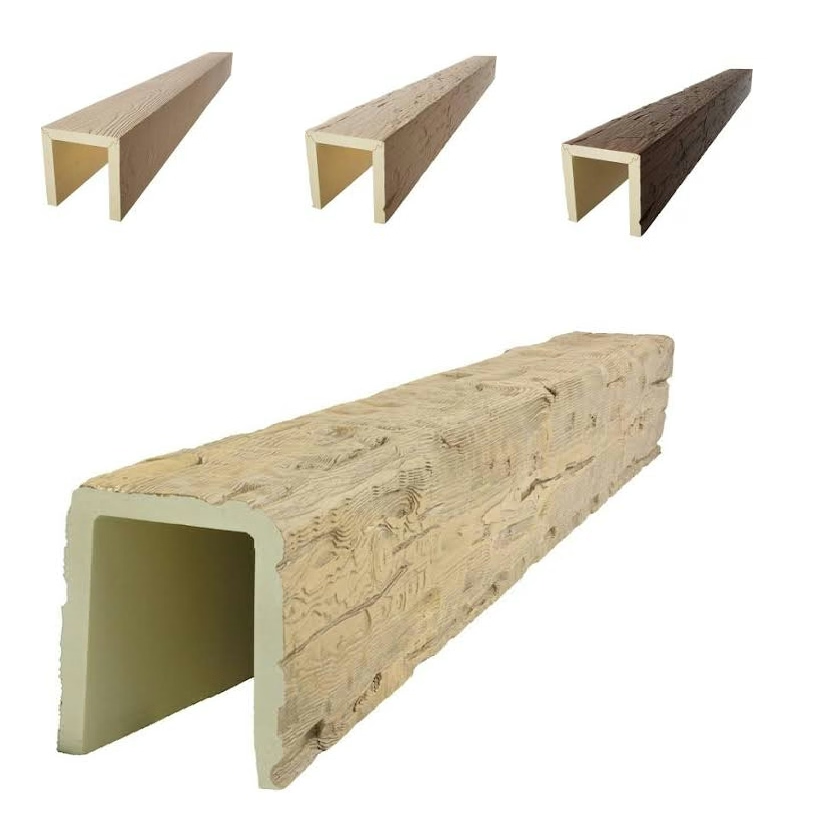
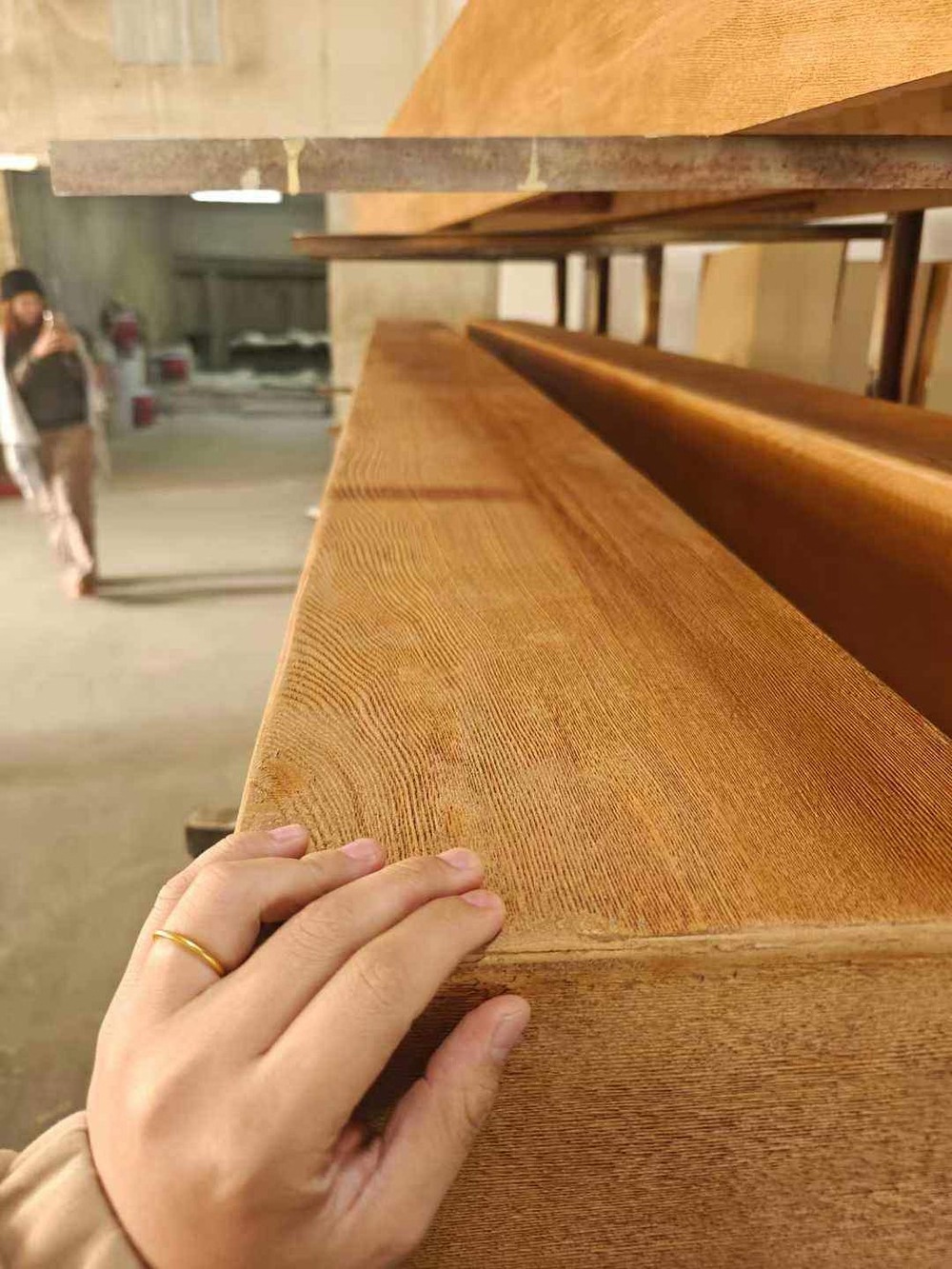
Renovation projects operate within budgets that require careful material selection. Every product specification must justify its cost through aesthetic contribution, functional performance, or installation efficiency. Standard density polyurethane faux beams occupy the practical center of the product spectrum, providing quality sufficient for most applications without requiring premium investment in features that renovations rarely need.
The term "standard density" in polyurethane beam manufacturing refers to specific density ranges that balance multiple performance characteristics. These products weigh more than lightweight alternatives, providing authentic heft that installers and occupants recognize as quality. Yet they remain light enough for straightforward handling and installation, avoiding the structural complications that heavyweight materials introduce. This balance point serves general renovation requirements effectively.
Quality in this context encompasses multiple dimensions beyond mere density. Surface finish quality determines how convincingly beams replicate natural wood appearance. Texture accuracy affects authenticity when viewed at normal installation distances. Dimensional consistency ensures that multi-beam installations align properly. Standard density products manufactured to high quality standards perform well across all these dimensions.
Performance Characteristics for Renovation Applications
Standard density polyurethane typically falls in the range of fifteen to twenty-five pounds per cubic foot. This density provides enough mass to feel substantial during handling while remaining light enough for two-person installation without mechanical assistance. The weight also affects acoustic properties, with heavier beams producing less hollow resonance when tapped than ultra-lightweight alternatives.
Durability at standard density proves adequate for all normal renovation applications. These beams withstand the bumps and impacts that occur during construction and renovation without visible damage. Their surface resists scratching from casual contact and tolerates cleaning with standard household products. The material maintains its appearance through years of service without the warping, cracking, or moisture damage that affects natural wood alternatives.
Fire resistance at standard density varies by specific formulation but can meet common commercial requirements with appropriate product selection. Most standard density products achieve some level of fire retardance through additive formulations, though achieving the highest fire ratings might require higher-density or specially formulated products. Understanding specific project requirements guides appropriate product selection.
Cost-Benefit Analysis for Renovation Budgets
Renovation budgets benefit from specifications that avoid unnecessary cost escalation. Standard density beams typically cost less than premium high-density products while providing equivalent appearance and adequate performance for most applications. The price differential accumulates significantly on larger projects, where beam costs might represent meaningful portions of total project budgets.
Comparing beam costs against alternatives like reclaimed wood or solid timber reveals the value proposition more clearly. Reclaimed timber beams carry premium prices due to scarcity and the authentic aging that new materials cannot replicate. Solid timber beams require structural considerations that faux beams avoid entirely. Standard density polyurethane faux beams provide wood aesthetics at a fraction of these alternative costs.
Life cycle cost considerations reinforce the selection of standard density products. Beams that maintain acceptable appearance for fifteen to twenty years with minimal maintenance represent good value regardless of initial price. Spending more for premium features that renovations do not require reduces value without proportional benefit. Standard density products achieve the appropriate balance for most renovation scenarios.
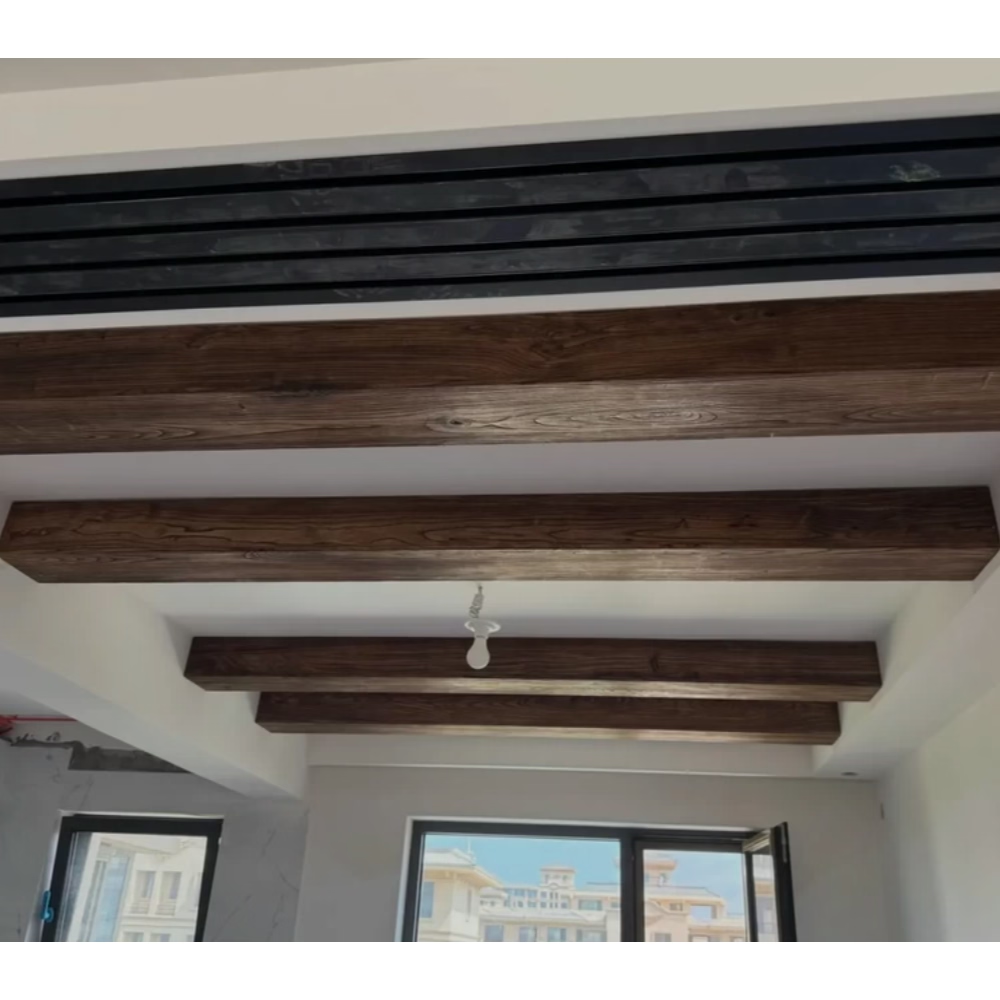
Installation Efficiency Advantages
The handling characteristics of standard density beams facilitate efficient installation. Weights remaining under fifteen pounds per linear foot allow most beams to be moved and positioned by individual workers, with two-person teams handling longer spans. This efficiency reduces labor costs compared to heavier alternatives requiring mechanical assistance or multiple workers.
Attachment methods for standard density beams typically involve standard construction adhesives and mechanical fasteners without specialized hardware. Installation crews familiar with general construction techniques can install these beams without retraining. This accessibility simplifies contractor selection and often enables competitive bidding that keeps installation costs reasonable.
Field adjustment and cutting proceed smoothly with standard density materials. Standard woodworking tools handle these products without unusual wear or specialized techniques. When beams must fit around existing conditions or be trimmed for specific dimensions, the work proceeds quickly. This flexibility proves valuable in renovation contexts where existing conditions rarely match design assumptions exactly.
Appearance Quality Standards
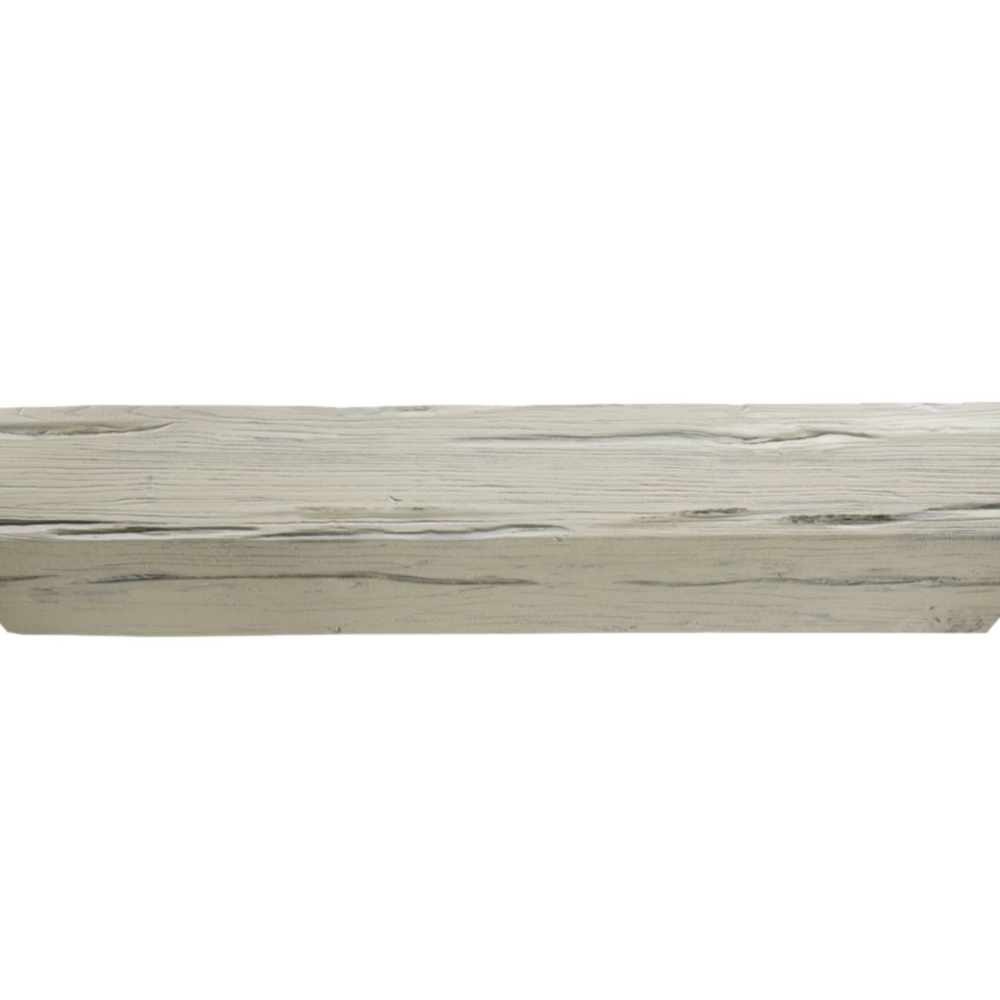
Quality assessment for standard density beams focuses on appearance characteristics that affect final installation appearance. Surface smoothness and consistency indicate manufacturing quality that translates into authentic wood-like appearance. Visible seams, air bubbles, or surface irregularities suggest quality control issues that might affect performance or appearance.
Texture reproduction in standard density products meets the expectations of most renovation applications. While premium products might offer slightly more detailed grain embossing or more dramatic weathering effects, standard density beams provide convincingly authentic appearance when viewed from normal distances. The appearance gap between standard and premium density narrows considerably when beams are mounted at typical ceiling heights.
Color consistency across beam surfaces and between multiple beams in an installation affects overall quality perception. Standard density products manufactured with proper quality control maintain acceptable color consistency within and between batches. Minor variations that occur in production typically fall within tolerances that allow seamless installation appearance.
Market Availability and Lead Times
Standard density products typically represent the largest portion of manufacturer inventory, ensuring ready availability for most renovation projects. Standard sizes and profiles in popular finishes stock in warehouse quantities, enabling rapid fulfillment for orders within normal parameters. Projects with standard requirements can often receive materials within days rather than weeks.
Lead time requirements increase for non-standard configurations, including custom sizes, unusual finishes, or special profiles. These variations might require manufacturing runs that interrupt normal production schedules. Renovation projects with flexibility on timing can often accommodate these requirements while projects with compressed schedules should verify availability before specifying non-standard products.
Supplier relationships affect availability and pricing for standard density products. Established distribution relationships often provide priority access to inventory and favorable pricing based on volume commitments. Renovation projects working through established supply channels typically achieve better outcomes than those pursuing commodity transactions with unfamiliar suppliers.

Standard density polyurethane faux beams deliver the quality, appearance, and value that general renovation projects require. By avoiding premium features unnecessary for typical applications, these products provide authentic wood aesthetics at accessible price points. Renovation professionals who understand their specific project requirements can confidently specify these products, achieving satisfying results without budget strain.
Technical References
ASTM standards cited in every specification
Test Data
Lab results from internal testing program
Updated 2026
Reviewed against current product specs