Architectural specifications translate design intent into actionable requirements that manufacturers and contractors follow during construction. Well-written specifications for polyurethane faux wood decorative beams establish clear expectations for appearance, performance, and coordination while providing measurable standards against which delivered products can be evaluated. The specification investment upstream prevents costly problems downstream.
Decorative beam specifications must balance completeness with practicality. Overly detailed specifications that micro-manage manufacturing processes might eliminate capable suppliers while adding little value. Insufficiently detailed specifications allow variation that might not meet project requirements. Finding the appropriate detail level requires understanding both manufacturing capabilities and project needs.
These specifications serve multiple audiences with different information needs. Manufacturers need dimensional and performance requirements to produce conforming products. Contractors need installation guidance that enables proper execution. Code officials need fire and safety information for approval. Project managers need logistics details for procurement coordination. Effective specifications address all these audiences appropriately.
Product Description and Scope
Specifications begin with clear product identification that establishes what materials are included. Describing polyurethane faux wood decorative beams as non-structural architectural elements clarifies their function within the building. Scope statements define where beams apply, preventing scope disputes that might otherwise occur.
Material descriptions establish the fundamental composition that differentiates products from alternatives. Polyurethane composition with specific density ranges distinguishes these products from natural wood, fiberglass, or other alternatives. Specifying density ranges rather than exact values accommodates manufacturing variation while establishing minimum quality thresholds.
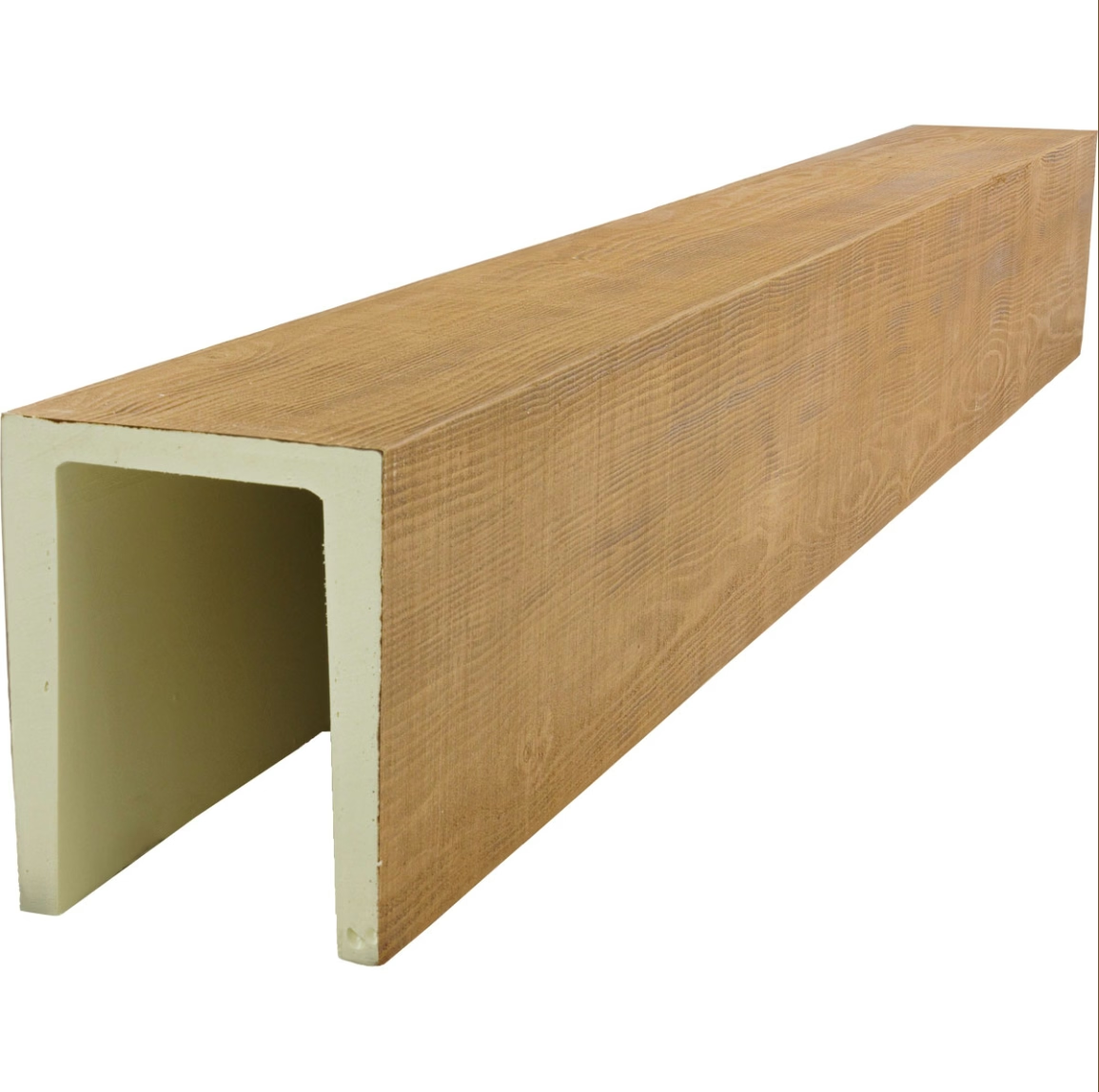
Profile and dimension specifications translate design drawings into written requirements. Reference to specific profiles defined in drawings provides visual specification that words alone cannot convey. Written dimension requirements with appropriate tolerances ensure that products fit intended spaces and coordinate with other building elements. Cross-referencing drawings and specifications prevents conflicts between these complementary documents.
Appearance and Finish Standards
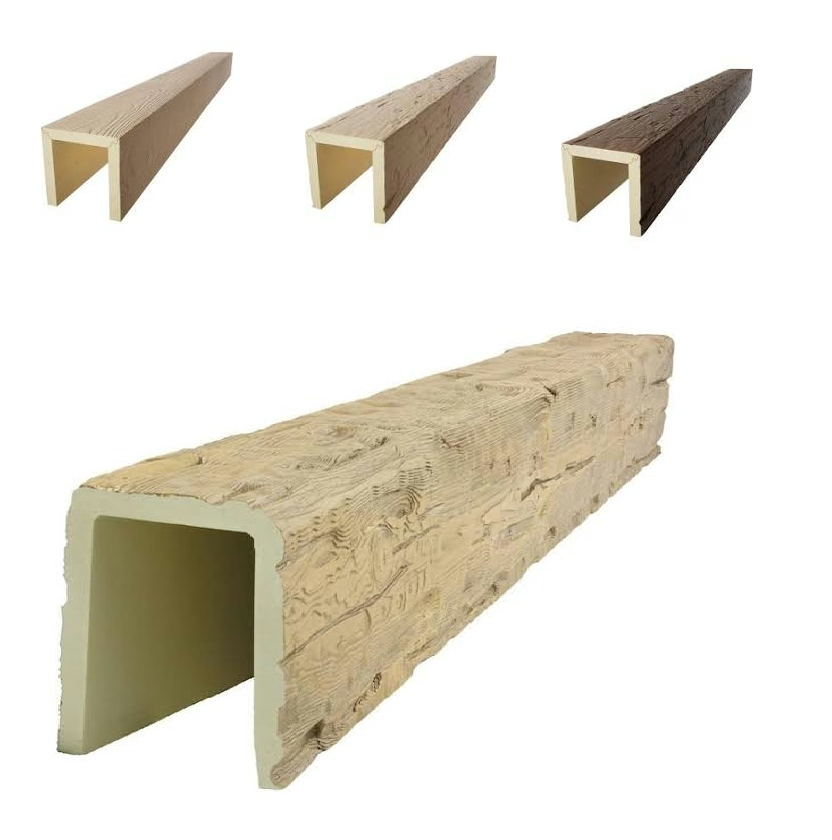
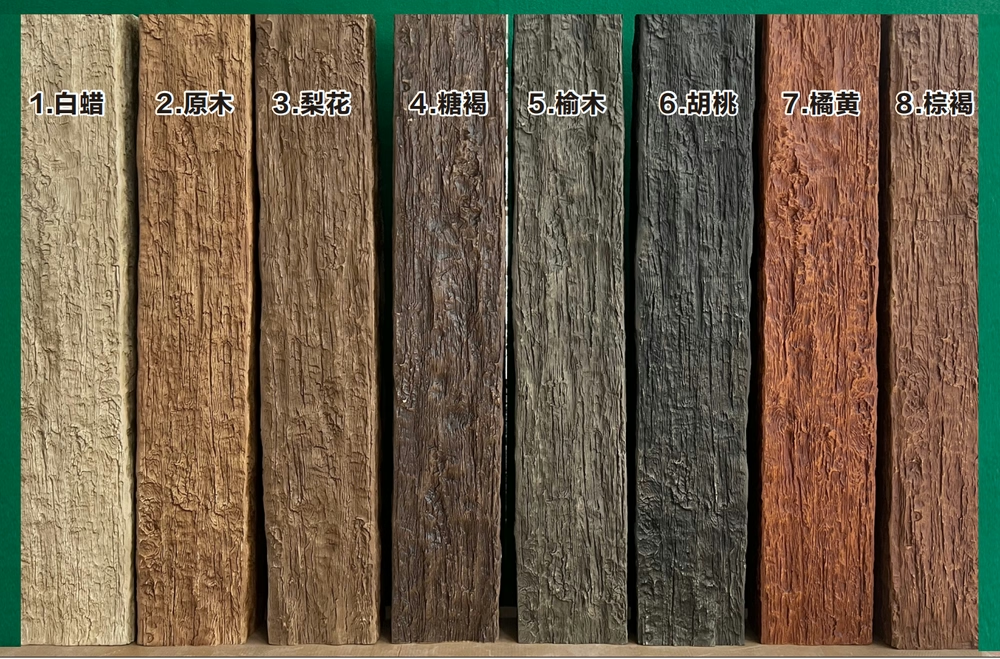
Finish specifications must be sufficiently detailed to ensure delivered products match design intent while remaining achievable through manufacturing processes. Color specifications might reference commercial color systems, physical samples, or manufacturer standard finishes. Each approach has advantages and limitations that affect specification choices.
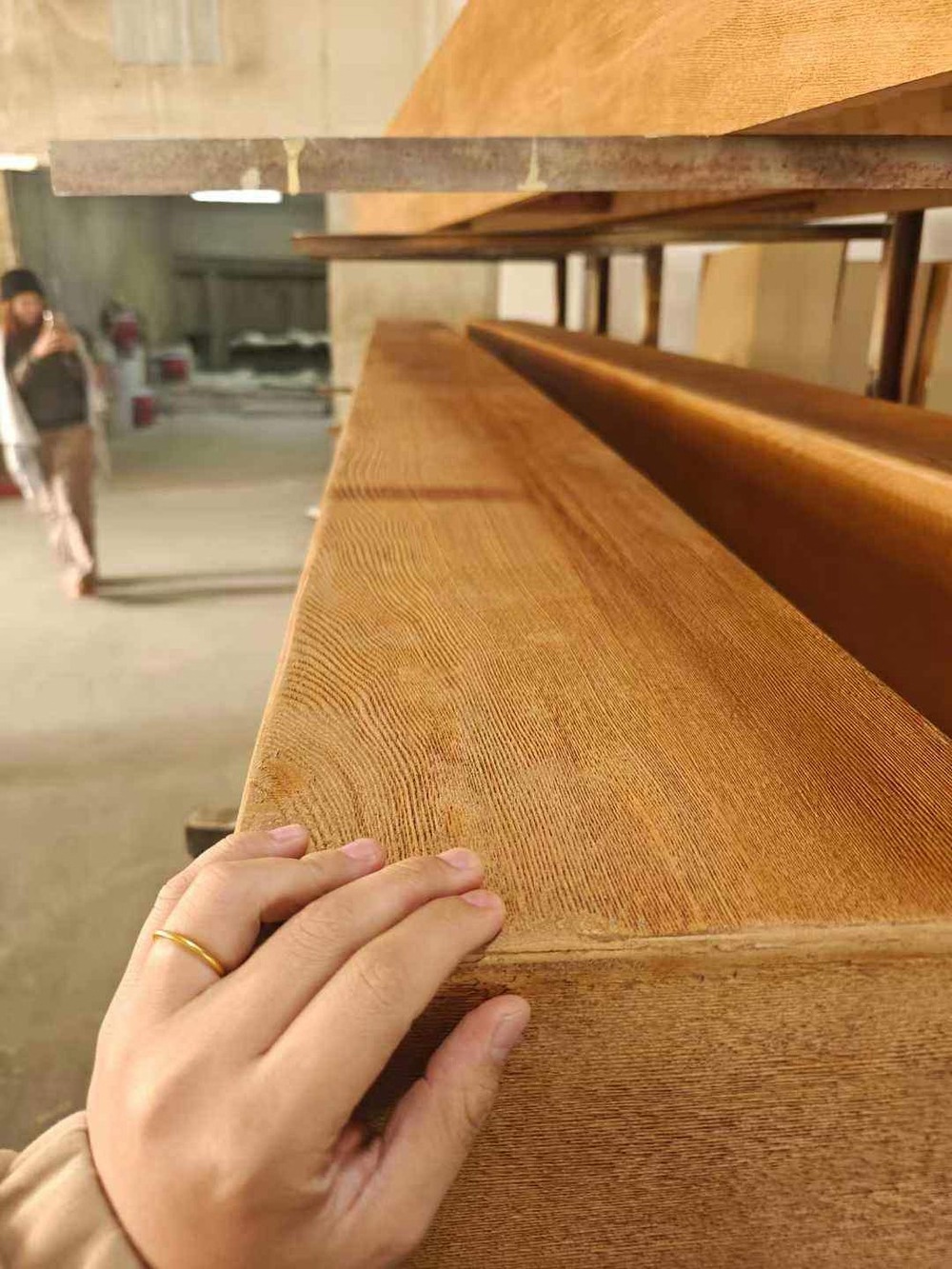
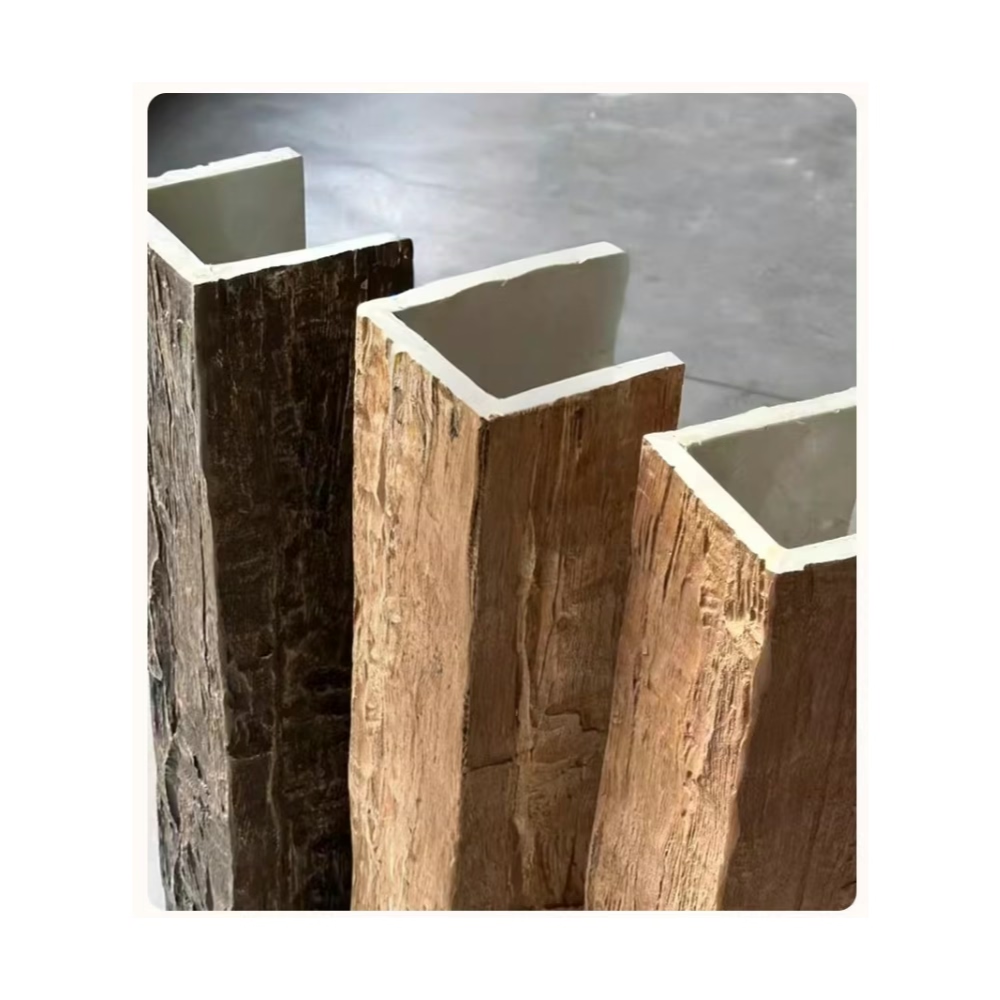
Texture specifications address the surface characteristics that create authentic wood appearance. Embossing depth, pattern type, and surface gloss level all affect how convincing the wood illusion appears. Reference to manufacturer standard textures with allowance for variation ensures realistic expectations while providing meaningful quality standards.
Acceptable variation guidelines establish how much deviation from perfect appearance remains acceptable. No manufacturing process achieves absolute perfection, and realistic specifications acknowledge this reality. Establishing clear variation limits prevents disputes between parties with different perfection standards while ensuring quality remains acceptable.
Performance Requirements
Fire performance requirements address safety concerns that code officials evaluate during permit review. Specifying required fire ratings with reference to applicable standards ensures products meet jurisdiction requirements. Most commercial applications require at least some level of fire resistance, with specific requirements varying by occupancy and building type.
Structural performance specifications clarify limitations on load-bearing and attachment. These specifications prevent misuse that might create safety hazards or property damage. Defining what loads beams can and cannot support guides both specification of appropriate products and coordination with other building systems.
Environmental performance requirements increasingly affect material selection for projects pursuing green building certifications. Volatile organic compound emissions, recycled content, and end-of-life disposal all factor into environmental performance assessment. Specifications should address these requirements when project sustainability goals make them relevant.
Coordination Requirements
Installation requirements must coordinate with other building elements that affect or are affected by beam installation. Ceiling structure conditions, mounting surface requirements, and attachment methods all require specification that enables proper installation. Coordination requirements become particularly important when beams interact with mechanical, electrical, or plumbing systems.
Tolerances and adjustment provisions address the reality that field conditions rarely match design assumptions exactly. Specifications should establish how variations from designed conditions will be addressed, preventing disputes about who bears responsibility for necessary modifications. Having these provisions in advance enables smooth problem-solving when field conditions require adaptation.
Testing and inspection requirements establish verification procedures that confirm specification compliance. Who performs inspections, what constitutes acceptable compliance, and how non-compliance will be addressed all require specification before construction begins. These provisions protect both owners and contractors by establishing clear expectations.
Documentation and Submittal Requirements
Submittal procedures establish how specified products will be reviewed and approved before manufacturing or procurement proceeds. Shop drawings, samples, and technical data required for submittal should be clearly listed. Review timelines and approval procedures prevent delays while ensuring adequate evaluation time.
Mock-up requirements address situations where sample evaluation alone proves insufficient for approval. Full-scale mock-ups demonstrating appearance, coordination with other elements, and installation approach provide additional confidence before committing to complete installation. Specification of mock-up requirements ensures this evaluation happens when needed rather than as afterthought.
Closeout documentation requirements address information that should transfer to building owners upon project completion. Maintenance instructions, warranty documentation, and recommended spare parts lists help owners maintain installed beams properly. These requirements ensure that investment in quality specifications continues paying dividends throughout the building's service life.

Comprehensive specifications for polyurethane faux wood decorative beams establish clear requirements that serve all project participants. By addressing product descriptions, appearance standards, performance requirements, coordination needs, and documentation, well-written specifications enable successful project outcomes. The specification investment pays returns throughout design, construction, and the building's operational life.
Technical References
ASTM standards cited in every specification
Test Data
Lab results from internal testing program
Updated 2026
Reviewed against current product specs