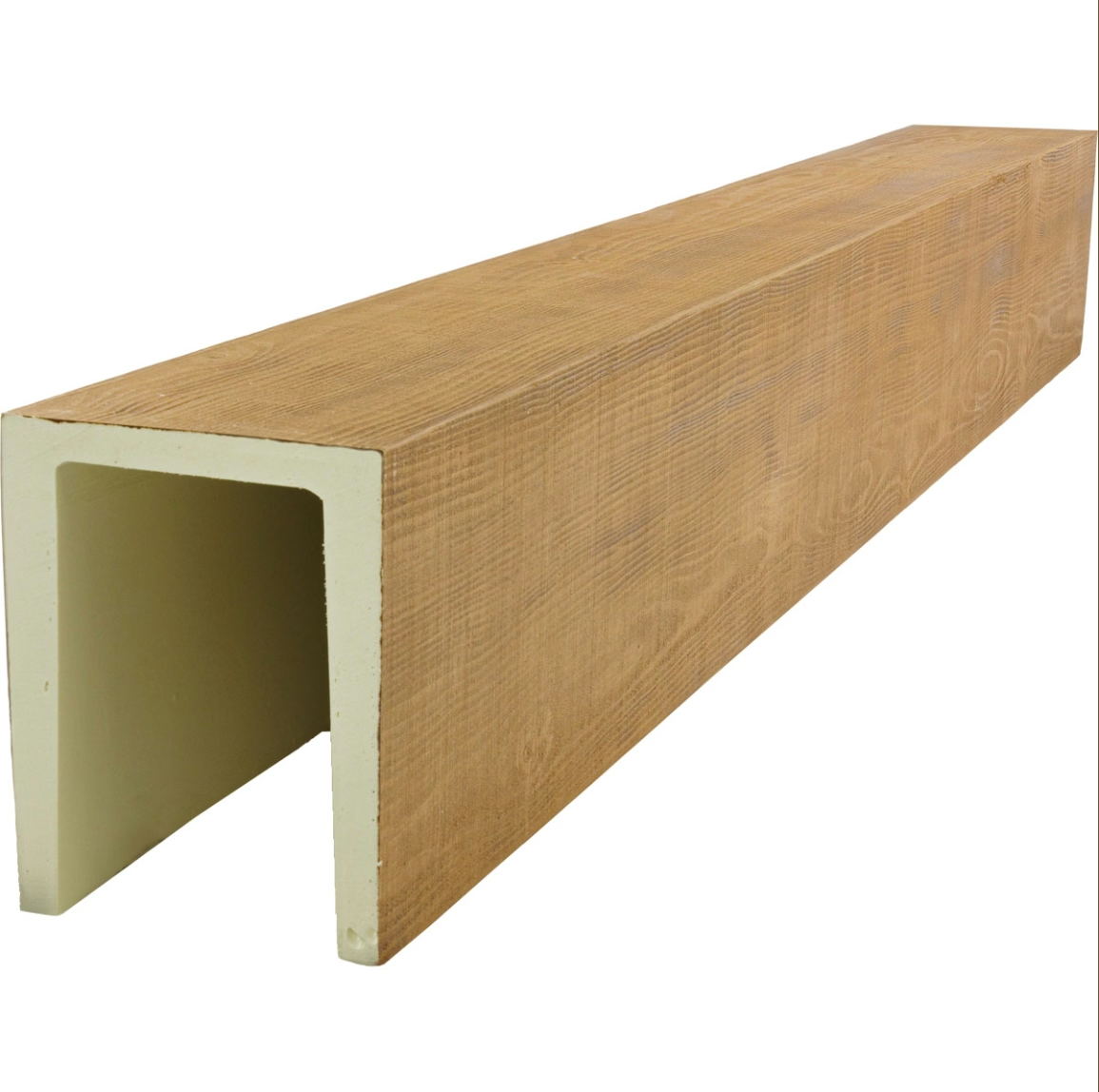
When planning a ceiling renovation or new construction project, the search for authentic-looking wood beams often leads builders and designers to a frustrating crossroads. Solid timber brings genuine character but carries significant weight, requires structural reinforcement, and commands premium prices. Meanwhile, compromising on aesthetics feels like a step backward. Standard stock size hollow faux timber decorative ceiling beams resolve this tension elegantly, offering the visual impact of traditional wood without the associated burdens.
Understanding Standard Stock Sizes in Faux Beam Manufacturing
The concept of standard stock sizes exists for practical reasons that benefit everyone involved in a construction or renovation project. Manufacturers produce hollow faux beams in consistent dimensions because these measurements align with common architectural requirements. A standard 6-inch by 8-inch beam, for instance, fits seamlessly into designs where ceiling joists are spaced at standard intervals. The 4-foot to 16-foot length options accommodate most residential ceiling spans without requiring custom fabrication.
Hollow construction distinguishes these beams from their solid counterparts in ways that matter enormously for installation. The interior void reduces weight by approximately 70 percent compared to solid polyurethane of the same dimensions. This weight reduction transforms what would require two or three people to lift into a single-person installation job. Contractors appreciate this efficiency because it translates directly to labor cost savings on the job site.
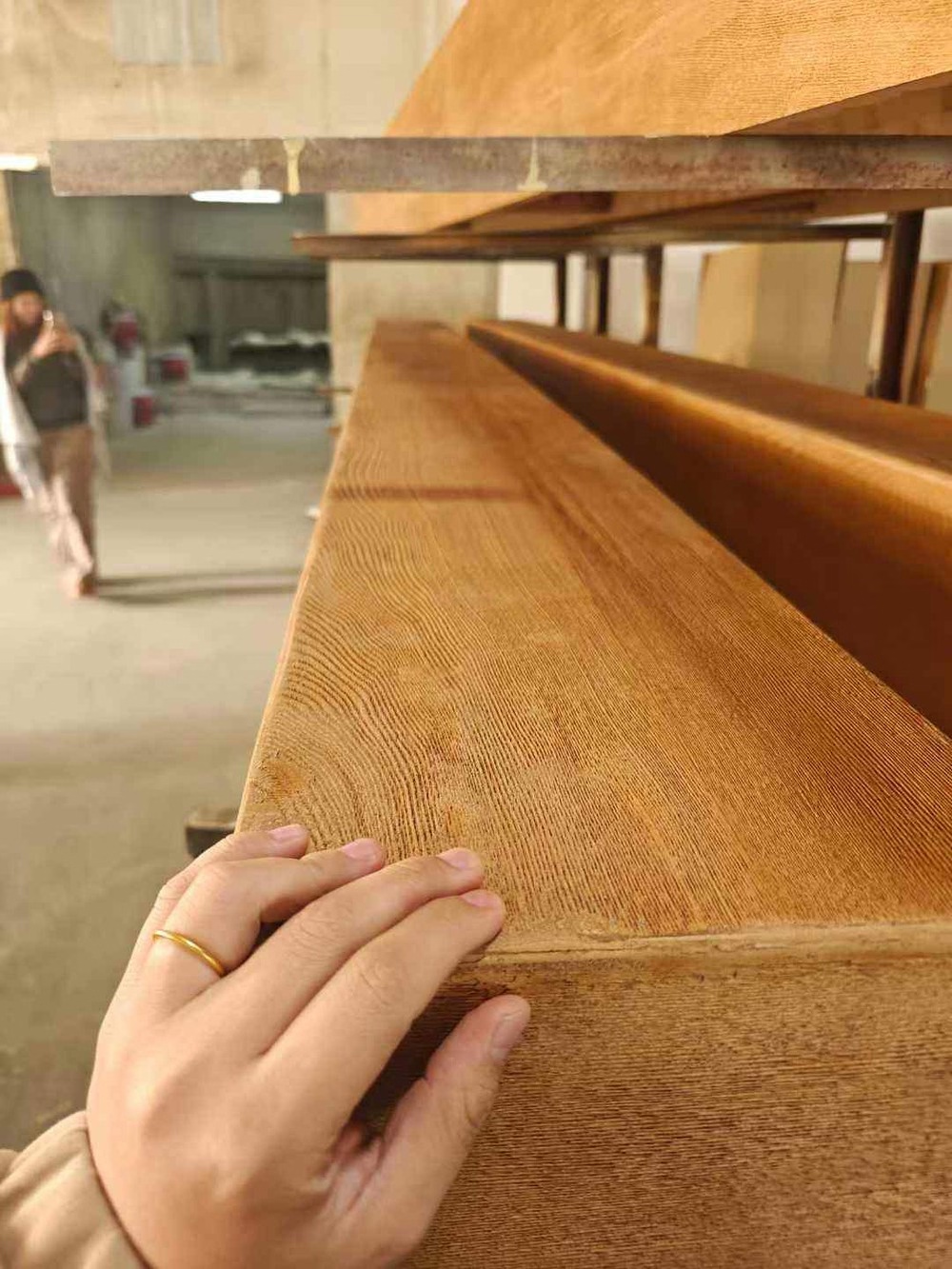
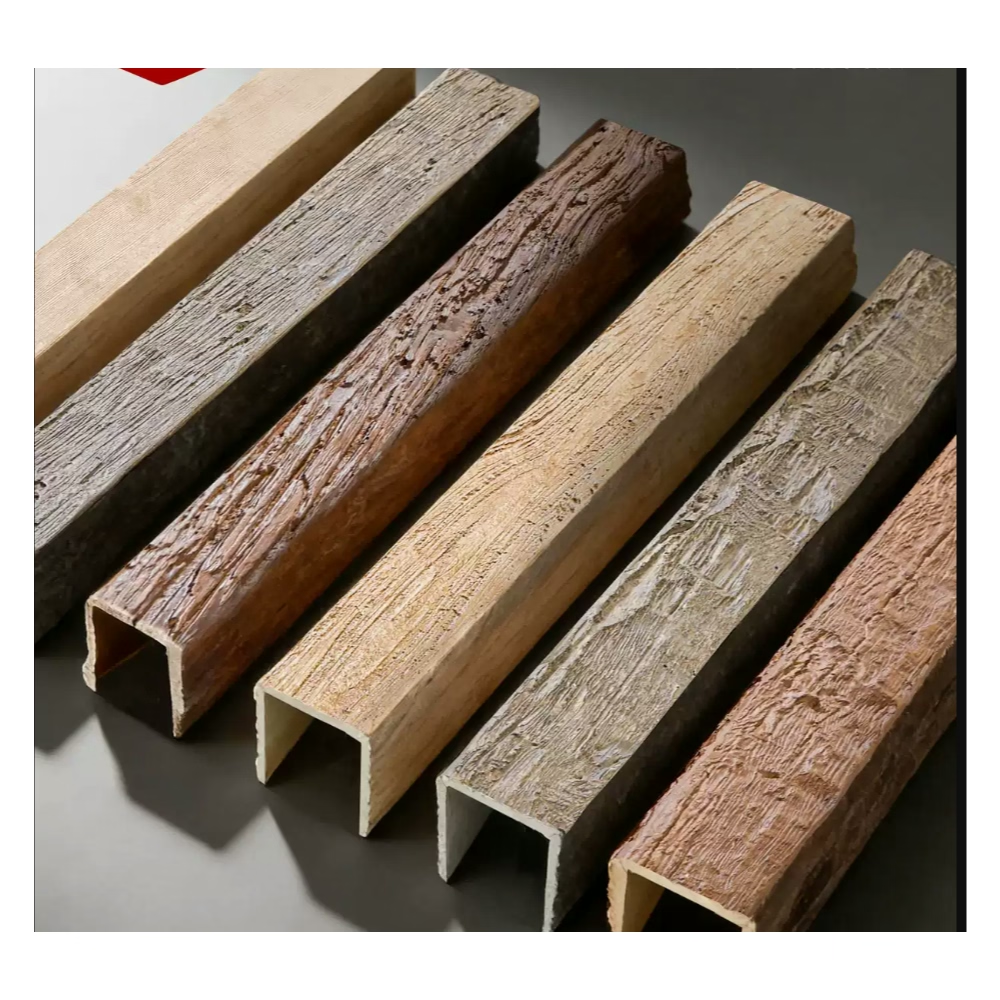
The manufacturing process for hollow faux timber beams involves molding polyurethane around a structural core, typically made from engineered wood or lightweight metal. This core provides the mounting points and structural stability needed for secure attachment to ceiling surfaces. The outer shell receives detailed texturing that captures the natural variations found in real wood grain, including knots, weathering patterns, and color variations that give timber its distinctive appearance.

Installation Advantages of Hollow Faux Timber Beams
The installation process for hollow faux timber beams differs markedly from working with genuine timber. Because these beams weigh significantly less, the mounting hardware required is correspondingly lighter. Most hollow faux beams attach using a combination of cleats, screws, and construction adhesive. The hollow interior allows you to run wiring, HVAC ductwork, or other utilities through the beam when needed, adding a functional dimension to their decorative purpose.
Preparation work for hollow faux beams involves locating ceiling joists and marking their positions. Unlike solid timber that requires heavy-duty lag bolts and potentially additional structural support, hollow faux beams mount to joists using appropriately sized screws that penetrate the beam's structural core. The lightweight nature means that ceiling-mounted installations don't require the same load calculations that would apply to genuine heavy timber.
Seaming multiple beams together presents fewer challenges with hollow faux timber than with solid wood. The consistent dimensions of standard stock sizes mean that beams join cleanly at corners and intersections. Contractors can cut these beams using standard woodworking tools—a circular saw or miter saw with a fine-tooth blade produces clean cuts without splintering. The polyurethane material accepts caulk and paint seamlessly, allowing installers to hide joints and create continuous runs that appear as single, massive pieces of timber.
Design Applications for Standard Stock Hollow Beams
Residential applications for standard stock hollow faux timber beams span from whole-home installations to targeted accent projects. Great rooms and living areas benefit from exposed beam ceilings that add architectural interest without overwhelming the space. Kitchens frequently feature these beams above islands or along the perimeter of dropped ceilings, creating visual separation between cooking areas and adjacent living spaces. Bedrooms and home offices gain warmth and character when beams frame the ceiling above the primary furniture arrangement.
Commercial interiors embrace hollow faux timber beams for their combination of aesthetic appeal and practical installation characteristics. Restaurants and hospitality venues require installations that create ambiance without compromising ceiling structure or requiring extensive engineering reviews. The lightweight nature of hollow beams means they can be installed in spaces where ceiling load limits would preclude solid timber. Retail environments appreciate the warm, natural aesthetic that draws customers into spaces designed to feel inviting rather than sterile.
The hollow construction opens possibilities for integrated lighting installation that solid timber cannot offer. Contractors can cut openings in the bottom of hollow beams to accommodate recessed lighting fixtures. The interior void provides space for wiring while the beam itself conceals the fixture housing. This integration creates the impression of lighting emerging from the timber itself, a design element that enhances both functionality and atmosphere.
Cost Considerations and Long-Term Value
Comparing the cost of hollow faux timber beams against genuine timber requires examining multiple factors beyond the initial purchase price. Solid timber beams of equivalent dimensions typically cost three to five times more than their faux counterparts. However, the cost comparison extends beyond the beam itself to include structural requirements, installation labor, and finishing work.
Solid timber requires kiln drying to prevent warping and twisting after installation. This process adds both time and expense to projects. Faux polyurethane beams arrive ready for installation without additional drying time. The material doesn't warp, crack, or split regardless of humidity changes, eliminating the subtle but persistent maintenance concerns that accompany genuine wood.
Installation labor costs favor hollow faux beams in most scenarios. The reduced weight means faster installation times and fewer workers needed on-site. No special lifting equipment is required, and the straightforward mounting process requires less specialized expertise. These factors combine to produce total installed costs that often run 50 to 70 percent below comparable solid timber installations.
Choosing the Right Standard Size for Your Project
Selecting appropriate beam dimensions involves balancing visual impact with proportional appropriateness for the space. Large, soaring ceilings can accommodate substantial beams that command attention and fill vertical space effectively. Smaller rooms or lower ceilings require more restrained dimensions that add character without overwhelming the architecture. A professional designer can help identify proportions that achieve the desired effect while maintaining visual harmony.
Standard stock sizes simplify the specification process because they represent tried-and-true dimensions that work well in typical applications. When a design calls for custom dimensions, manufacturers can produce non-standard sizes, but this typically involves longer lead times and higher unit costs. For most projects, working with standard sizes provides the best combination of availability, cost, and proven performance.
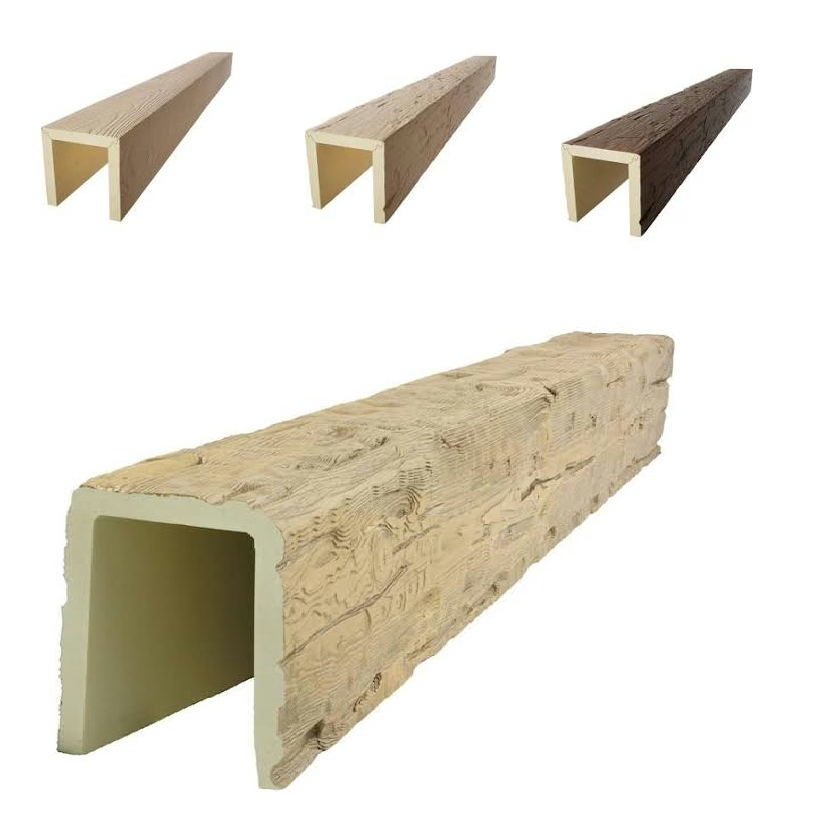
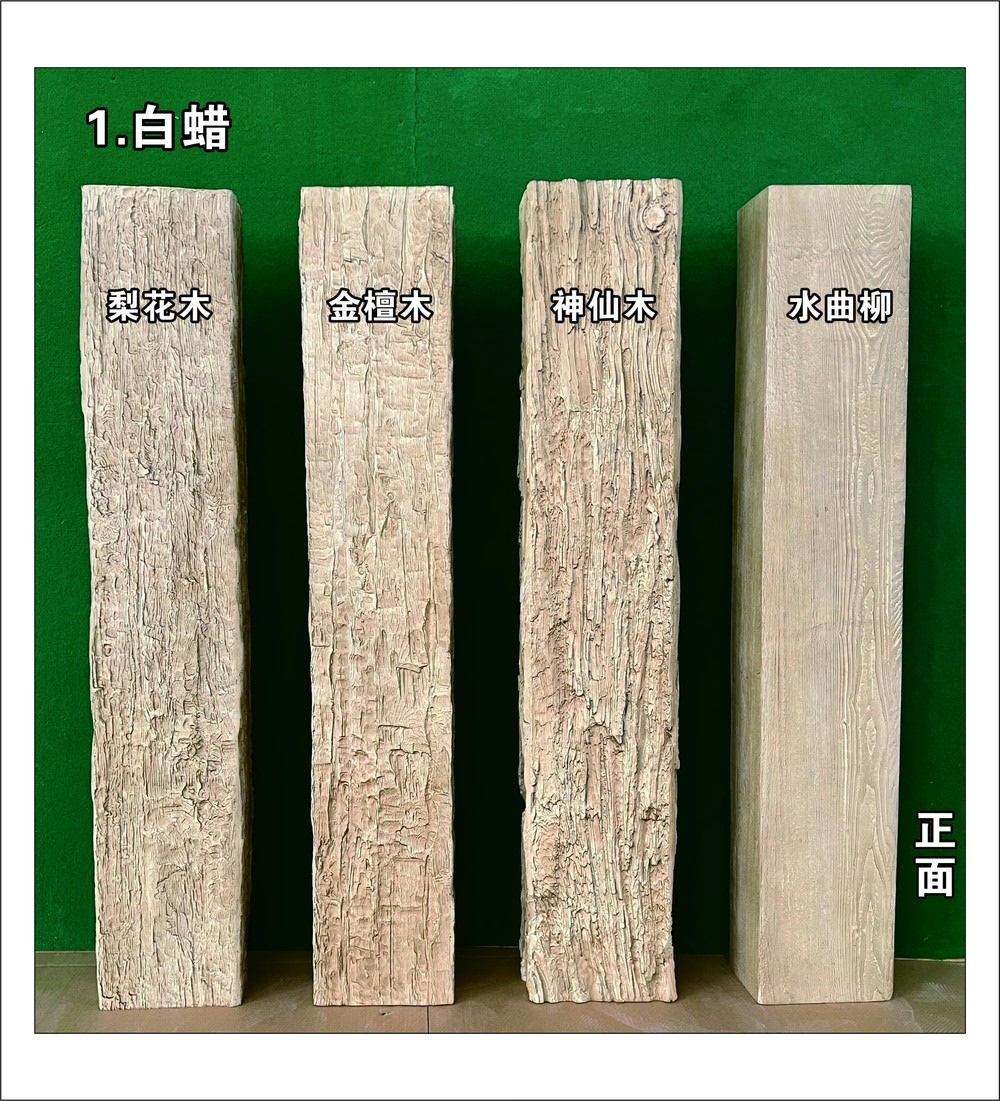
The texture and color of hollow faux timber beams should complement the overall design scheme of the space. Manufacturers offer various wood species simulations, from honey-toned oak to rich walnut to weathered gray barn wood. The same standard stock beam can appear rustic or refined depending on the finish selected and the context of the surrounding architecture.
Maintenance and Durability of Hollow Faux Timber Beams
One of the most appealing aspects of hollow faux timber beams involves their minimal maintenance requirements. Unlike genuine wood, polyurethane doesn't require periodic sealing or staining to maintain its appearance. The color extends through the material, meaning that any scratches or damage reveal the same color rather than raw material underneath. Minor repairs can be accomplished with caulk or filler compounds designed for polyurethane substrates.
The durability of hollow faux beams makes them suitable for challenging environments where genuine wood might suffer. Bathrooms and kitchens with fluctuating humidity levels present no concerns for polyurethane beams. The material resists moisture absorption entirely, eliminating the swelling, warping, and rot that can affect natural wood in these settings. This resistance extends the beams' useful life significantly compared to wood alternatives.
Cleaning hollow faux timber beams requires only routine dusting or occasional wiping with a damp cloth. The smooth surface of polyurethane doesn't trap dust and allergens the way rough-hewn natural wood might. This characteristic makes faux beams particularly suitable for environments where air quality matters, including healthcare facilities, schools, and residential spaces occupied by individuals with allergies or respiratory sensitivities.
Environmental Considerations
Hollow faux timber beams offer environmental advantages that increasingly influence purchasing decisions. By choosing polyurethane faux beams over harvested timber, projects reduce demand for old-growth wood and the habitat destruction that often accompanies logging operations. The lighter weight of hollow beams also reduces transportation-related fuel consumption and associated carbon emissions during shipping.
The manufacturing process for polyurethane beams, while energy-intensive, produces less environmental impact than the combined impacts of timber harvesting, milling, drying, and long-distance transportation that characterize the solid wood supply chain. Some manufacturers incorporate recycled materials into their beam formulations, further reducing the environmental footprint of these products.
The longevity of hollow faux beams contributes to their environmental profile by reducing replacement frequency. A genuine timber beam that develops cracks, warping, or rot within a decade or two requires replacement, adding to landfill burden and necessitating new manufacturing. A well-made hollow faux beam can provide decades of service without replacement, distributing its manufacturing impact across a longer useful life.
Professional Guidance and Project Consultation
Whether approaching a ceiling beam project as a homeowner planning DIY installation or as a contractor managing a commercial installation, professional guidance adds value to the specification and installation process. Manufacturers and distributors often provide technical support services that help ensure proper installation techniques and appropriate hardware selection.
Design professionals bring experience with proportional relationships and aesthetic considerations that can elevate a beam installation from merely adequate to genuinely impressive. The same beams installed with slightly different spacing, finishing, or lighting integration can produce dramatically different visual outcomes. Consulting with an experienced designer before finalizing specifications helps avoid costly corrections after installation.
Contractors unfamiliar with hollow faux beam installation benefit from manufacturer-provided documentation and occasionally from on-site training or consultation services. Understanding the specific requirements for these products—including appropriate adhesives, fastener specifications, and finishing techniques—ensures installations that perform reliably over time.
Technical References
ASTM standards cited in every specification
Test Data
Lab results from internal testing program
Updated 2026
Reviewed against current product specs