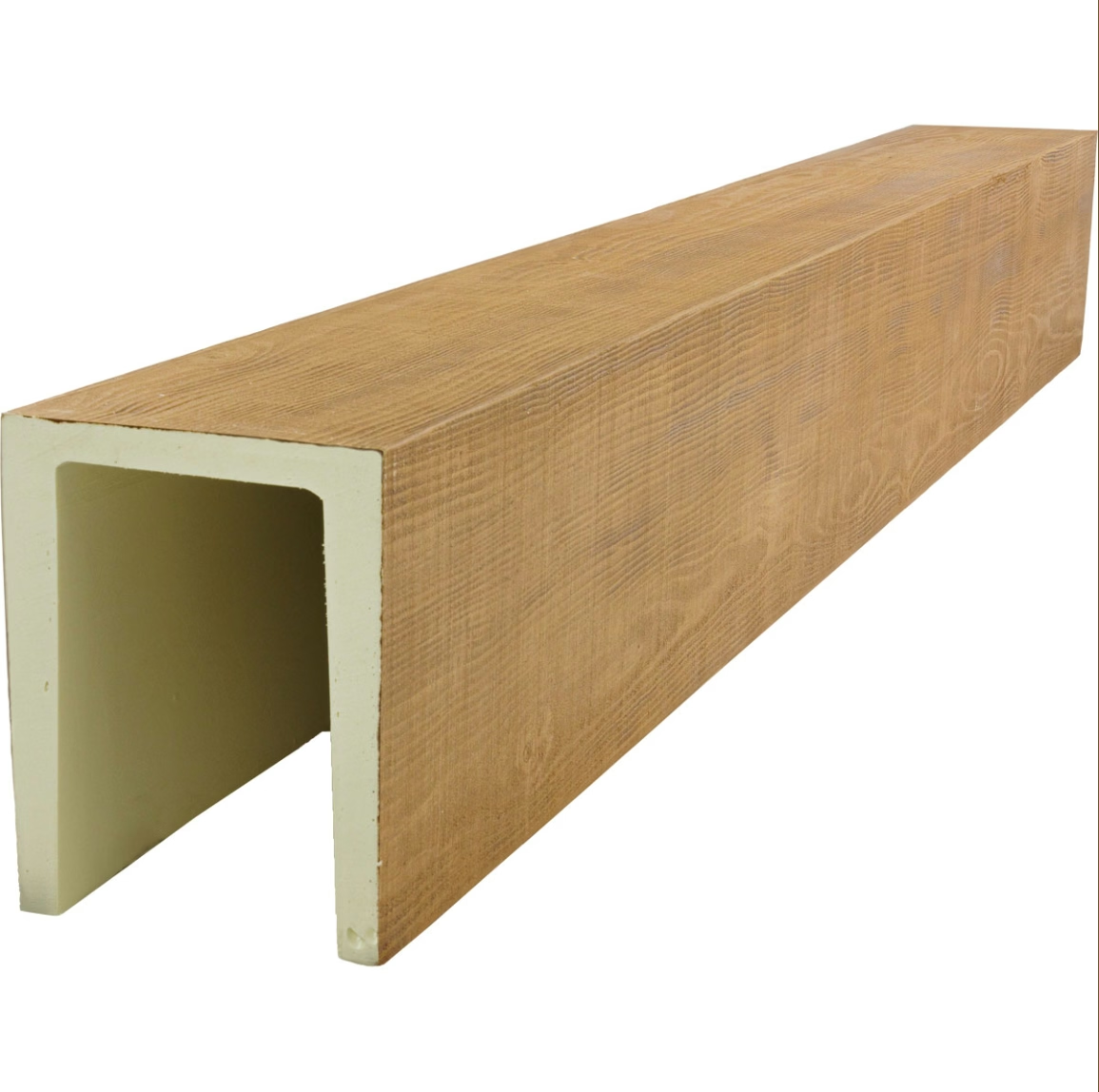
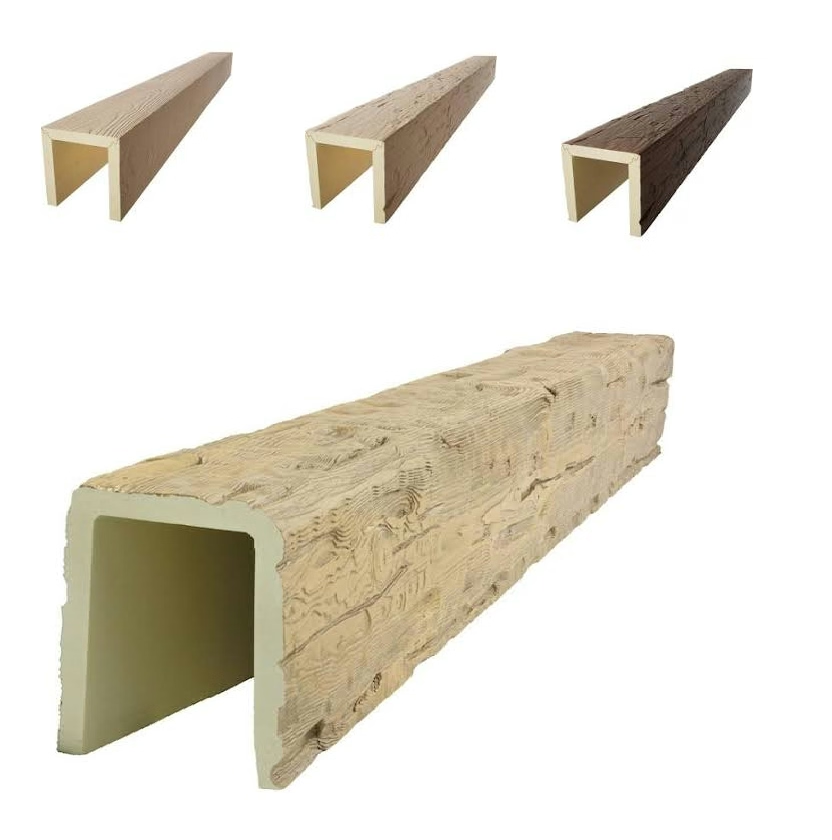
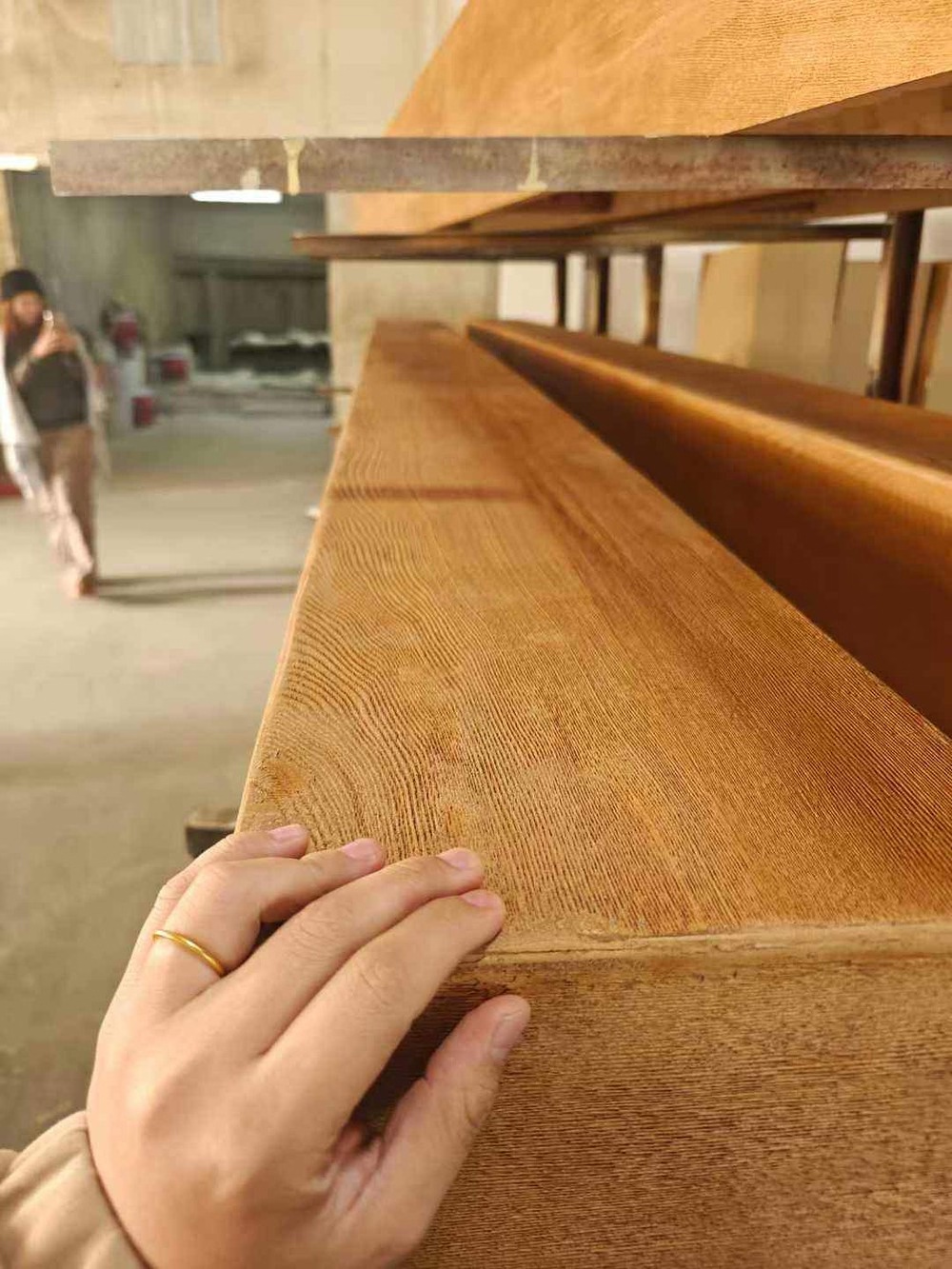
The language of specifications exists for a reason. When architects write detailed requirements into project documents, they're not being unnecessarily complicated—they're protecting the integrity of their designs and ensuring that what gets built matches what they envisioned. I learned this lesson years ago while working with a design firm that had specified "premium faux timber beams" without defining what premium meant. The beams that arrived met the manufacturer's definition of premium, which differed substantially from what the project needed. That ambiguity cost three weeks of delays while we sorted out substitutions that could have been avoided with tighter specifications from the start.
Specification-grade products exist to bridge the gap between design intent and construction reality. They carry qualities that allow architects to specify with confidence, knowing that purchased materials will perform as the design requires. Understanding what distinguishes specification-grade faux timber beams from commodity alternatives helps designers write better specifications and helps contractors source products that won't disappoint.
Defining Specification-Grade Quality
Specification-grade doesn't simply mean expensive or high-quality—it describes a category of products tested and verified against published standards. When a manufacturer calls something specification-grade, they typically mean the product has been evaluated against defined performance criteria and found to meet or exceed them. The specific criteria matter enormously, as different applications demand different performance characteristics.
Physical properties form the foundation of specification-grade evaluation. Density measurements establish how much material fills a given volume, directly affecting durability and structural behavior. Compressive strength determines load-bearing capacity for beams that will support any weight. Impact resistance indicates how well products withstand the mechanical stresses of installation and use. These properties should be documented through standardized testing, with results traceable to specific production processes and formulations.
Dimensional tolerances describe acceptable variation from nominal specifications. A four-by-eight-inch beam might be acceptable anywhere from 3.875 by 7.875 inches to 4.125 by 8.125 inches, depending on the tolerance class specified. Tighter tolerances require more precise manufacturing and better quality control but deliver products that install cleanly and align predictably. The tolerance class appropriate for your project depends on how critical alignment and fit become for your specific installation.
Surface Treatment Technologies
Advanced surface treatments distinguish premium faux timbers from basic reproductions. Multi-layer coating systems apply sequentially, with each layer serving a specific purpose. Base coats prepare the surface and provide adhesion for subsequent layers. Texturing coats establish the wood grain pattern and depth. Color coats build the final appearance with appropriate tones and variations. Top coats protect everything beneath while providing cleanable surfaces suitable for various environments.
UV-resistant formulations prevent the degradation that sunlight causes in inadequately protected materials. Indoors, UV exposure remains relatively low, but even ambient light accumulated over years causes gradual change in insufficiently protected products. Outdoors or in spaces with significant daylight exposure, UV protection becomes critical. Premium products incorporate UV absorbers throughout the material matrix, not just in surface coatings that can wear or scratch away.
Chemical resistance matters for beams that will be exposed to cleaning agents, atmospheric pollutants, or other potentially damaging substances. Commercial kitchens, industrial spaces, and locations near chemical storage require beams that tolerate accidental exposure without surface damage. Specification-grade products should include documented chemical resistance ratings for common substances encountered in their intended application environments.
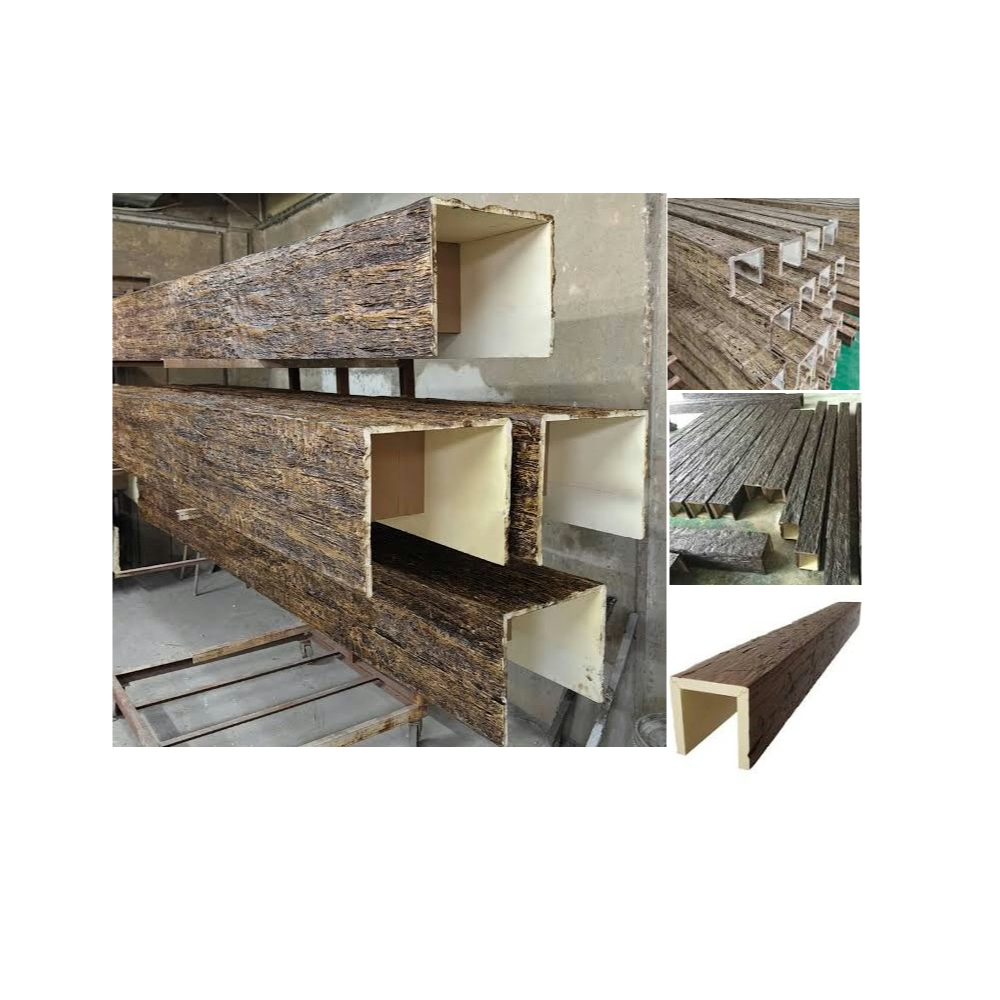
Manufacturing Process Validation
How products are made affects whether they consistently meet specifications. Manufacturers producing specification-grade materials maintain documented processes that operators follow precisely. Each production step includes defined parameters—temperatures, pressures, timing, material ratios—that quality control monitors and records. Deviations from parameters trigger investigation and potential product segregation before defective items reach customers.
Raw material qualification ensures that incoming components meet the standards necessary for consistent finished products. Even minor variations in resin properties or pigment characteristics can compound through manufacturing processes, resulting in finished products that don't match expectations. Leading manufacturers test incoming materials against specifications and reject lots that don't meet requirements, maintaining the input consistency their processes depend upon.
Production sampling and testing validates that finished products actually meet specifications. Rather than assuming processes work correctly, specification-grade production involves statistical sampling that confirms output quality. Each tested sample represents a batch of products, with test results determining whether batches are released for sale or held for investigation. This discipline catches problems before products reach customers.
Verifying Supplier Credentials
Manufacturers claiming specification-grade status should demonstrate their credentials through testing documentation and quality certifications. Independent laboratory testing provides unbiased verification of performance claims. ISO 9001 quality management system certification indicates systematic attention to quality processes throughout the organization. Industry association memberships suggest engagement with professional standards development and continuous improvement.
Site visits and facility tours provide firsthand understanding of manufacturing capabilities. Seeing equipment, observing processes, and meeting personnel reveals information that questionnaires cannot capture. Many specification writers include facility inspection rights in purchasing agreements, reserving the ability to verify that stated capabilities actually exist.
Reference installations demonstrate real-world performance over time. Products performing well in similar applications provide confidence that specifications will translate into satisfactory results. Requesting and following up on reference projects—whether through site visits, photographs, or conversations with previous clients—provides practical validation of manufacturer claims.

Technical References
ASTM standards cited in every specification
Test Data
Lab results from internal testing program
Updated 2026
Reviewed against current product specs