
The choice between real wood and faux beams isn't as simple as budget versus beauty. Each material serves different purposes, and understanding their fundamental differences helps architects, contractors, and homeowners make selections that perform as expected. I've seen beautiful designs fail because someone specified faux beams where only real wood could work, and I've seen budgets blown because someone assumed real wood was necessary when faux would have served perfectly well.
The confusion often starts with terminology. Words like "beam" and "timber" carry connotations of structural weight-bearing capacity, but decorative applications don't require that capacity. A beam doesn't have to be load-bearing to be a beam—it just needs to look like one convincingly. Understanding this distinction unlocks the full potential of faux materials while respecting the genuine strengths of real wood.
Material Properties Comparison
Real wood beams are exactly what they appear to be: solid wood, whether dimensional lumber, engineered timber, or reclaimed material. The species, grade, and moisture content of this wood determine its structural properties. Dense hardwoods like oak carry more load than softer coniferous species. Clear grades without knots or defects outperform lower grades. Kiln-dried material maintains dimensions better than green lumber that shrinks as it dries.
Structural polyurethane beams are manufactured products with carefully controlled properties. Density, compressive strength, and impact resistance are specified during formulation and verified through quality control testing. Unlike natural wood, where properties vary even within individual pieces, manufactured beams perform consistently from piece to piece. This predictability simplifies specification and installation.
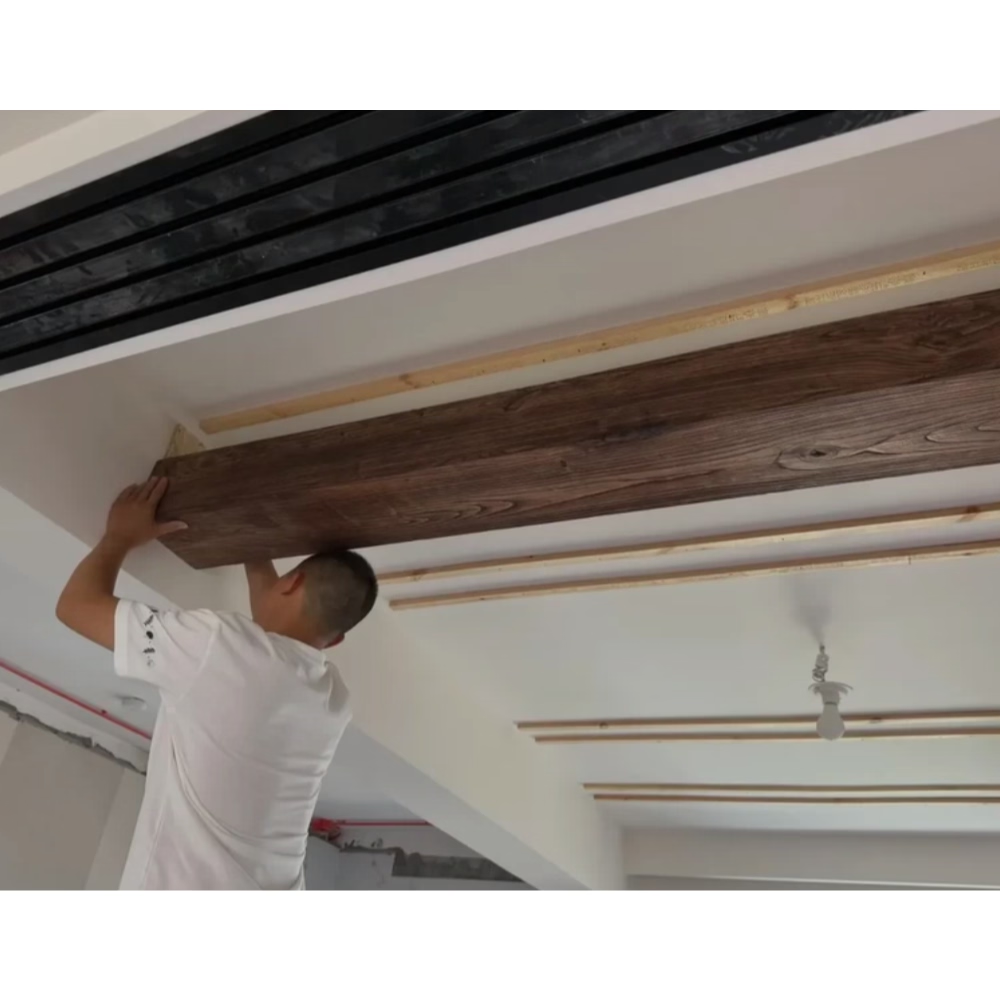
Weight differences between the two materials dramatically affect installation requirements and structural demands. A solid oak beam eight feet long and six inches square weighs roughly 80 pounds—requiring substantial mounting hardware and potentially structural support below. A faux beam of identical dimensions weighs under 15 pounds, attachable with construction adhesive and a few screws. This weight difference makes faux beams accessible for installations where real wood simply isn't practical.
Appropriate Applications for Each
Real wood beams earn their place when structural load-bearing capacity is genuinely needed. In new construction or major renovation, genuine timber can serve as the primary structure while simultaneously providing aesthetic contribution. This dual-purpose approach can be cost-effective when structural needs already exist. In additions, bump-outs, or other situations where spans require support, real timber eliminates the need for separate decorative covering.
Decorative applications that don't require load-bearing capacity are ideal for faux beams. Creating the appearance of exposed timber in spaces without structural beams, updating dated real beams with fresh finishes, or adding architectural interest where structure doesn't permit real timber are all applications where faux excels. The time and cost required for real wood become unnecessary when no structural function is needed.
Hybrid approaches combine both materials effectively. Real wood support beams receive faux decorative coverings that update their appearance without removing them. Real timber combined with faux timbers creates larger installations than pure real wood would allow. These combinations leverage the strengths of each material while minimizing their respective weaknesses.
Cost and Availability Considerations
Budgetary realities influence beam material selection significantly. Real wood beams command premium prices, particularly for large dimensions, unusual species, or reclaimed materials with desirable characteristics. Fabrication, finishing, and special finishes add to base material costs. The total investment required for genuine timber beams can exceed faux alternatives by factors of five to ten or more.
Faux beam pricing remains relatively stable regardless of size or complexity. Molds are manufactured once and produce consistent products indefinitely, spreading development costs across many units. Raw materials for polyurethane production are commodity-priced and don't experience the supply fluctuations that affect lumber markets. This stability simplifies budgeting and prevents the unpleasant surprises that lumber price swings create.
Availability affects project timelines as much as budgets. Real timber beams require sourcing, often involving specialized suppliers who maintain limited inventories. Large or unusual sizes may require special orders with extended lead times. Custom specifications—specific species, particular grain patterns, special dimensions—can take weeks or months to fulfill. Faux beams in standard sizes ship from inventory within days, with custom productions typically completing within two to four weeks.
Making the Selection Decision
The appropriate selection depends on understanding what you're trying to achieve and which material serves those goals best. Starting with honest assessment of needs—whether any load-bearing function is actually required—eliminates unnecessary cost and complexity. Most decorative applications don't need real timber's structural capacity.
Aesthetic requirements also influence selection. While high-quality faux beams convincingly replicate wood appearance, some applications demand the authenticity of genuine timber. Period-correct restoration in historic properties, installations where touch and close inspection are likely, or client requirements for natural materials may tip the balance toward real wood despite the added cost and complexity.
Installation constraints often make the selection straightforward. Where ceiling structure cannot support real wood's weight, faux beams may be the only viable option. Where access limitations prevent maneuvering heavy timber, faux beams' lightweight nature becomes essential. Where code requirements specify particular fire ratings that real wood cannot meet, manufactured materials with certified ratings provide the only compliant solution.


Technical References
ASTM standards cited in every specification
Test Data
Lab results from internal testing program
Updated 2026
Reviewed against current product specs


