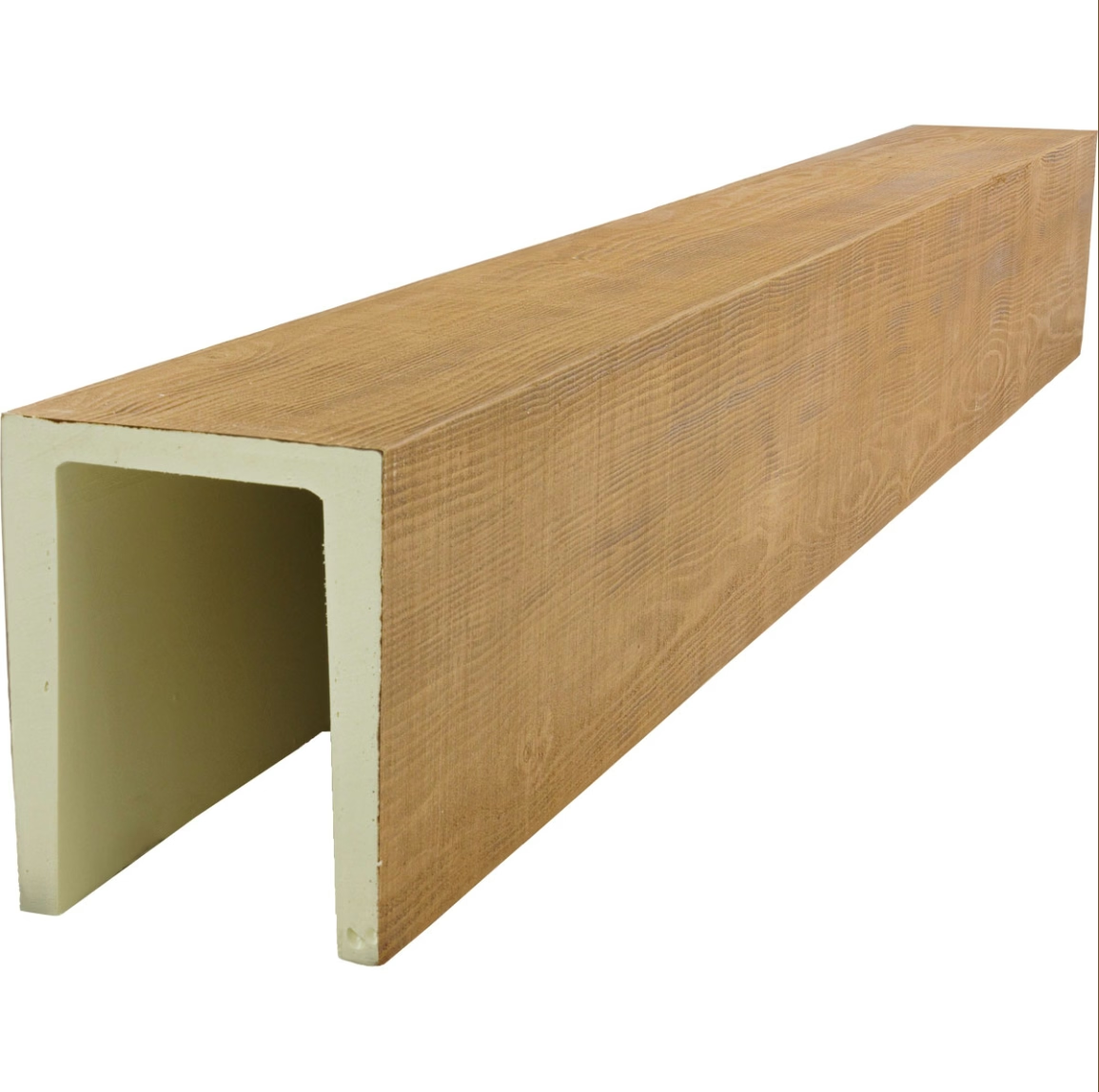
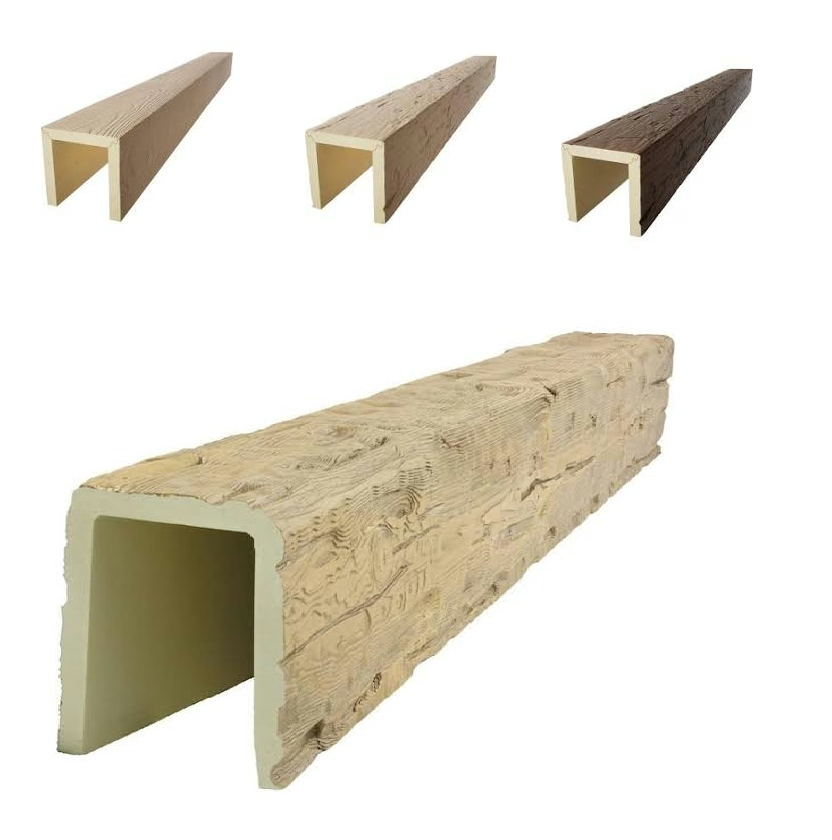
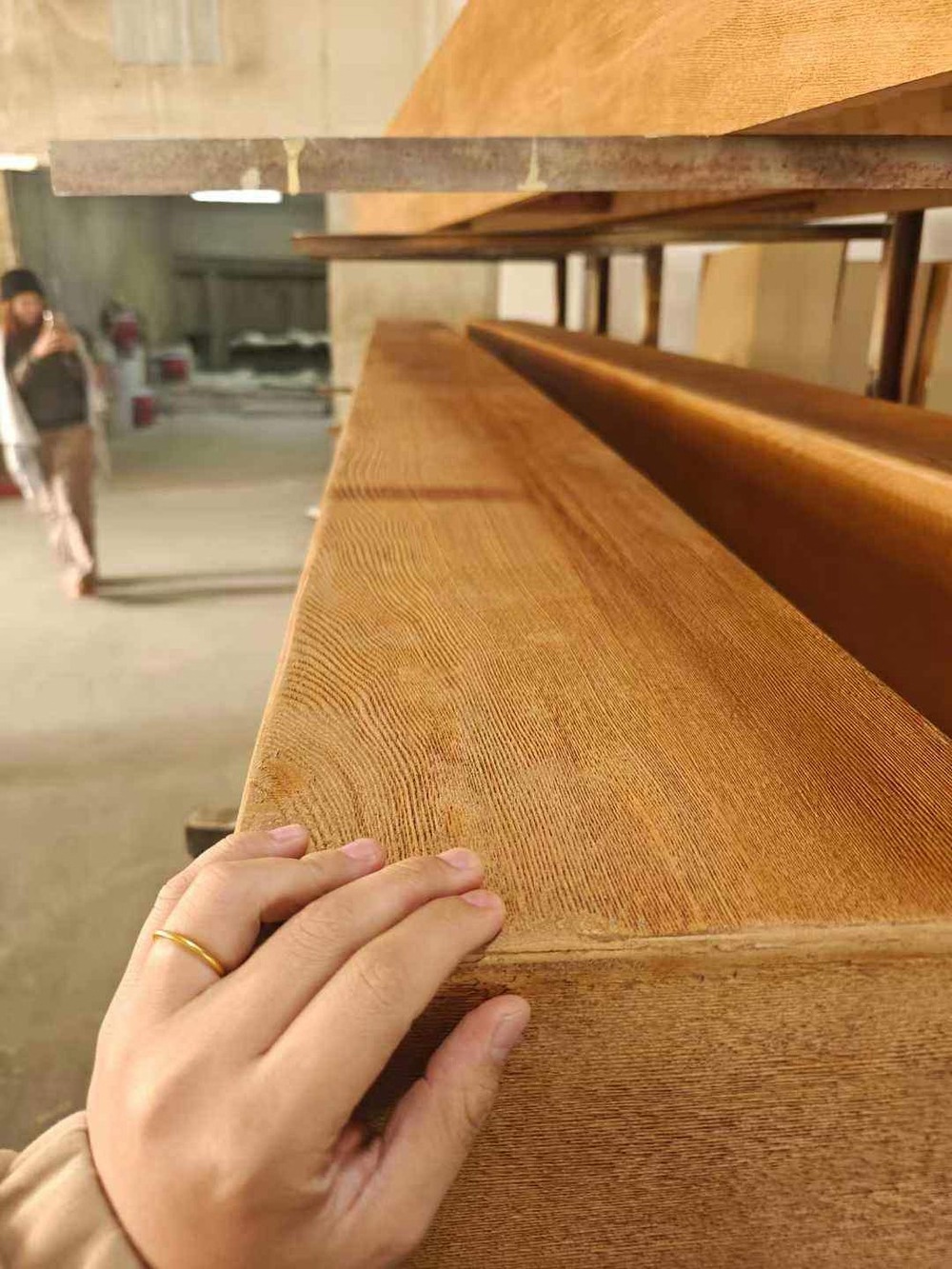
When browsing beam options, you'll encounter both hollow box beams and solid construction. This distinction isn't always obvious from product photos, but it significantly affects appearance, installation, and cost. Understanding the structural differences between these approaches helps you select beams that match your project's requirements and prevents surprises when installations are complete.
The naming can create confusion. "Box beam" originally described a specific structural member made by assembling lumber pieces into hollow square or rectangular cross-sections. These engineered members provide load-bearing capacity with less material than solid timbers of equivalent dimensions. In decorative applications, "box beam" has come to describe any hollow beam, regardless of whether it serves structural purposes. Solid beams may be genuine timber or manufactured products that achieve realistic appearance through density and surface treatment.
Construction Methods Compared
Solid beams, whether genuine timber or manufactured faux products, contain material throughout their cross-section. Genuine solid timber beams are sawn from tree trunks or manufactured from glued laminated lumber. Faux solid beams are cast or extruded with consistent density throughout. This solid construction creates the weight and substantial feel that many designers consider essential to authentic beam appearance.
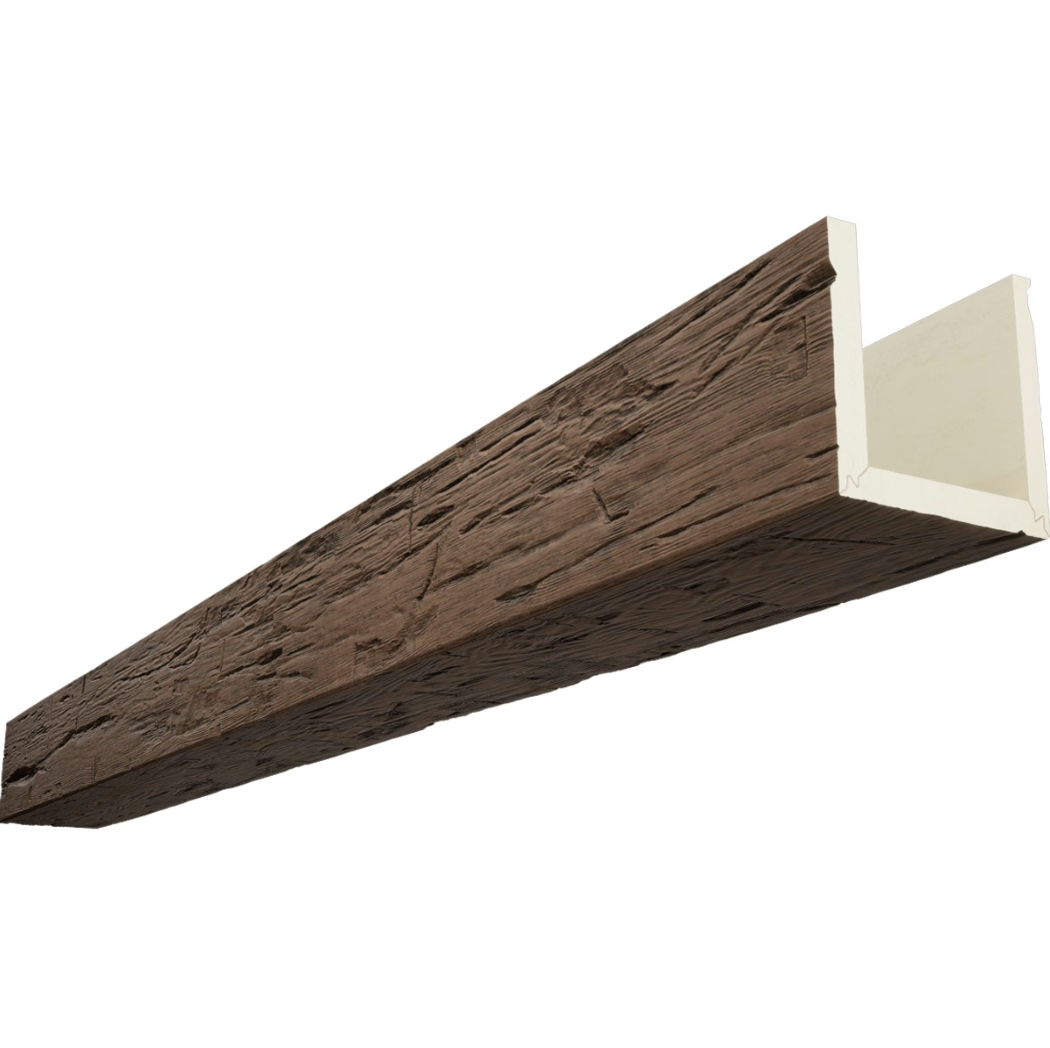
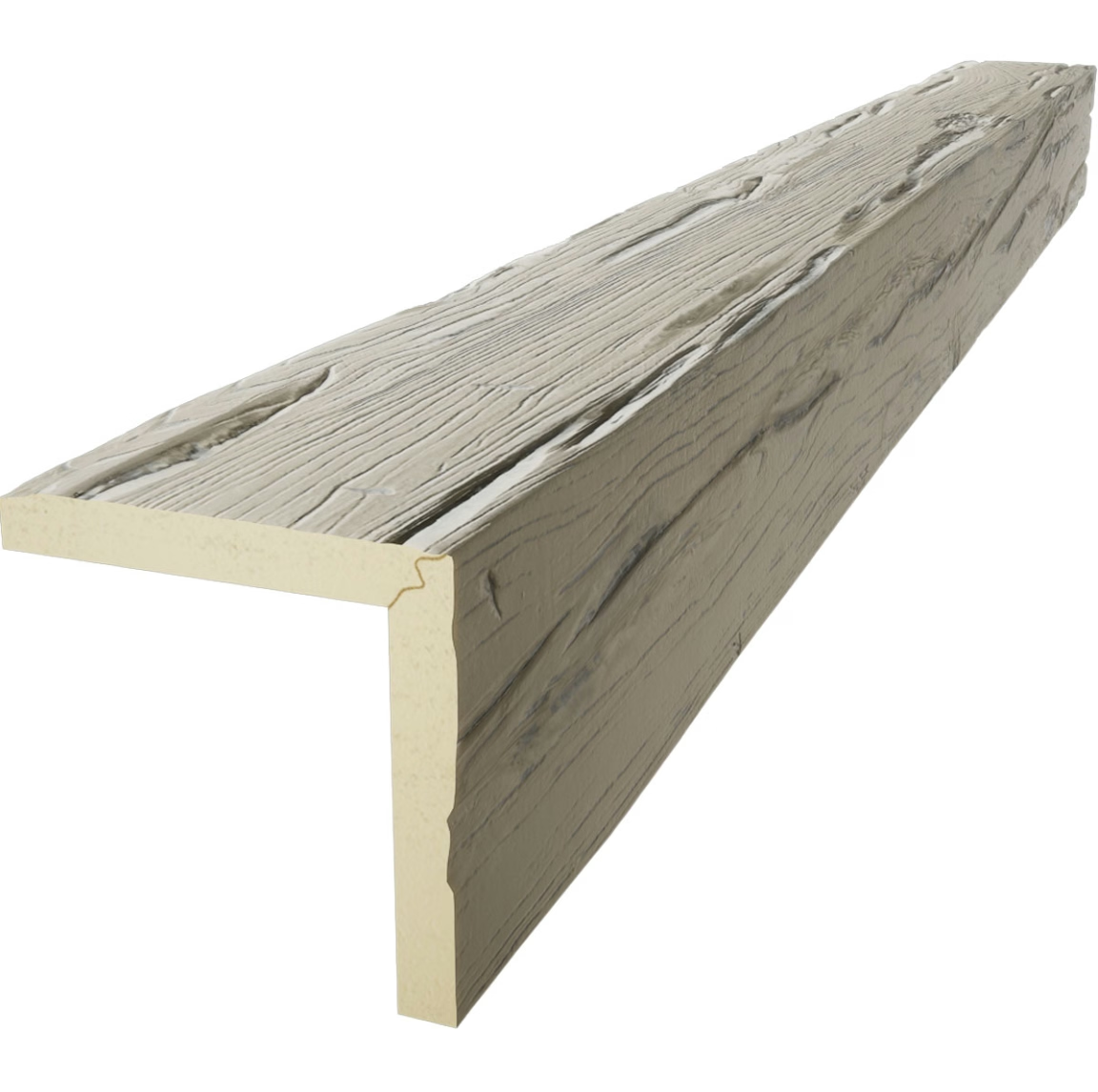
Box beams use an assembly approach where separate pieces form a hollow structure. In genuine timber construction, dimensional lumber or plywood pieces might be assembled to create a rectangular tube. In manufactured faux beams, the hollow construction results from the molding or extrusion process that creates walls surrounding an empty interior. This construction uses less material than solid cross-sections of equivalent external dimensions.
Weight differences follow directly from construction differences. Hollow box beams weigh substantially less than solid beams of the same external dimensions. This weight reduction affects handling, mounting requirements, and the ceiling conditions that installations demand. For many applications, hollow construction's weight advantage outweighs any aesthetic considerations favoring solid beams.
Appearance Considerations
Close inspection reveals construction differences that can affect authenticity perception. Solid beams cast consistent shadows and respond to lighting in ways that trained eyes recognize. The interior of solid wood shows grain patterns consistent with the exterior; manufactured solid beams show material properties consistent throughout. Hollow beams, when viewed from angles that reveal their edges, show wall thickness rather than solid depth.
Texture application differs between construction types. On solid beams, textures can wrap continuously around corners, creating the natural variation that genuine wood displays. On hollow beams, textures often stop at corners or show seams where mold sections meet, potentially revealing the manufacturing process. Higher-quality manufacturers minimize these reveals, but they remain potential giveaways to close inspection.
For most practical purposes, quality hollow beams appear solid from normal viewing distances. Ceilings are typically viewed from below, and the underside of beams dominates perception. Edge reveals that might be visible during installation or maintenance become invisible once beams are mounted and rooms are occupied. The key is selecting quality products from manufacturers who understand and address the visual requirements of ceiling installations.
Installation Implications
Hollow construction simplifies many installation aspects. Reduced weight makes handling easier, particularly for one-person installation or ceiling access situations. Smaller mounting hardware suffices because the attachment loads are lower. No reinforcement is needed for hanging fixtures, speakers, or other items that might require reinforcement with heavier solid beams.
Solid beams—particularly genuine timber—require more substantial mounting approaches. The weight alone may require ceiling joist location and possibly structural reinforcement. Mounting hardware must be sized for the actual loads involved. Installing fixtures in or on solid beams may require drilling, anchors, or other strengthening measures that hollow beams don't need.
Ceiling clearance considerations favor hollow construction in some situations. Box beams of given external dimensions provide the same visual impact as solid beams while occupying less space. In rooms where ceiling height is limited, this space efficiency can be significant. The visual weight of hollow beams can be enhanced through lighting, corbels, or other design elements that add perceived mass without adding actual weight.
Making the Selection
The choice between box and solid construction depends on project-specific factors. Budget considerations favor hollow construction in most cases, since material requirements and shipping weights are lower. Aesthetic requirements in settings where close inspection is likely may favor solid construction's greater authenticity. Installation constraints like ceiling capacity or access limitations often eliminate solid options.
For the majority of decorative applications, hollow box beams provide the best balance of appearance and practicality. Modern manufacturing techniques produce convincing appearances at costs significantly below solid alternatives. The weight savings simplify installation while reducing mounting requirements. Most importantly, when installed properly, hollow beams deliver the aesthetic impact that projects require without the complications that solid construction introduces.
Genuine solid timber remains appropriate when structural function, period authenticity, or specific client requirements demand it. The decision should acknowledge that genuine timber carries ongoing maintenance requirements—sealing, possible refinishing, monitoring for moisture damage—that manufactured alternatives don't need. Weighing these ongoing considerations against initial appearance preferences helps ensure satisfied customers over the long term.

Technical References
ASTM standards cited in every specification
Test Data
Lab results from internal testing program
Updated 2026
Reviewed against current product specs