The evolution of faux wood beam technology has progressed significantly beyond simple foam reproductions of timber appearance. Polyurethane polymer composite beams represent the current state of that evolution, incorporating multiple material technologies to achieve performance characteristics that exceed what single-material approaches can deliver. Understanding these advanced materials helps architects, contractors, and specifiers select products that meet demanding project requirements.
Polymer composite construction combines different polymer systems to leverage the advantages of each while minimizing their individual limitations. One polymer may provide excellent surface hardness while another contributes impact resistance or flexibility. By carefully balancing these characteristics, engineers create composites optimized for specific applications rather than compromised by generic formulations.
Composite Material Architecture
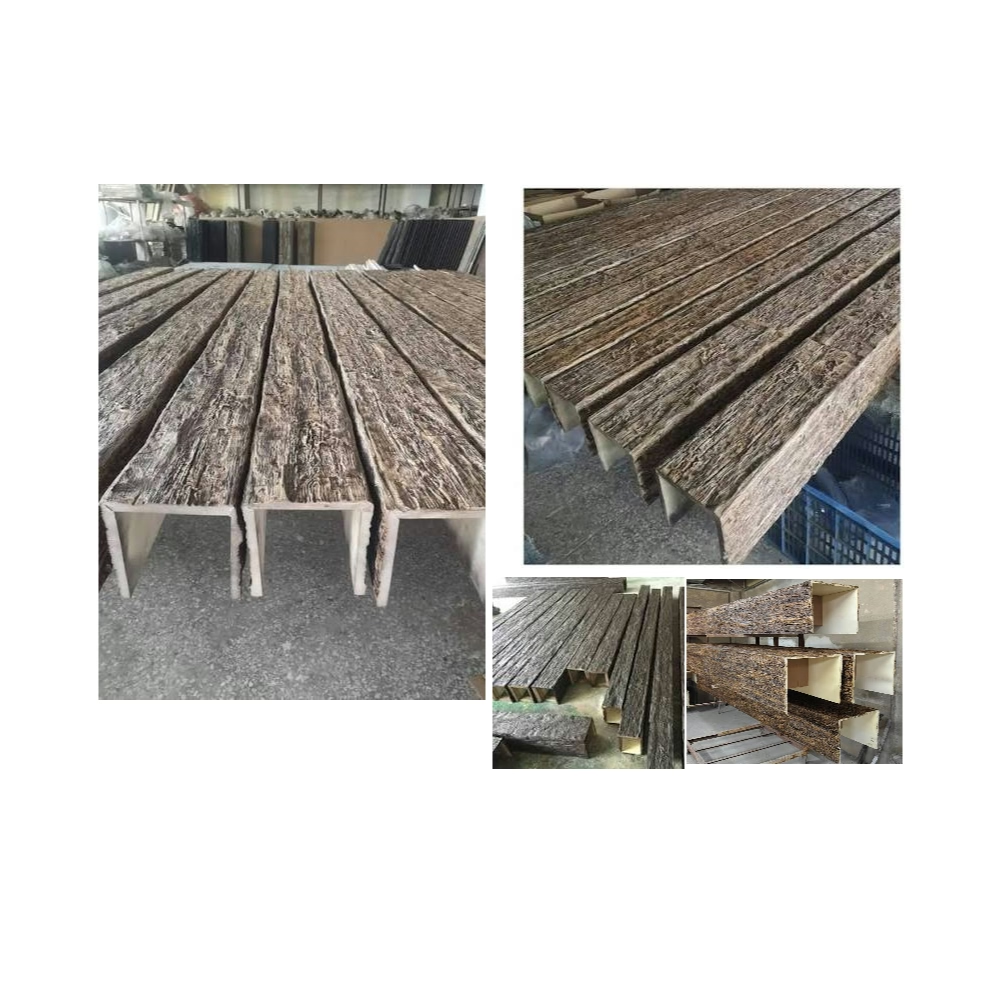
The layered construction typical of polymer composite beams distributes different material properties where they provide maximum benefit. Surface layers emphasize appearance, durability, and UV resistance, creating the wood-grain textures and color tones that define the beam's visual character. Core layers prioritize structural performance, providing stiffness and load-bearing capability without the weight that solid materials would require.
Interfacial bonding between layers determines how effectively composite materials perform as unified structures. Chemical adhesion, mechanical interlocking, and thermal bonding all contribute to layer integration depending on specific material combinations. Quality composite beams demonstrate consistent performance across their cross-sections, with no delamination or separation between functionally distinct zones.
Filler materials enhance specific properties while reducing overall material costs. Mineral fillers increase stiffness and fire resistance while reducing thermal expansion. Glass or carbon fibers improve strength-to-weight ratios substantially. The selection and proportioning of these fillers distinguishes premium composite formulations from economy products that may compromise performance to reduce costs.
Surface preparation for wood-grain texturing requires careful material selection to maintain texture detail through the casting or extrusion process. The polymer system must flow adequately to fill mold details while remaining stable enough to hold sharp edges during curing. This balance requires precise formulation control that distinguishes experienced manufacturers from occasional producers.

Structural Performance Engineering
Load-bearing capability in composite beams results from the interaction between material strength and geometric design. The I-beam configuration common in structural engineering applies to hollow composite beams, where flanges provide bending resistance while the web maintains shear capacity. This approach achieves substantial load ratings with minimal material usage.
Deflection control ensures that beams maintain visual alignment without sagging noticeably under load. Building codes specify maximum deflection limits that vary by application, typically ranging from L/180 to L/360 depending on finish sensitivity and occupancy requirements. Composite beams can be engineered to meet these requirements across various span lengths, providing predictable performance that specifiers can rely upon.
Connection design accommodates the specific characteristics of composite materials rather than adapting timber connection approaches. Mechanical fasteners must penetrate surfaces without cracking or splitting, requiring careful hole sizing and fastener selection. Adhesive bonding works well with composite surfaces but requires compatible formulations that bond effectively to the specific polymer system. Manufacturer guidelines for connection details ensure reliable performance.

Application Versatility
Residential applications benefit from composite beam performance across diverse design styles. From farmhouse kitchens to contemporary great rooms, polymer composite beams provide aesthetic options that complement interior design intentions. The material's workability allows manufacturers to produce beams in various profiles, from rustic hand-hewn appearances to clean modern geometries.
Commercial environments challenge materials with higher traffic, more frequent cleaning, and greater visibility. Polymer composite beams meet these challenges through enhanced durability, cleanability, and consistency. Chain retail operations particularly benefit from composite technology, where identical beams across multiple locations create brand continuity that natural wood's inherent variations would prevent.
Hospitality design frequently specifies composite beams for their combination of aesthetic warmth and practical performance. Hotel renovations, restaurant updates, and resort construction all benefit from beams that maintain appearance despite heavy use and challenging maintenance. The material's moisture resistance accommodates humid environments that natural wood would struggle to tolerate.
Exterior applications under covered structures expand the scope of composite beam installations. Patio covers, porte-cocheres, and similar shade structures benefit from UV-stable finishes and moisture-resistant materials. The exposure conditions in these applications would quickly degrade natural wood, but quality composite beams maintain appearance for years without maintenance attention.
Quality Assessment and Selection
Material specifications provide the foundation for informed product selection. Reputable manufacturers document their formulations, including polymer types, filler content, and additive packages. This transparency enables specifiers to verify that selected products meet application requirements and regulatory standards. Products without clear specifications may conceal quality compromises that affect performance.
Third-party testing verifies manufacturer claims about structural performance, fire ratings, and durability characteristics. Testing laboratories with relevant accreditations provide independent confirmation of product capabilities. Specifiers should request test reports or verification of testing for critical project requirements, particularly in commercial applications where building code compliance is mandatory.
Finish quality inspection examines surface consistency, color uniformity, and texture detail. Samples from proposed production runs indicate what actual installations will look like better than catalog photographs or digital representations. Examining samples under various lighting conditions reveals how finish appearance changes throughout the day, helping establish realistic expectations for completed installations.
Manufacturing facility evaluation provides additional confidence in product quality and consistency. Facilities operating under quality management systems demonstrate systematic attention to production consistency that translates to reliable products. While not always feasible for specifiers to conduct facility visits, manufacturer quality certifications and industry reputation provide reasonable assurance of consistent production quality.
Technical References
ASTM standards cited in every specification
Test Data
Lab results from internal testing program
Updated 2026
Reviewed against current product specs


