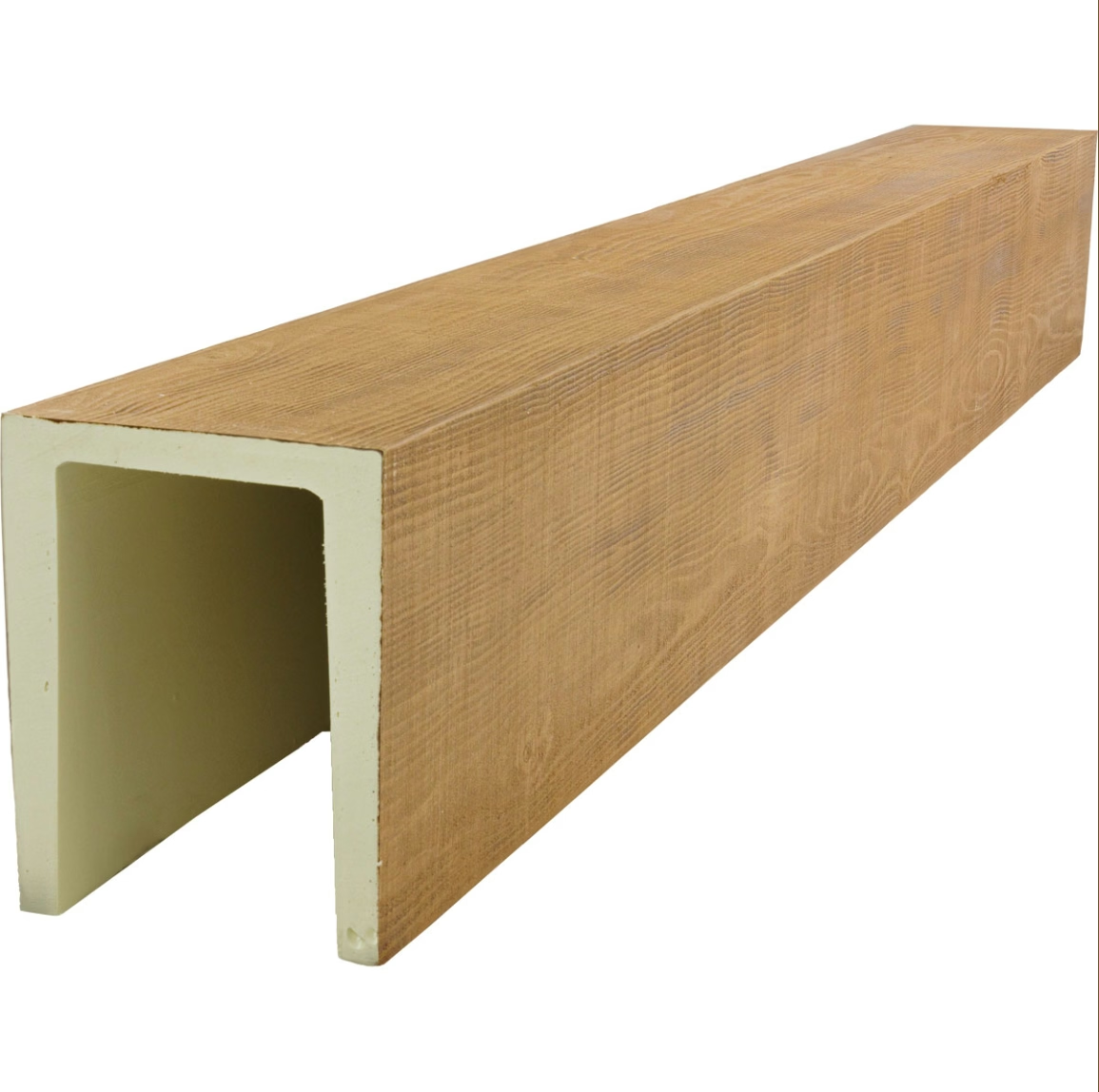
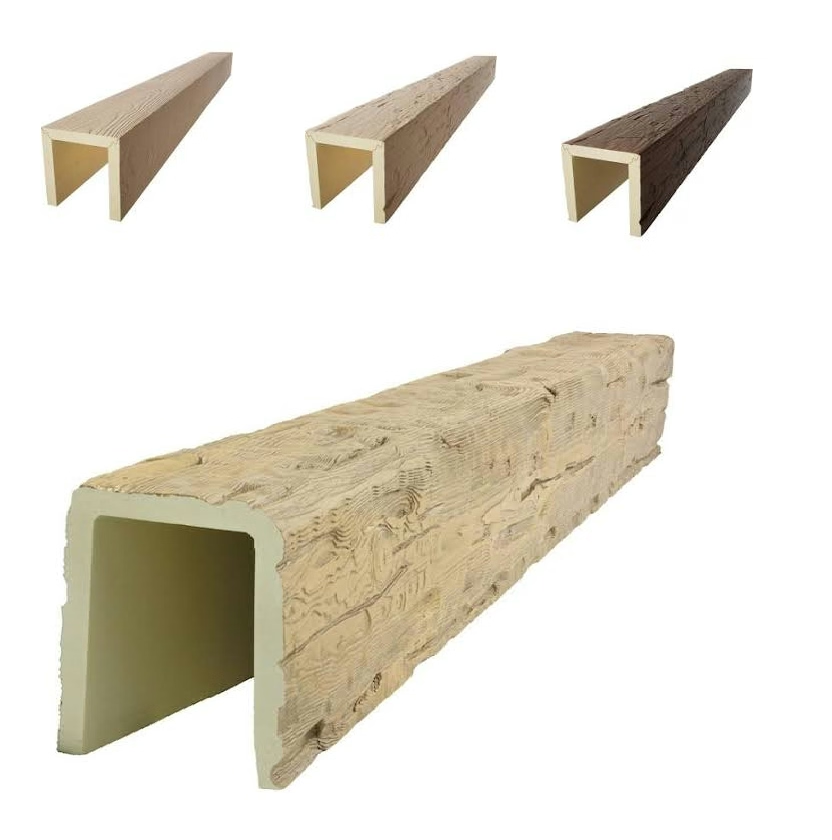
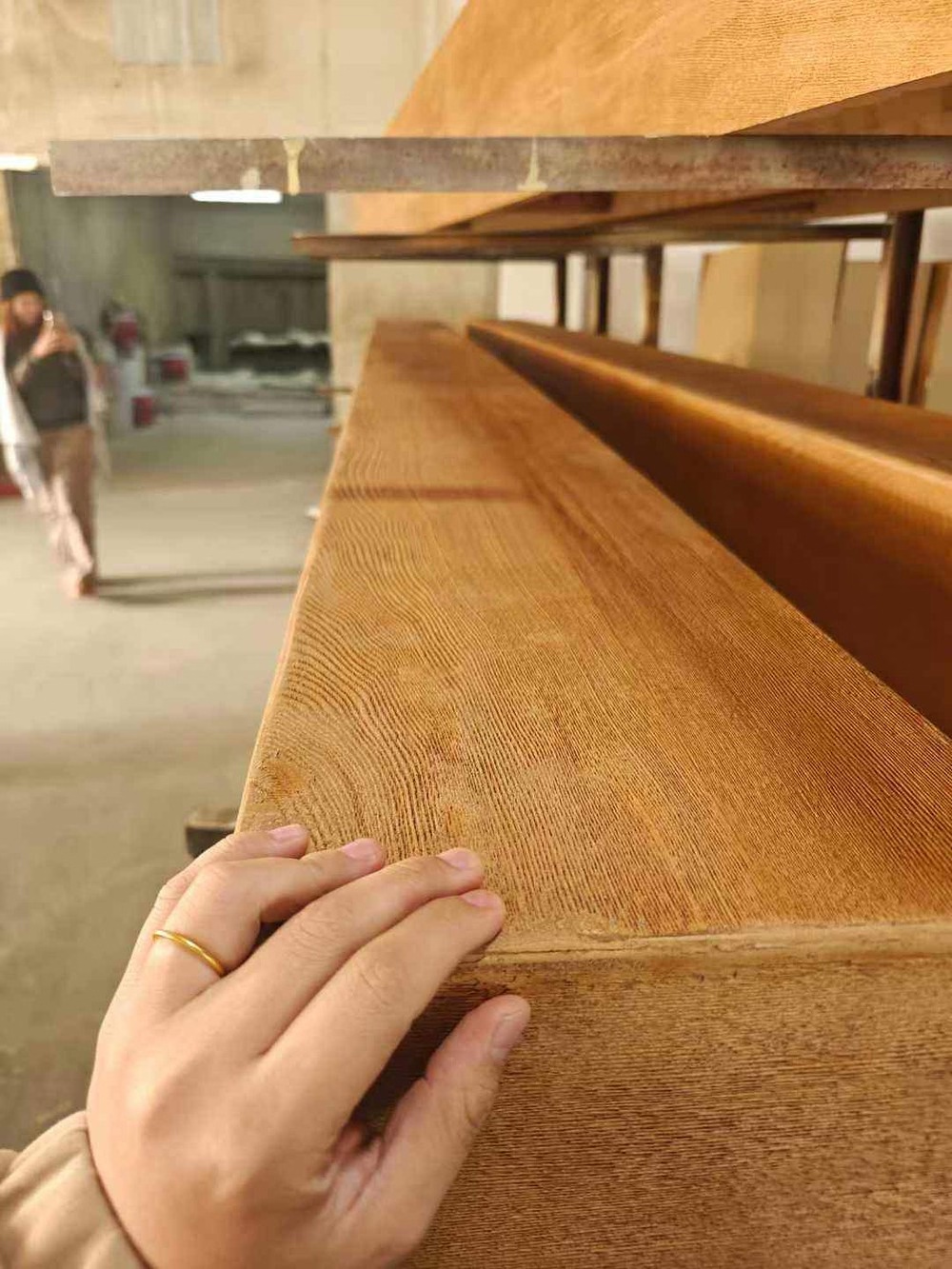
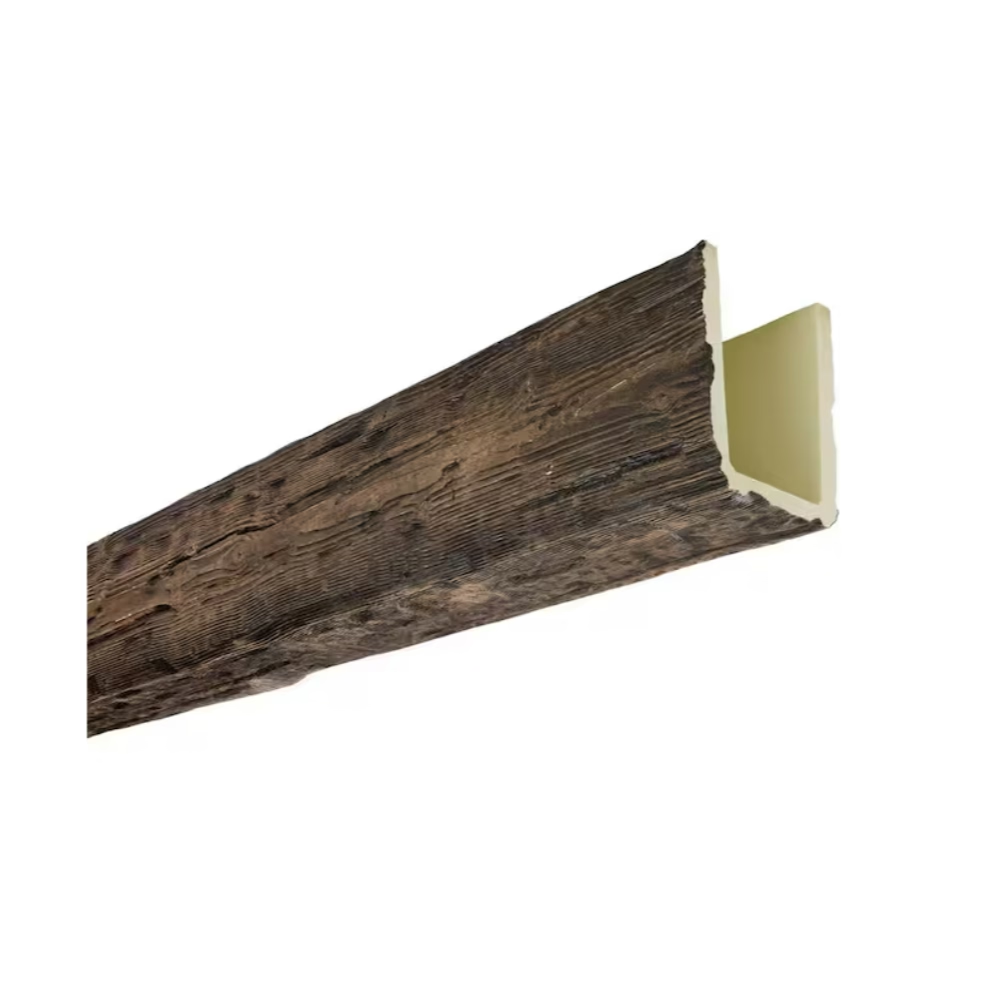
Engineering innovation continues to advance faux wood beam technology, with triplex structured designs representing one of the most significant recent developments. These beams incorporate three distinct structural layers, each contributing specific performance characteristics that combine into an integrated whole superior to what any single material could achieve. This layered approach addresses stability concerns that limit conventional hollow beam applications while maintaining the lightweight convenience that distinguishes faux wood from natural timber alternatives.
The triplex concept emerged from recognition that different beam zones serve different functions that single-material construction cannot optimize simultaneously. Surface layers must resist impacts and maintain attractive appearance, while core materials must provide stiffness and load distribution. By separating these functions into distinct layers, triplex beams achieve performance levels that monolithic construction cannot approach.
Understanding Three-Layer Architecture
The typical triplex structure positions a rigid structural core between two exterior shell layers that provide surface quality and impact resistance. This arrangement places high-performance materials where they contribute most while allowing the core to focus entirely on structural function without surface appearance compromises. The three layers bond together during manufacturing, creating composite action that distributes loads across all elements simultaneously.
Core material selection prioritizes stiffness and dimensional stability over surface appearance. High-density structural foam, reinforced composites, or engineered wood products provide the rigidity that prevents beam deflection under load. These materials maintain their properties over extended service periods despite environmental challenges that might degrade lesser materials. The core functions invisibly once the beam is installed, with all visible surfaces displaying the premium exterior layer quality.
Exterior layer composition emphasizes surface durability and aesthetic quality. These layers receive the wood-grain textures, color treatments, and protective coatings that define the beam's finished appearance. Surface hardness resists scratches and impacts that would damage softer materials, while UV-stable formulations prevent the sun-caused degradation that limits outdoor applications of lesser products. The exterior layers also provide the bonding surface for mounting hardware and trim elements.
Inter-layer bonding determines how effectively the three-layer system functions as a unified structure. Mechanical interlocking between layers creates strong bonds that resist delamination despite thermal cycling, humidity exposure, and structural loading. Quality products demonstrate consistent bonding throughout their service life, with no separation between layers that would compromise structural integrity or create visible defects.

Stability Advantages in Practice
Deflection resistance represents one of the most noticeable stability advantages that triplex construction provides. The rigid core maintains beam alignment despite loading that would cause ordinary hollow beams to sag noticeably. This resistance proves particularly valuable in longer spans where deflection becomes visually apparent and architecturally problematic. Triplex beams maintain crisp alignment that enhances rather than compromises design intentions.
Connection stability improves with triplex construction because the layered approach provides multiple surfaces for load transfer. Mounting hardware engages the structural core directly, bypassing the limitations that thin shell walls impose on fastener holding power. This direct engagement creates secure connections that resist loosening over time despite the vibration and thermal movement that ceiling installations experience.
Impact resistance in triplex beams exceeds what single-material construction achieves. The combination of hard exterior surfaces and resilient core materials allows these beams to absorb impacts that would crack or dent competing products. The exterior layer may flex slightly under impact, distributing energy into the core rather than allowing fracture. This damage tolerance provides valuable performance in high-traffic commercial environments.
Thermal stability becomes increasingly important as buildings experience greater temperature variations, particularly in spaces with significant solar heat gain or mechanical cooling systems. Triplex construction accommodates differential expansion between interior and exterior surfaces without developing the stresses that cause cracking in less sophisticated products. The layered approach allows each material to respond appropriately to temperature changes without compromising the overall beam structure.
Applications Demonstrating Enhanced Performance
Long-span ceiling installations particularly benefit from triplex stability characteristics. Beams spanning fifteen feet or more develop substantial bending stresses that challenge lesser construction approaches. Triplex beams maintain visual alignment and structural integrity across these spans, enabling design expressions that would otherwise require unsightly intermediate support or structurally compromising compromises.
Beam installations supporting suspended elements represent natural applications for triplex construction. The enhanced load distribution and connection stability accommodate fixture weights that would stress conventional beams beyond acceptable limits. From ceiling fans to decorative elements to signage, triplex beams provide the structural margin necessary to support these additions confidently.
Commercial renovation projects frequently encounter challenging structural conditions that triplex beams address effectively. Older buildings with limited ceiling structure capacity cannot accept heavy natural timber beams, but triplex construction achieves equivalent visual impact at weights the existing structure can accommodate. This accommodation enables aesthetic improvements that structural limitations would otherwise prevent.
Multi-level or multi-story buildings experience structural movement that affects ceiling elements differently than single-story construction. Triplex construction accommodates these movements more effectively than rigid alternatives, maintaining connection integrity despite the differential deflections that multi-story construction imposes on ceiling systems. This accommodation preserves both structural performance and visual alignment through the building's operational life.
Quality Assessment and Procurement
Layer thickness verification provides insight into triplex beam quality and expected performance. Premium products specify actual layer dimensions rather than vague descriptions, enabling informed comparison between alternatives. The core should constitute the majority of overall thickness, with exterior layers providing adequate surface quality without consuming disproportionate material volume.
Bond testing by manufacturers verifies inter-layer adhesion under various conditions. Thermal cycling tests, humidity exposure tests, and load cycling tests demonstrate how bond quality holds up under service conditions. Products with documented testing provide assurance that the triplex concept performs as intended rather than representing mere marketing description.
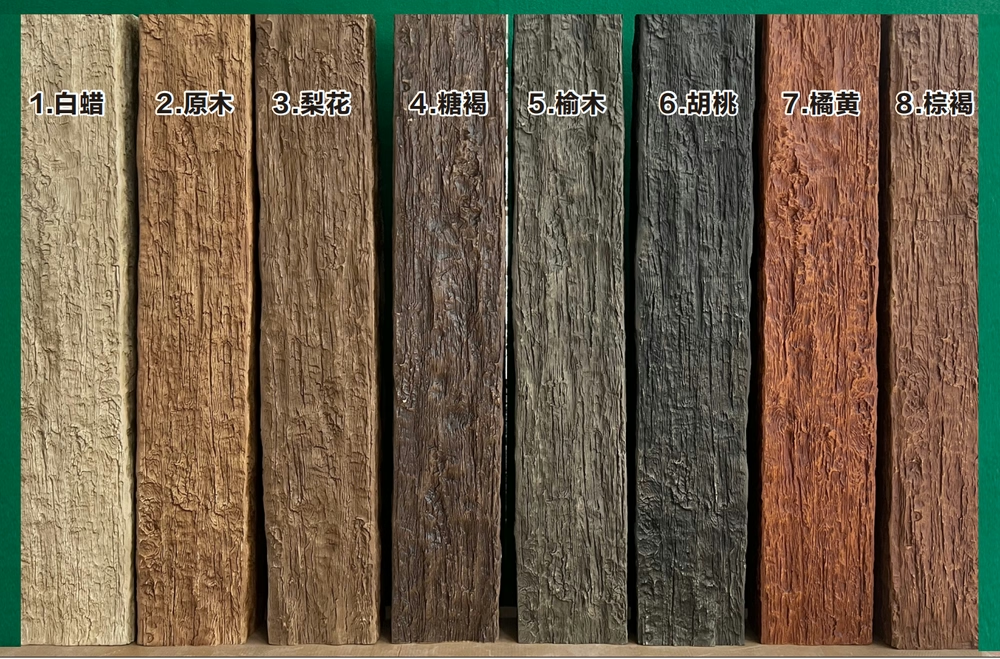
Finish quality on triplex beams should match or exceed the finest single-material alternatives. The exterior layer formulation determines surface appearance, which should demonstrate consistent color, texture, and coverage across all visible surfaces. Sample examination reveals these characteristics more reliably than catalog descriptions, and samples from production runs indicate actual product quality better than promotional samples.
Warranty terms reflect manufacturer confidence in triplex construction durability. Extended warranties covering decades of service indicate products designed for long-term performance rather than temporary installations. The warranty should address structural performance, finish durability, and dimensional stability separately, with coverage appropriate to each characteristic's expected service life.
Technical References
ASTM standards cited in every specification
Test Data
Lab results from internal testing program
Updated 2026
Reviewed against current product specs