The distinction between adequate and excellent exists in every product category, and faux wood beams are no exception. Project specifications that call for "faux wood beams" might describe anything from barely convincing foam shapes to remarkably realistic architectural elements that fool casual observers. For premium interior projects where design integrity and long-term satisfaction matter, understanding what separates superior grade materials from commodity alternatives becomes essential knowledge.
Premium projects—luxury residences, high-end hospitality spaces, commercial interiors where design credibility reflects on the brand—typically involve stakeholders who notice details. Interior designers, architects, and design-conscious clients examine surfaces closely, run fingers across textures, and evaluate whether materials feel as good as they look. Inferior faux beams fail this scrutiny, creating the uncomfortable cognitive dissonance of surfaces that appear wooden at distance but reveal their true nature upon closer inspection.
Material Composition and Performance
The polyurethane formulations used in beam manufacturing vary significantly between producers and product grades. High-density formulations produce beams with better surface definition, improved impact resistance, and more convincing weight characteristics. Lower-density alternatives might look acceptable initially but show their limitations through surface damage, dimensional instability, or unconvincing feel under hand contact.
Density affects how beams handle environmental conditions as well. Premium formulations resist temperature extremes without becoming brittle or soft. They maintain dimensional stability through humidity cycles that might cause lesser materials to warp or cup. They accept paint and finish applications consistently, allowing exact color matching and refinishing when project requirements change.
Cell structure within the polyurethane influences surface quality. Fine, uniform cell structure produces smooth surfaces that accept texturing and finishing beautifully. Coarser or irregular cell structure creates surfaces that look manufactured even before finishing—visible pitting or inconsistency that no amount of surface treatment can fully disguise. Premium manufacturers control cell structure through formulation and processing parameters, ensuring consistent results batch after batch.
Surface Detail and Realism
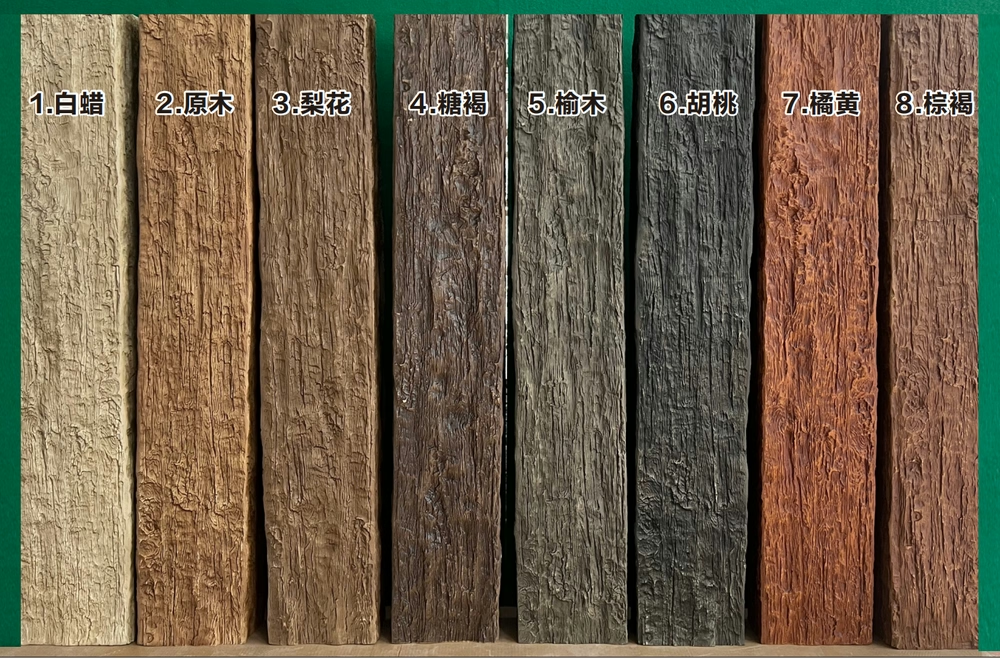
The most significant visual difference between beam grades lies in surface detail resolution. Premium faux beams reproduce wood characteristics at levels of detail that include not just obvious grain patterns but subtle figure variations, authentic knot formations, and natural edge conditions. This resolution requires both quality molds and quality raw materials working together.
Knot representations in premium beams show genuine complexity—dark ring formations, cracked checking that reveals lighter underlying wood, irregular shapes that acknowledge how real knots form in living trees. Lesser products often feature simplified, almost cartoonish knot representations that read as stylized rather than authentic, creating instant visual cues that the beam is not real wood.
Edge definition affects how convincingly beams integrate with surrounding surfaces and how they appear from different viewing angles. Premium beams maintain sharp, clean edges that refine the overall appearance. Blurry or rounded edges—common in lower-quality products—create softer, less architectural presence that undermines the beam's visual contribution regardless of how well the face texture is rendered.
Structural Considerations for Premium Applications
Premium projects often involve complex installation scenarios that test material capabilities. Long spans that require multiple beam sections, complex angles at ceiling transitions, and exposed installations where all surfaces are visible demand materials that perform consistently across these challenges. Inferior beams might work adequately in simple, fully-hidden applications but fail when conditions become more demanding.
Joinery quality—how separate beam sections connect when spans exceed single-piece availability—depends on material consistency. Premium PU accepts cutting, drilling, and fastening without splintering, cracking, or accepting fasteners poorly. These characteristics enable clean joinery details that maintain appearance quality through complex installations.
Fastener holding power affects long-term installation security. Premium formulations grip screws and nails adequately for secure mounting while remaining workable enough for adjustment during installation. Materials that are too soft strip easily; materials that are too hard resist fastening and may crack under stress. The balance premium manufacturers achieve supports both initial installation and long-term security.
Economic Considerations in Grade Selection
The apparent cost premium of superior grade materials requires contextual understanding. Initial price differences between grades might seem significant when evaluating line items on a material list. However, when total installed cost—including labor, potential repair or replacement, and the business consequences of dissatisfaction—is considered, superior grades often prove more economical.
Premium projects typically involve higher labor costs per unit time than commodity work. When skilled craftspeople spend hours installing inferior materials that disappoint upon completion, the total cost of remediation—materials, labor, project management, potential client relationship damage—far exceeds the initial material savings. Specifying quality materials from the beginning protects the entire project investment.
Warranty and support from premium manufacturers provides additional value beyond material performance. Quality producers stand behind their products with meaningful warranties that protect against manufacturing defects and premature failure. This support, combined with technical assistance during specification and installation, reduces risk for project teams working with unfamiliar materials or challenging applications.
Evaluating Beam Quality Before Purchase
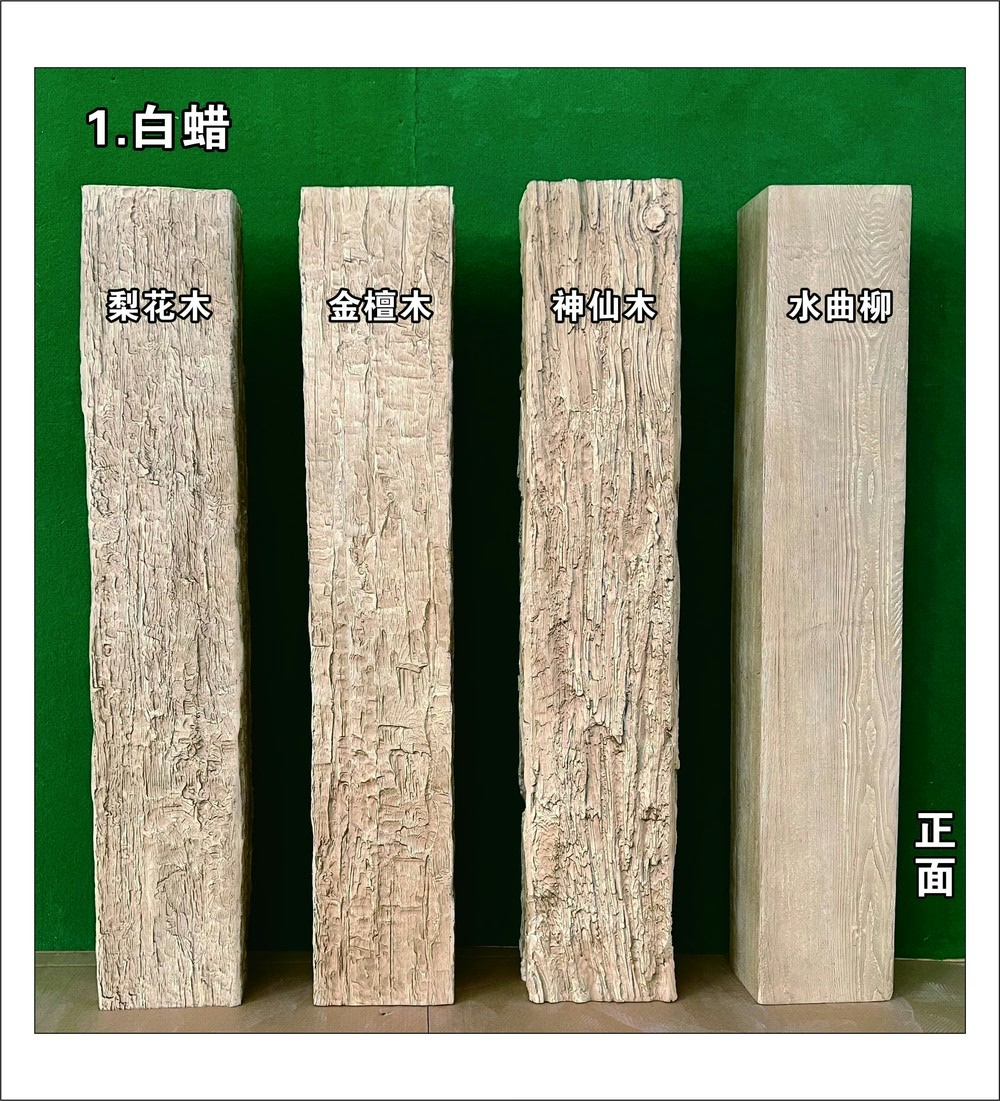
Hands-on evaluation remains the most reliable quality assessment method. Requesting samples and examining them critically—looking at surface resolution, testing fastener acceptance, checking dimensional accuracy, evaluating finish potential—reveals characteristics that specifications and photographs cannot fully communicate.
Manufacturer reputation and portfolio provide indirect quality indicators. Companies that consistently produce premium installations for demanding clients have demonstrated their capability to deliver. Visiting completed installations or reviewing documentation from similar projects reduces uncertainty in the specification process.
Testing protocols appropriate to the application context help validate quality claims. Large-span installations might benefit from mockup testing that verifies fastener holding power and joinery appearance. Complex finishing scenarios might warrant test applications on sample pieces before committing to full installation. These investments in validation protect larger project investments by identifying problems before they become expensive to address.
Technical References
ASTM standards cited in every specification
Test Data
Lab results from internal testing program
Updated 2026
Reviewed against current product specs


