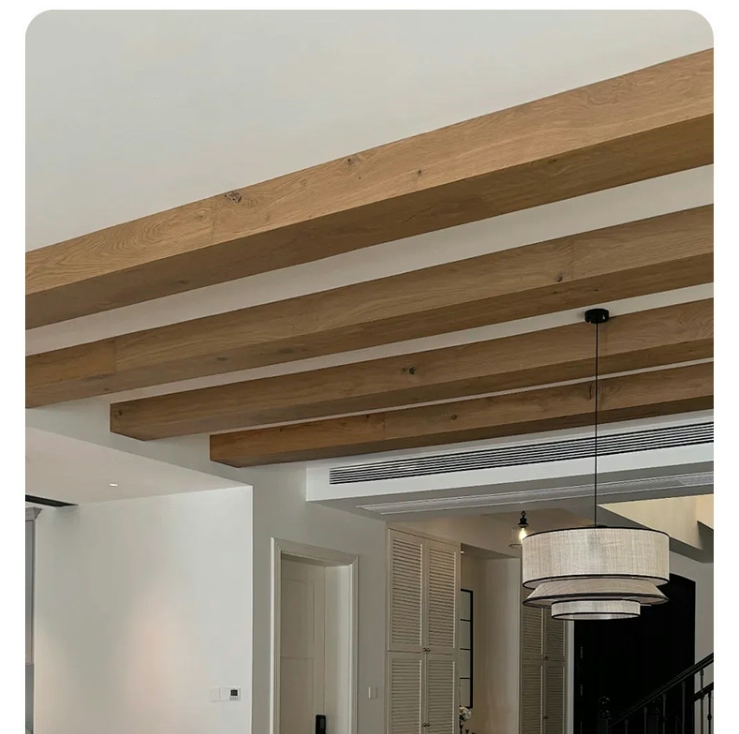
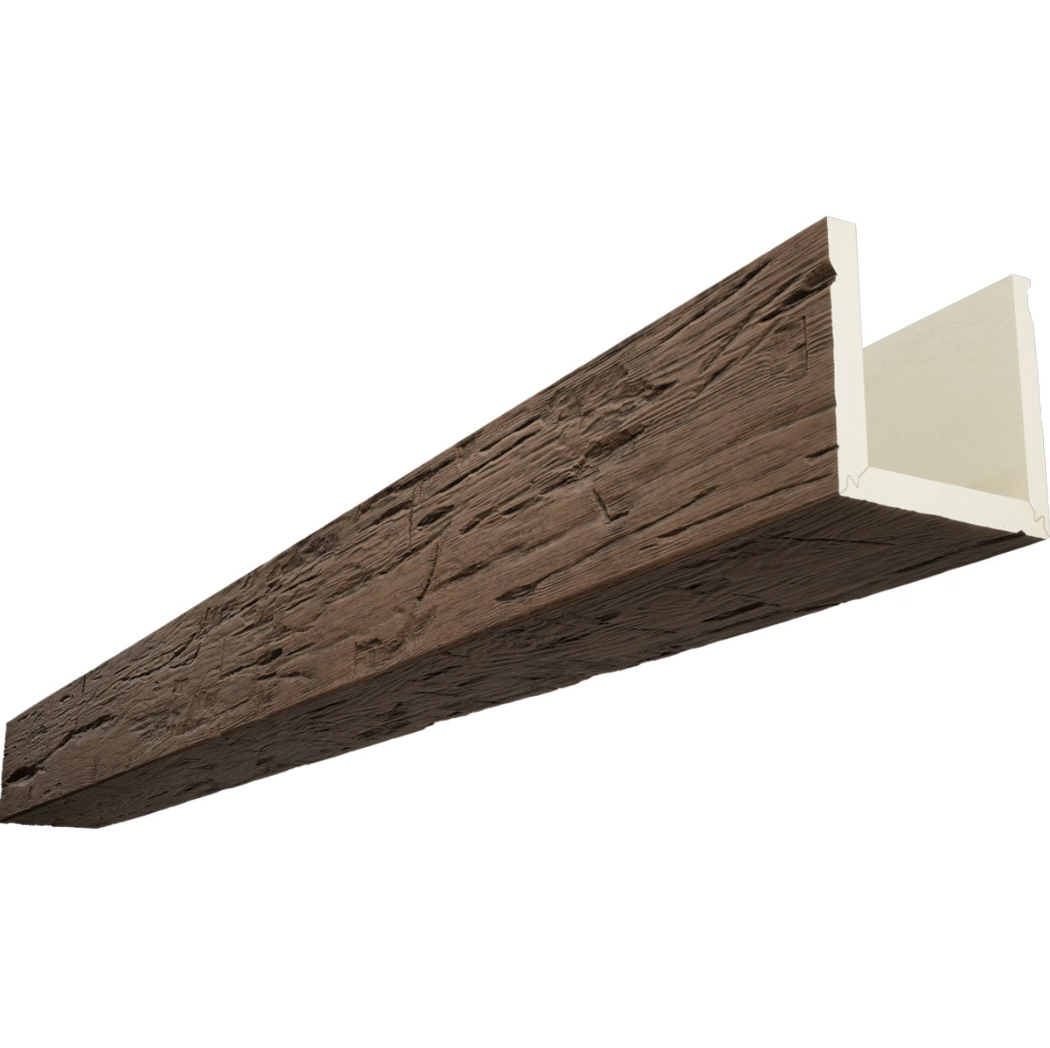
Importing and distributing polyurethane faux beams across international markets presents unique logistical challenges that distinguish this product category from standard building materials. Unlike concrete or steel, PU beams require specific handling protocols, climate-controlled storage considerations, and careful packaging to prevent transit damage. Successful supply chain management begins with understanding these specialized requirements and extends through to final delivery at project sites worldwide.
Understanding the Faux Beam Export Market
The polyurethane architectural elements market has expanded significantly over the past decade, driven by increasing demand for lightweight alternatives to traditional timber and stone. Faux beams manufactured from high-density polyurethane offer significant advantages in shipping efficiency—up to 85% lighter than comparable wood products and dramatically lighter than masonry alternatives. This weight reduction translates directly into lower freight costs and reduced carbon footprint for international shipments.
Market analysis indicates strong demand across North America, Europe, Middle East, and Australasia for these products. Each region presents distinct regulatory environments, climate considerations, and consumer preferences that influence product specifications. European markets, for instance, increasingly require fire-retardant formulations meeting EN 13501 standards, while Middle Eastern projects often specify UV-resistant coatings for exterior applications in high-sun environments.
Successful exporters maintain relationships with multiple manufacturing facilities to ensure capacity flexibility and geographic proximity to major markets. This distributed production strategy reduces lead times and shipping distances while providing redundancy against production disruptions. Many established B2B suppliers maintain strategic inventory positions in regional distribution hubs, enabling rapid fulfillment for time-sensitive project requirements.
Packaging and Transit Protection Standards
Proper packaging represents a critical investment in supply chain reliability. PU faux beams require protection against crushing forces during container loading, moisture infiltration during ocean transit, and temperature fluctuations that could affect material properties. Standard export packaging typically involves wrapping individual pieces or bundled assemblies in moisture-resistant barrier film, followed by placement within sturdy cardboard tubes or wooden crating depending on product dimensions and quantity.
Edge protection becomes essential for molded products with delicate profile details. Foam corner protectors and cardboard dividers prevent impact damage at vulnerable points during handling operations. Container loading plans should account for weight distribution to prevent shifting during vessel transit, with blocking and bracing materials positioned to secure loads against typical motion forces encountered in maritime shipping.
Climate control considerations vary significantly based on shipping routes. Transpacific shipments through tropical zones encounter elevated temperatures and humidity levels that can affect packaging integrity and potentially impact surface finishes. Desiccant packets placed within packaging provides additional moisture protection for sensitive decorative surfaces. Vacuum packaging offers another option for maximizing container efficiency while providing comprehensive environmental barriers.

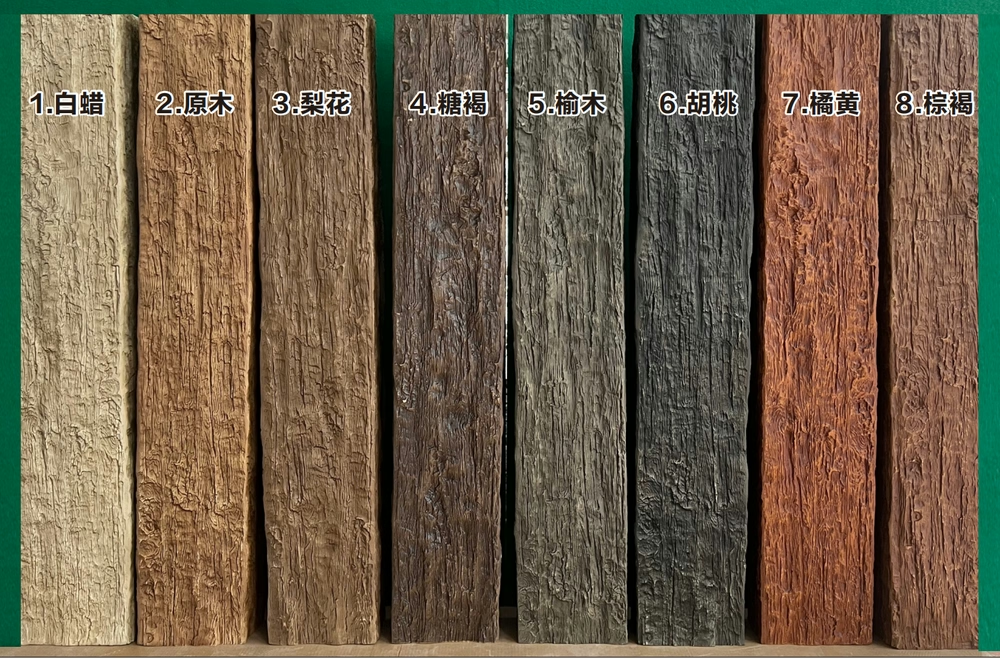
Lead Time Management and Forecasting
Effective supply chain operations depend on accurate demand forecasting and proactive production scheduling. Standard lead times for custom-molded faux beam profiles typically range from 4-8 weeks for production, plus shipping transit time that varies from 2-6 weeks depending on origin port, destination, and shipping method selected. Air freight options exist for urgent requirements but substantially increase per-unit costs.
Bulk procurement strategies offer meaningful cost advantages for large-scale projects or ongoing distribution requirements. Production runs dedicated to specific orders or inventory replenishment benefit from economies of scale in mold setup, raw material purchasing, and labor allocation. However, these advantages must be balanced against working capital requirements and storage costs for inventory positions.
Collaborative forecasting with major customers enables suppliers to optimize production scheduling and maintain appropriate safety stock levels for standard profiles. Electronic data interchange systems facilitate seamless information flow between trading partners, enabling real-time visibility into order status, inventory levels, and production schedules. Many B2B platforms now offer integrated supply chain management tools that automate these coordination processes.
Customs, Compliance, and Documentation
International trade in architectural millwork requires attention to customs classification, tariff rates, and regulatory compliance across multiple jurisdictions. Polyurethane architectural elements typically fall under Harmonized System codes related to plastics products, though specific classifications may vary based on product composition and intended use. Accurate classification prevents customs delays and ensures proper duty assessment.
Product certification requirements vary by destination country. The European CE marking indicates conformity with applicable health, safety, and environmental protection standards. Australian requirements include specific fire safety certifications and potentially volatile organic compound limits for interior applications. Middle Eastern markets may require certification from recognized testing laboratories and compliance with regional standards organizations.
Comprehensive documentation packages support smooth customs clearance and demonstrate professional handling of the import process. Commercial invoices should include detailed product descriptions with HS codes, country of origin information, and declared values. Packing lists providing piece counts, dimensions, and weights enable customs officers to verify shipments efficiently. Certificates of origin establish eligibility for preferential tariff treatment under applicable trade agreements.
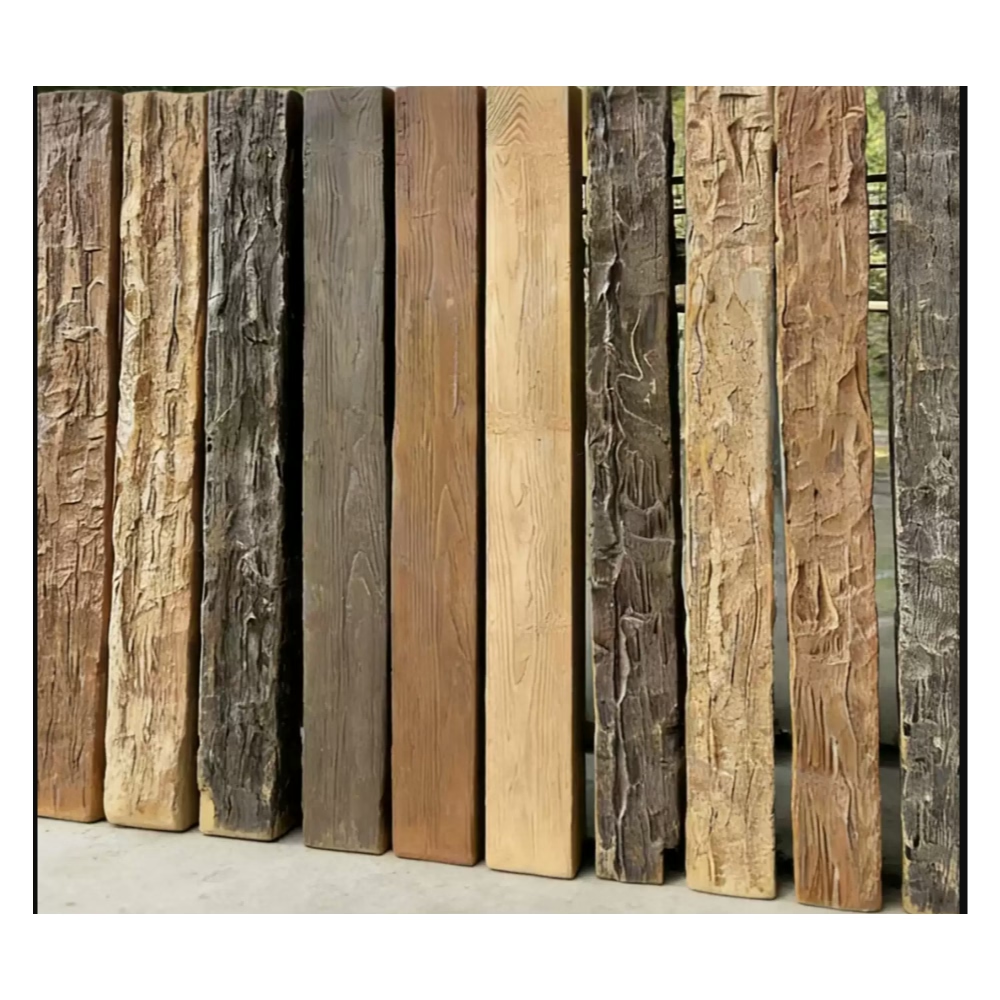
Regional Distribution Strategies
Strategic positioning of inventory across regional distribution points reduces delivery times and shipping costs for end customers. A typical global distribution network might include facilities in major markets such as Los Angeles for North American fulfillment, Rotterdam for European distribution, Dubai for Middle East coverage, and Singapore or Sydney for Asia-Pacific markets. Each location maintains inventory of popular profiles and finish options for rapid shipment.
Last-mile delivery coordination requires partnerships with local logistics providers who understand the specific requirements for delivering large architectural elements. Residential deliveries differ substantially from commercial project deliveries, with different equipment needs, scheduling requirements, and customer expectations. Full-service B2B suppliers typically offer both options with appropriate pricing structures.
Returns and damage handling processes require particular attention in international contexts. The cost of returning defective products often exceeds their value, making quality assurance at origin critical. Many suppliers implement rigorous pre-shipment inspection protocols and photographic documentation to establish product condition at point of departure, simplifying any subsequent claims processes.

Building Long-Term Supplier Relationships
Establishing reliable supply chain partnerships requires investment in relationship building and ongoing communication. Site visits to manufacturing facilities enable buyers to assess production capabilities, quality control processes, and capacity availability. These assessments prove particularly valuable when evaluating new suppliers or qualifying backup sources for critical products.
Quality agreements formalize expectations for product specifications, inspection procedures, and defect handling. Clear specification of acceptable tolerance ranges, finish quality standards, and packaging requirements prevents disputes and ensures consistent product quality across shipments. These agreements should also address warranty coverage and liability allocation for defects discovered after delivery.
Payment terms and credit arrangements facilitate smooth transactions while protecting both parties. Established relationships often qualify for open account terms with Net-30 or Net-60 payment windows, reducing transaction costs compared to letter of credit arrangements. Credit insurance protects suppliers against buyer default, enabling comfortable extension of favorable terms to reliable customers.
Strategic supply chain management for faux beam distribution combines careful logistics planning, proactive relationship building, and systematic process management. Success in this market requires balancing cost efficiency with service quality, maintaining flexibility for variable demand patterns while optimizing inventory investments. Companies that master these elements position themselves for sustainable growth in the expanding global market for polyurethane architectural millwork.
Technical References
ASTM standards cited in every specification
Test Data
Lab results from internal testing program
Updated 2026
Reviewed against current product specs