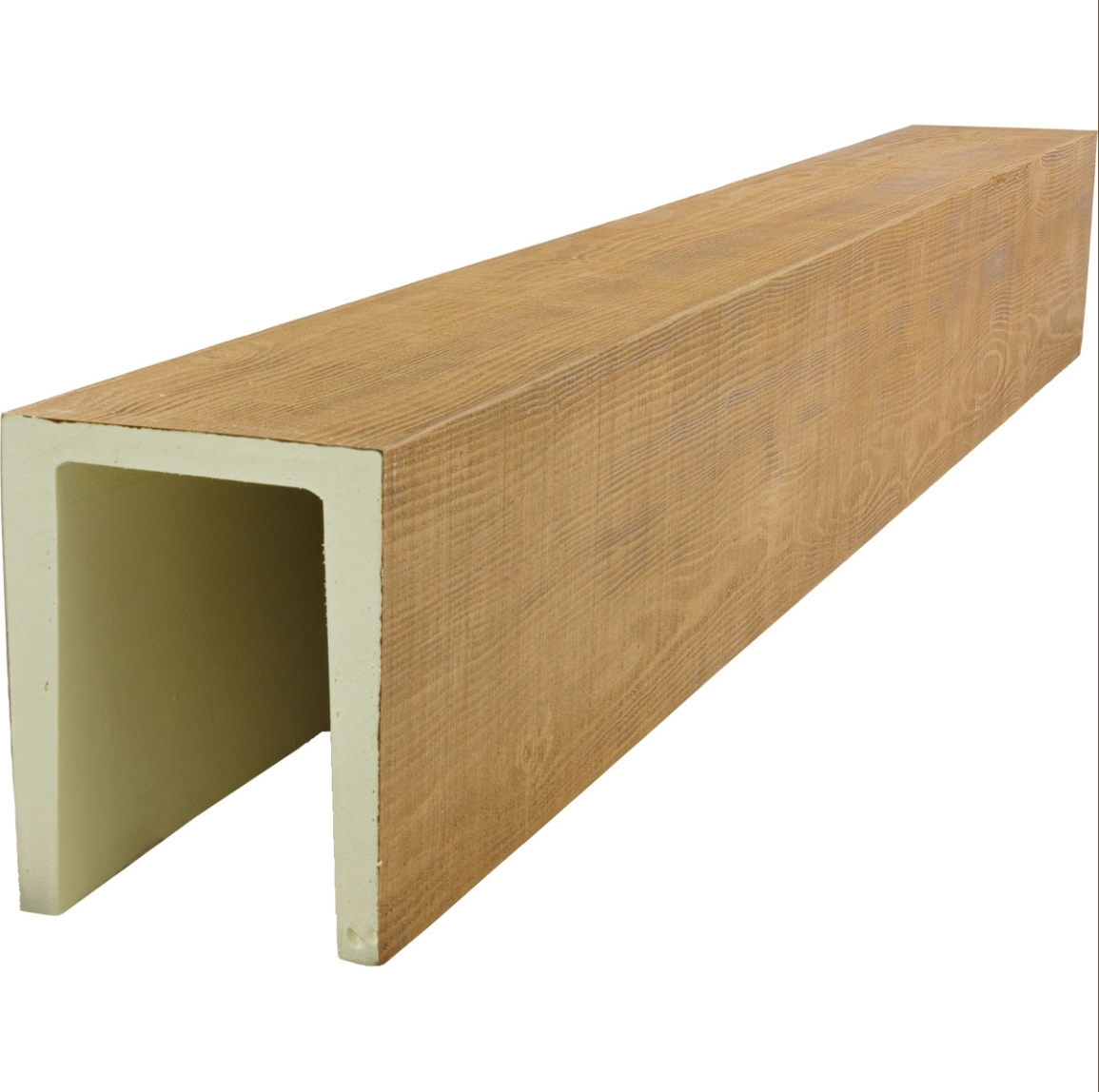
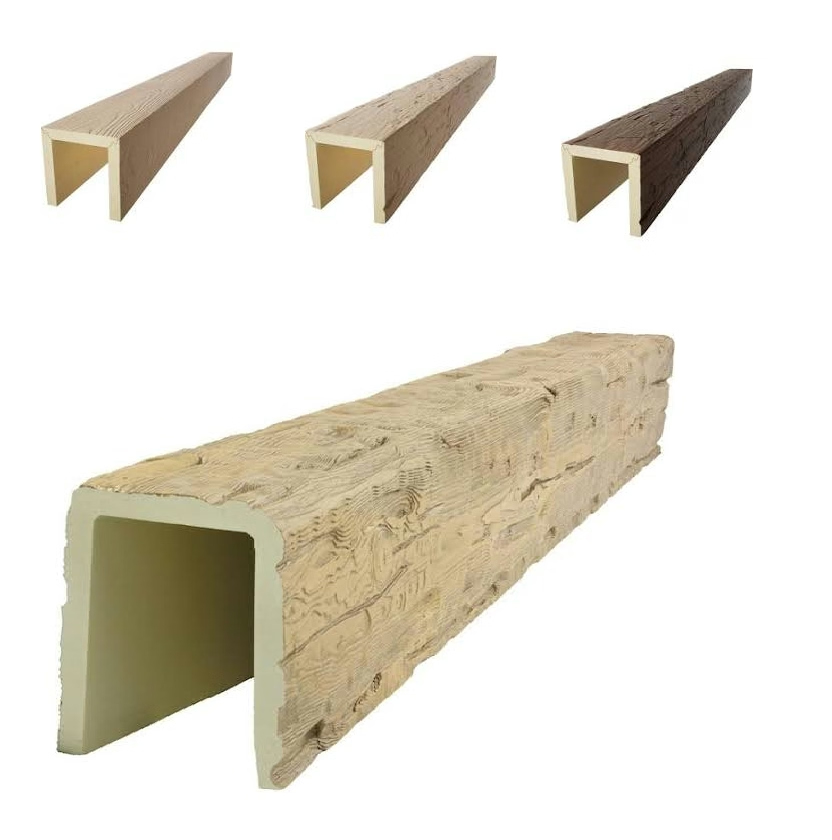
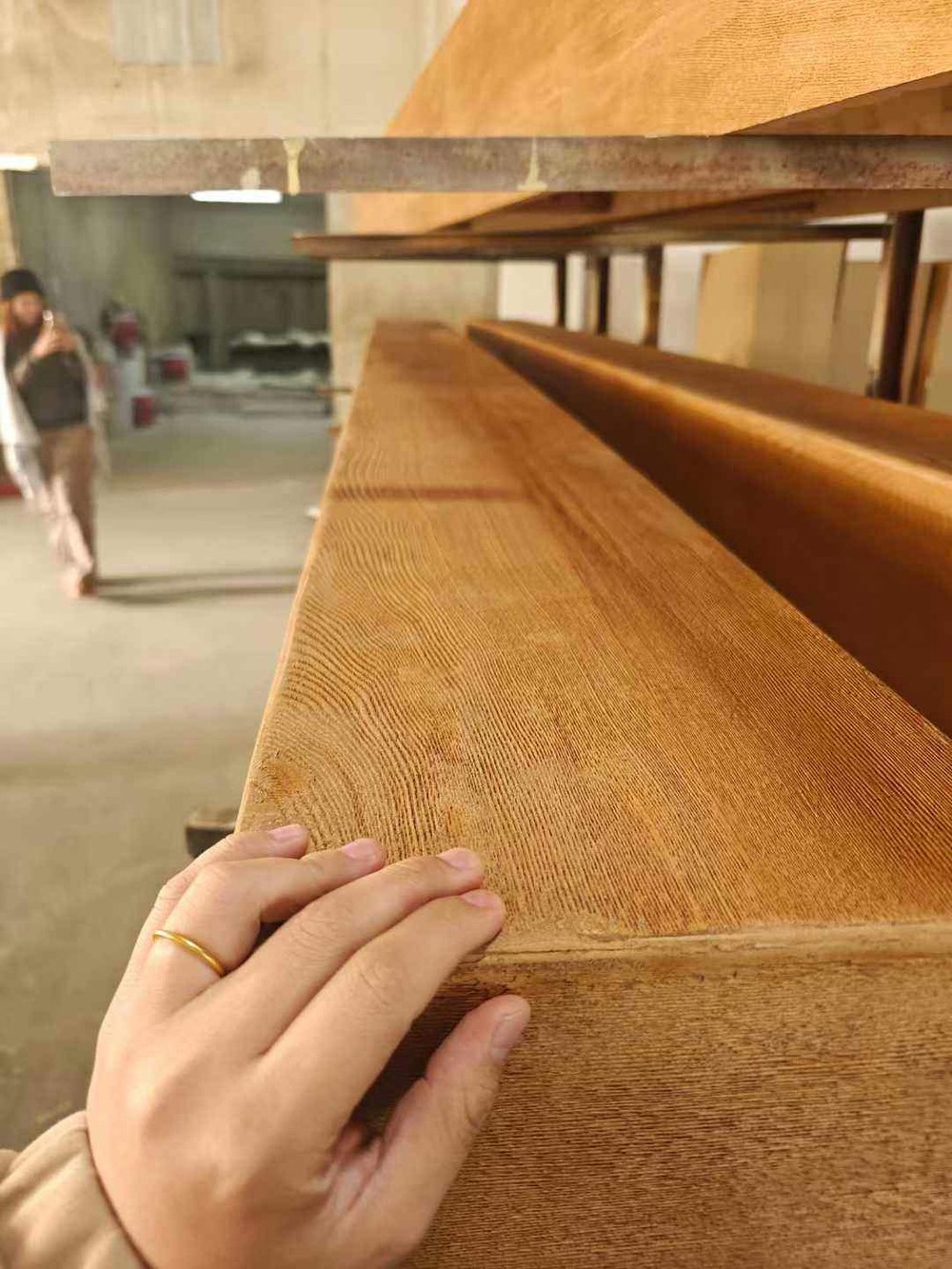
The architectural community's embrace of synthetic materials has accelerated significantly over the past decade. Sustainability concerns, cost pressures, and improved manufacturing capabilities have positioned polyurethane faux beams as legitimate alternatives to reclaimed wood and engineered wood products rather than merely budget compromises. This shift has attracted substantial manufacturing investment, creating a diverse supplier landscape with widely varying quality levels and business models.
The Evolution of Synthetic Timber Technology
Early polyurethane faux beams suffered from obvious limitations. Surface textures looked manufactured, weight distribution felt wrong to touch, and UV exposure quickly degraded finishes. Today's premium products represent sophisticated engineering that addresses these historical weaknesses.
Modern formulations incorporate UV stabilizers directly into the polyurethane matrix, providing protection that surface coatings alone cannot achieve. Impact modifiers improve durability without sacrificing the workability that makes installation practical. Density can be calibrated during manufacturing to match the weight characteristics of specific wood species being replicated.
Surface technology has advanced equally. High-resolution molds captured from genuine reclaimed or aged wood provide authentic textures that stand up to close inspection. Advanced finishing systems create depth and variation that earlier products simply couldn't achieve. The result is finished installations that professionals and informed clients struggle to distinguish from natural materials in photographs.
Understanding this technology evolution matters for sourcing decisions. Suppliers using dated manufacturing approaches may offer products that look acceptable in catalogs but disappoint upon installation. Evaluating current technology adoption helps identify suppliers positioned for the future rather than relying on legacy processes.
Quality Indicators in Synthetic Timber Products
Distinguishing genuinely premium synthetic timber from mediocre alternatives requires understanding what quality actually means in this product category.
Material density affects both performance and perception. Premium polyurethane achieves consistent density throughout each piece, with proper curing that eliminates soft spots or weak areas. Budget products often show density variations visible in how light reflects off surfaces or felt when handling pieces.
Mold quality determines surface fidelity. Premium manufacturers invest in precision molds that capture fine details consistently across production runs. They maintain and replace molds according to usage rather than waiting for visible degradation. The difference appears in corner definition, end grain replication, and consistency between multiple pieces in the same installation.
Finish adhesion and durability separate professional-grade products from consumer alternatives. Factory-applied finishes on premium beams bond chemically with the substrate, resisting chipping, peeling, and scratching during normal handling and installation. The finish systems typically include multiple layers with appropriate cure times between applications.

Supplier Capability Assessment
Beyond product quality, supplier capabilities directly impact your ability to complete projects successfully. Systematic evaluation reveals operational maturity and partnership potential.
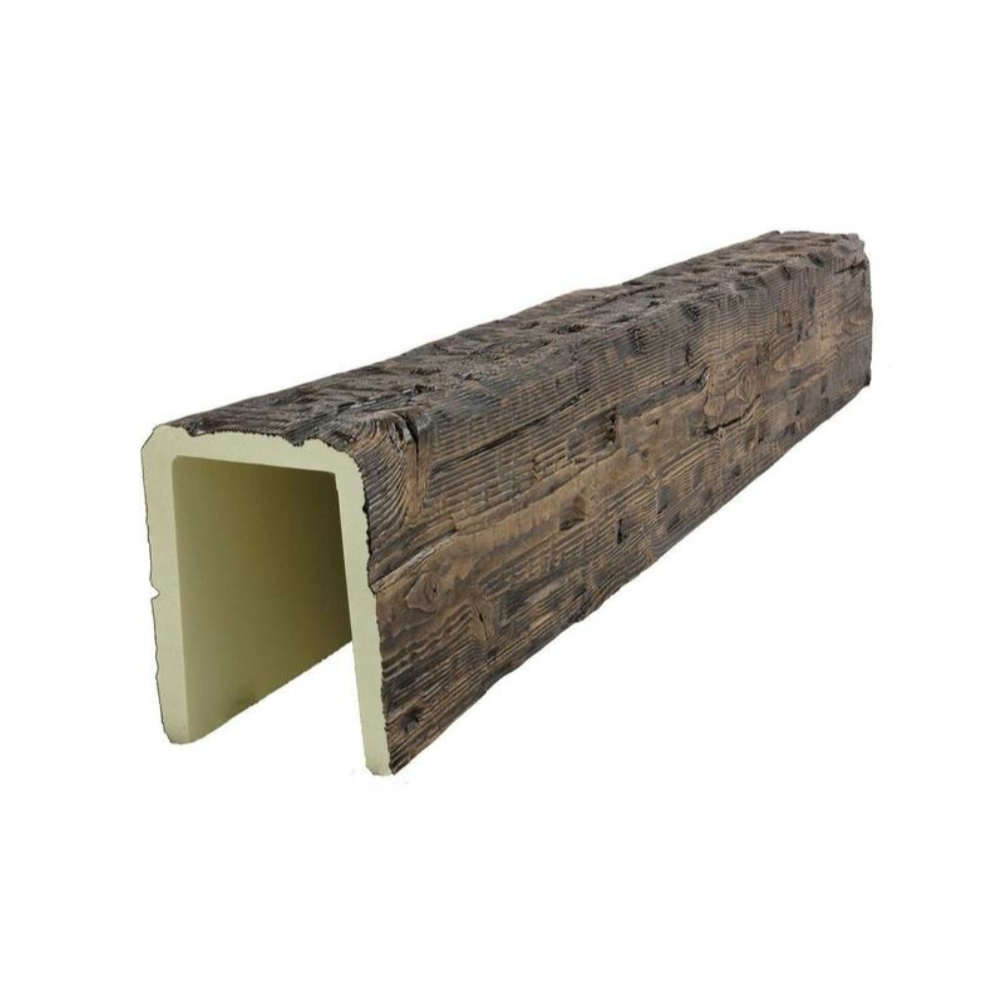
Production infrastructure tells the operational story. Well-organized manufacturing facilities with dedicated production lines, quality control stations, and appropriate storage suggest systematic operations. Temporary or improvised setups raise concerns about consistency and reliability.
Design and engineering resources differentiate premium suppliers from basic manufacturers. Teams capable of custom profile development, technical consultation, and problem-solving add value that extends beyond simple product supply. These capabilities become particularly important for projects with challenging requirements or innovative design approaches.
Logistics competence matters enormously for timely project completion. Suppliers with established shipping networks, appropriate packaging systems, and inventory management capabilities reduce the logistical challenges that complicate construction projects. Ask specific questions about how they handle damage prevention, tracking, and delivery scheduling.
Environmental and Safety Considerations
Contemporary architectural practice increasingly emphasizes environmental responsibility. Synthetic timber products present nuanced considerations in this area.
Polyurethane production involves petroleum-derived raw materials, raising legitimate sustainability questions. However, premium manufacturers increasingly incorporate recycled content and pursue continuous improvement in production efficiency. Look for suppliers who can document their environmental approach rather than avoiding the topic.
End-of-life considerations favor synthetic products in some contexts. Unlike natural wood, polyurethane faux beams don't require harvesting old-growth timber or processing resources in environmentally sensitive regions. Unlike fiberboard or particle board, they don't off-gas formaldehyde or other concerning compounds.
Fire performance becomes relevant for certain applications. Premium polyurethane formulations can achieve meaningful fire resistance ratings, making them suitable for commercial applications where natural wood would require extensive treatment or might be prohibited entirely.

Building Sustainable Supply Relationships
Long-term project success benefits from stable supplier relationships that reward mutual investment.
Volume commitment discussions often unlock better pricing and service levels. Suppliers appreciate customers who provide predictable demand, allowing better production planning and inventory management. In exchange, committed buyers typically receive preferential pricing, production priority, and enhanced support.
Communication consistency strengthens partnerships over time. Regular touchpoints—even brief ones—maintain relationship health and allow early identification of emerging issues. Relationships built on annual orders after months of silence struggle when problems arise.
Joint planning for upcoming projects allows suppliers to prepare for your specific needs. Sharing project pipelines, even broadly, helps suppliers position inventory and capacity appropriately. This collaboration benefits both parties through smoother execution and better outcomes.
Making Final Selection Decisions
Comparative evaluation requires balancing multiple factors against project-specific requirements. Create evaluation matrices that weight criteria according to your priorities.
Product quality should typically receive highest weighting for projects where appearance and durability matter most. Supplier capability and reliability deserve significant attention for projects with tight timelines or complex requirements. Pricing considerations should account for total cost of ownership including shipping, potential damage, and ongoing support needs.
Reference validation provides reality checks on supplier claims. Speaking with previous customers reveals how claims translate to actual experience. Focus reference conversations on problem resolution, communication quality, and whether they would choose the same supplier again.
Pilot orders before major commitments reduce risk when evaluating new suppliers. Small initial orders test actual product quality, shipping reliability, and communication responsiveness without endangering significant project investments.
The synthetic timber market will continue evolving as technology improves and sustainability considerations grow in importance. Building relationships with suppliers positioned for this evolution provides strategic advantage over those simply selling current products.
Technical References
ASTM standards cited in every specification
Test Data
Lab results from internal testing program
Updated 2026
Reviewed against current product specs