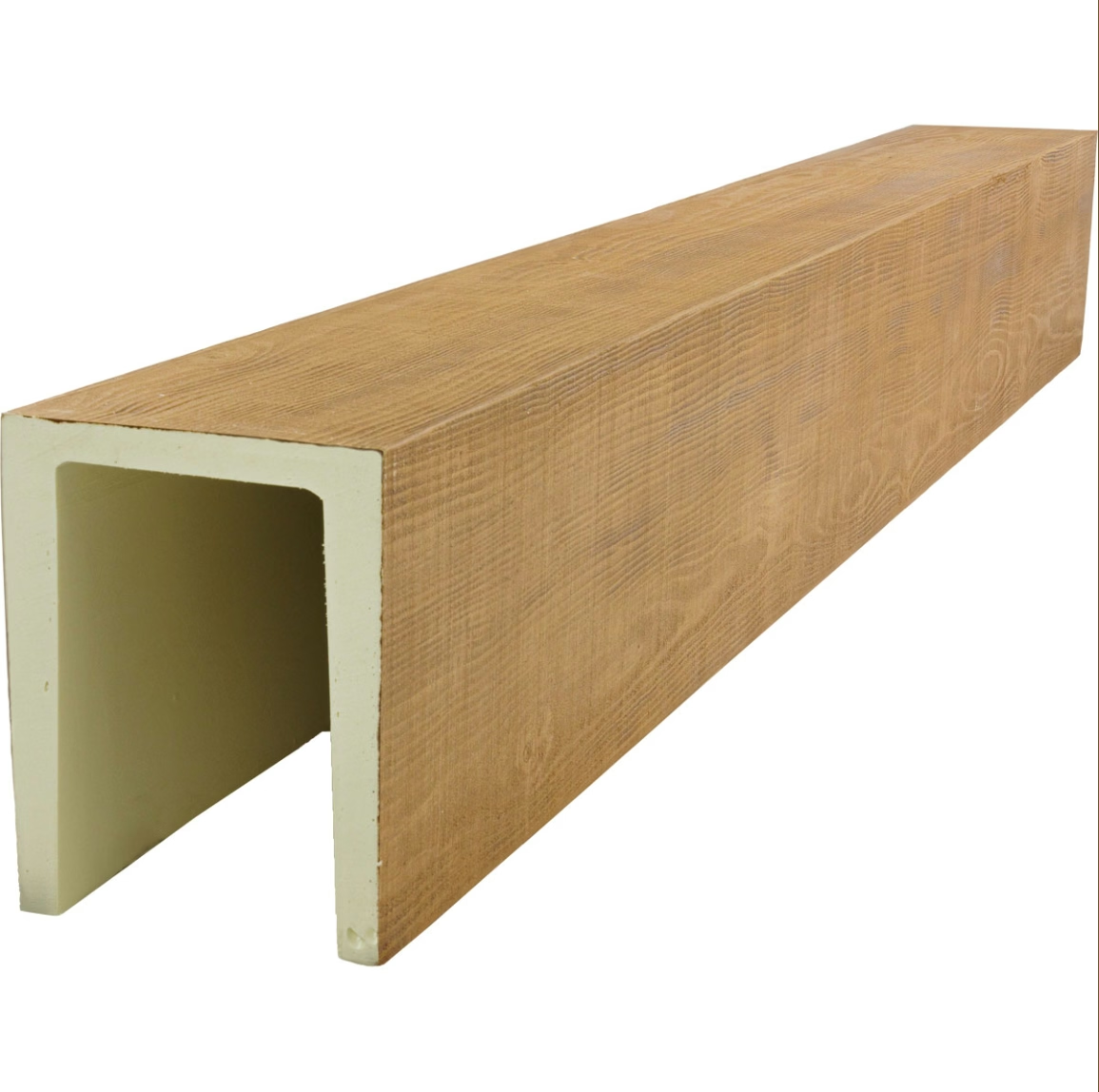
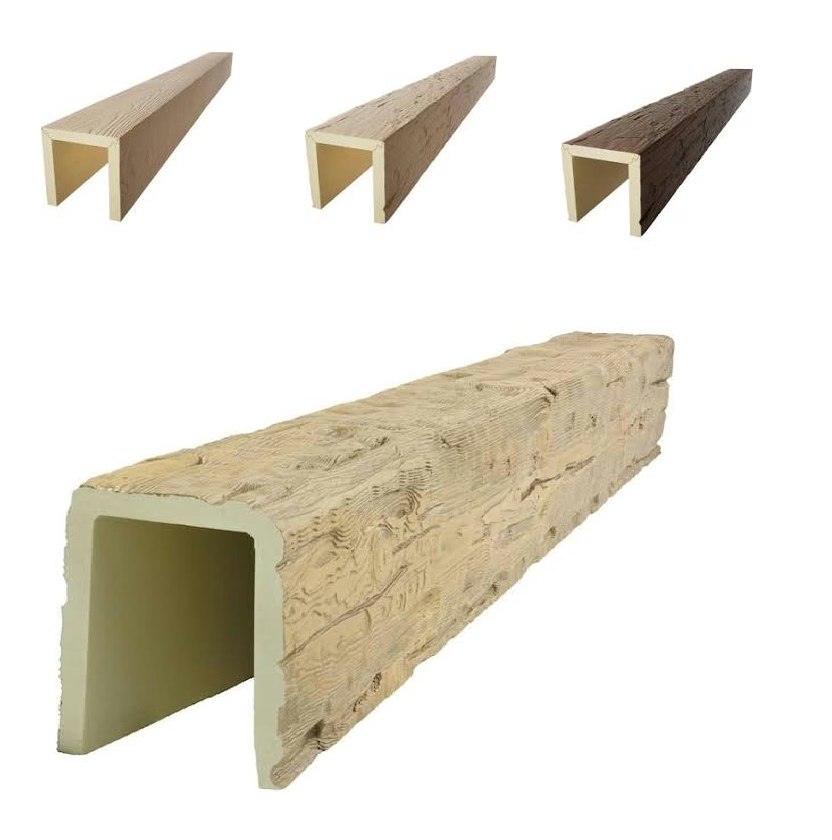
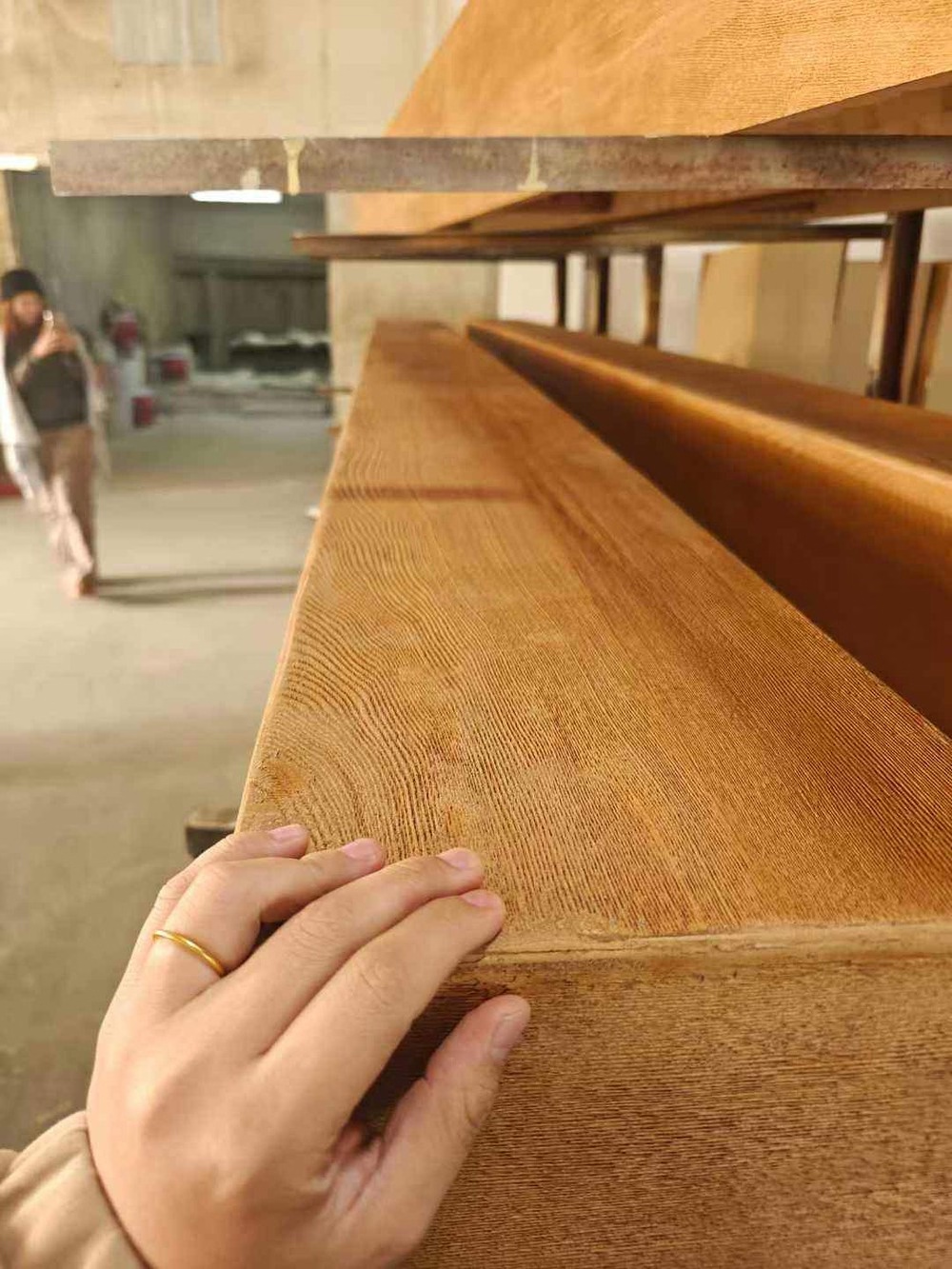
The texture of wood surfaces encodes information that our visual systems process almost instantaneously. Grain patterns, pore structures, and surface qualities combine to signal "wood" before conscious recognition occurs. Synthetic wood texture must provide this subconscious trigger to achieve convincing realism—surfaces that look correct only under careful scrutiny fail the authenticity test that casual observation applies.
Contemporary PU faux beams have mastered this challenge through texturing technologies that capture authentic wood character. The result expands design possibilities beyond what natural materials can provide, enabling wood aesthetics in conditions where timber would fail while maintaining the visual qualities that make wood desirable in the first place.
Understanding Wood Surface Complexity
Wood surfaces present multiple texture layers that operate simultaneously. Macro texture—the overall pattern of grain lines—establishes basic wood identification. Meso texture—the fine detail of grain variation—provides character and visual interest. Micro texture—pores, rays, and cell structure visible only at close range—adds realism when examined directly.
Each layer requires different reproduction approaches. Macro texture can be captured through mold embossing or surface casting. Meso texture often requires multi-step finishing processes. Micro texture may involve specialized coatings or texturing treatments applied after primary forming. Comprehensive simulation addresses all layers, ensuring convincing appearance at any viewing distance.
The interaction between texture layers and lighting conditions determines perceived authenticity. Light glancing across grain reveals depth that flat coloring cannot create. Shadows in pore structures add dimensionality. Surface sheen variations suggest natural finish application. These lighting interactions require textures designed with specific illumination in mind.
Embossing and Casting Technologies
Modern mold technology enables texture reproduction at resolutions impossible with earlier manufacturing methods. CNC-machined molds capture wood surface details with precision measured in fractions of millimeters. The resulting textures read as authentic because they reproduce actual wood characteristics rather than artistic interpretations.

Embossed textures compress material against textured molds during forming, creating surface relief that reads as wood grain when illuminated. The depth and character of embossing determines how convincingly the texture reads under different lighting angles. Deep embossing creates strong shadowing that might seem exaggerated under flat illumination; shallow embossing maintains subtlety but requires careful lighting for full appreciation.
Cast textures capture mold surface characteristics directly, particularly valuable for features like end grain, knot faces, or specialized character marks. The direct capture approach preserves fine details that embossing might compress or distort. Premium products use combinations of both techniques, applying embossing for general grain and casting for specific character features.
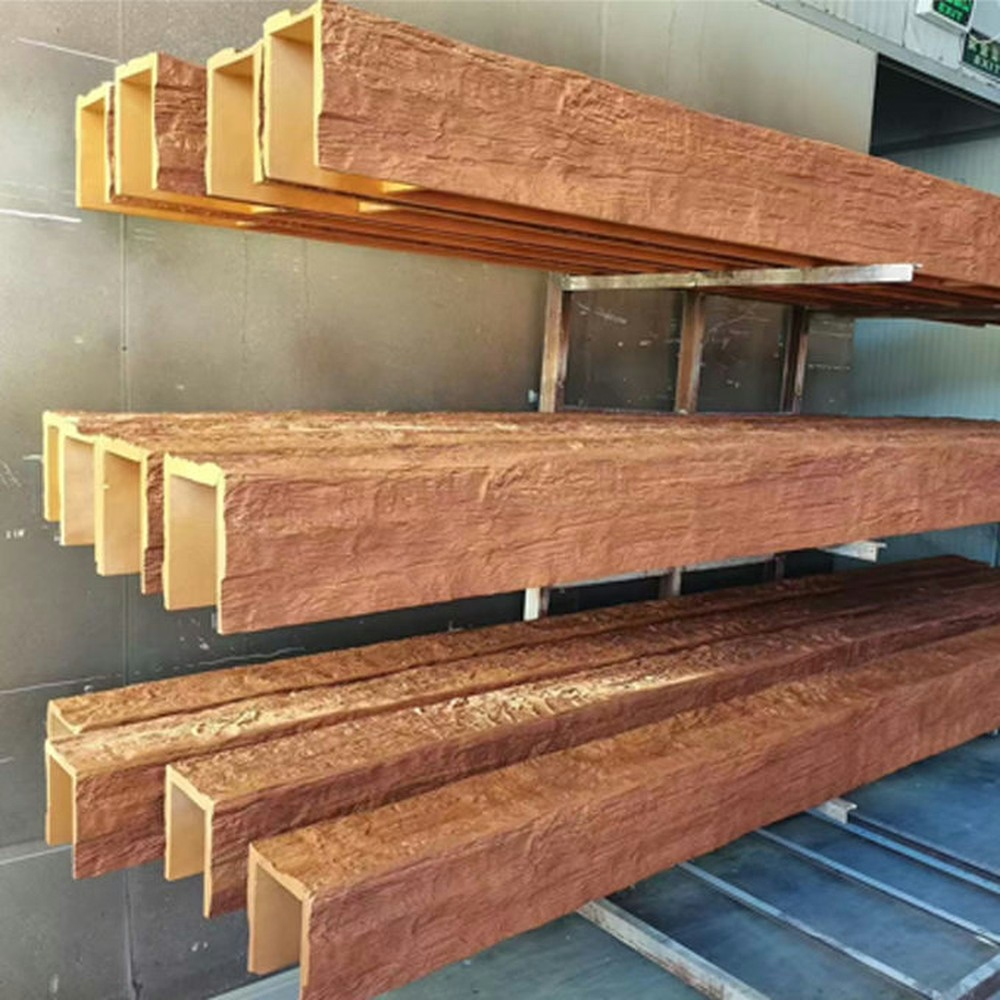
Pore Structure and Cell Detail
Hardwood species exhibit distinctive pore patterns that contribute significantly to species identification and aesthetic character. Oak's prominent pores differ from maple's subtle ones; ash presents differently than walnut. Capturing these pore characteristics adds authenticity that broad grain simulation alone cannot achieve.
Pore simulation employs various techniques depending on finish level and species requirements. Deep pores can be molded directly into surfaces, creating genuine recessed areas that catch shadow and accumulate subtle color variation. Shallow pores may be suggested through color application rather than actual surface relief. The combination produces convincing results when appropriately balanced.
Wood rays—medullary rays visible on quarter-sawn surfaces as flecks or stripes—present another detail layer requiring specific reproduction. These features distinguish species and contribute to visual interest in beams where quarter-sawn surfaces are visible. Simulation that omits these details seems incomplete to observers familiar with wood species.
Grain Pattern Variation and Authenticity
Natural wood grain exhibits variation across and within boards that creates visual interest. Straight grain, interlocked grain, wavy grain, and curly figure each create different aesthetic effects. Synthetic texture systems must address this variety, offering options that span the natural range rather than providing single-character textures.
Premium faux beam manufacturers offer multiple grain options within each species simulation. A single oak texture would seem repetitious across a large installation; multiple oak textures provide variation that suggests natural material while maintaining species identity. The selection of grain variations affects whether installations read as authentic or manufactured.
Directional consistency matters for believable simulation. Wood grain flows continuously across surfaces, maintaining logical direction even around features like knots or repairs. Inconsistent grain direction—lines that cross or reverse unnaturally—immediately signals manufactured surface despite superficially correct appearance. Professional texture development ensures logical grain flow throughout each beam.
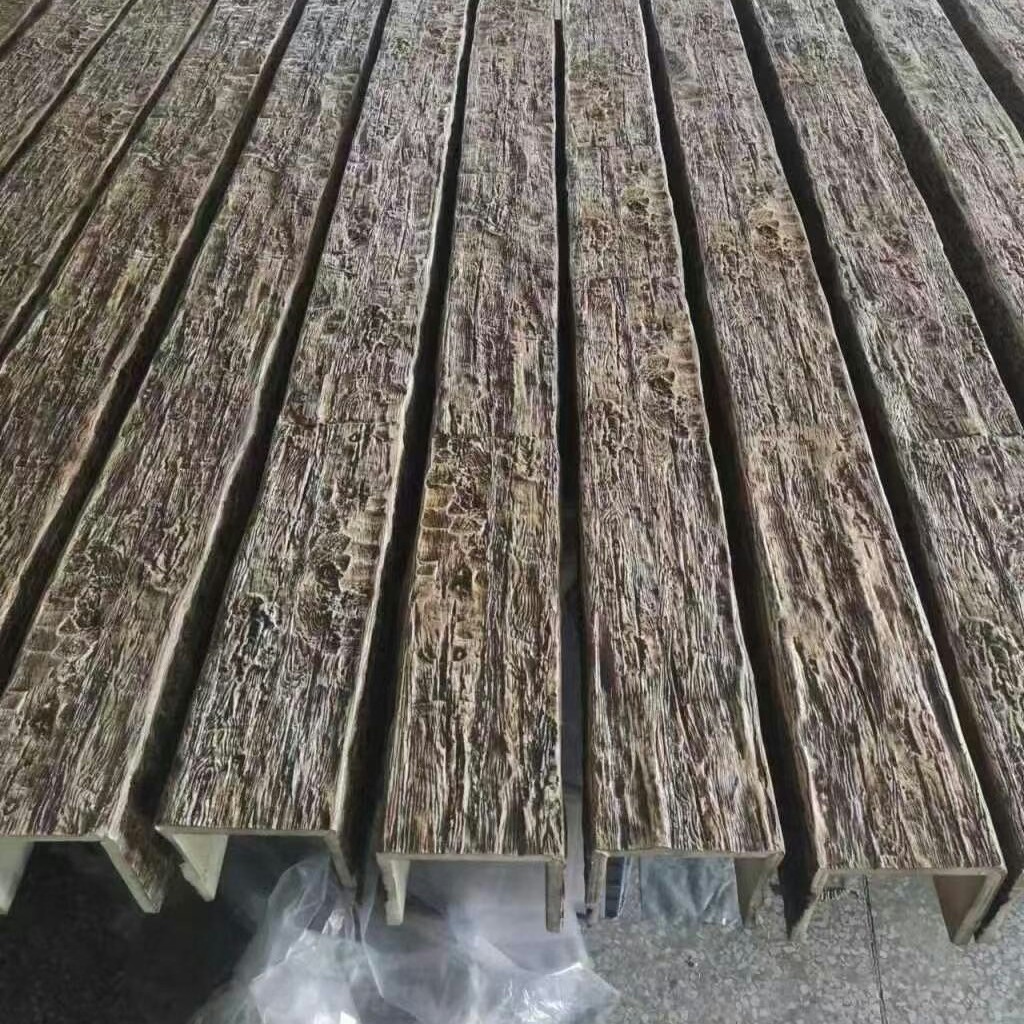
Species-Specific Texture Characteristics
Different wood species present texture challenges specific to their characteristics. Open-grained species like oak and ash require pore simulation that closed-grain species like maple or cherry do not demand. Dark woods like walnut benefit from textures that suggest depth and figure without appearing busy. Light woods like pine need character marks that add interest without overwhelming subtle coloration.
Species selection for faux beam applications should consider both aesthetic preferences and texture reproduction challenges. Species with distinctive textures that manufacture well might suit installations where species character matters. Species with subtle textures that resist reproduction might work better in applications where beams are not closely examined.
Reference specimens guide texture development for each species. Professional manufacturers maintain wood collections that inform texture engineering, ensuring that simulated textures capture actual rather than imagined wood characteristics. This research investment distinguishes products designed for authenticity from those that merely suggest wood.
Maintenance of Textured Surfaces
The durability of synthetic texture exceeds natural wood's surface stability. Natural wood surfaces wear, scratch, and accumulate damage that degrades texture over time. Polyurethane surfaces maintain their initial texture characteristics indefinitely, continuing to read as wood without the deterioration that affects genuine timber.
Cleaning textured synthetic surfaces requires attention to crevices where dust might accumulate. The same pores and texture features that create authentic appearance can trap particles if neglected. Periodic cleaning with soft brush attachment on vacuum cleaners or gentle wiping addresses this concern without damaging surface texture.
Repair of damaged synthetic textures presents challenges not encountered with natural wood. Wood can be sanded, patched, and refinished locally; synthetic surfaces may require complete replacement of affected elements. This limitation reinforces the practical advantage of synthetic texture durability—damage severe enough to require repair occurs rarely in normal use.
Technical References
ASTM standards cited in every specification
Test Data
Lab results from internal testing program
Updated 2026
Reviewed against current product specs