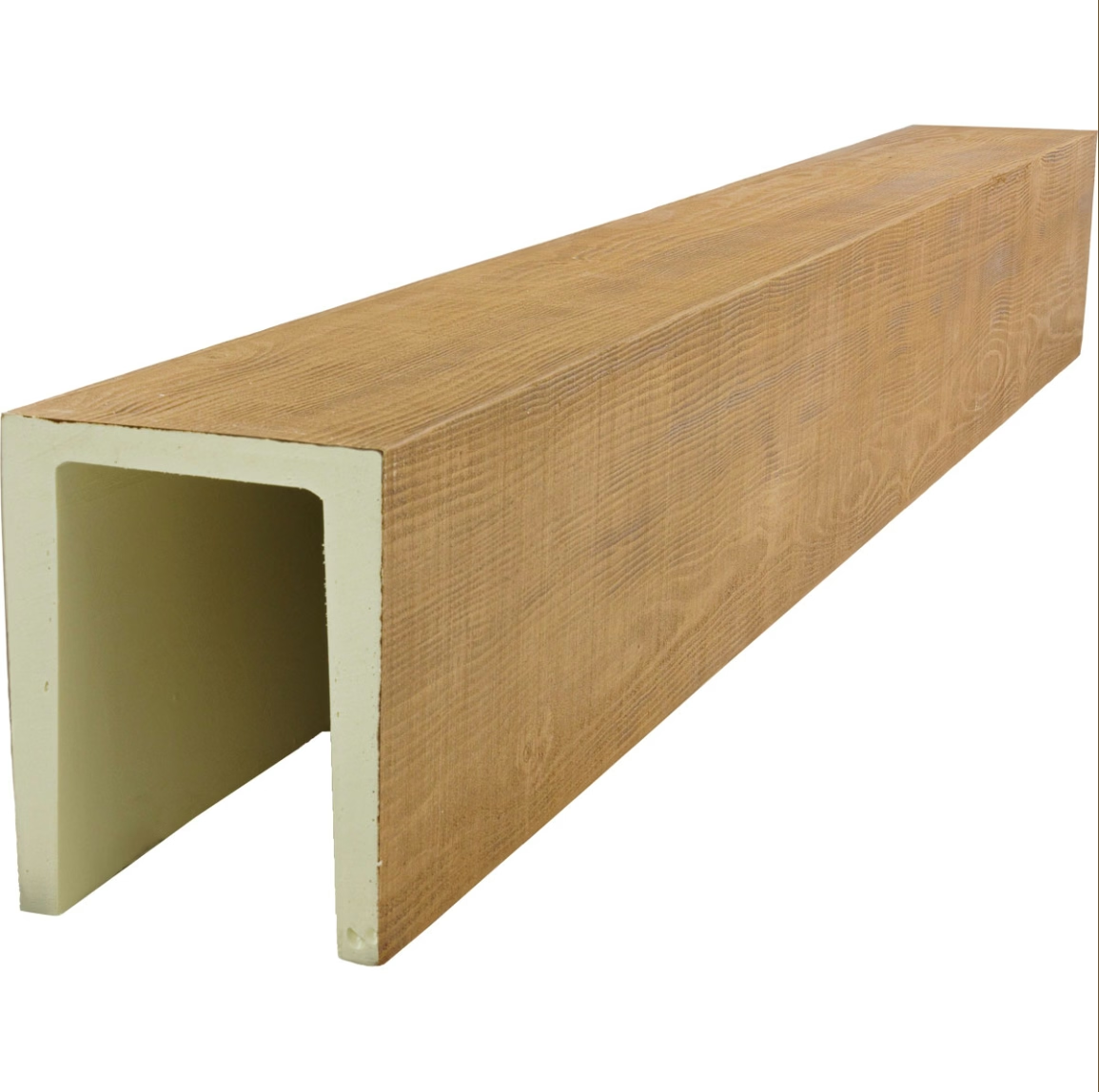
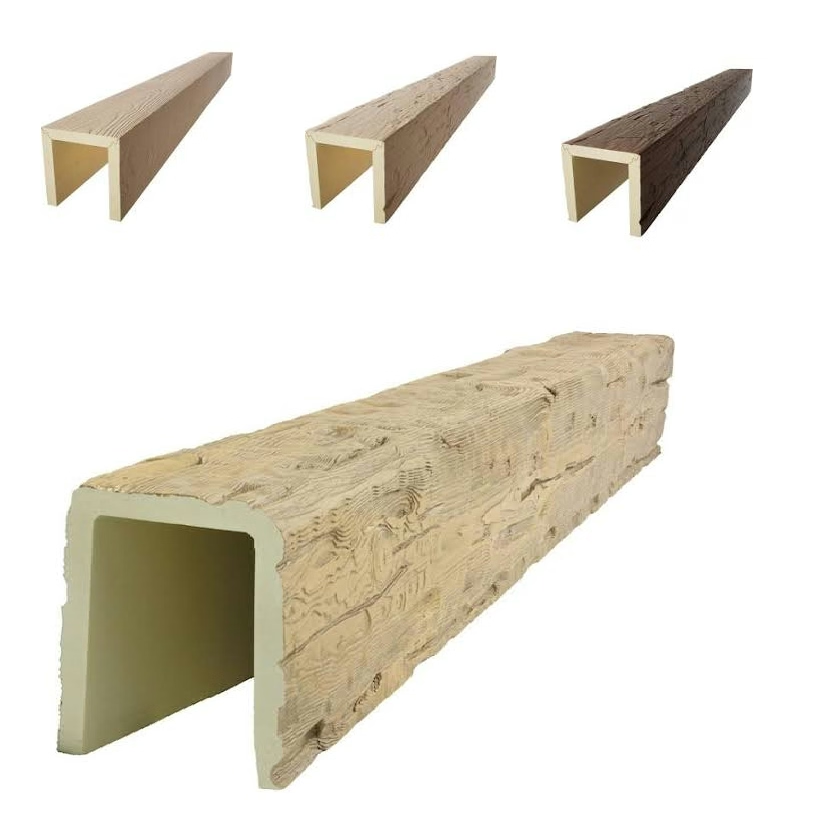
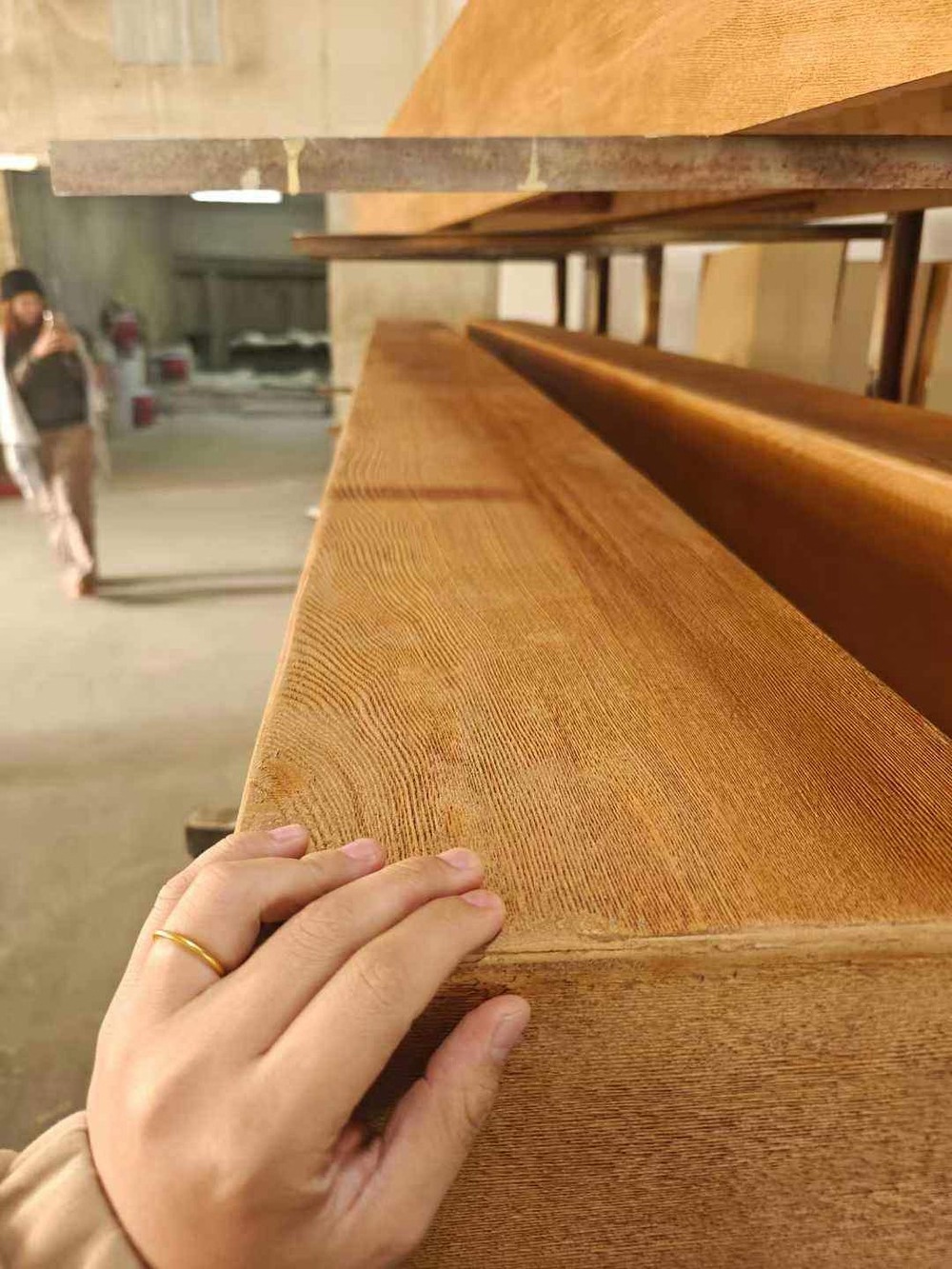
The gap between looking like wood and feeling like wood distinguishes premium faux beam products from lesser alternatives. Surface engineering that addresses tactile requirements creates products that survive the scrutiny of close examination and casual touch alike. Understanding this technology helps specification professionals select products that maintain authenticity across all inspection modes.
Wood simulation has progressed through multiple generations, each addressing limitations of previous approaches. Early products focused on color and basic shape, creating recognizable but unconvincing imitations. Subsequent generations added surface textures that improved visual authenticity. Contemporary products address the complete sensory experience, including thermal properties, hardness characteristics, and response to environmental conditions.
Surface Engineering Fundamentals
Effective surface engineering begins with understanding what surfaces must accomplish. They must look correct across viewing distances from room-filling to inches away. They must feel appropriate under fingers, hands, and occasional contact with objects. They must maintain appearance despite cleaning, environmental exposure, and long-term service. Meeting these requirements demands integrated design rather than isolated optimization.
Material selection establishes baseline capabilities. The polyurethane formulation must accept textures without distorting them, hold fine details without degradation, and maintain dimensional stability through temperature and humidity cycles. Formulation expertise determines whether these baseline requirements are met; inadequate formulations create problems that surface treatment cannot resolve.
Surface preparation affects how successfully subsequent treatments apply. Mold release agents, surface contaminants, or inconsistent substrate properties all interfere with texture reproduction. Quality manufacturers control these factors through process design and quality assurance, ensuring that surfaces arrive at texturing ready for optimal treatment.
Texture Resolution and Detail Capture
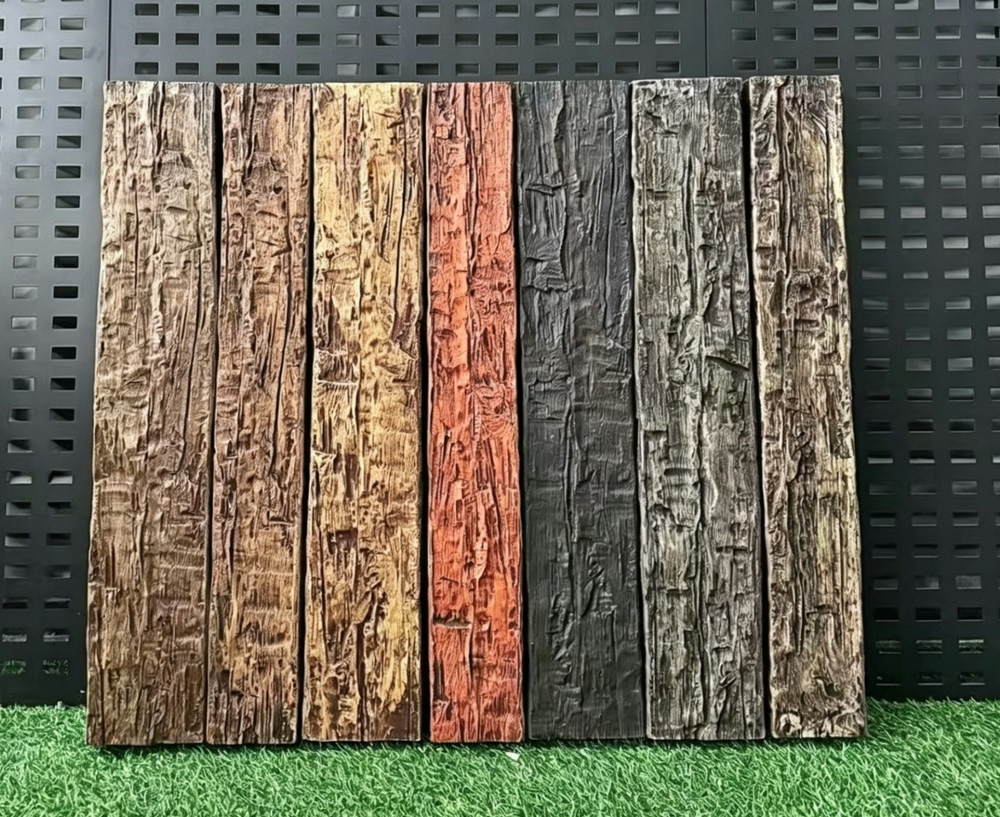
Texture resolution determines how much fine detail surfaces can reproduce. Higher resolution captures finer features—subtle grain variation, tiny pore openings, delicate machining marks. Lower resolution captures only gross features, producing textures that seem simplified or cartoonish when examined closely.
Modern manufacturing achieves resolution levels that exceed natural wood variation in many respects. Mold surfaces can be machined to tolerances measured in microns, capturing details invisible to unaided eyes but registering clearly under fingertip sensation. This precision enables texture authenticity that natural wood itself might not consistently achieve across all specimens.
The relationship between resolution and scale affects practical texture design. Extremely fine resolution might create surfaces too delicate for durability requirements; bolder textures might lack the fine detail that close inspection reveals. Professional texture development balances these requirements, providing resolution appropriate to application conditions.
Finishing Processes for Authentic Appearance
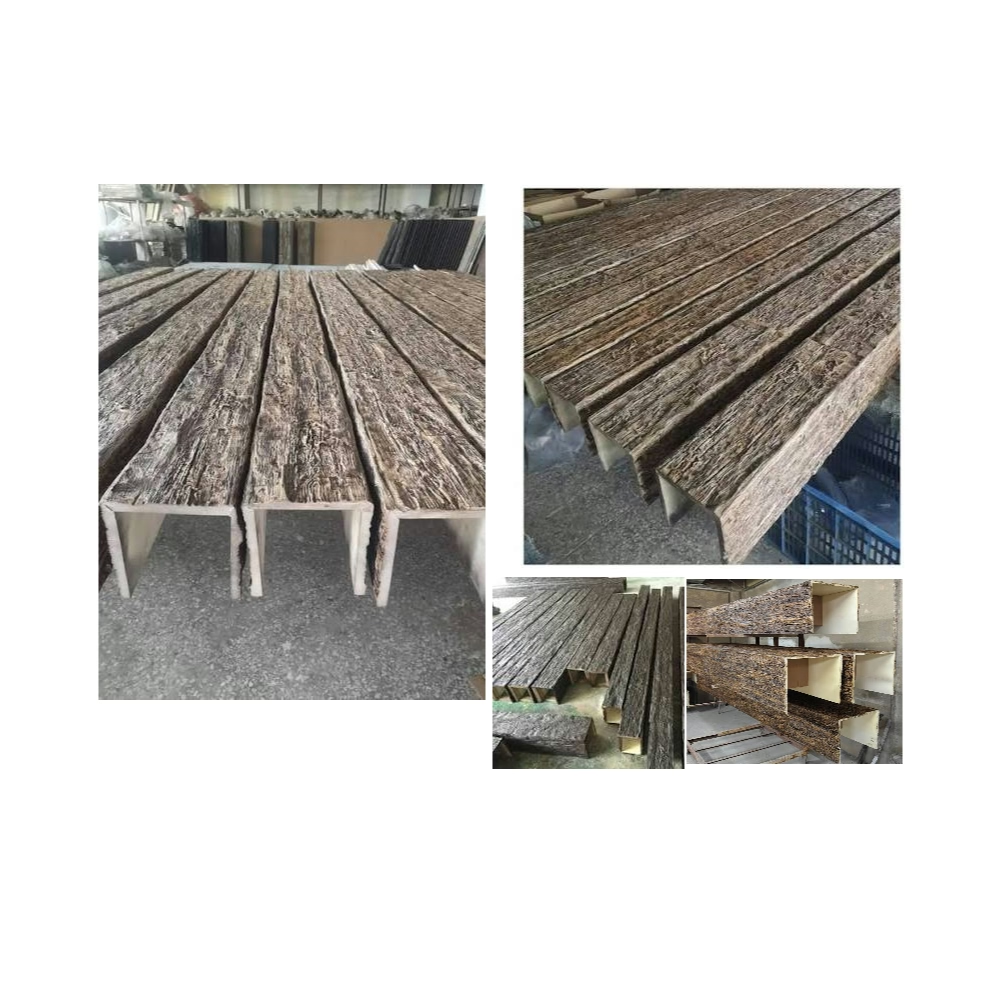
Raw textured surfaces require finishing to achieve wood-like appearance. The finishing process adds color, adjusts sheen levels, and creates the layered appearance that authentic wood presents. Each finishing stage contributes to both visual and tactile authenticity.
Color application in multiple layers creates depth that single-coat finishes cannot achieve. Base coats establish fundamental hue; grain highlighting adds tonal variation; pore filling creates contrasting color in recessed areas. These layers interact with texture geometry to produce appearance that reads as dimensional rather than flat.
Sheen control affects both appearance and tactile perception. Matte finishes absorb light, creating subdued appearance and smooth tactile feel. Satin finishes reflect light directionally, suggesting natural oil or varnish application while providing subtle texture feedback. The choice between these options affects how convincingly beams suggest particular wood species and finish types.
Quality Control in Surface Production
Consistent surface quality requires rigorous quality control at each production stage. Variation in substrate properties, texture depth, or finishing application creates batch-to-batch differences that complicate installations. Professional manufacturers implement statistical process control that identifies variation before products ship.
Visual inspection catches obvious defects but cannot detect subtle variations that affect authenticity. Measurement systems—profilometers for texture depth, spectrophotometers for color, glossmeters for sheen—provide objective data that visual inspection cannot capture. Premium manufacturers maintain these capabilities and apply them systematically.
Sample verification before full production commitment protects against batch variation concerns. Requesting samples from proposed production batches, evaluating them against specifications and reference standards, identifies potential issues before they affect installations. This verification investment costs little compared to remediation requirements if quality issues surface after installation.
Environmental Considerations in Surface Technology
Water-based finishing systems have replaced solvent-based alternatives in most contemporary production. This shift eliminates VOC emissions that affected factory workers and contributed to atmospheric pollution. The resulting products present lower environmental and health impacts without sacrificing finish quality.
UV-stable formulations maintain surface appearance despite extended light exposure. Natural wood surfaces degrade under UV exposure, changing color and developing patina that may or may not be desired. PU surfaces with UV inhibitors maintain consistent appearance indefinitely, avoiding the gradual changes that affect natural materials.
Recycled content in polyurethane formulations contributes to environmental improvement without compromising surface quality. The same surface engineering that produces authentic wood appearance works with recycled-content substrates, enabling sustainability benefits without aesthetic tradeoffs.
Selecting Products for Tactile Simulation Requirements
Project requirements should guide surface technology selection. Applications where beams will be touched frequently demand higher tactile authenticity than those where beams are ceiling-mounted and inaccessible. Matching product capabilities to actual inspection probabilities ensures appropriate investment levels.
Budget constraints require prioritization when specifying surface technology. The most sophisticated tactile textures command premium prices; more modest products provide adequate authenticity for many applications. Understanding where investment delivers value versus where it exceeds requirements helps optimize specification decisions.
Warranty coverage and manufacturer support affect long-term surface performance satisfaction. Products backed by warranties against surface degradation provide protection that surface technology alone cannot guarantee. Manufacturer technical support helps address issues that arise during installation or service.
Technical References
ASTM standards cited in every specification
Test Data
Lab results from internal testing program
Updated 2026
Reviewed against current product specs