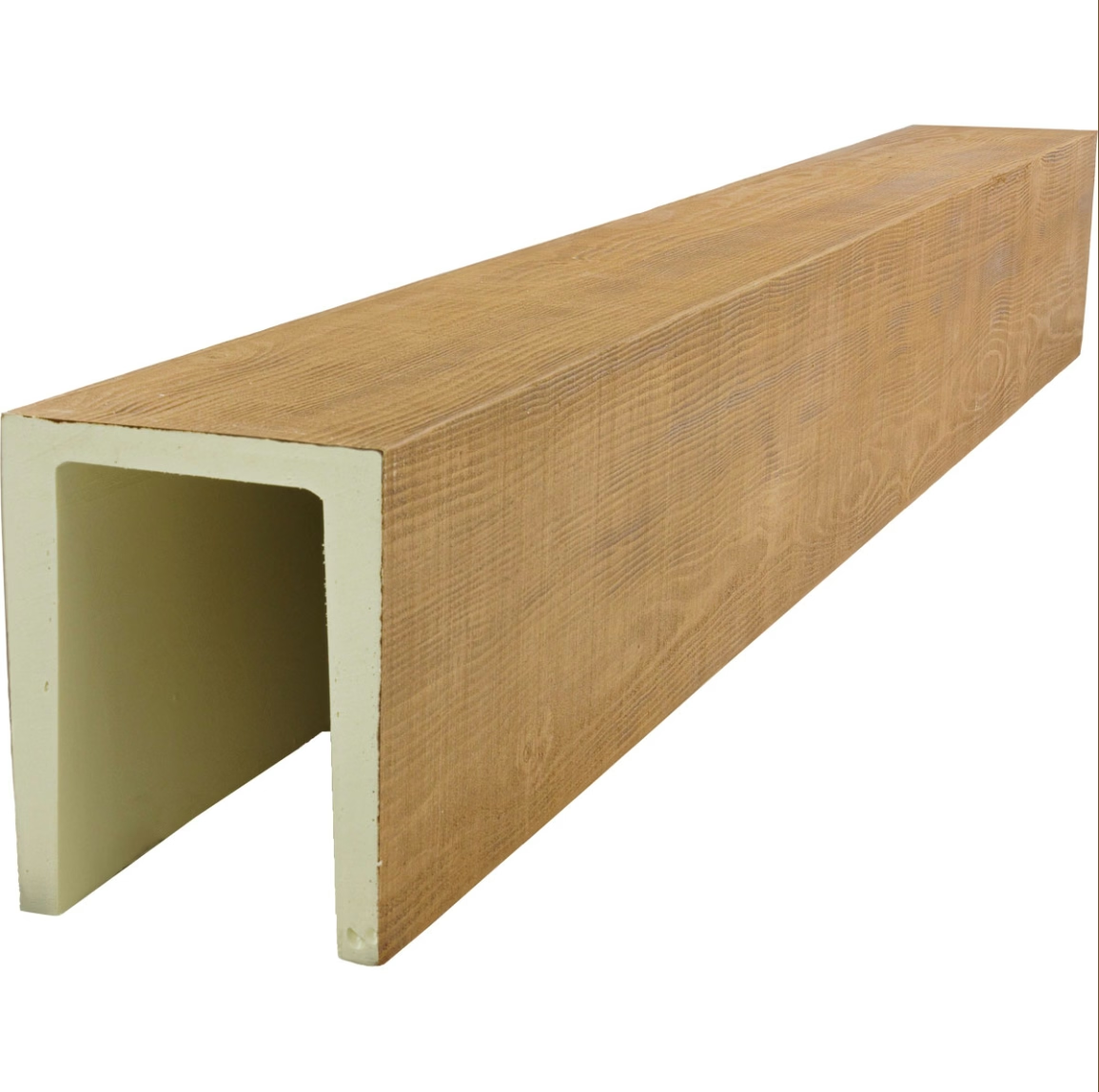
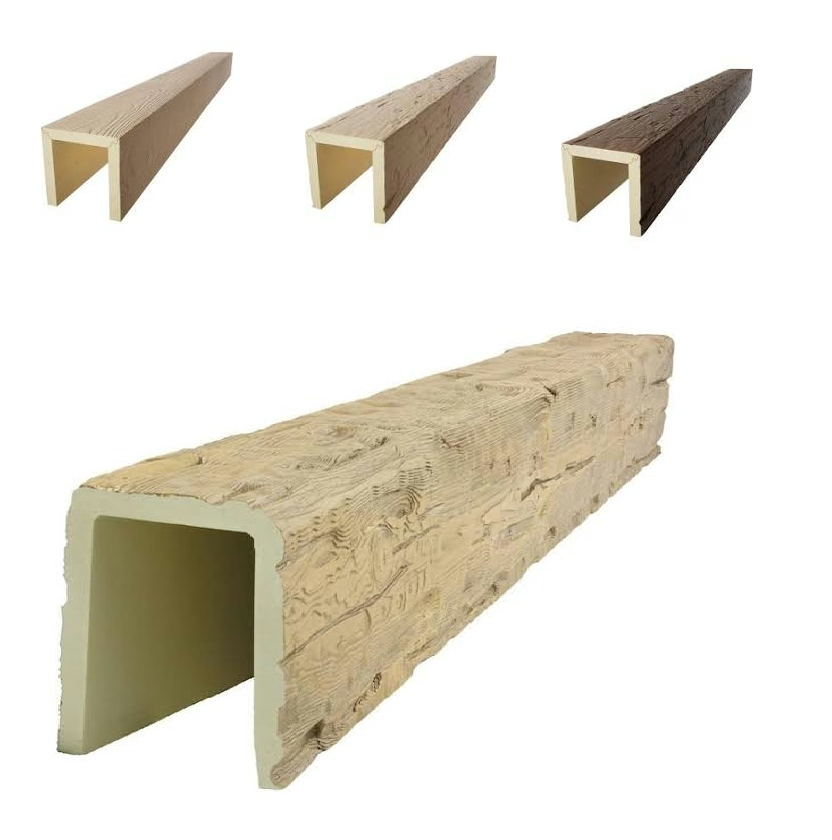
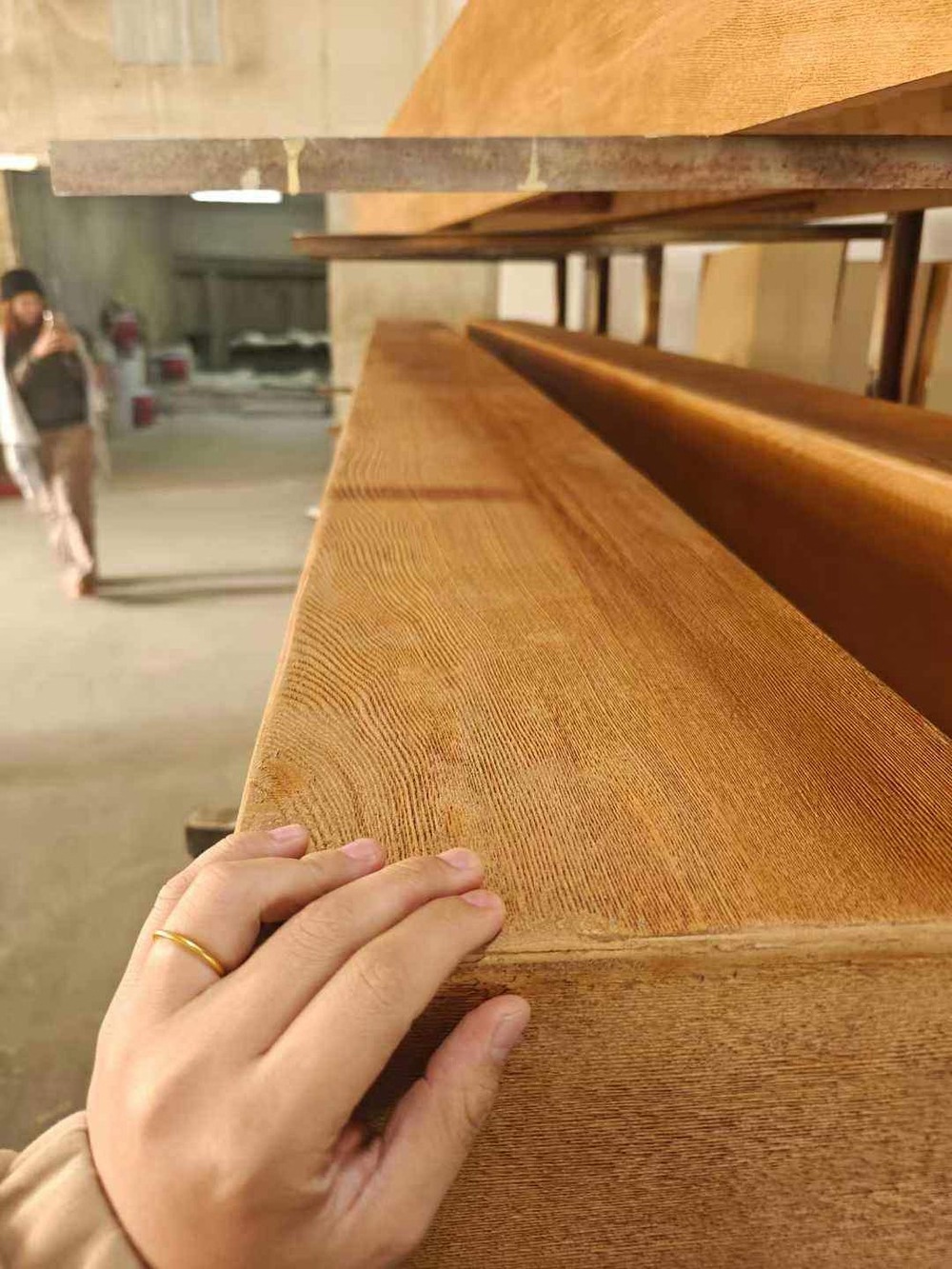
When selecting polyurethane faux wood beams for interior design projects, understanding the technical specifications separates successful installations from costly mistakes. Professional designers and contractors need to evaluate multiple parameters that determine how these manufactured products perform over years of service.
Material Composition and Density Ratings
Polyurethane faux beams start with carefully formulated chemical compositions that determine their structural characteristics. High-density polyurethane, typically measured in pounds per cubic foot, directly influences how convincingly the finished product mimics natural wood. Professional-grade options usually fall between 15 and 25 pounds per cubic foot, creating sufficient mass for realistic appearance without overwhelming structural supports.
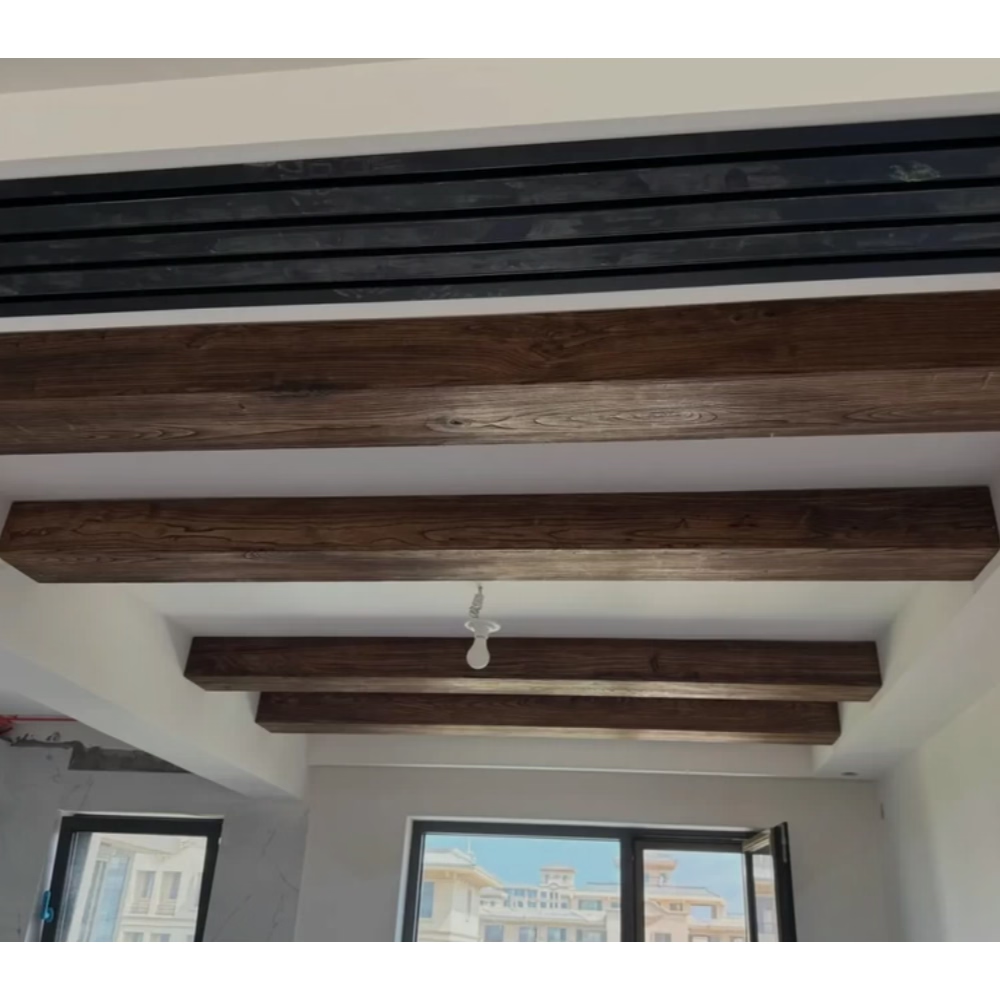
The density affects more than just visual weight. Denser formulations accept deeper router cuts and carving details, allowing manufacturers to replicate complex woodgrain patterns and authentic saw marks found in reclaimed barn timber. Lower density alternatives might save material costs but often lack the detail depth that distinguishes quality installations from budget imitations.
Raw material sourcing matters significantly for consistency. Reputable manufacturers specify the percentage of recycled content and virgin polymer ratios, which affects color uniformity across beam lengths and batches. Projects requiring seamless joints across multiple pieces benefit from understanding these compositional differences before placing orders.

Dimensional Tolerances and Profile Consistency
Architectural specifications demand precise dimensional tolerances that manufactured faux beams must meet consistently. Professional-grade products maintain thickness variations within ±1/32 inch across standard lengths up to 16 feet. This precision enables clean miter joints and seamless scarf connections that read as single continuous pieces from normal viewing distances.
Profile consistency matters particularly for projects spanning multiple rooms or requiring matching elements installed years apart. Quality manufacturers maintain master templates and CNC-controlled cutting systems that reproduce complex profiles identically across production runs. Requesting specification sheets showing tolerance ranges helps establish whether a product meets the requirements of institutional or commercial applications.
Length availability affects design flexibility. Standard offerings typically range from 8 to 16 feet, with special orders extending to 20 or 24 feet for grander spaces. Understanding how seam placement affects visual continuity guides specification decisions for beams crossing doorways, window headers, or fireplace surrounds.
Surface Texture Specifications
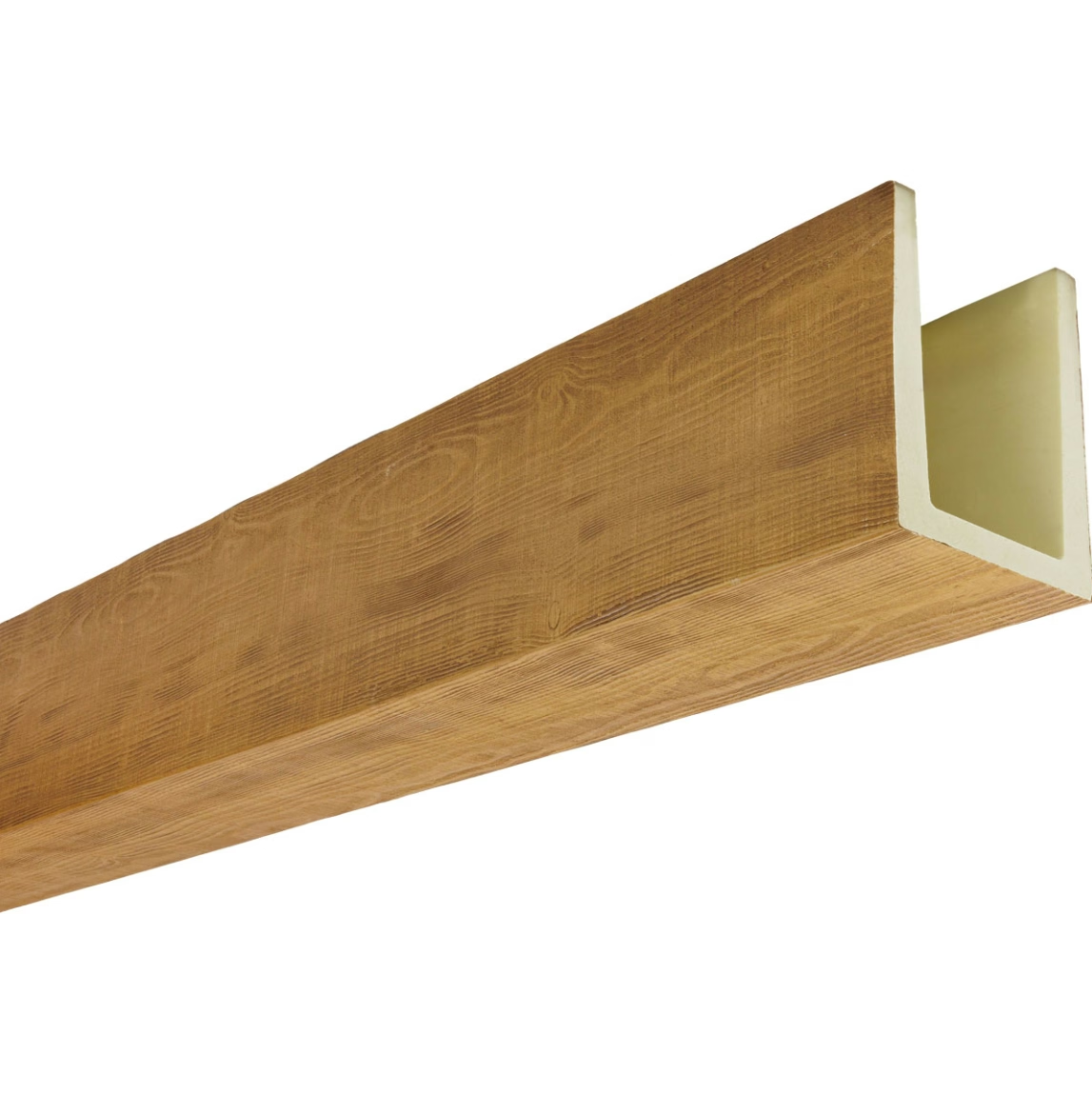
The tactile quality of faux beams substantially influences perceived authenticity. Hand-hewn textures require different manufacturing approaches than rough-sawn finishes, with each style demanding specific tooling and finishing techniques. Professional specifications should reference actual samples rather than photographs, as lighting conditions dramatically alter texture perception.
Texture depth measurement using Shore durometer ratings provides objective comparison criteria. Higher ratings indicate firmer surfaces that resist denting during handling and installation. Products rated below 60 Shore A may show impressions from light pressure, creating maintenance concerns in high-traffic installations or retail environments.
Priming and painting specifications interact with texture depth. Deeply carved surfaces require additional primer coverage to achieve uniform color, affecting material quantities and labor estimates. Understanding these relationships prevents surprise costs during project execution.
Environmental Performance Standards
Indoor air quality certifications matter increasingly for commercial and residential specifications. Low-VOC formulations protect installation workers and building occupants while meeting LEED credit requirements for sustainable interiors. Documentation from manufacturers should confirm compliance with CDPH/EHLB Standard Method V1.1 and similar testing protocols.
Thermal expansion characteristics determine how faux beams respond to temperature fluctuations common in spaces with variable HVAC operation. Quality products incorporate expansion compensation features that prevent cracking or joint separation. Specifications should require documentation of thermal cycling test results demonstrating performance across expected temperature ranges.
Moisture resistance eliminates concerns about warping, rotting, or insect damage that affect natural wood alternatives. While polyurethane inherently resists moisture absorption, seam sealing and end-grain treatment specifications ensure comprehensive protection. Projects in coastal regions or humid climates particularly benefit from these material advantages.
Installation Compatibility Standards
Adhesive compatibility represents a critical specification area that affects long-term performance. Professional faux beams require bonding systems that maintain grip through thermal cycling and settling movement. Products tested with common construction adhesives—including polyurethane, hybrid polymer, and epoxy formulations—provide installation flexibility across different substrate conditions.
Fastening specifications address both temporary support during adhesive cure and permanent attachment methods. Some installations rely entirely on adhesive bonding, while others incorporate mechanical fasteners for additional security. Understanding load requirements and substrate conditions guides specification of appropriate fastening systems.
Certification requirements vary by project type and jurisdiction. Commercial applications in public buildings may require specific fire ratings tested according to ASTM E84 or equivalent standards. Product documentation should clearly state flame spread and smoke development ratings to confirm compliance with applicable building codes.
Quality Assurance and Testing Documentation
Professional specifications should require current test documentation from accredited laboratories rather than outdated certifications or generic marketing claims. Third-party verification provides independent confirmation of stated performance characteristics, particularly important for projects with warranty requirements or insurance considerations.
Warranty terms reveal manufacturer confidence in product performance. Extended warranties exceeding five years indicate materials designed for long-term service rather than temporary display applications. Warranty scope should clearly define covered defects, including surface delamination, structural failure, and color change beyond specified tolerances.
Sample approval processes protect projects from specification misunderstandings. Professional installations typically require signed approval of physical samples before production orders, establishing clear performance expectations. This documentation becomes valuable reference material if disputes arise regarding product quality or conformance.
Understanding these technical specification elements enables confident selection of faux wood beams that meet the demands of professional interior design practice. Thorough documentation and clear communication with suppliers prevent costly errors while delivering installations that satisfy client expectations for decades of service.

Technical References
ASTM standards cited in every specification
Test Data
Lab results from internal testing program
Updated 2026
Reviewed against current product specs