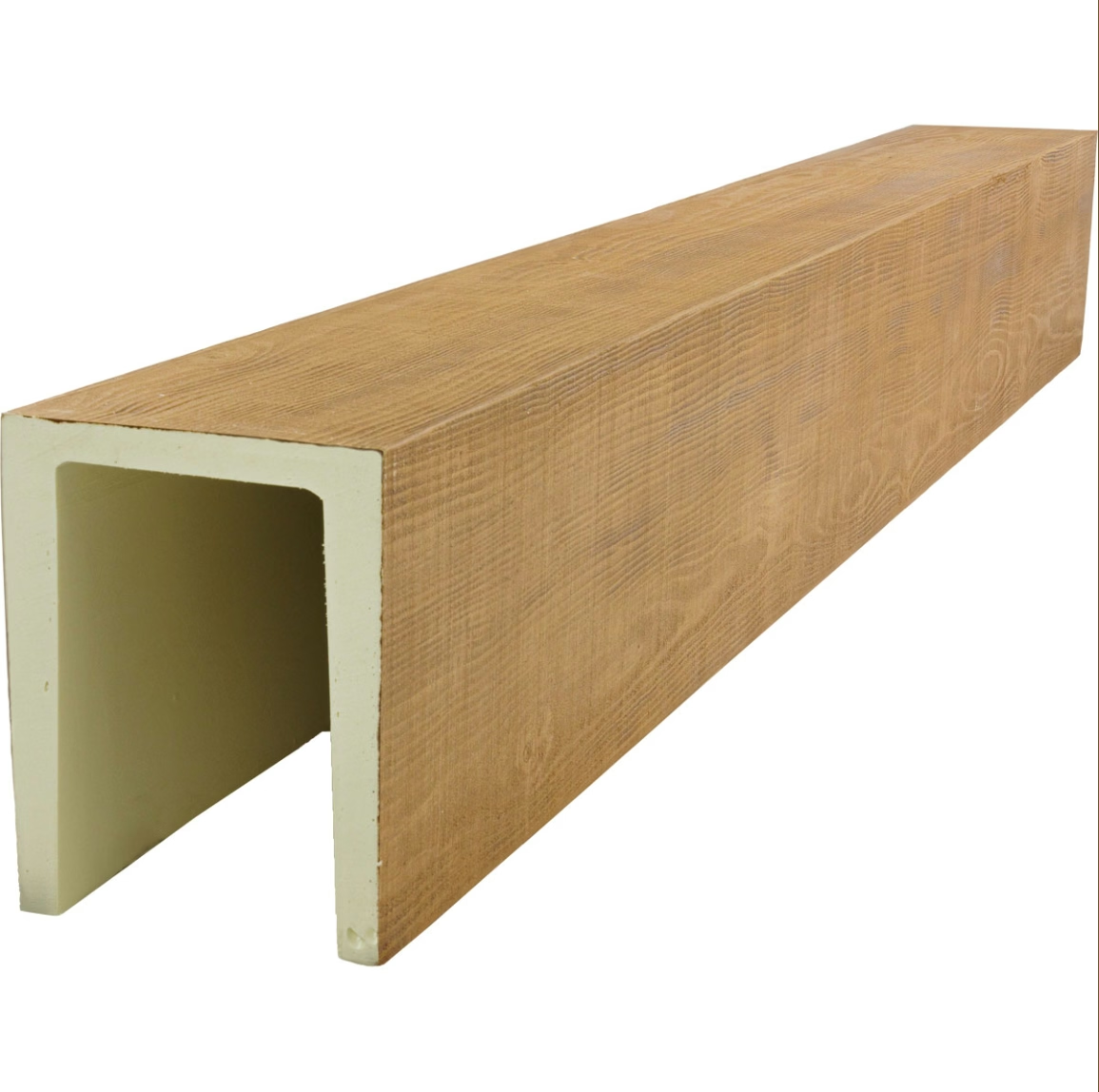
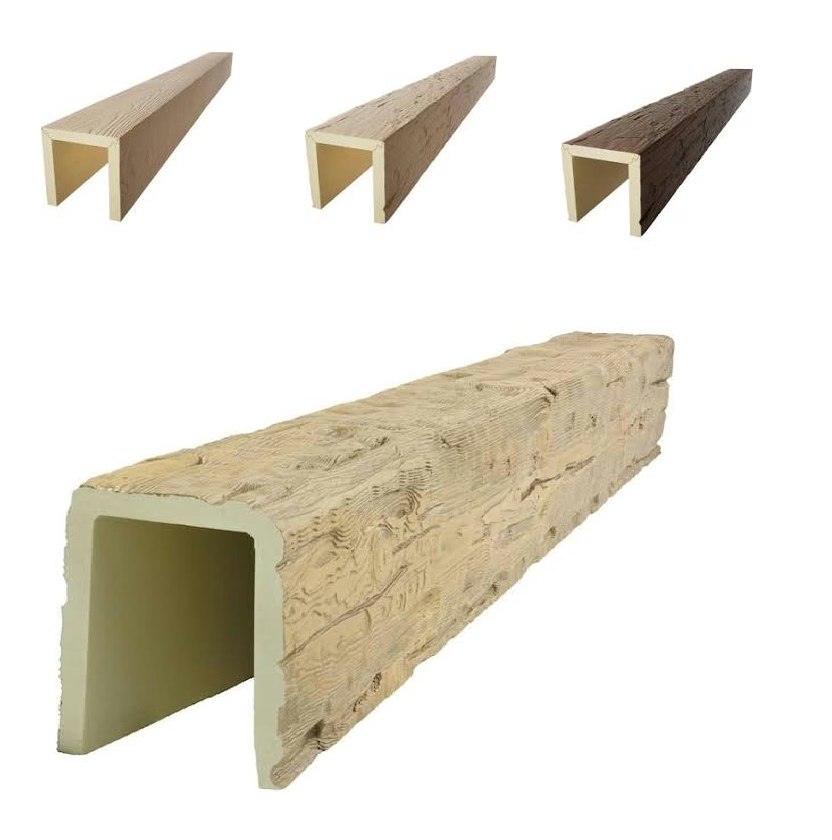
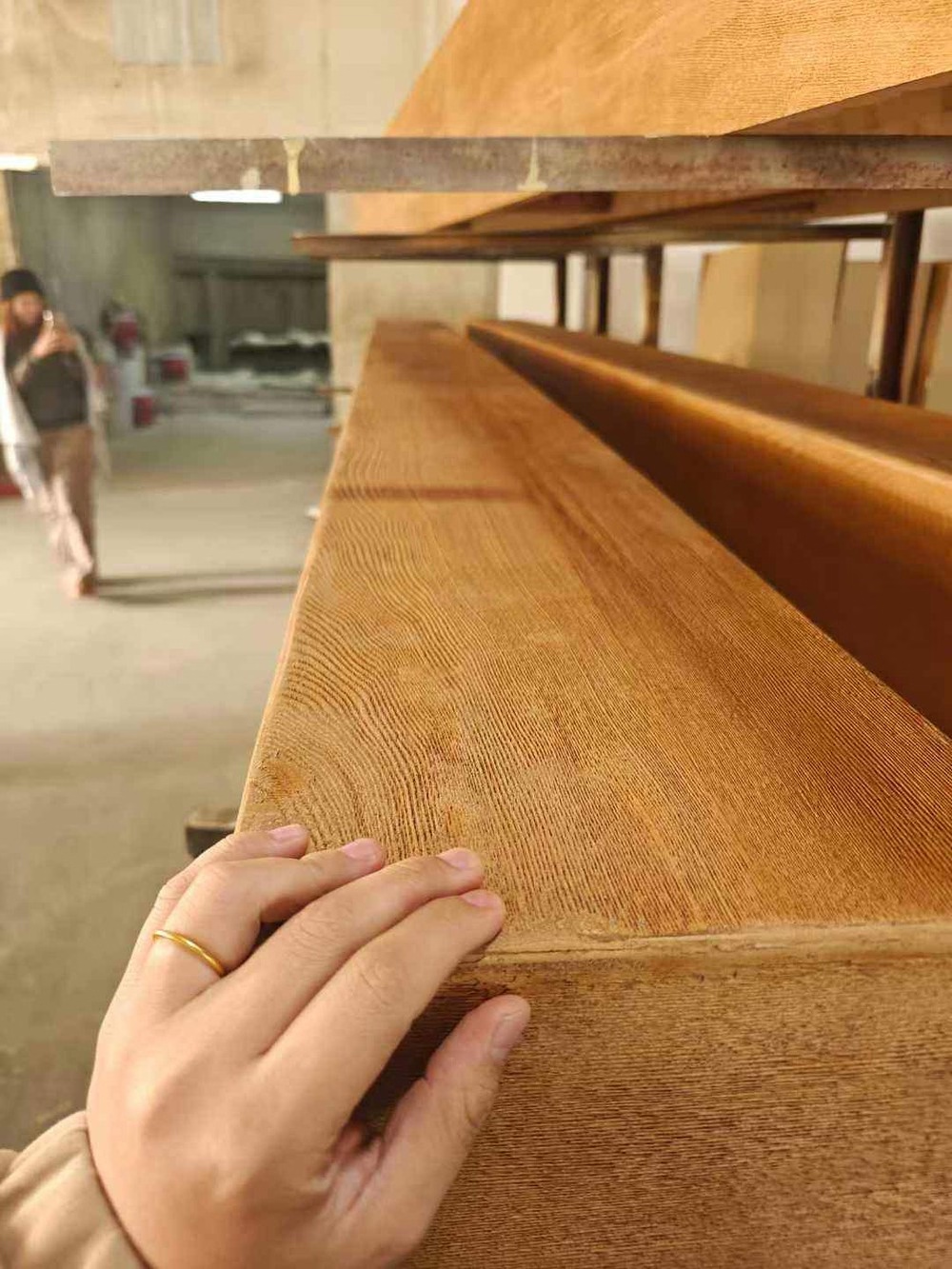
Non-load-bearing designation fundamentally changes how polyurethane faux beams should be evaluated and specified. Unlike structural timber that must carry imposed loads and resist forces, decorative beams exist purely to create visual effect—an important function, but one that demands entirely different engineering approaches and installation techniques.
Weight as Primary Design Driver
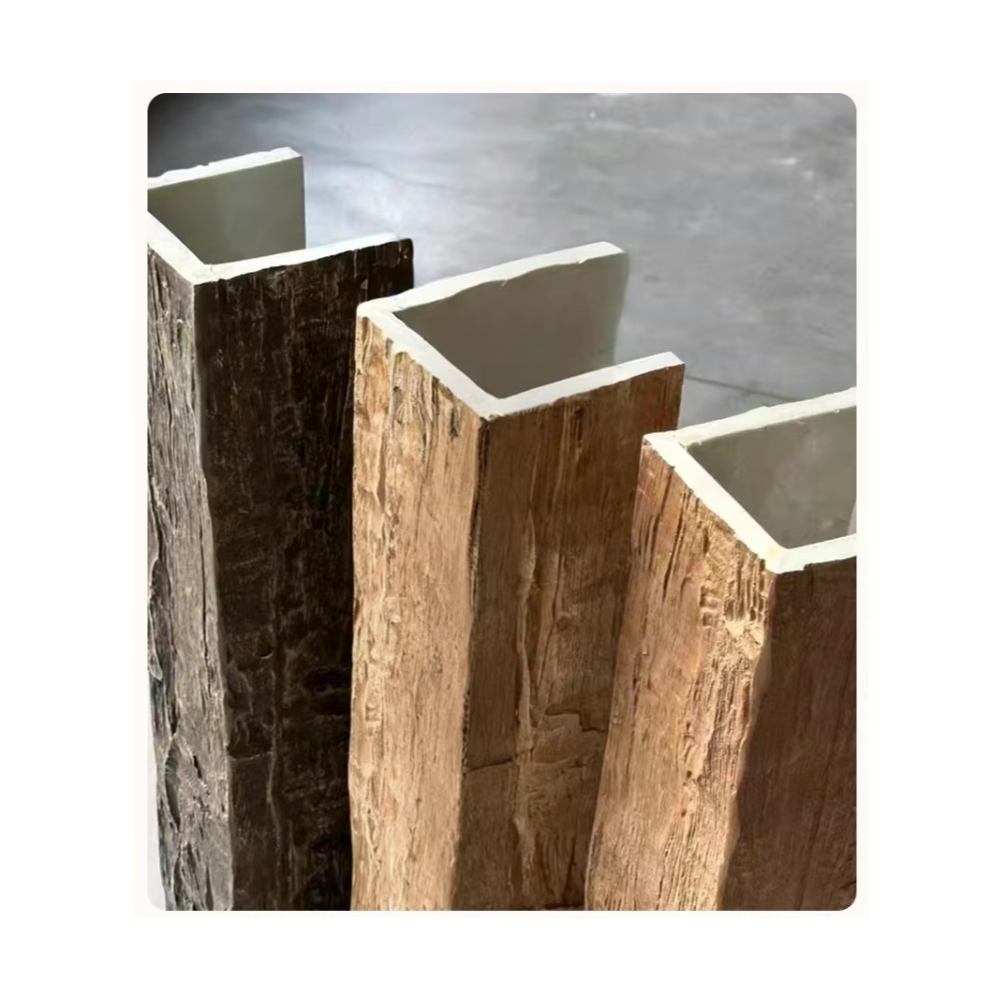
With structural responsibility removed, weight becomes the governing parameter for non-load-bearing beam selection. Lighter products reduce mounting requirements, simplify installation logistics, and decrease the load imposed on ceiling substrates. Premium options typically weigh 1-3 pounds per linear foot, enabling mounting methods impossible for genuine timber that might weigh 8-12 pounds per foot.
This weight advantage enables applications that solid timber simply cannot accommodate. Suspended ceiling systems, drywall ceilings, and existing millwork can accept decorative beams without structural reinforcement when using lightweight polyurethane alternatives. Understanding weight-to-appearance ratios helps designers specify appropriately for each substrate condition.
Weight distribution across ceiling spans affects attachment method selection. Point loads at mounting locations concentrate the beam's weight, requiring fasteners capable of supporting full beam weight plus any incidental loads from maintenance activity. Calculating these loads enables appropriate fastener specification and substrate reinforcement where necessary.
Attachment Engineering Principles
Non-load-bearing beams require attachment systems designed for purely gravitational loads and incidental contact forces. Unlike structural installations where failure creates safety hazards, decorative beam attachment failure creates cosmetic damage and repair inconvenience. This distinction permits design flexibility while still requiring thoughtful engineering.
Adhesive bonding provides the cleanest appearance for non-load-bearing applications. Construction-grade adhesives developed for polyurethane substrates create permanent bonds when properly prepared and applied. Surface preparation—including cleaning,轻度 sanding, and appropriate priming—determines bond strength more than adhesive selection among quality products.
Mechanical fastening supplements adhesive bonding for added security and alignment maintenance during cure periods. Exposed fasteners create visual interest when driven into seam locations or deliberately positioned as decorative details. Concealed mechanical fastening using clips, blocking, or specialty hardware provides security without visible evidence.

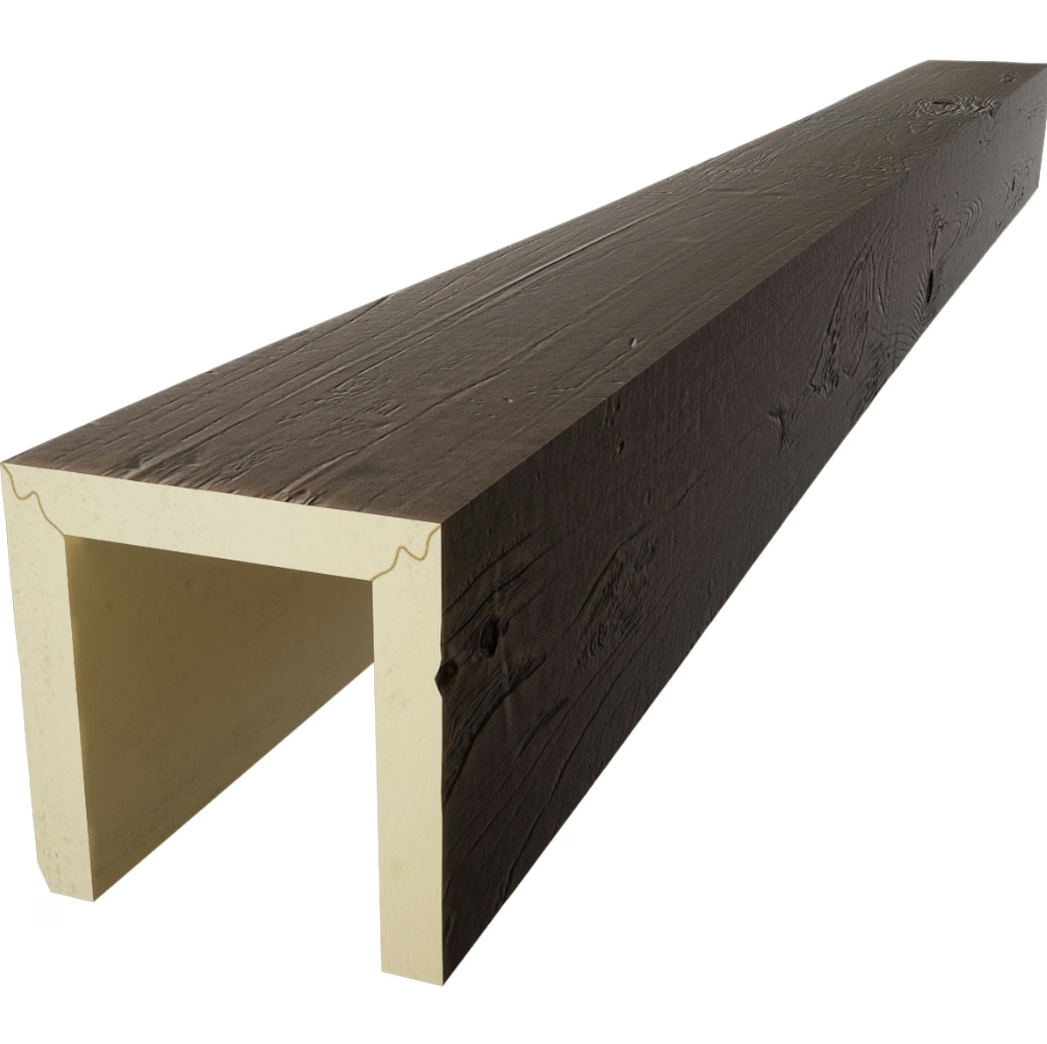
Seismic and Movement Considerations
Building movement affects decorative beams differently than structural elements. Non-load-bearing installations must accommodate movement without transmitting forces to substrates that could cause cracking or displacement. Flexible mounting systems and appropriate gap tolerances address these concerns through deliberate engineering.
Seismic zones impose additional requirements depending on local codes. Even non-structural elements may require seismic restraint in commercial buildings, with attachment methods specified by structural engineers familiar with local requirements. Documentation ensures code compliance while preventing over-engineering that increases cost without corresponding benefit.
Thermal movement affects long-span installations most significantly. Beams crossing areas with temperature variation between day and night conditions experience subtle dimensional changes that accumulate over length. Quality installations incorporate expansion accommodations at terminations and joints that prevent buckling or cracking as temperatures cycle.
Substrate Compatibility Assessment
Ceiling substrate materials determine appropriate attachment methods. Wood framing accepts standard fasteners and adhesives readily, providing solid backing for secure installations. Metal framing requires different fastener types and may benefit from supplemental adhesive application due to reduced holding power of mechanical fasteners alone.
Drywall and plaster substrates present greater challenges for non-load-bearing installations. Without structural backing, these materials cannot support meaningful loads without deflection or failure. Blocking installation between framing members before drywall application provides secure mounting locations, or specialty toggle-type fasteners designed for hollow-wall applications offer alternatives in existing construction.
Concrete and masonry substrates require mechanical anchoring using expansion bolts or adhesive anchoring systems. Surface preparation becomes critical for adhesive systems, with proper cleaning and priming determining long-term performance. Premium adhesive manufacturers provide technical guidance for substrate-specific applications.
Inspection and Acceptance Criteria
Professional installations include inspection checkpoints that verify proper execution before project completion. Attachment security testing using gentle pressure application confirms units resist expected loads without movement or adhesive failure sounds. This simple verification provides confidence that installations will perform reliably.
Alignment verification ensures beams appear level, plumb, and evenly spaced across visible runs. Non-load-bearing installations often cover greater distances than structural beams, making alignment imperfections more apparent from normal viewing positions. Premium products with tight dimensional tolerances facilitate accurate alignment, while field fitting addresses any discrepancies.
Finish condition assessment completes acceptance inspection. Surface damage from handling, installation, or subsequent trades should be documented and addressed before final acceptance. Premium products with factory-applied finishes may require factory repair for damage beyond field repair capability.
Understanding non-load-bearing characteristics enables specification decisions appropriate for decorative applications. Removing structural requirements simplifies engineering while focusing attention on aesthetic performance and attachment reliability that determine installation success.

Technical References
ASTM standards cited in every specification
Test Data
Lab results from internal testing program
Updated 2026
Reviewed against current product specs