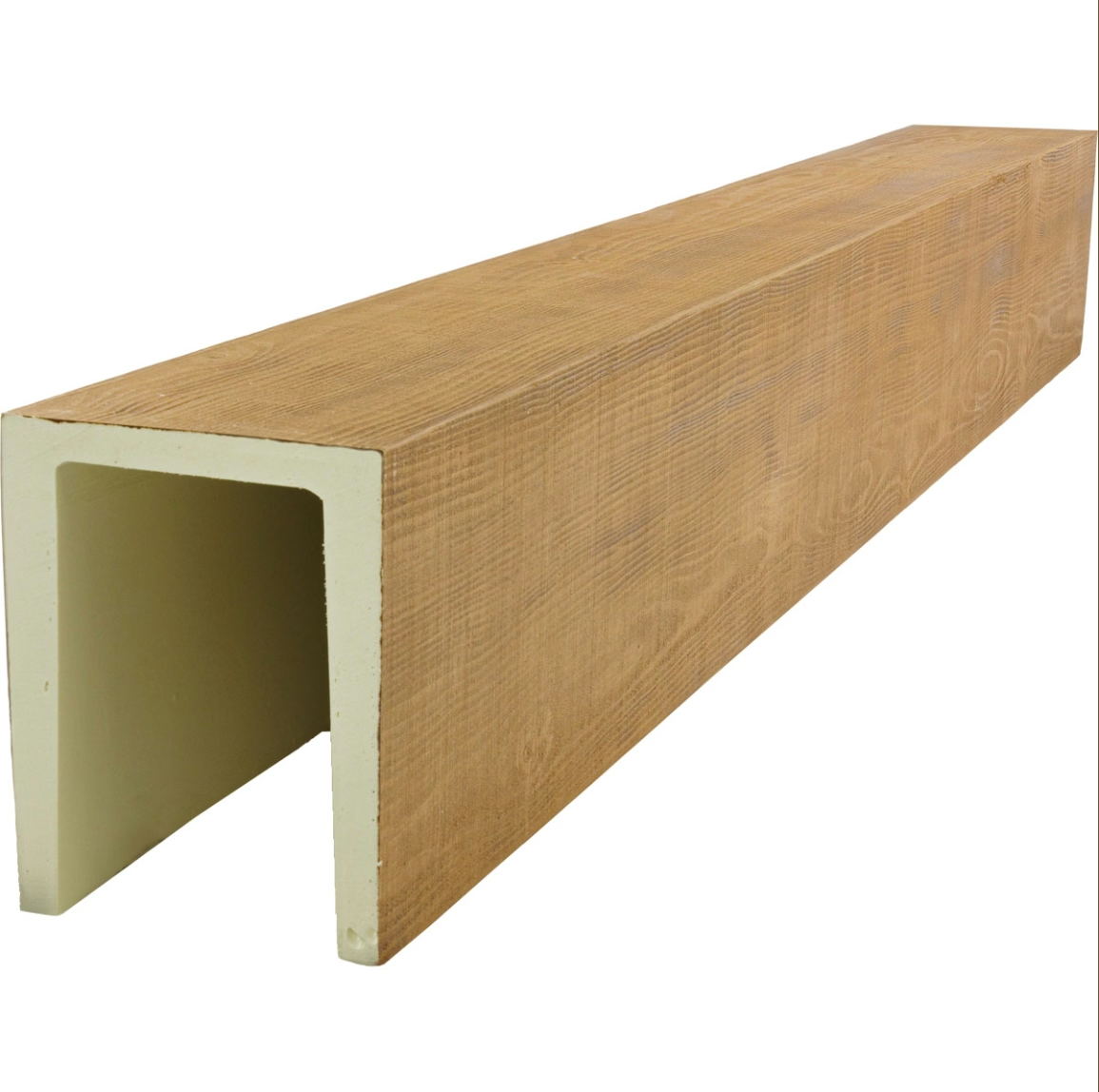
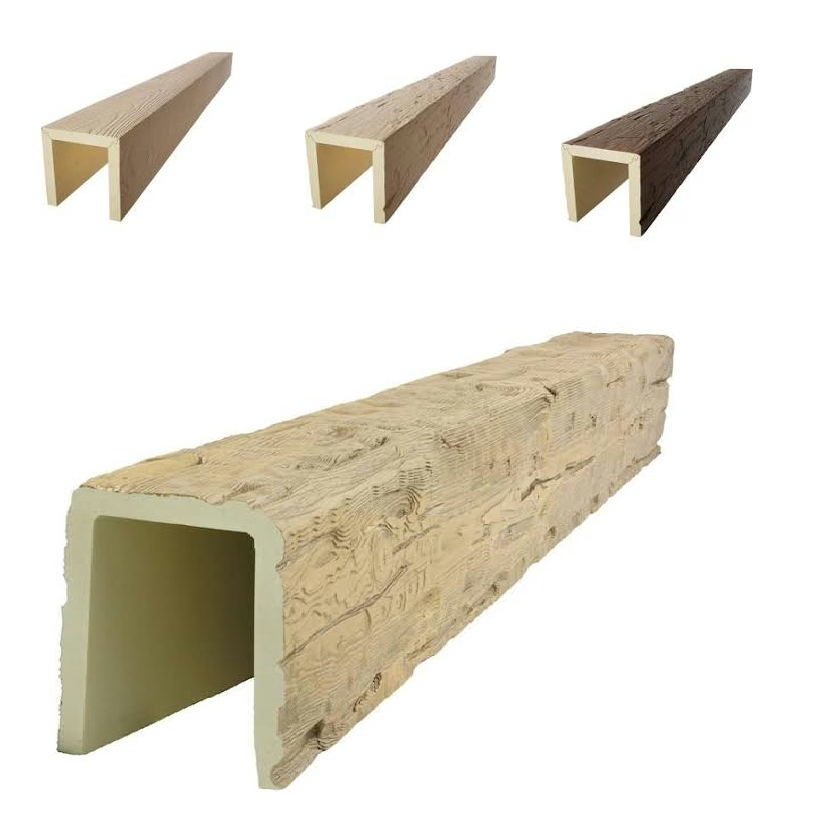
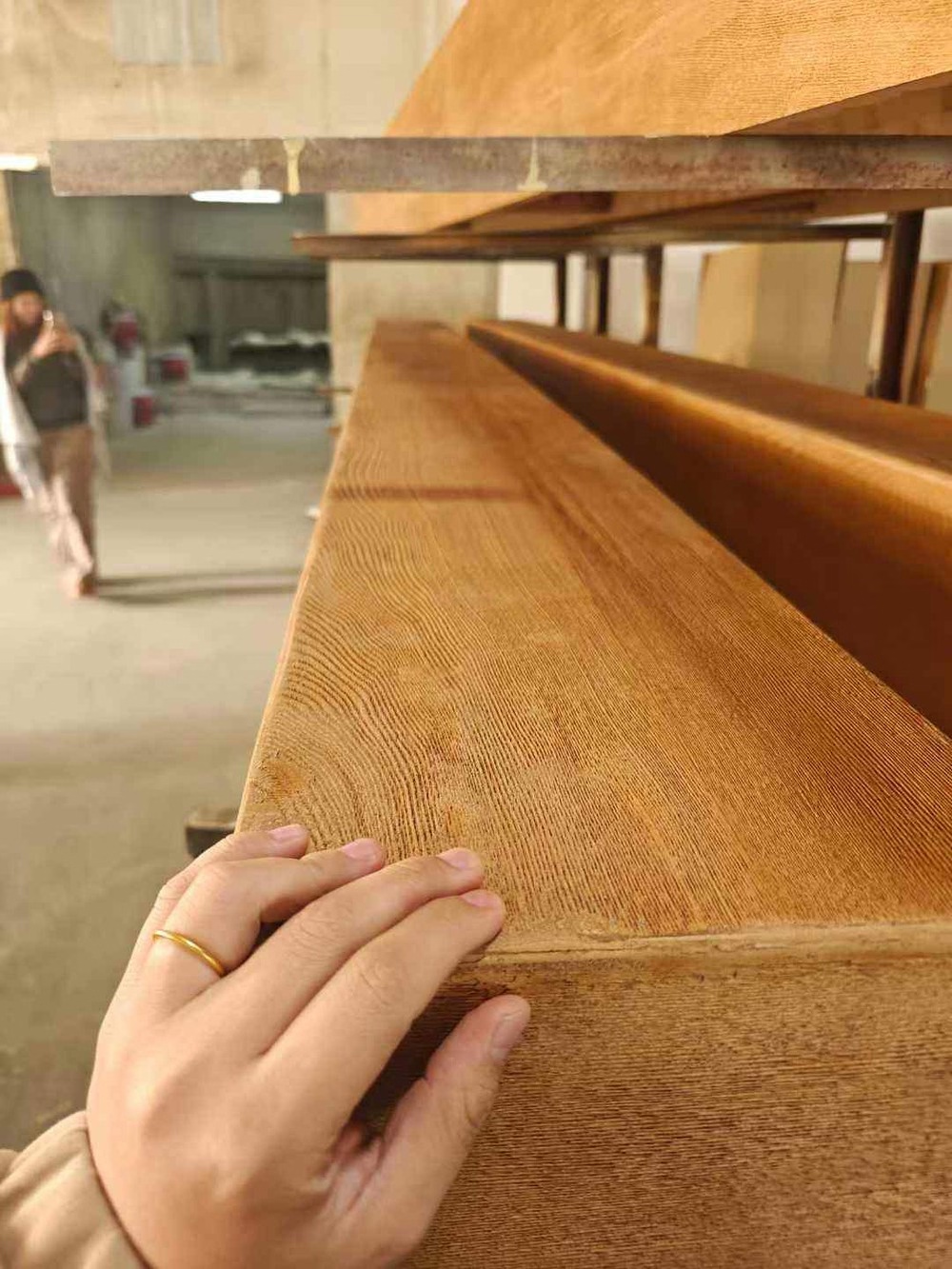
Termite damage and wood rot represent ongoing threats that natural timber beam owners confront throughout ownership. Despite treatment efforts and maintenance vigilance, biological degradation eventually affects most wood installations. Polyurethane faux beams eliminate these concerns entirely, providing permanent protection that natural materials cannot match.
Understanding Termite Biology and Damage Mechanisms
Termites consume wood cellulose, the fundamental structural component that gives timber its strength and character. Different termite species target different wood types, with some preferring softwoods while others attack hardwoods. This feeding activity creates characteristic damage patterns that reveal infestation presence.
Subterranean termites require soil contact and moisture, making them particularly problematic for structural wood in contact with foundations or in humid environments. Drywood termites infest above-ground wood with lower moisture requirements, enabling damage in seemingly dry interior spaces. Both types can devastate wooden beam installations over time.
Worker termites excavate passages through wood while leaving surface integrity relatively intact. This hidden damage explains why termite inspections often reveal extensive internal destruction invisible from exterior observation. By the time visible damage appears, structural integrity may already be compromised.
Rot and Decay Fungi: Complementary Threats
Wood-decay fungi complement termite damage, creating additional biological threats to timber installations. Different fungi target specific wood moisture levels, with brown rot, white rot, and soft rot each requiring distinct conditions. All ultimately destroy wood's structural integrity through different chemical mechanisms.
Brown rot, also called dry rot, creates characteristic cubical cracking patterns as it consumes cellulose while leaving lignin relatively intact. Despite its common name, brown rot requires moisture—though less than other types—enabling damage in seemingly dry conditions when intermittent moisture occurs.
White rot fungi consume both cellulose and lignin, creating spongy, stringy, or paper-like wood textures. These fungi thrive in high-moisture conditions common in bathrooms, kitchens, and inadequately ventilated spaces. Initial damage often escapes notice until structural failure threatens.

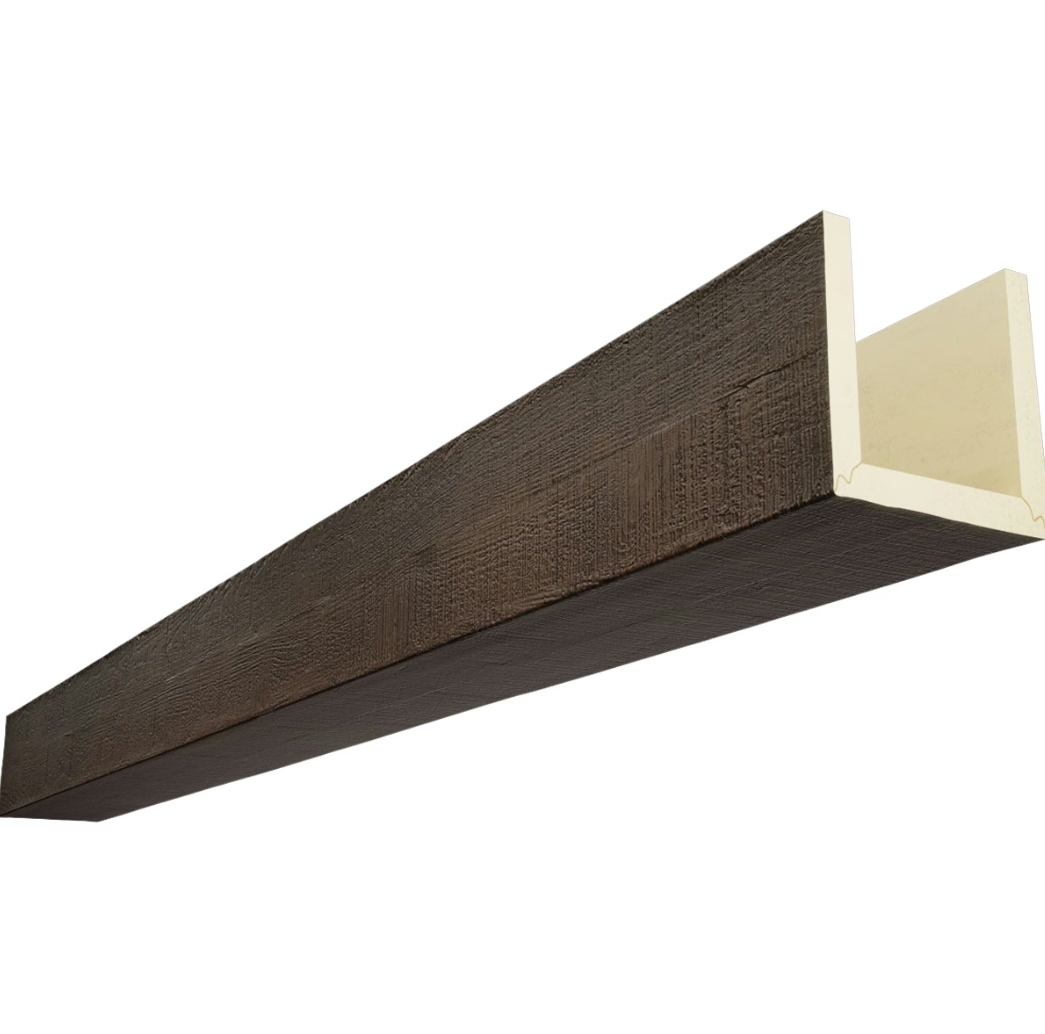
Polyurethane's Inherent Biological Resistance
Polyurethane's petroleum-based molecular structure contains no cellulose or other organic compounds that organisms can metabolize. Without nutritional value, insects and fungi simply ignore polyurethane—neither attracting nor supporting biological activity. This inherent resistance requires no additives or treatments, providing permanent protection that applied treatments cannot match.
Unlike treated wood that relies on chemical barriers, polyurethane resists biological activity through fundamental material composition. Chemical treatments can leach, degrade, or wash away over time, leaving wood vulnerable to delayed attack. Polyurethane maintains resistance indefinitely regardless of age or environmental conditions.
Moisture resistance reinforces biological resistance by preventing conditions that support fungal growth. While wood requires moisture levels between 20-30% for decay fungi colonization, polyurethane's moisture resistance prevents the saturation conditions that enable fungal establishment. This secondary protection proves valuable in humid environments.
Real-World Performance Comparisons
Field surveys comparing polyurethane and natural wood installations reveal dramatically different long-term outcomes. Structures where original timber beams have been replaced with polyurethane show no degradation decades after installation, while adjacent original timbers continue showing progressive deterioration. This comparative evidence demonstrates polyurethane's practical advantages.
Geographic regions with high termite pressure particularly benefit from synthetic alternatives. Properties in Florida, Hawaii, and other subtropical zones experience constant termite pressure that demands ongoing treatment and inspection. Replacing decorative timber with polyurethane eliminates treatment requirements while removing attractive food sources that draw termite attention.
Commercial applications with food service, hospitality, and healthcare settings benefit from reduced pest attractants. Health code compliance in food service facilities benefits from eliminating wood materials that could harbor insects or fungi. Synthetic alternatives provide warm aesthetics without creating inspection concerns.
Economic Analysis of Long-Term Costs
Initial cost comparison favors natural wood in most market conditions. However, factoring in ongoing treatment costs, inspection fees, and repair/replacement expenses shifts the economics significantly. Ten-year or twenty-year cost analyses typically favor polyurethane when total ownership costs are considered.
Maintenance requirements differ substantially between material types. Wood beams require periodic refinishing, treatment reapplication, and inspection attention. Polyurethane requires only routine cleaning, eliminating the maintenance labor that wood demands. This maintenance difference compounds over time to create substantial savings.
Replacement costs become relevant when natural wood eventually fails. Beyond material replacement, structural repairs often prove necessary as decay extends to structural elements supporting decorative beams. Polyurethane's permanent resistance eliminates these contingency costs from ownership calculations.
Specification Selection for Biological Resistance
Project specifications should explicitly address biological resistance requirements when synthetic alternatives are desired. Describing "non-organics based decorative elements" or "synthetic materials resistant to insect and fungal damage" ensures compliant products meet resistance expectations. Generic wood descriptions permit materials that lack required resistance.
Geographic considerations may warrant elevated resistance specifications. Properties with documented termite history, proximity to known infestation zones, or environmental conditions favoring biological activity particularly benefit from explicit resistance requirements. Local building codes may impose additional requirements in high-pressure regions.
Owner requirements often include biological resistance as explicit project objectives. Historic renovation projects replacing damaged timbers frequently specify synthetic alternatives specifically to prevent future damage. New construction in termite-prone regions may benefit from owner education about long-term advantages of synthetic materials.
Termite and rot-proof polyurethane faux beams provide permanent solutions to biological degradation threats that natural wood cannot escape. While authentic timber offers undeniable aesthetic appeal, practical considerations increasingly favor synthetic alternatives that deliver lasting beauty without ongoing biological concerns.

Technical References
ASTM standards cited in every specification
Test Data
Lab results from internal testing program
Updated 2026
Reviewed against current product specs