Insect damage represents one of the most frustrating failure modes for natural wood installations. Despite chemical treatments and preventive measures, wood remains fundamentally vulnerable to termite and carpenter ant activity. Termite-proof polyurethane faux timber beams eliminate this vulnerability entirely, providing aesthetic wooden character without biological susceptibility.
Wood-Boring Insect Biology
Understanding why insects target wood helps explain why synthetic alternatives provide superior protection. Cellulose, the primary component of wood cell walls, provides nutrition that termites and certain beetles can digest using symbiotic microorganisms. This nutritional dependency makes wood an attractive food source regardless of treatment efforts.
Carpenter ants don't consume wood but excavate galleries for shelter, creating damage patterns similar to termite activity. Unlike termites that ingest wood material, carpenter ants remove wood fragments to create living spaces. Both insects cause cosmetic and structural damage that requires remediation.
Powderpost beetles lay eggs in wood pores, with hatching larvae tunneling through wood during development. Visible exit holes and frass accumulation reveal infestation only after substantial damage occurs. Multiple beetle species target different wood types, creating broad vulnerability across wood species.
Why Polyurethane Resists Insect Attack
Polyurethane's molecular structure contains no cellulose, hemicellulose, or lignin that wood-boring insects require for nutrition. Without digestible components, polyurethane offers no food value to insects regardless of species. This fundamental incompatibility provides inherent protection that chemical treatments cannot match.
The polymerization process that creates polyurethane from liquid precursors produces a stable, non-biodegradable solid. Unlike wood's organic complexity that biological systems have evolved to exploit, polyurethane's synthetic chemistry lacks entry points that insect digestive systems can attack.
Additives that enhance polyurethane performance do not attract insect interest. Unlike some wood treatments that may actually draw insects before killing them, polyurethane's appeal is purely visual. Insects investigate surfaces but quickly abandon polyurethane when no nutritional value emerges.

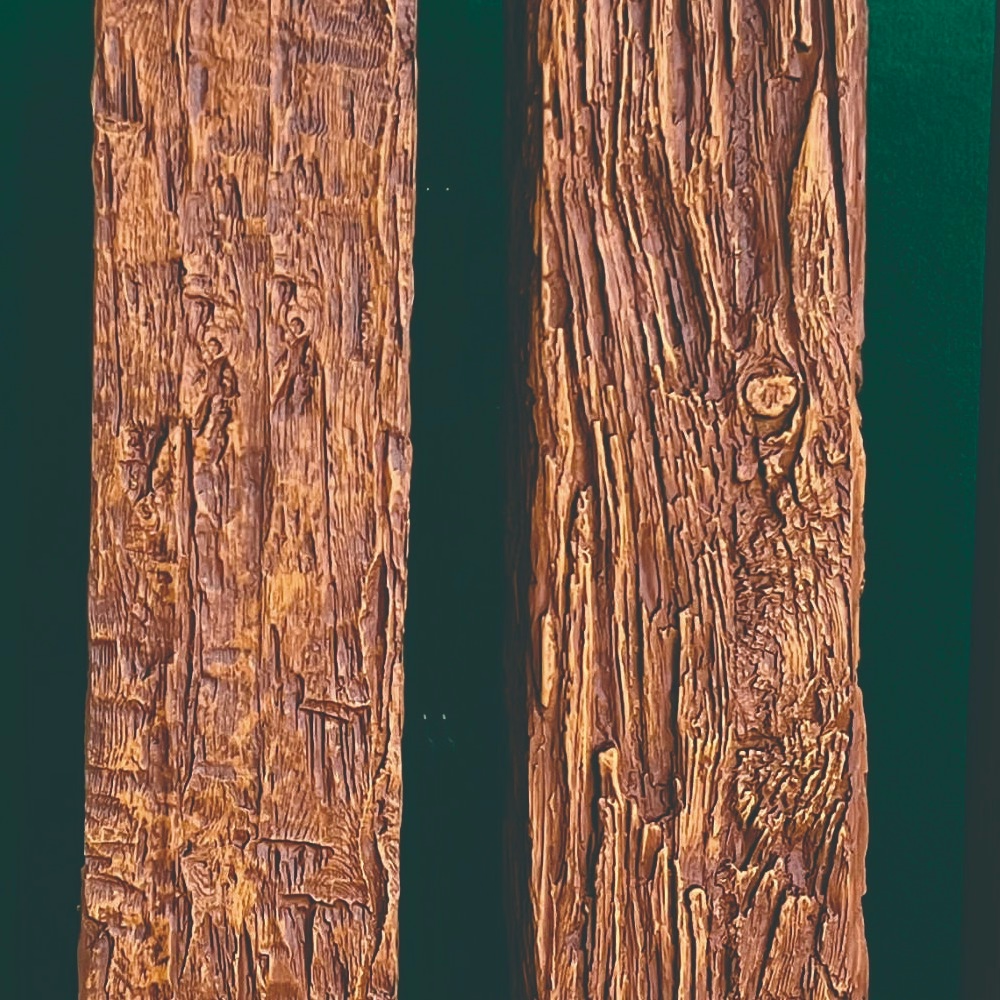
Protection Duration Comparison
Chemical wood treatments provide finite protection that degrades over time. Surface treatments penetrate only shallow depths, while pressure-treated wood contains chemicals that eventually leach or break down. Treatment effectiveness claims typically specify expected service life, after which re-treatment or replacement becomes necessary.
Polyurethane's protection extends indefinitely without maintenance intervention. Once installed, faux timber beams require no ongoing treatment, inspection, or preventive measures related to insect activity. This permanent protection provides peace of mind that treatment-dependent alternatives cannot offer.
Accelerated aging tests confirm polyurethane's long-term resistance. Exposure to temperature extremes, humidity cycling, and UV radiation does not create vulnerability that insects might exploit. Material degradation that could create attractant compounds simply does not occur with quality formulations.
Applications Benefiting from Insect Resistance
Geographic regions with high termite pressure create obvious applications for synthetic alternatives. Properties in the southeastern United States, along the Gulf Coast, and in tropical climates experience termite activity that makes wood installation risky. Replacing decorative wood with polyurethane eliminates ongoing treatment requirements.
Historic properties facing repeated termite damage benefit from permanent solutions. Buildings that have required multiple remediation treatments, those where damage has required structural repairs, or properties with documented ongoing infestations particularly benefit from synthetic replacement options.
Property sales in termite-prone regions may benefit from synthetic materials that eliminate disclosure concerns. Homes with prior termite history often face disclosure requirements that affect buyer perception. Properties using synthetic alternatives avoid these concerns while maintaining desirable wood aesthetics.
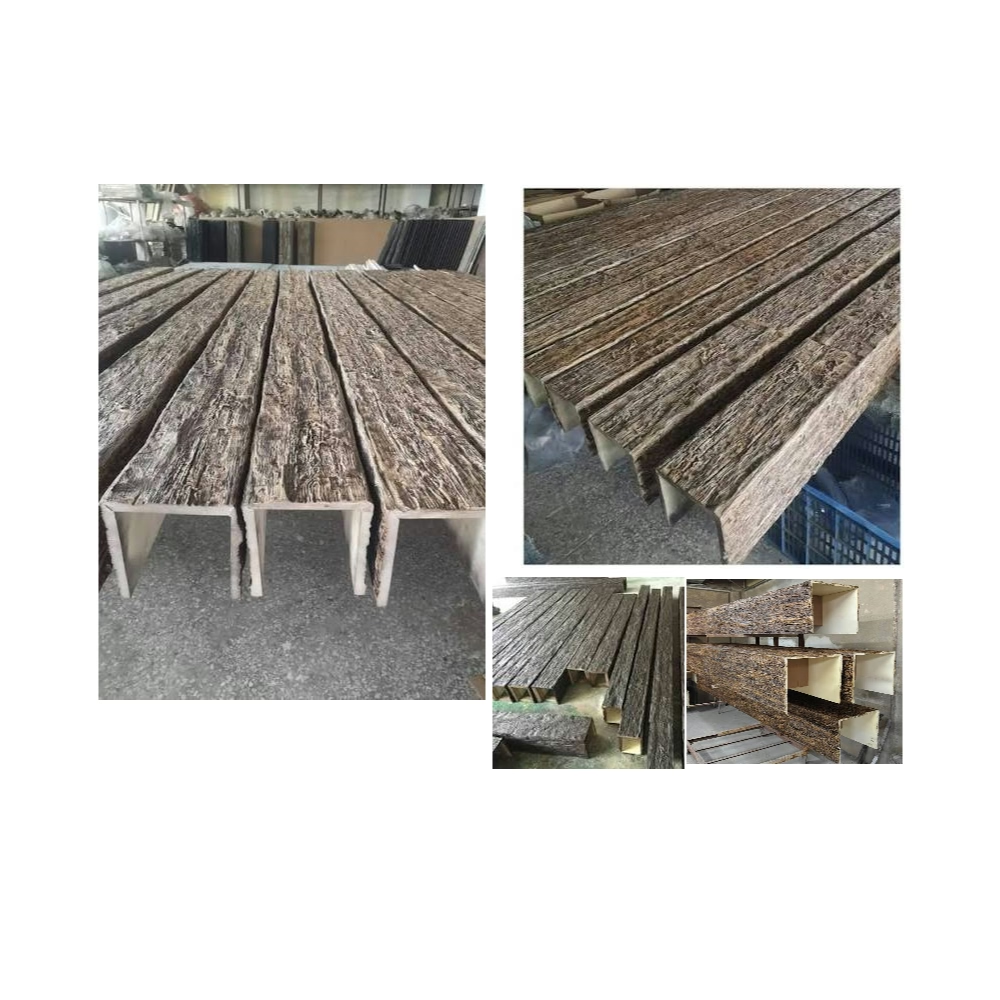
Specification for Insect Resistance
Project specifications should explicitly require insect-resistant materials when synthetic alternatives are appropriate. Describing "synthetic materials impervious to insect activity" or "non-cellulose based decorative elements" ensures compliant materials meet resistance expectations. Vague wood descriptions permit materials lacking required protection.
Performance documentation should address insect resistance capabilities. Manufacturer statements confirming biological resistance provide verification that products meet resistance expectations. Test data from qualified laboratories offers additional verification for demanding applications.
Warranty provisions addressing biological resistance provide recourse if unexpected failures occur. While polyurethane's inherent resistance makes warranty claims unlikely, warranty language confirming resistance expectations provides documentation that supports specification compliance verification.
Termite-proof anti-insect polyurethane faux timber beams provide permanent solutions to insect vulnerability that natural wood cannot escape. These synthetic alternatives enable warm wooden aesthetics without biological concerns that complicate wood ownership in insect-prone regions.

Technical References
ASTM standards cited in every specification
Test Data
Lab results from internal testing program
Updated 2026
Reviewed against current product specs


