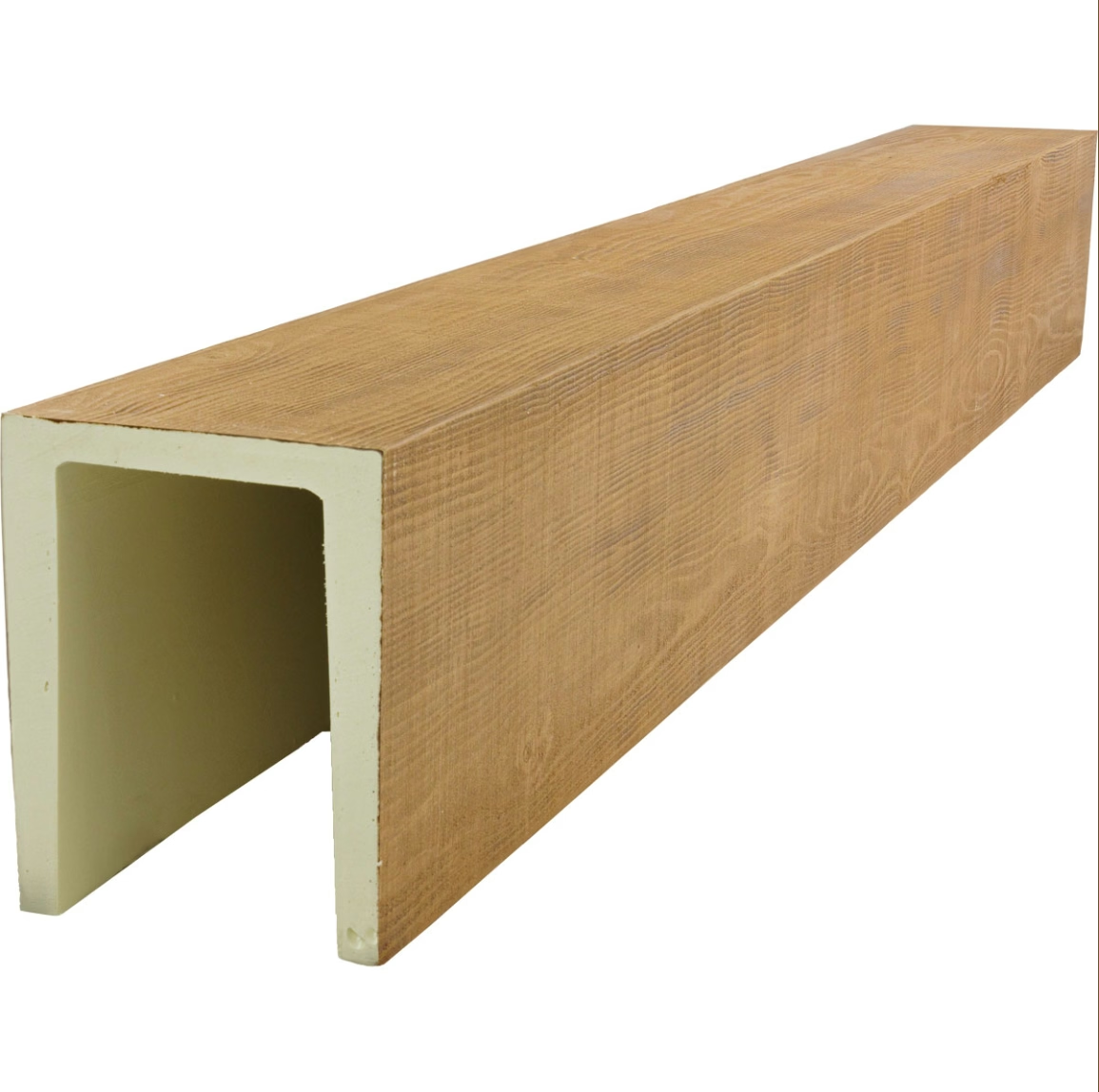
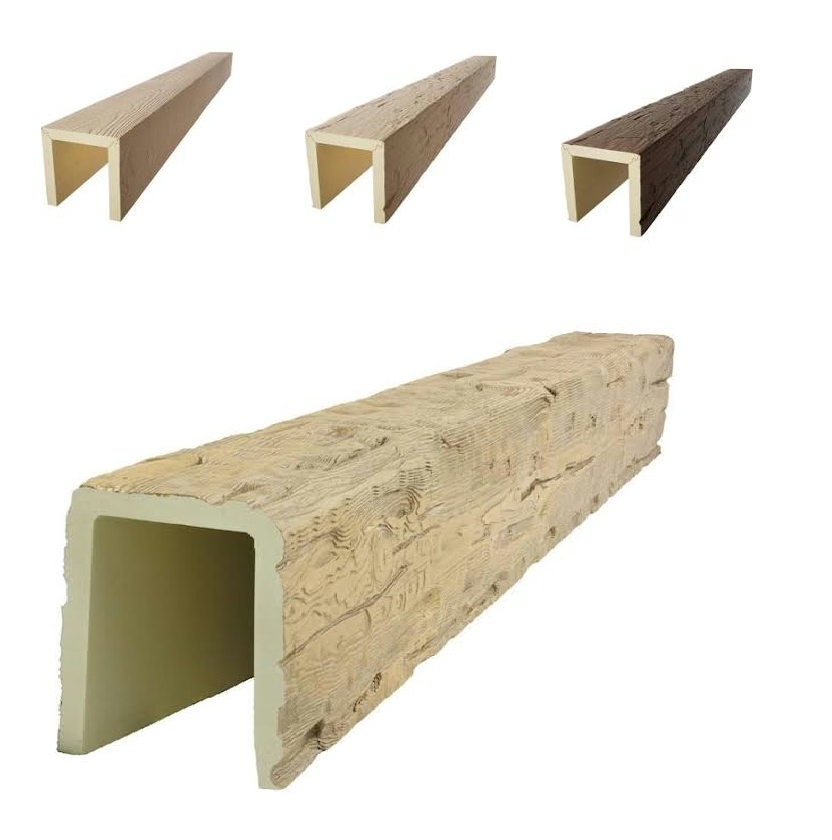
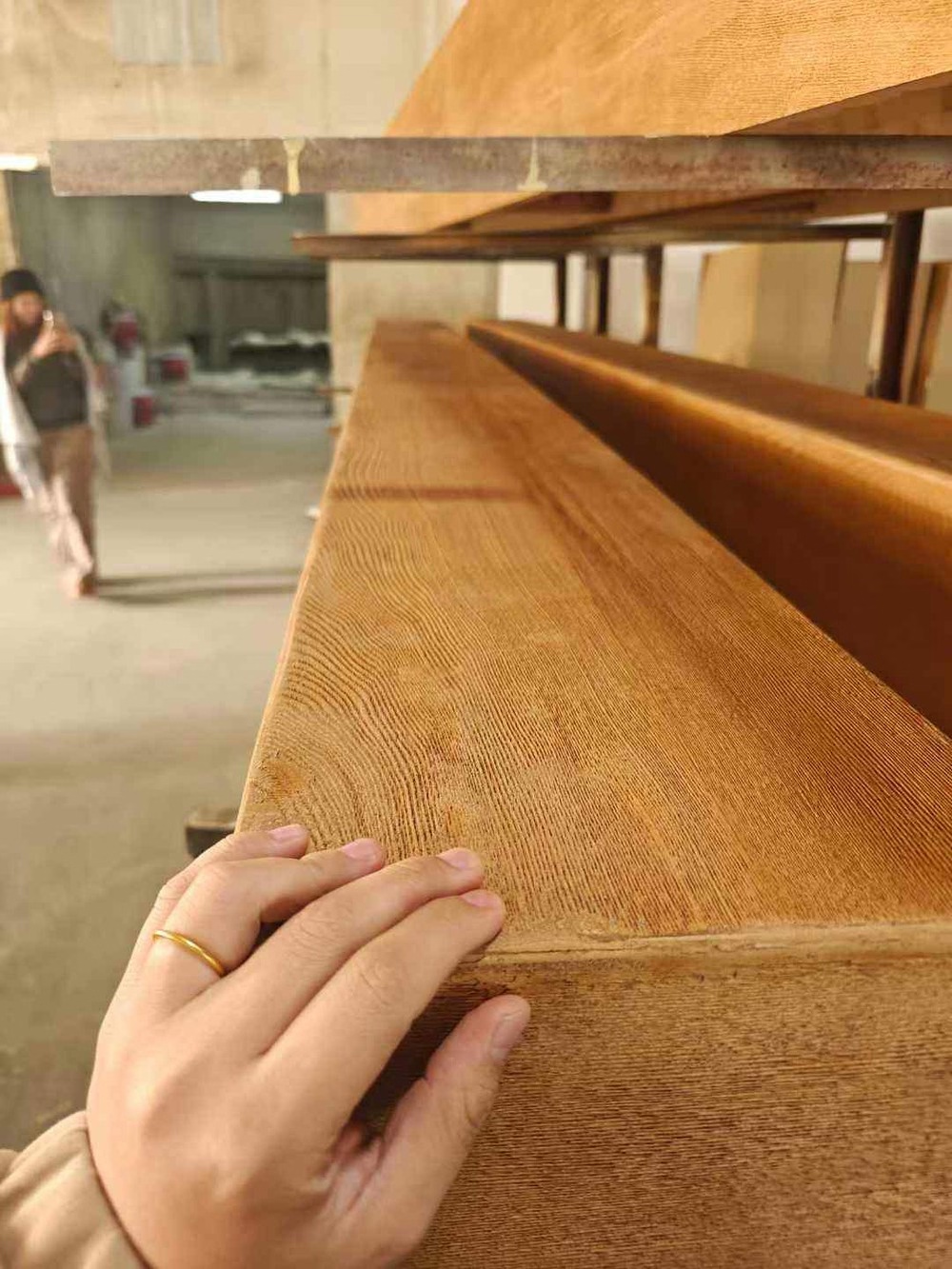
Natural wood beams carry undeniable aesthetic appeal that synthetic materials have historically struggled to match. However, modern manufacturing advances have produced termite-proof synthetic beam substitutes that convincingly replicate timber character while delivering performance characteristics that organic materials cannot achieve. Understanding these alternatives enables specification decisions that optimize both appearance and practicality.
Evolution of Synthetic Beam Technology
Early synthetic alternatives prioritized performance over appearance, creating functional but unconvincing products. Modern formulations reverse this priority, achieving visual authenticity that satisfies discerning observers while maintaining practical advantages. Manufacturing advances in texturing, coloring, and profiling enable this improved balance.
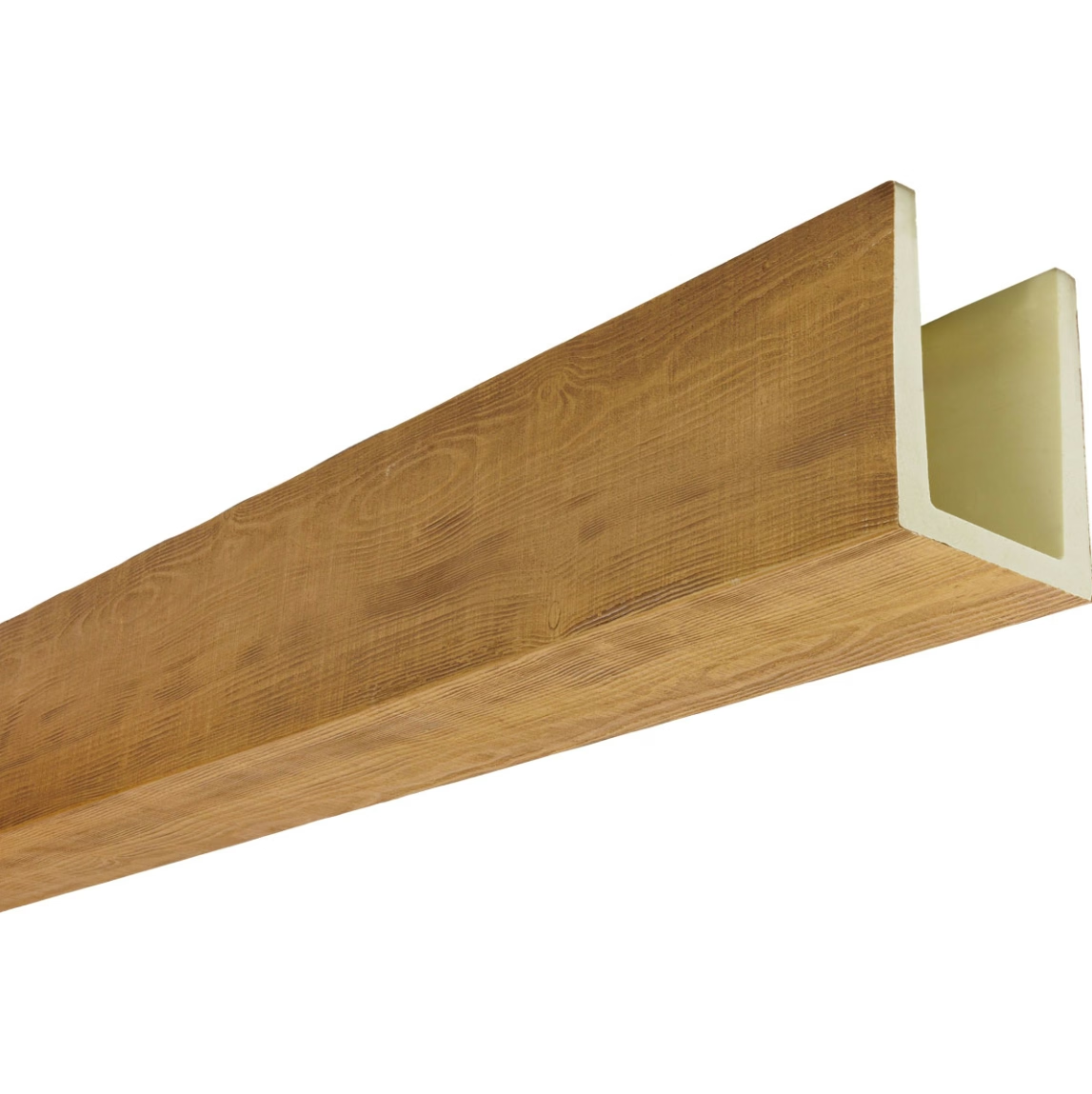
Computer-controlled machining produces textures that capture wood's organic complexity. Unlike early products with repetitive patterns that telegraph artificial origin, contemporary synthetic beams display variation that convincingly mimics natural material. Multiple tool passes with randomized parameters build complexity that appears authentically random.
Color technology enables finishes that age naturally—or resist aging entirely depending on specifications. Staining systems penetrate polyurethane surfaces to create depth similar to natural wood, while clear coatings preserve appearance indefinitely. This finish flexibility enables appearance customization that natural wood cannot easily achieve.
Material Options Beyond Polyurethane
Polyurethane dominates synthetic beam production but represents one of several available materials. PVC, fiberglass, and composite formulations offer different performance characteristics that suit specific applications. Understanding material options enables selection that best matches project requirements.
PVC beams provide moisture resistance suitable for exterior applications where polyurethane may not perform adequately. Superior UV resistance makes PVC appropriate for covered exterior installations where sun exposure affects performance. Color options through material pigmentation differ from polyurethane's surface staining approach.
Fiberglass beams offer superior strength-to-weight ratios that some structural applications require. While primarily decorative, beams intended to support any load benefit from fiberglass reinforcement. Higher material costs limit applications to situations where performance justifies expense.
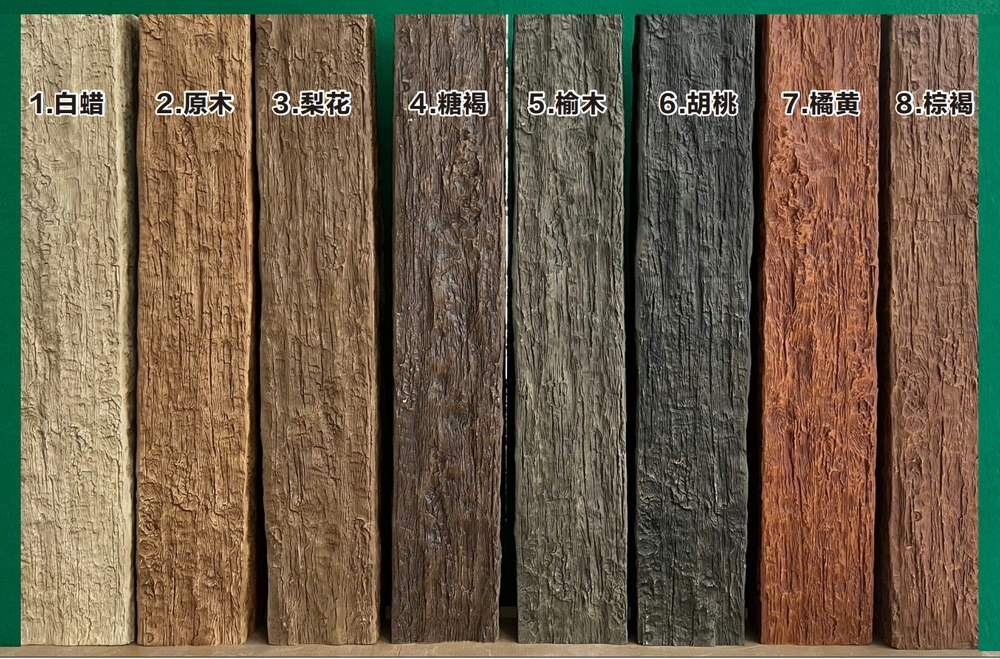
Appearance Quality Assessment
Texture depth and variation substantially affect perceived authenticity. Close inspection should reveal variation that appears organic rather than mechanical. Regular patterns, obviously repeated elements, or uniform texture depth suggest inferior products that lack authentic character.
Grain pattern complexity should include both major and minor details. Large-scale features like knot patterns and growth rings must integrate with fine-scale texture that captures surface character. Premium products achieve this integration, while economy alternatives often show disconnection between major and minor details.
Color depth and variation contribute to authentic appearance. Surface color should appear to penetrate material rather than sitting on top. Natural variation across pieces—controlled to avoid appearing defective—creates believable authenticity that overly uniform appearance cannot achieve.

Performance Characteristics Comparison
Weight differences between synthetic and natural materials affect installation approach significantly. Natural timber density typically ranges from 30-50 pounds per cubic foot, while polyurethane alternatives weigh 15-25 pounds per cubic foot. This weight difference enables installation methods impossible for heavy timber.
Moisture response differentiates materials fundamentally. Wood absorbs and releases moisture continuously, creating dimensional changes that synthetic materials entirely avoid. For applications in humid environments or areas with seasonal humidity variation, this difference has substantial practical implications.
Thermal expansion characteristics differ between material types. Wood moves differently across grain directions, creating internal stresses that manifest as warping and checking. Polyurethane's uniform thermal response avoids these problems, maintaining stable dimensions regardless of temperature conditions.
Cost Considerations Across Product Lifecycles
Initial cost comparison typically favors natural wood for budget-conscious projects. Timber salvaged from demolition or purchased as utility-grade stock can cost substantially less than premium synthetic alternatives. This immediate cost difference concerns buyers who don't consider long-term ownership expenses.
Maintenance cost differences accumulate over ownership periods. Natural wood requires periodic refinishing, treatment reapplication, and inspection services. Synthetic alternatives need only routine cleaning, with no ongoing maintenance expenses related to material preservation.
Replacement timing affects total cost calculations. Natural wood in demanding environments may require replacement after 15-20 years, while synthetic alternatives can last indefinitely. Replacement costs—materials, labor, disruption—multiply across ownership periods when natural materials require renewal.
Specification Guidance for Synthetic Substitutes
Performance requirements should address all relevant characteristics rather than focusing solely on appearance. Fire ratings, density ranges, and impact resistance specifications ensure products meet application requirements. Appearance-focused specifications alone cannot guarantee adequate performance.
Installation requirements need documentation that supports proper execution. Manufacturer installation guidelines provide authoritative guidance that prevents problems caused by inappropriate methods. Requiring guideline compliance as specification element ensures proper installation technique.
Warranty provisions should address both material defects and appearance retention. Material warranties typically cover manufacturing defects, while appearance warranties address fade, yellowing, or surface degradation. Comprehensive warranty coverage provides protection that single-element warranties cannot match.
Termite-proof synthetic beam substitutes have matured into viable natural wood alternatives that deliver lasting aesthetics without biological vulnerability. These materials enable design visions that prioritize both authentic appearance and practical performance, providing options that serve diverse project requirements across many applications.

Technical References
ASTM standards cited in every specification
Test Data
Lab results from internal testing program
Updated 2026
Reviewed against current product specs