
The gap between genuine timber and convincing imitation has narrowed dramatically over recent decades. Where earlier faux beams relied on smooth plastic surfaces and unconvincing paint finishes, modern molded polyurethane technology reproduces the complex surface characteristics that define authentic wood appearance. Understanding these manufacturing advances helps architects, designers, and property owners make informed decisions about ceiling materials for specific project requirements.
The Molding Process Explained
Multi-Stage Master Pattern Creation
Every molded polyurethane beam begins as a master pattern—typically carved from high-density foam, CNC-milled from lumber, or assembled from authentic beam sections. This original carries every surface detail intended for reproduction: grain patterns, weathering marks, tool impressions, and structural features like checks and knots.
Master pattern preparation determines eventual beam quality more than any subsequent manufacturing step. Skilled craftsmen finish master patterns by hand, ensuring consistent detail density across entire surfaces and removing any imperfections that would replicate in production molds. This attention to master pattern preparation explains why premium manufacturers invest substantially in initial template development.
Mold Construction and Material Science
Production molds encase master patterns in rubber, silicone, or flexible polymer compounds that capture surface details with microscopic fidelity. Multi-piece molds accommodate complex beam geometries, allowing controlled material flow during casting that prevents air entrapment and incomplete filling.
Polyurethane resins combine isocyanate and polyol components that react during mixing to form solid foam with closed or open cell structures depending on formulation. Density specifications—typically ranging from 4 to 15 pounds per cubic foot—determine surface smoothness, weight, and structural characteristics. Higher density formulations produce smoother surfaces with sharper detail reproduction, while lower densities offer cost reduction and easier handling.
The catalyzed resin mixture pours into molds under controlled conditions, allowing gas formation that creates uniform cell structure as the material cures. Temperature, humidity, and mixing ratios affect final product characteristics, requiring precise process control that distinguishes experienced manufacturers from casual producers.
Surface Detail Reproduction
Grain Pattern Casting
Wood grain results from annual growth ring patterns visible where longitudinal cuts expose tangential or radial surfaces. Molded beams capture these patterns through careful master selection and precise mold material formulation. The flexible mold material conforms to master pattern contours without distortion, then releases from finished surfaces without surface damage.
Surface hardness varies across molded beam faces to replicate genuine wood characteristics. End grain surfaces—where tree growth rings appear as concentric circles—present denser, smoother surfaces than longitudinal grain faces. Quality beams differentiate these zones through appropriate density specifications and post-casting finishing.
Authentic Aging and Weathering Effects
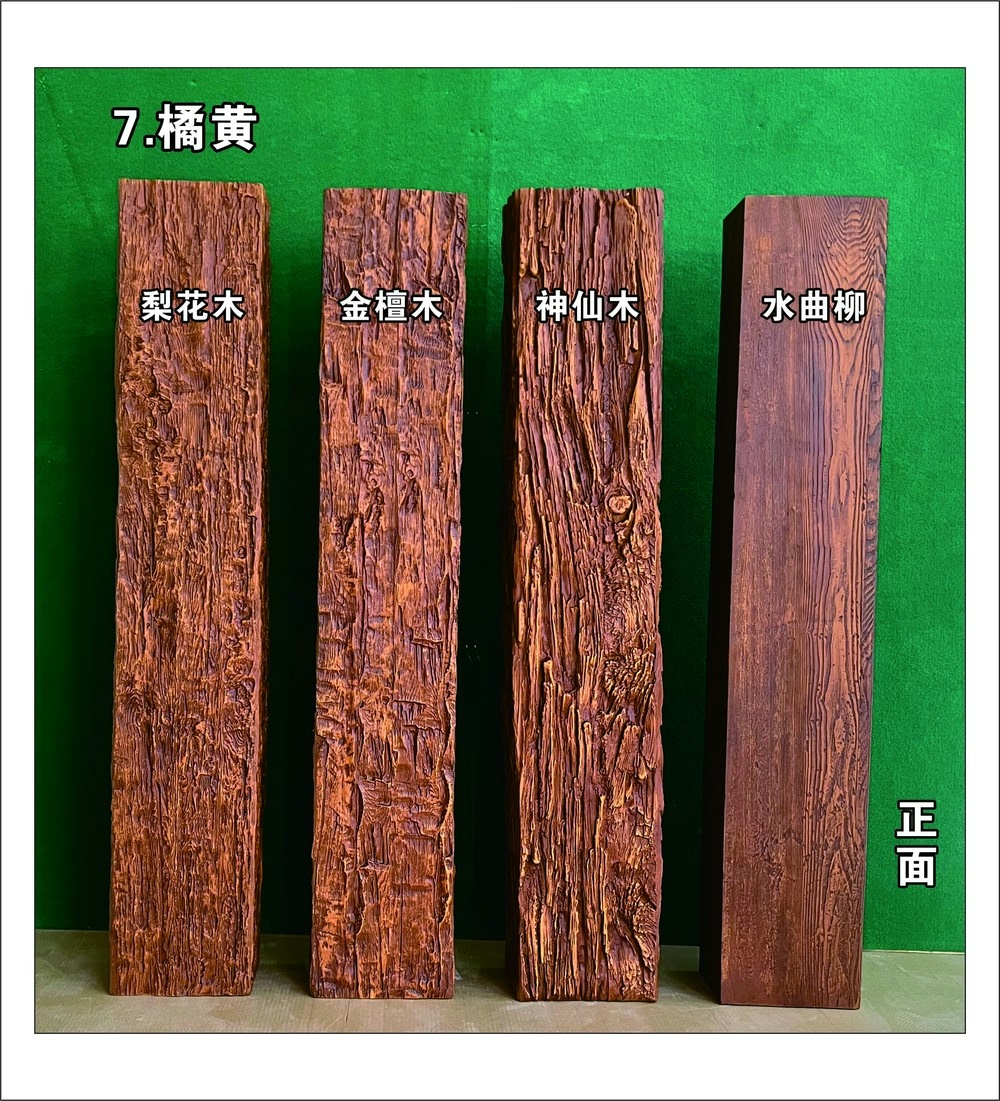
Genuine old timber carries evidence of service conditions: sun fading on exposed faces, water staining from historical leaks, insect damage patterns, and surface oxidation that deepens color tones over decades. Molded beam manufacturers replicate these effects through hand-applied patination, targeted surface abrasion, and layered finishing that creates the apparent depth of accumulated age.
Distressing techniques include mechanical abrasion that removes factory-smooth surfaces at edges and corners, simulating the wear patterns that occur at naturally handled locations. Chemical treatments alter surface color without uniform application, creating the variation that distinguishes aged materials from new products.
Structural Considerations for Molded Beams
Weight and Handling Advantages
Molded polyurethane beams typically weigh 80-90% less than solid timber equivalents of identical dimensions. This mass reduction simplifies handling throughout distribution channels and installation processes. Two workers can position beams that would require mechanical equipment for timber installation, reducing labor costs and site disruption.
Reduced weight also affects shipping economics substantially. Container loads containing dozens of polyurethane beams replace shipments of fewer, heavier timber pieces. International freight costs favor manufactured materials that achieve substantial mass reduction without sacrificing visible characteristics.
Mounting System Compatibility
Despite reduced weight, molded beams accommodate standard mounting hardware designed for wood or composite alternatives. Bracket systems, through-bolts, and adhesive applications all perform reliably with polyurethane substrates. The material accepts screws without predrilling in most density formulations, though pilot holes prevent splitting in lower-density products.
Structural deflection calculations differ from timber requirements because polyurethane behaves differently under sustained loading. Temperature-related expansion and contraction occur within tighter ranges than wood, reducing the joint movement that affects timber beam installations. Quality manufacturers provide load charts and installation guidelines specific to their product lines.
Finishing and Customization Options
Factory-Applied Versus Site-Applied Finishes
Factory finishing provides controlled application conditions that ensure consistent coverage and proper cure before shipment. Automated finishing lines apply stains and sealers with uniform thickness, reducing variation between individual beams. This consistency matters for projects where multiple beams appear in close proximity, as mismatched finishes create obvious visual discontinuities.
Site finishing allows custom color matching to adjacent materials and creative effects impossible in factory environments. On-site finishing also enables subtle variation between beams that suggests natural material sourcing. Projects with extended timelines may prefer site finishing to avoid damage during construction phases.
Color and Texture Customization
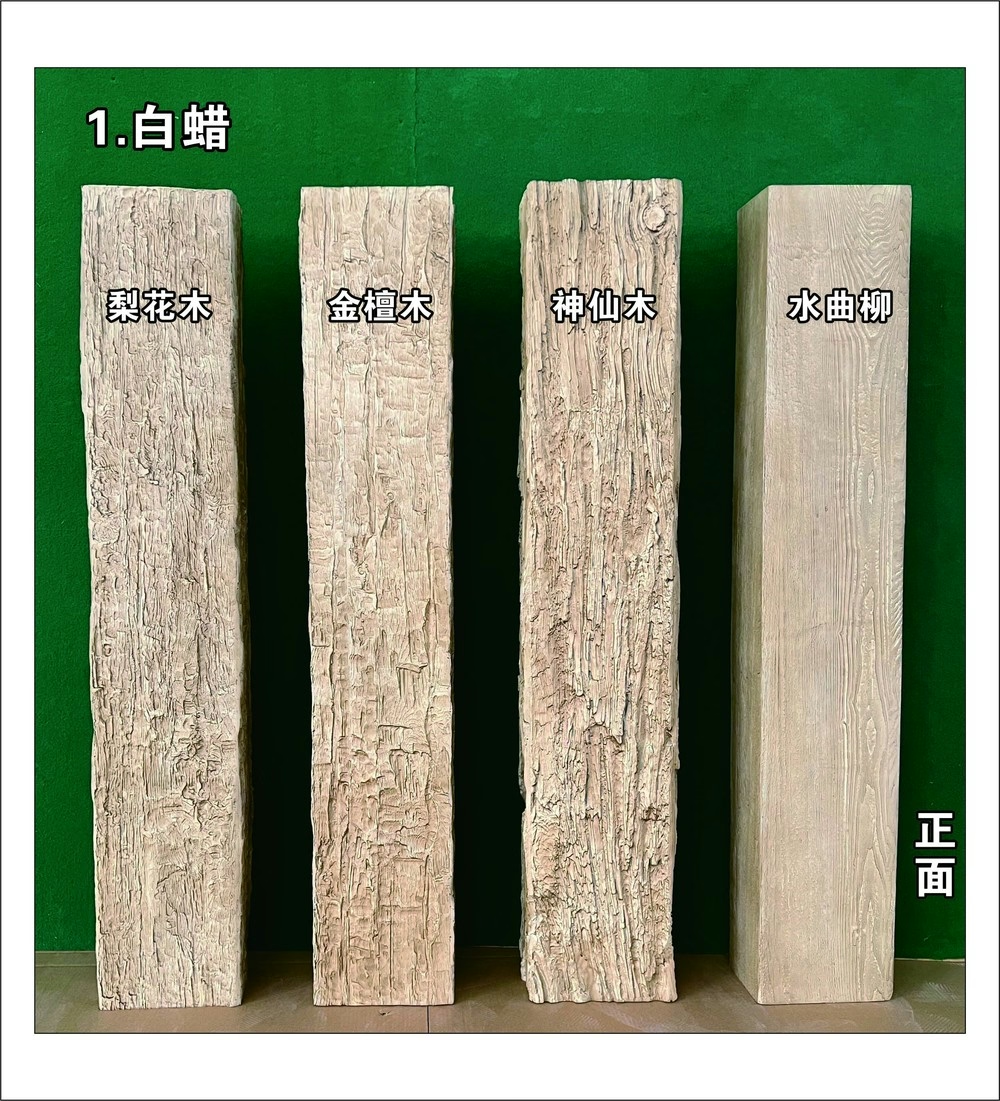
White and neutral base colors accept paint application without surface preparation beyond cleaning. Stain-grade finishes require more careful surface evaluation, as mold release residues must completely remove before stain penetration. Oil-based stains perform more consistently than water-based alternatives on polyurethane surfaces, though both product types achieve acceptable results with proper technique.
Custom color matching services from quality manufacturers provide color development against physical samples or specification documents. Extended lead times typically accompany custom color production, as formulation development and approval processes extend project schedules. Budget-conscious projects can often achieve acceptable matches using stock colors with on-site tinting adjustments.
Application Recommendations by Space Type
Residential Ceiling Applications
Bedrooms benefit from warm-toned, textured beams that soften architectural lines and create intimate scale. Master suites with tray ceilings or exposed trusses gain character through beam installation that transforms standard construction into custom millwork appearance. Closet interiors occasionally feature miniature beams for consistency with visible ceiling areas.
Kitchens present challenging conditions for many finish materials, with heat, moisture, and cooking residues affecting surface durability. Polyurethane beams with appropriate sealant protection resist these exposures without the moisture-related expansion that affects natural wood in kitchen environments. Island canopy installations frequently incorporate faux beams for visual weight without structural requirements.
Commercial Environment Suitability
Hospitality venues—hotels, restaurants, and entertainment facilities—demand materials meeting fire safety requirements while achieving aesthetic goals. Fire-rated polyurethane beams undergo independent laboratory testing to verify flame spread, smoke development, and heat release characteristics. These ratings often satisfy building code requirements that preclude untreated wood alternatives.
Retail environments subject beams to different stresses: merchandise handling near floor level, cleaning chemical exposure, and frequent reconfiguration requirements. Polyurethane beams tolerate these conditions better than natural materials, maintaining appearance through multiple occupancy cycles without refinishing.
Long-Term Performance Expectations
Properly manufactured and installed molded polyurethane beams provide decades of service without the maintenance requirements affecting natural timber. Surface cleaning with mild detergents removes accumulated dust and atmospheric residues. Impact damage— dents or punctures from unexpected contact—can repair with body filler compounds and touch-up finishing.
Moisture resistance prevents the rot, mold, and insect damage that challenge timber maintenance in humid environments. Bathrooms, pool areas, and exterior applications where natural wood requires protective treatment perform reliably with maintenance-free polyurethane alternatives.
The sophisticated manufacturing processes underlying modern molded polyurethane beams produce architectural elements that satisfy demanding aesthetic requirements while offering practical advantages impossible to achieve with solid timber. For projects balancing appearance authenticity against budget, weight, and maintenance considerations, these materials deserve serious evaluation.
Technical References
ASTM standards cited in every specification
Test Data
Lab results from internal testing program
Updated 2026
Reviewed against current product specs


