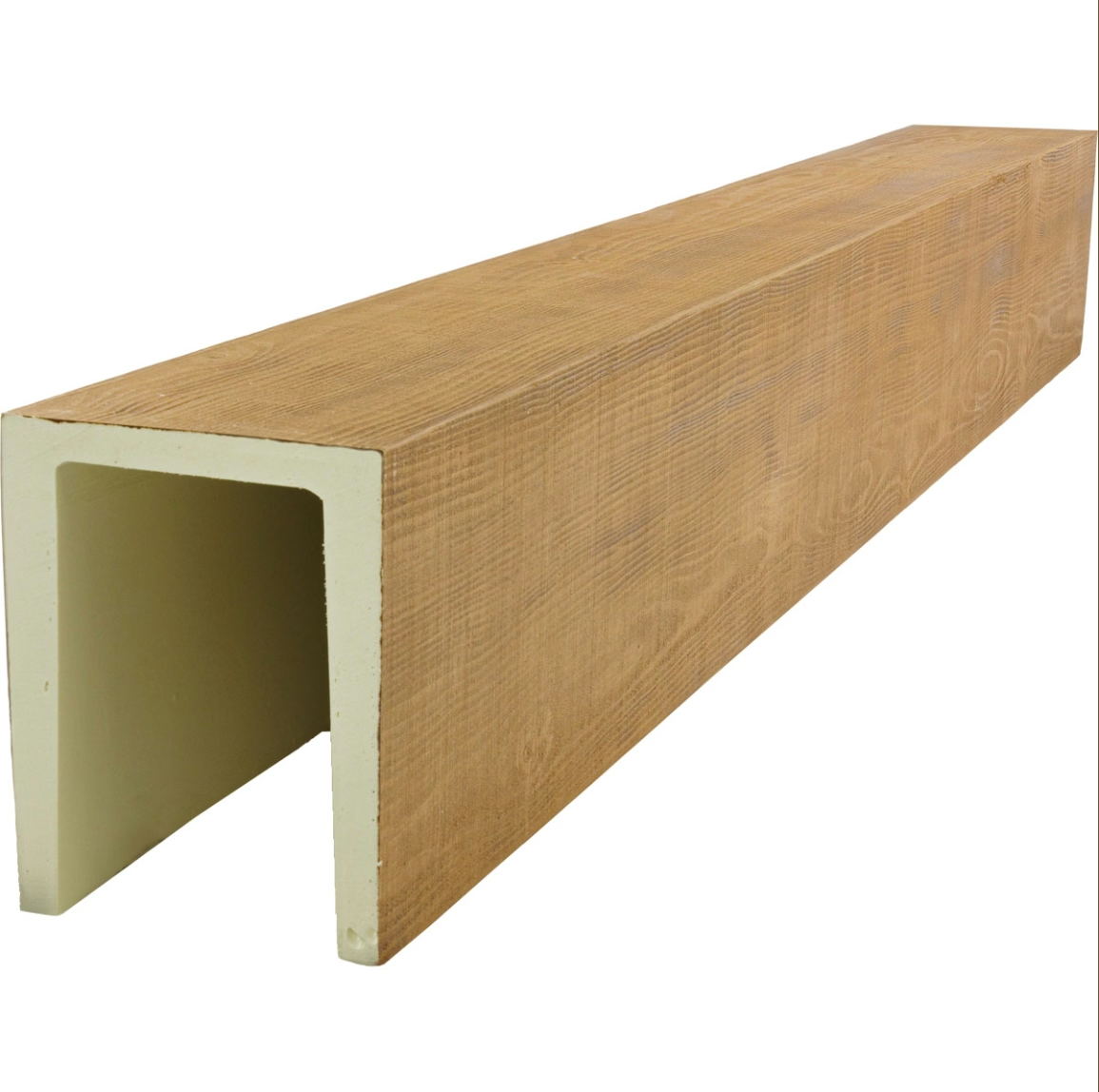
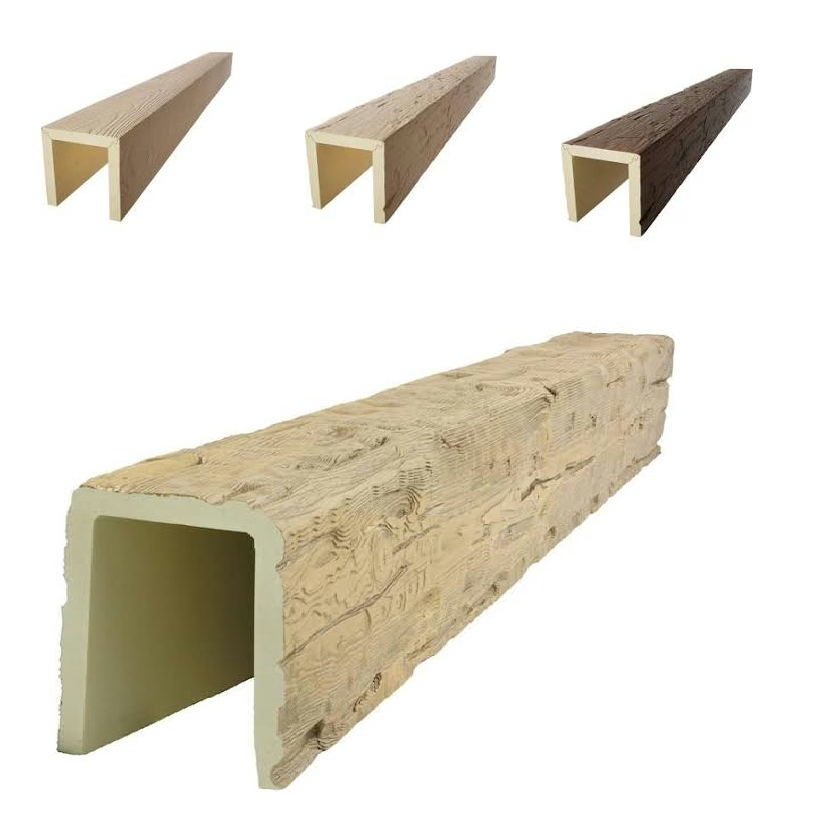
Premium architectural spaces demand materials that match their ambitions. When ceiling heights exceed twelve feet and room volumes dwarf residential norms, standard beam specifications create underwhelming results. Thick texture heavy-duty polyurethane faux wood beams bridge the gap between domestic scale products and genuine architectural mass, providing the dimensional presence that significant spaces require.
Dimensional Specifications and Standards
Width and Depth Requirements
Thick classification begins at widths of twelve inches, extending upward to twenty-four inches or beyond for the most dramatic applications. Depth dimensions typically range from six to fourteen inches, maintaining proportional relationships that read as architecturally appropriate rather than dimensionally distorted.
The relationship between beam width and depth affects overall appearance. Beams appearing too shallow for their width suggest manufacturing limitation rather than design intention. Standard proportions—width-to-depth ratios between one-to-one and three-to-two—create visually coherent results.
Length Capabilities and Limitations
Standard production typically accommodates lengths to twenty feet for thick heavy-duty products. Longer spans require either intermediate support or custom engineering that incorporates structural steel cores within beam hollows. Engineering solutions extend practical span capabilities while maintaining authentic appearance.
Transportation and handling constraints may limit practical lengths regardless of manufacturing capability. Site access, turning radius, and elevator or stair dimensions all affect maximum deliverable lengths.
Manufacturing for Premium Performance
High-Density Polyurethane Formulations
Premium thick beams employ high-density polyurethane that provides superior surface detail reproduction and structural capability. Densities ranging from eight to fifteen pounds per cubic foot exceed standard residential formulations while remaining substantially lighter than timber equivalents.
Higher density improves fastener retention for mounting hardware attachment. Impact resistance increases with density, reducing visible damage from inadvertent contact. Surface hardness improves paint and stain acceptance.
Multi-Stage Surface Texturing
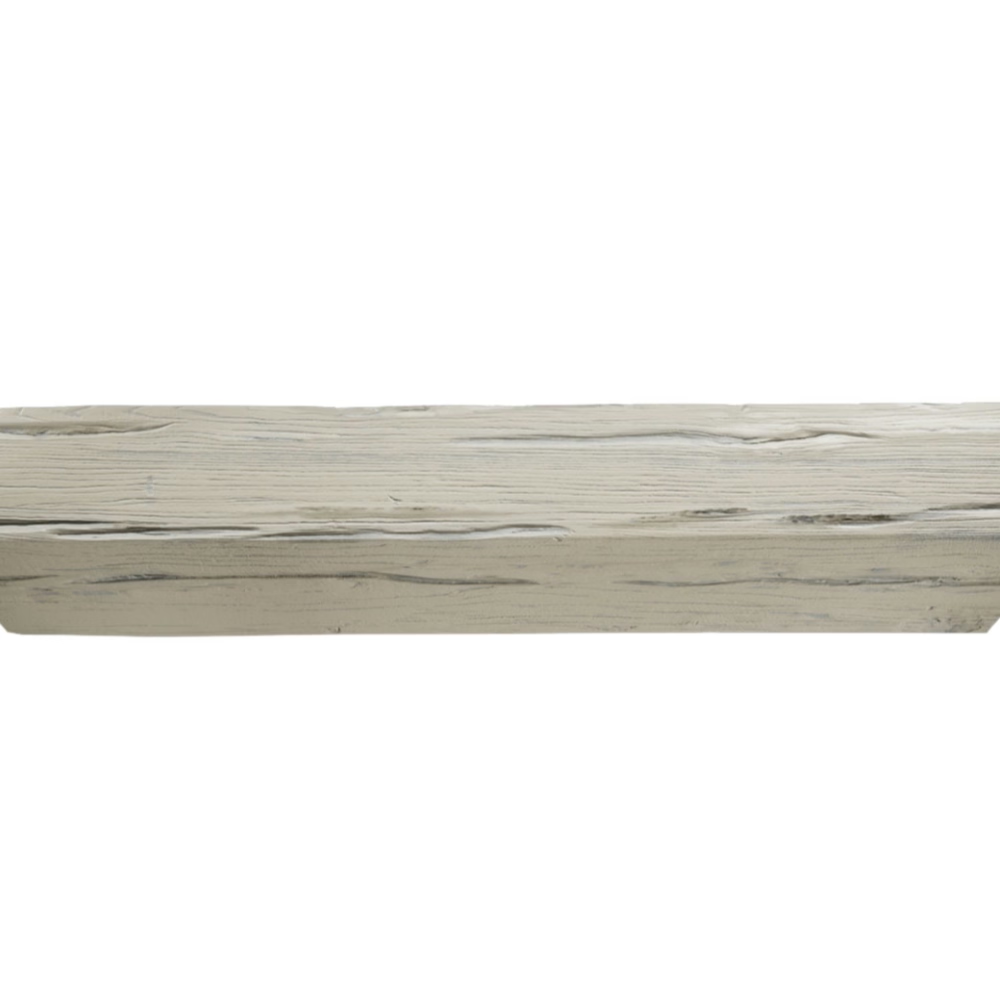
Premium texturing employs multiple embossing stages that build complex surface characteristics. Primary grain patterns establish basic wood character. Secondary weathering effects add apparent age. Detail features—knots, checks, insect damage—create individual specimen personality.
This multi-stage approach requires sophisticated mold engineering and precise manufacturing control. Quality variation between individual beams should remain imperceptible within installation sets.
Structural Considerations for Heavy-Duty Applications
Load Capacity Requirements
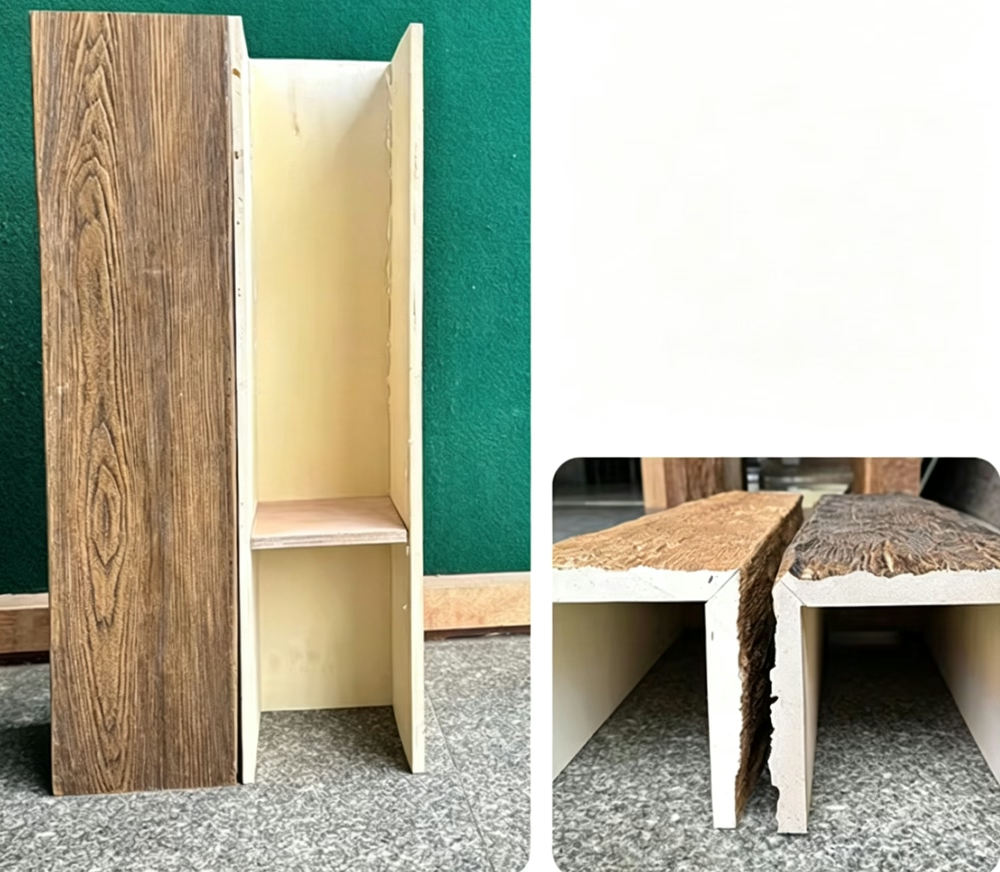
Applications spanning openings, supporting platforms, or providing attachment points require genuine structural capability. Hybrid construction—polyurethane shells over steel structural cores—provides load capacities that pure polyurethane cannot reliably offer.
Engineered steel cores typically consist of structural steel tubes or wide-flange profiles sized for specific load requirements. These cores attach to building structure using conventional steel connection methods while polyurethane shells provide finished appearance.
Mounting System Engineering
Thick heavy-duty beams impose substantial loads on mounting systems that lighter products never challenge. Standard bracket systems designed for residential applications prove inadequate. Engineering-specified connections distribute loads appropriately to structural elements.
Multiple attachment points at reduced spacing prevent localized stress concentrations that might compromise mounting integrity. Structural ceiling elements must possess adequate capacity for accumulated loads.
Aesthetic Applications for Maximum Impact
Grand Scale Residential
Luxury residences increasingly feature large-volume spaces—great rooms, master suites, home libraries—with ceiling heights that standard beam products cannot address appropriately. Thick heavy-duty beams provide visual weight that matches these generous proportions.
Contemporary and craftsman-style homes particularly suit thick beam applications, with beam styling selected to complement architectural vocabulary. Clean-lined thick beams suit contemporary aesthetics; heavily textured thick beams support craftsman or rustic associations.
Hospitality Public Spaces
Hotel lobbies, resort restaurants, and spa reception areas benefit from ceiling treatments that establish premium positioning before guests proceed to private accommodations. Thick textured beams provide the architectural mass that premium hospitality environments demand.
Commercial durability requirements complement aesthetic objectives. Premium polyurethane products tolerate continuous public exposure, housekeeping practices, and luggage contact while maintaining appearance through thousands of annual guests.
Specialty Retail Environments
High-end retail spaces employ architectural elements that reinforce brand positioning and justify premium pricing. Thick textured beams contribute substantially to these environments, creating overhead presence that differentiates from commodity retail spaces.
Specialty food stores, wine merchants, and craft producers often employ rustic timber aesthetics that thick beams support authentically. Moisture resistance proves particularly valuable in food service retail where refrigeration, produce misting, and occasional spills challenge material performance.
Finish Coordination and Application
Finish Matching Across Elements
Thick beam finishes should coordinate with other visible wood elements throughout installations. Floors, trim, furniture, and cabinetry all participate in material storytelling that unified finishes strengthen. Finish selection should consider existing elements and anticipated future selections.
Natural wood tones—honey, amber, walnut—provide warmth that cool material palettes may lack. Painted finishes—white, gray, black—coordinate more flexibly but contribute less warmth.
Texture Coordination
Surface texture on thick beams should relate appropriately to texture scales elsewhere in designed environments. Heavy textures suit rustic, lodge, and industrial aesthetics. Lighter textures support traditional, transitional, and contemporary interpretations.
Coordinating texture scales prevents visual discord where dramatically different texturing approaches meet.
Installation Best Practices
Pre-Installation Planning
Successful thick beam installation requires comprehensive planning that lighter products might not demand. Handling logistics, positioning sequences, and mounting details should resolve before beams arrive on-site.
Mock-up installation for complex configurations confirms fit and alignment before commitment. This verification prevents expensive corrections after permanent installation.
Professional Installation Recommendation
Thick heavy-duty beam installation typically exceeds DIY capability. Professional installers possess handling equipment, alignment tools, and experience that ensure satisfactory results. Labor cost premium typically proves economical against potential failure costs.
Contractor selection should verify experience with heavy-duty beam installations specifically. General finish carpentry experience may not transfer to the specialized requirements of thick premium products.
Lifecycle Performance and Value
Premium thick textured beams provide decades of service when properly installed. Minimal maintenance—periodic cleaning, occasional touch-up—maintains appearance without requiring complete refinishing.
Initial investment premium typically proves economical against replacement costs that lesser products might incur. The architectural impact that premium products provide supports property values in ways that standard alternatives cannot match.
For projects where ceiling treatment significantly influences overall design success, thick texture heavy-duty polyurethane faux wood beams offer capabilities that standard products cannot achieve. This investment creates architectural moments that distinguish exceptional spaces from ordinary environments.
Technical References
ASTM standards cited in every specification
Test Data
Lab results from internal testing program
Updated 2026
Reviewed against current product specs