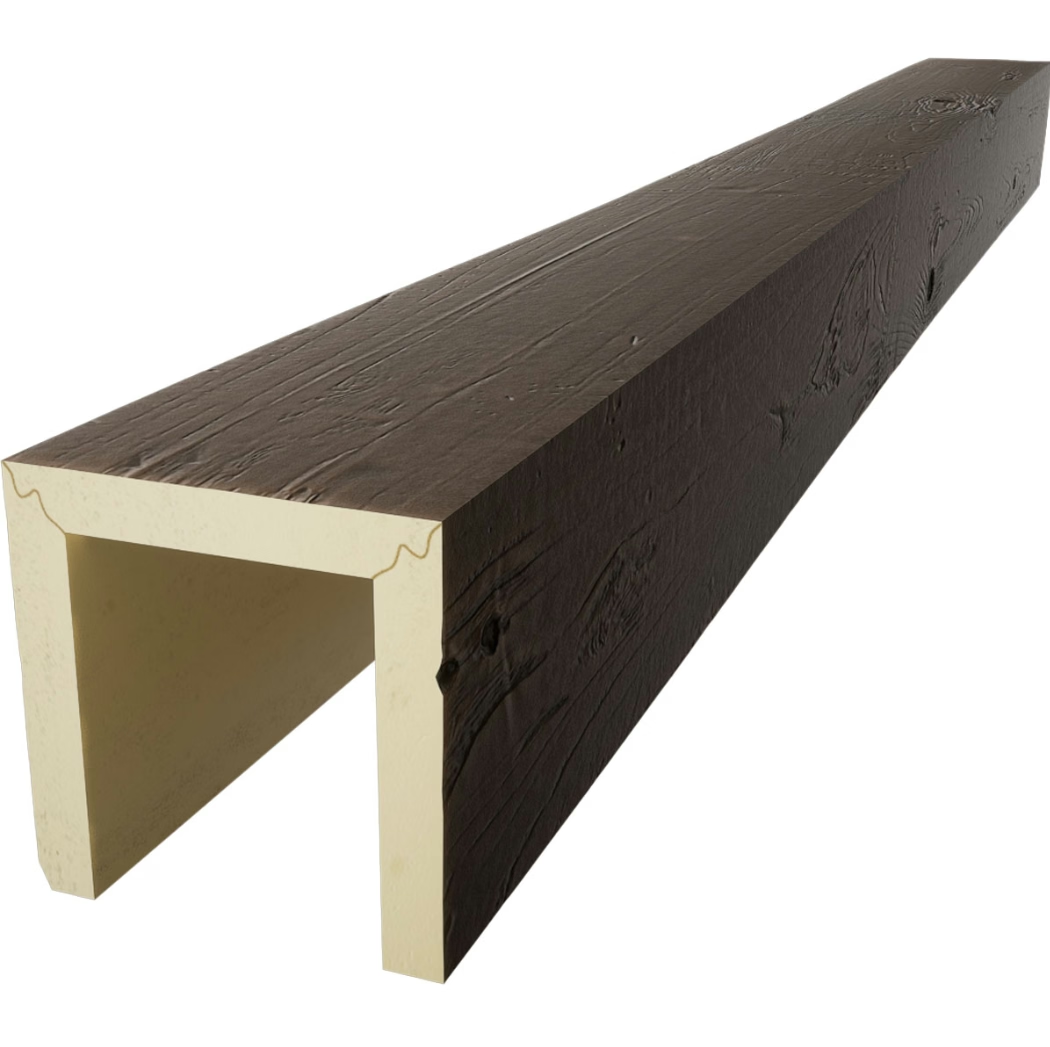
The evolution of faux beam technology has produced increasingly sophisticated products that challenge even trained observers to distinguish synthetic from natural. Three-sided wrap-around polyurethane beams represent the current state of this evolution, combining advanced material science with refined manufacturing techniques to deliver appearance and performance that genuine wood cannot match in several important dimensions. Understanding what these products offer helps specifiers make informed decisions that serve project goals effectively.
The wrap-around concept solves a fundamental problem that solid beam installation cannot address: what to do when existing structure already provides the load-bearing elements but lacks aesthetic appeal. Rather than requiring removal and replacement of functional if unappealing beams, wrap-around technology transforms the existing into the desired. This preservation-first approach aligns with sustainability principles while delivering superior results compared to alternatives that require structural modification.
Material Science Behind Modern Polyurethane
Polyurethane chemistry offers remarkable versatility, allowing manufacturers to tune material properties precisely for specific applications. High-density formulations used in premium faux beams provide impact resistance that prevents the dents and damage common with softer plastics. Dimensional stability results from formulations engineered to resist the thermal expansion and contraction that causes cracking in less sophisticated materials. UV inhibitors built into the chemical structure protect both the polyurethane substrate and applied finishes from degradation.
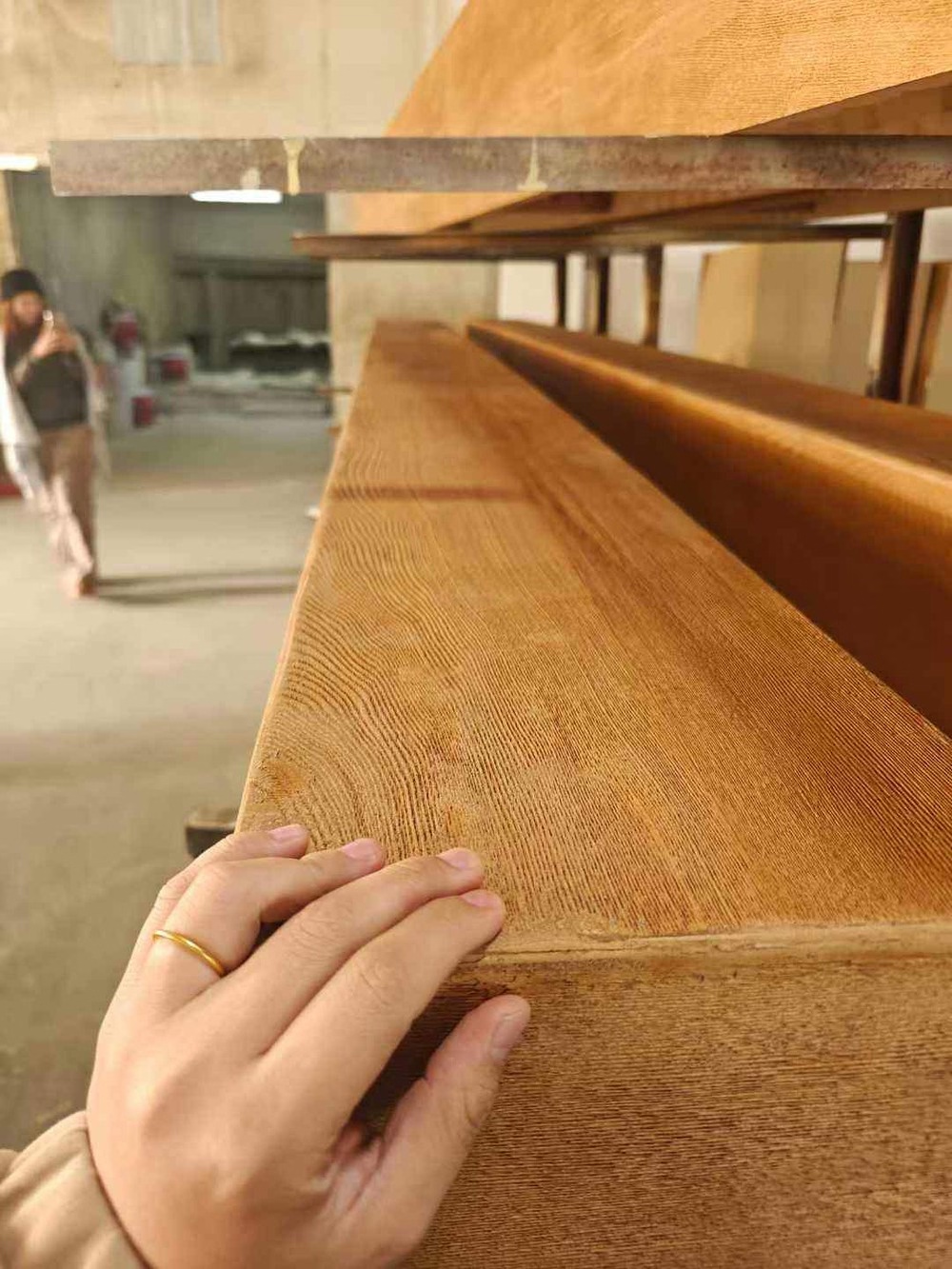
The manufacturing process begins with custom tooling—precision molds that capture wood grain detail at microscopic levels. These molds often begin with actual wood samples, with negative impressions taken from carefully selected timber that exhibits the grain patterns, knot formations, and surface character desired in the finished product. The resulting polyurethane parts inherit this authentic detail, reproducing variations and imperfections that no artist could invent convincingly.
Foam-injection and casting methods affect final product quality significantly. Premium manufacturers typically employ high-pressure casting that eliminates voids and ensures consistent density throughout the beam cross-section. Lower-quality production may use simpler methods that create internal inconsistencies invisible until damage occurs. The manufacturing method also affects surface detail reproduction; casting under pressure captures finer detail than simpler approaches.
Appearance Characteristics and Visual Authenticity
Modern three-sided wrap beams achieve visual authenticity through attention to details that casual observation overlooks. Natural wood exhibits consistent characteristics across all surfaces—end grain differs from longitudinal surfaces, and this difference affects light reflection in ways that become apparent when mismatched materials appear together. Quality polyurethane beams replicate these variations, with mold designs that create appropriate texture orientations for each surface.
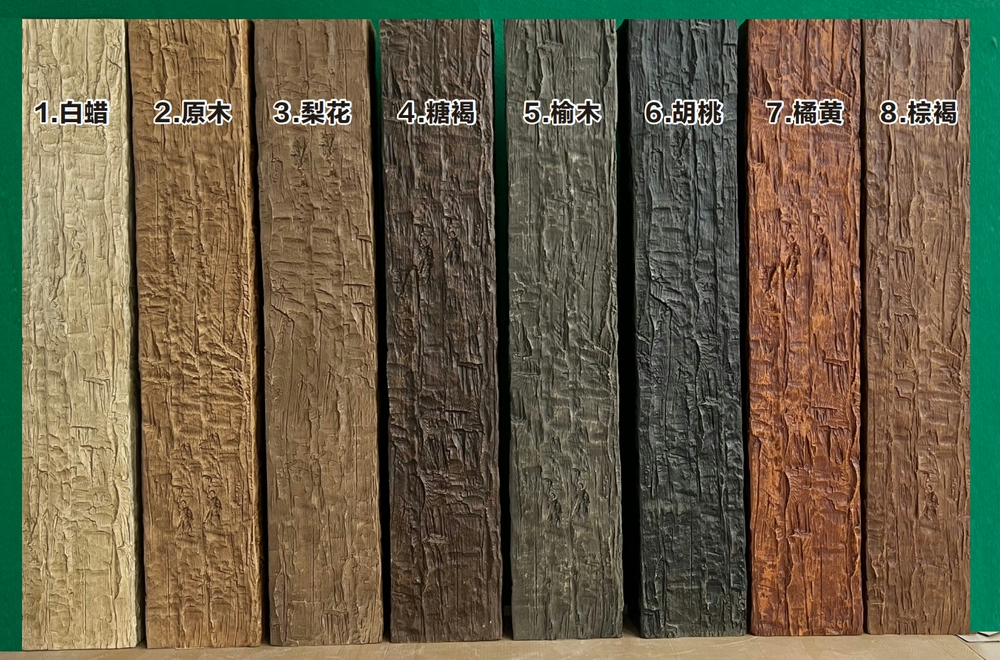
Color consistency within individual beams and across installations distinguishes premium products. The staining and finishing processes for polyurethane differ from wood finishing, requiring different techniques to achieve equivalent depth and richness. Premium manufacturers have developed finishing systems specifically for polyurethane substrates, creating appearances that read as authentically wood rather than obviously synthetic. Budget alternatives often display flat, even coloration that betrays their artificial nature.
The relationship between texture and lighting requires careful consideration during specification. Deeply textured beams cast pronounced shadows that add visual interest but may appear dirty in poorly maintained spaces. Smooth finishes read as more contemporary but lack the character that distressed textures provide. The best choice depends on both the space's design character and the maintenance commitment available—textured beams require more attention to keep shadows from accumulating debris that diminishes appearance.
Structural Considerations and Load Capacity
Three-sided wrap beams function purely as architectural trim, not structural elements. This distinction carries important implications for installation and usage. The existing structure being covered must remain capable of handling all loads, with the wrap beam adding only its own modest weight. In renovation scenarios where existing beams show signs of distress, professional assessment should precede wrap beam installation—covering problems rather than addressing them invites failure.
Mounting requirements for wrap beams focus on maintaining position rather than supporting loads. Construction adhesive provides the primary connection, with mechanical fasteners offering supplementary support and protection against exceptional circumstances. The three-sided profile creates inherent resistance to separation forces—the open side faces existing structure, and any movement would require overcoming the frictional and adhesive forces along extended contact surfaces. This geometry provides mechanical advantage that simple surface-mounted trim lacks.
Span limitations for three-sided beams depend on wall thickness, profile design, and installation quality. Standard installations typically perform reliably up to sixteen feet without intermediate support; longer spans may require consultation with manufacturers regarding specific product capabilities. Where spans exceed standard recommendations, additional blocking between existing structural elements or steel support rods hidden within the beam profile can provide supplementary support.
Climate Performance and Environmental Adaptation
Polyurethane behaves differently from natural wood across environmental conditions, with both advantages and limitations worth understanding. The material neither absorbs moisture nor responds to humidity changes, eliminating the dimensional instability that causes natural wood to expand, contract, cup, or check. This stability proves particularly valuable in regions with extreme humidity variations or in buildings with inconsistent HVAC control.
Temperature performance requires consideration in certain applications. Polyurethane softens at elevated temperatures, typically becoming flexible above two hundred degrees Fahrenheit—conditions rarely encountered in normal building operation. However, sustained heat exposure in poorly ventilated ceiling spaces might eventually affect long-term durability. In most residential and commercial applications, standard polyurethane beams perform adequately; specific concerns warrant consultation with manufacturers regarding product-specific temperature ratings.
UV exposure affects polyurethane differently than natural wood. Rather than graying or checking like weathered timber, polyurethane may yellow slightly or develop surface oxidation that dulls finishes. Premium products include UV inhibitors that significantly slow this degradation; extended warranty coverage for UV-related damage indicates confidence in formulation effectiveness. In spaces with substantial natural light exposure, selecting beams with demonstrated UV resistance protects long-term appearance.
Installation Planning and Execution Excellence
Successful three-sided wrap beam installation begins with thorough documentation of existing conditions. Photograph all ceiling areas from multiple angles, noting beam dimensions, spacing, and any irregularities. Measure carefully, accounting for the slight additional clearance that wrap beam installation requires—the existing beam must fit within the wrap beam's interior dimensions with adequate clearance for adhesive and fastener access.
Ordering calculations should include contingency material for cuts, mistakes, and future replacement needs. Most professionals recommend ordering approximately ten percent additional material beyond calculated requirements, providing buffer for on-site adjustments and unforeseen circumstances. Some suppliers offer return policies for unused material; confirming these terms before ordering enables more confident excess ordering when appropriate.
The actual installation process follows predictable stages regardless of specific project conditions. Initial dry-fitting verifies all pieces work together, identifying any dimension problems before adhesive application. Surface preparation ensures clean, sound bonding surfaces on existing structure. Adhesive application, beam positioning, and temporary support follow systematically, with final inspection verifying alignment and appearance before considering the project complete.
Technical References
ASTM standards cited in every specification
Test Data
Lab results from internal testing program
Updated 2026
Reviewed against current product specs