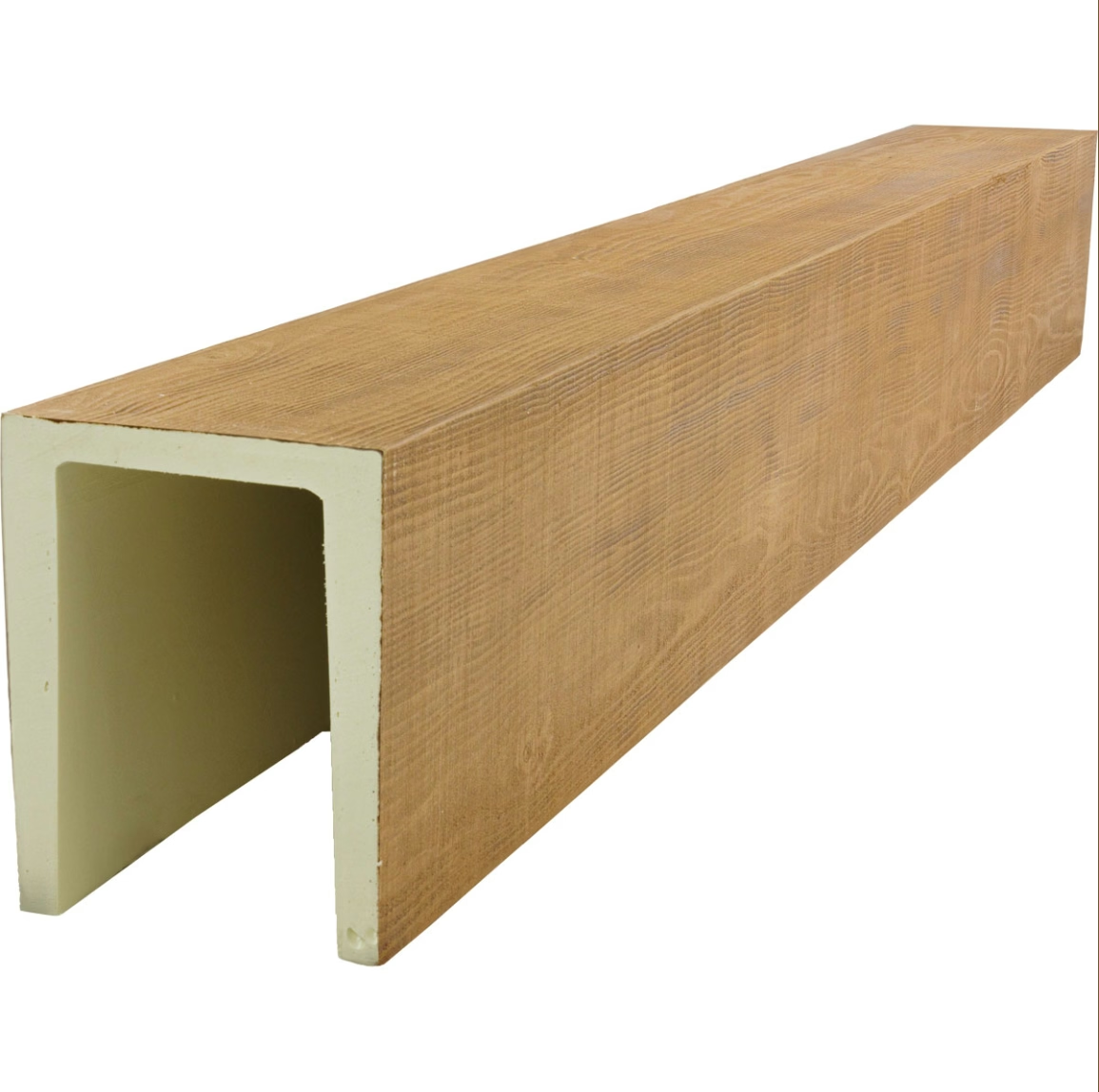
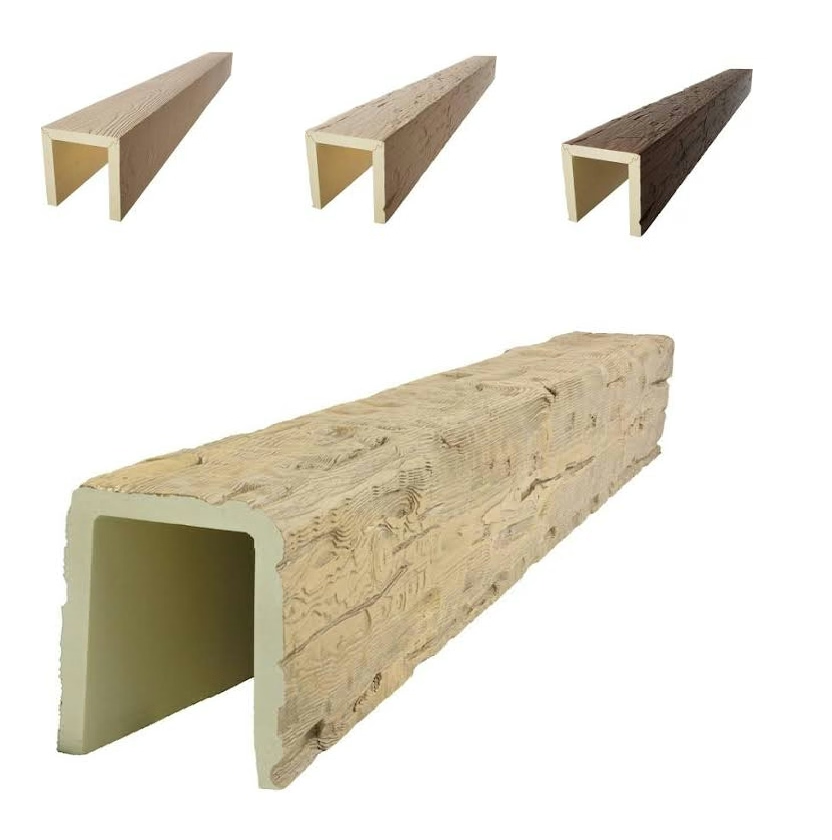
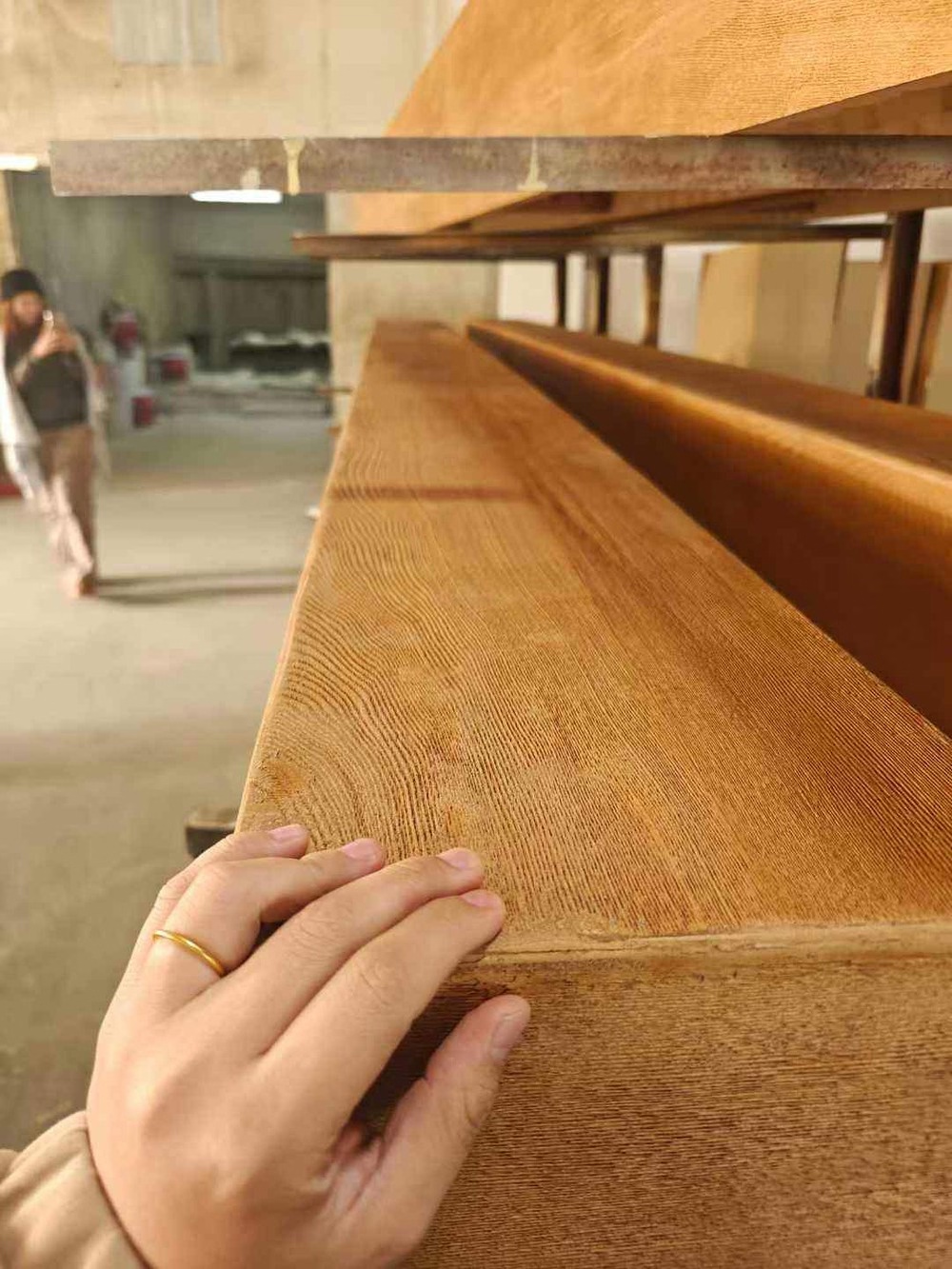
The assessment of wood authenticity operates across multiple perceptual dimensions simultaneously, with observers processing visual information faster than conscious thought can intervene. Color, texture, shadow, and light interaction all contribute to the overall impression that determines whether observers perceive materials as genuine or artificial. Failing any single dimension can undermine otherwise successful replication, while meeting all dimensions creates perception that approaches certainty.
The Morrison remodel in Minneapolis illustrates the cumulative effect of attention to multiple authenticity dimensions. Their architect had specified authentic timber for exposed ceiling beams, but structural concerns during construction forced reconsideration. The selected polyurethane alternative was chosen specifically for its multi-dimensional authenticity, with the architect personally evaluating texture, color, and lighting response before approval. The completed installation satisfied the architect's standards so completely that they now specify these products routinely for projects where timber would previously have been automatic.
Color Authenticity and Variation
Natural wood color extends far beyond the simple tonal descriptions that most people use casually. The color of authentic timber includes subtle variations across growth rings, seasonal bands, and exposure zones that create visual complexity. These variations result from chemical composition differences between wood zones, with extractives and tannins creating species-specific coloration that simple paints cannot replicate.
Tonal gradient within individual boards affects authenticity perception significantly. The transition between darker heartwood and lighter sapwood creates visual interest that uniform coloration destroys. Quality faux beams incorporate these gradients through careful coloring processes that replicate natural distribution patterns. The resulting surfaces present the complexity that observers expect from authentic timber.
Finish color affects how underlying wood character is perceived, with transparent finishes revealing natural coloration while opaque coatings conceal wood entirely. Most faux beam applications employ semi-transparent or translucent finishes that reveal texture while providing color control. The finish system must be formulated to interact appropriately with underlying texture, creating the depth effects that authentic wood presents.
Color stability over time differs between authentic and faux materials, with natural wood continuing to change throughout its service life. UV exposure, oxidation, and surface wear all modify wood color progressively, creating patina development that some applications value. Faux materials provide consistent color that remains stable indefinitely, though this stability might not match applications where patina development is desired.
Texture Realism Across Scales
Texture perception operates across multiple scales simultaneously, from gross dimensional proportions through medium surface detail to microscopic cellular structure. Authentic appearance requires appropriate characteristics at every scale, with deficiencies at any level potentially undermining overall perception. Quality manufacturing addresses texture across this entire range rather than focusing on single scales.
Medium-scale texture includes the grain patterns, growth ring visibility, and surface variation that most people notice first when examining wood surfaces. These characteristics define species recognition and initial authenticity impressions. Mold-making must capture this medium-scale detail accurately while preserving finer textures that will appear under closer examination.
Fine-scale texture affects how surfaces respond to lighting and touch, contributing to perceived authenticity even when not consciously noticed. The cellular structure visible under magnification creates surface characteristics that standard mold-making often loses. Premium manufacturers employ specialized techniques that preserve fine-scale detail throughout the production process.
Gross texture includes dimensional characteristics like hewing marks, saw marks, and other large-scale surface variations. These characteristics matter primarily in rustic applications where authenticity requires visible tool marks or weathering. Contemporary applications often prefer smoother surfaces, but gross texture options remain available for applications requiring rustic authenticity.

Lighting Response and Shadow Effects
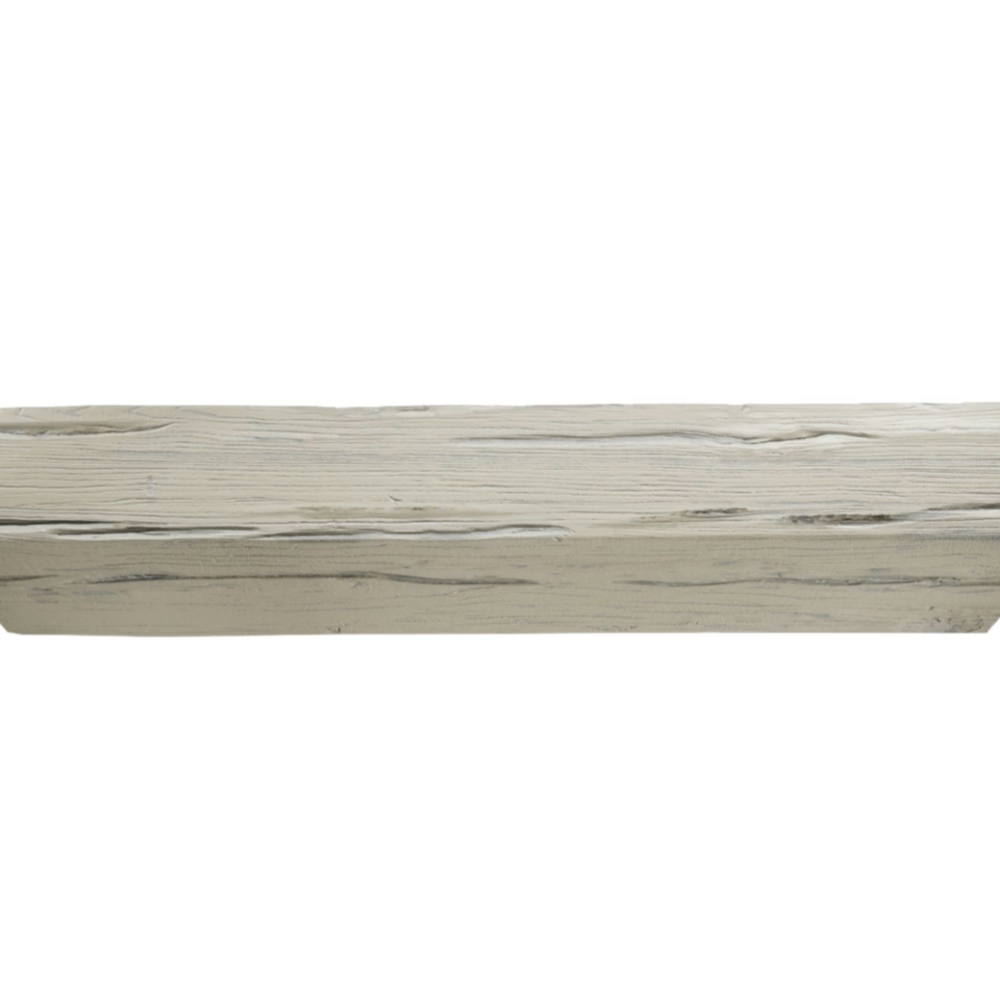
The interaction between wood surfaces and incident light creates visual effects that significantly influence authenticity perception. Directional lighting reveals surface texture through shadow casting that emphasizes relief variations. The accuracy of this shadow effect depends on dimensional accuracy of surface texture, with imprecise texture producing inappropriately proportioned shadows.
Reflectivity characteristics differ between earlywood and latewood zones in authentic timber, creating subtle color shifts as viewing angle changes. This directional reflectivity results from the different fiber orientations and densities that growth creates. Quality faux beams incorporate these reflectivity variations through surface treatments that match natural wood behavior.
Ambient lighting conditions affect how wood surfaces appear, with daylight revealing different characteristics than artificial lighting. Quality faux beams should present appropriate appearance under various lighting conditions, though the specific lighting in intended installations should guide final specification. Samples should be evaluated under lighting conditions matching the completed installation.
Shadow patterns from nearby objects affect how beam surfaces contribute to overall space character. Light fixtures, adjacent beams, and architectural elements all cast shadows that interact with beam surfaces. The surface texture of quality beams creates appropriate shadow effects that enhance rather than compromise authenticity.
Environmental Response and Stability
Humidity response distinguishes authentic wood from most faux alternatives in ways that affect long-term appearance. Natural wood absorbs and releases moisture continuously, expanding and contracting with environmental changes. These dimensional changes can cause visible movement, noise, and eventually surface degradation. Polyurethane's dimensional stability eliminates these humidity-related concerns.
Temperature cycling affects authentic wood similarly to humidity variation, with thermal expansion and contraction creating cumulative stress that affects long-term durability. Polyurethane tolerates temperature extremes that might damage authentic timber, maintaining appearance and structural integrity across conditions that natural wood would find challenging.
UV exposure creates different effects in authentic and faux materials. Natural wood typically darkens and eventually grays under extended sun exposure, developing the patina that weathering creates. Quality faux beams incorporate UV inhibitors that resist this degradation, maintaining original appearance across extended exposure. The choice between natural patina development and stable appearance affects which material best serves specific applications.
Surface aging differs fundamentally between authentic wood and quality faux products. Natural wood develops wear patterns, minor damage, and patina that contribute to character. Polyurethane surfaces may show impact damage but do not develop the same character through aging. Some applications value this consistent appearance while others prefer the evolving character that natural materials provide.
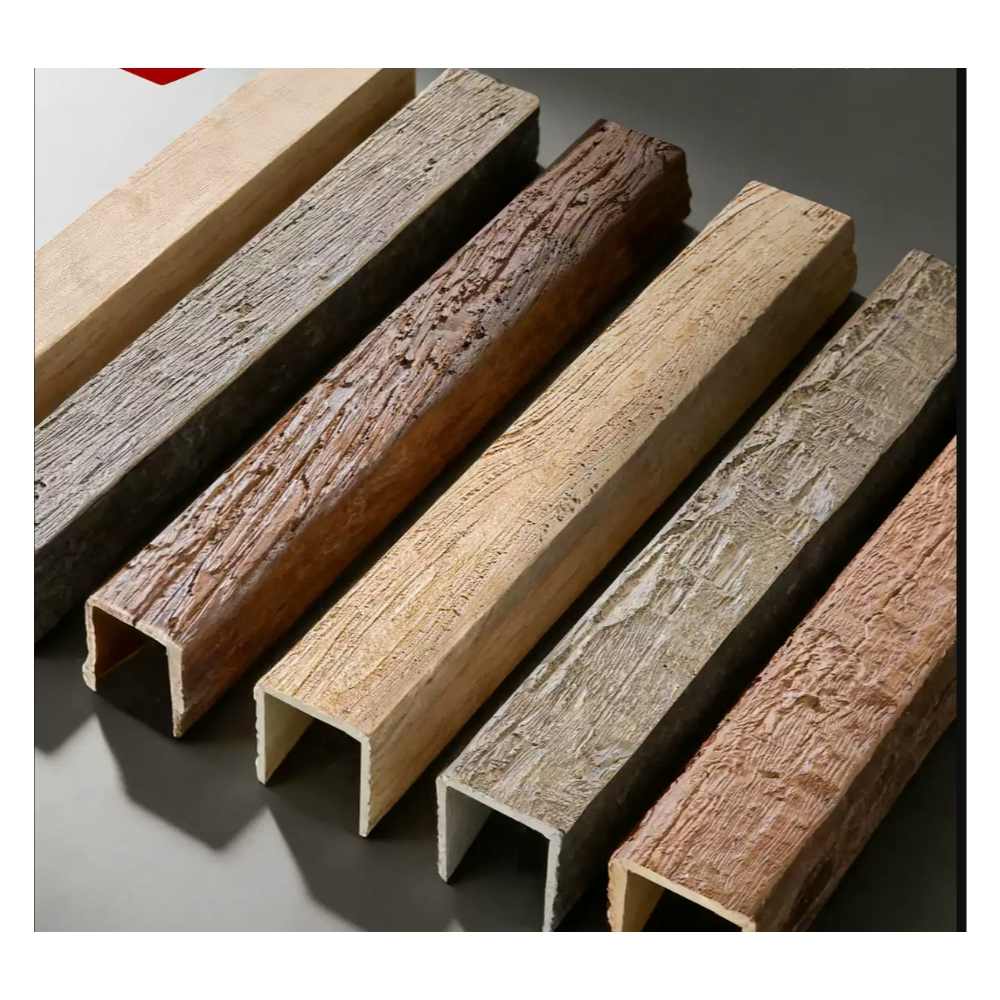
Species-Specific Authentication Challenges
Oak authenticity requires matching the species' distinctive combination of prominent grain, visible rays, and color range. The large-porous structure that defines oak creates visible ring boundaries that replication must capture accurately. Quarter-sawn oak surfaces present ray fleck patterns that require specific attention to achieve authentic appearance.
Maple authenticity challenges arise from the species' relatively subtle character, which provides less visual drama to distract from imperfections. The tight, uniform grain that defines maple demands precision manufacturing that budget products often cannot achieve. Quality maple replication requires manufacturing excellence that distinguishes premium producers from budget competitors.
Walnut authenticity benefits from the species' dramatic color and figure patterns that create visual interest even if some replication detail is imperfect. However, the color depth and tonal complexity that walnut features require sophisticated coloring techniques. The rich brown tones must include subtle variations that prevent the flat appearance that simpler coloring produces.
Cherry authenticity presents color-matching challenges as the species' warm red tones shift toward deeper brown over time. Fresh-cut cherry differs dramatically from aged specimens, with lighting and UV exposure both affecting color development. Faux products must choose between fresh or aged appearance, with specification guided by surrounding materials and design intent.
Quality Assessment and Specification
Sample evaluation should occur under lighting conditions matching intended installation, as daylight and artificial light reveal different characteristics. Extended examination under varied conditions identifies any issues that brief inspection might miss. Quality manufacturers encourage extended sample evaluation before specification commitment.
Manufacturing documentation provides insight into quality processes that affect product performance. Facilities with established quality systems produce more consistent products than those without documented procedures. ISO certification or similar quality standards indicate manufacturing maturity that supports specification confidence.
Reference installations demonstrate how products appear in completed projects, providing evidence that sample evaluation cannot fully convey. Professional manufacturers maintain portfolios of installed applications across various contexts. Site visits to completed installations enable first-hand evaluation that photographs cannot replace.
Technical specification review ensures that products meet application requirements beyond aesthetic considerations. Fire ratings, structural loading, and environmental performance all require documentation that supports code compliance and application appropriateness. Any gaps in required documentation should be resolved before specification commitment.
Cost Considerations and Value Optimization
Initial cost differences between authentic timber and quality faux alternatives often prove less significant than ancillary cost factors. Structural engineering, specialized installation, and ongoing maintenance add to authentic timber costs that faux alternatives avoid. Comprehensive cost comparison requires accounting for all factors rather than unit price alone.
Lifecycle cost analysis favors quality faux products in most applications through reduced maintenance and extended service life. The durability that quality faux products provide translates to decades of service without replacement or refinishing. Natural timber's ongoing care requirements add costs that compound over time.
Specification level optimization matches product quality to application requirements, avoiding both under-specification that compromises performance and over-specification that wastes budget. High-abuse commercial applications justify premium product investment while residential applications might accept economy options. Matching specification to requirements optimizes value across the project portfolio.
Vendor relationship value extends beyond individual transactions to include ongoing support, replacement availability, and technical consultation. Established manufacturers with track records support long-term maintenance needs better than newer competitors whose continued operation remains uncertain. Relationship value should factor into vendor selection alongside product quality and pricing.
Future Development Trajectories
Manufacturing technology continues advancing, with each generation of products improving upon previous capabilities. Surface scanning resolution increases, mold-making precision improves, and coloring techniques become more sophisticated. These advances will continue narrowing any remaining gaps between faux and authentic appearance.
Sustainability pressures drive development of bio-based polyurethane formulations that reduce petroleum dependence. These plant-derived alternatives may offer performance characteristics that conventional formulations cannot match, potentially enabling products with improved environmental profiles without sacrificing authenticity.
Self-healing and smart-surface technologies represent longer-term development opportunities that might transform faux beam capabilities. Materials that repair minor damage automatically or respond to environmental exposure could provide functionality beyond current capabilities. These technologies remain developmental but suggest future product evolution.
The continued evolution of faux wood authenticity will further establish these products as legitimate design options rather than compromise alternatives. Professional recognition through specification by leading architects and designers validates the authenticity that quality manufacturers have achieved. The trajectory points toward continued market acceptance and product improvement.

Technical References
ASTM standards cited in every specification
Test Data
Lab results from internal testing program
Updated 2026
Reviewed against current product specs