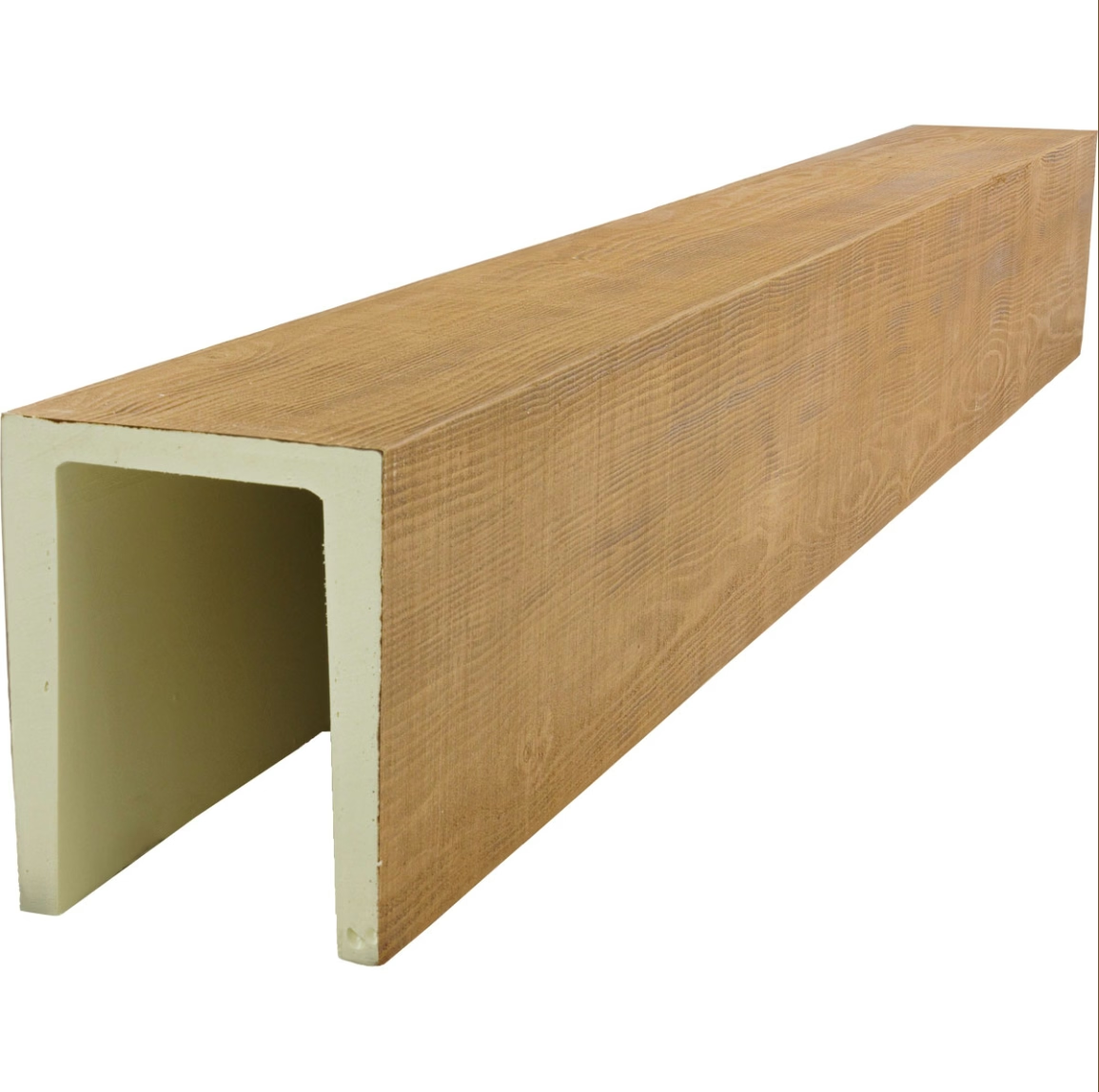
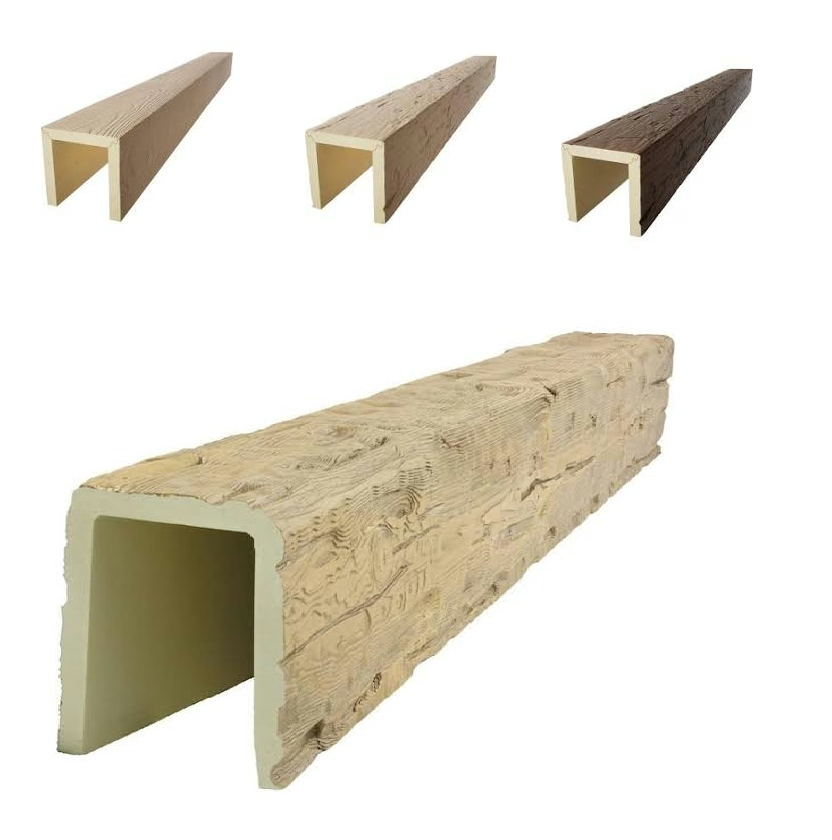
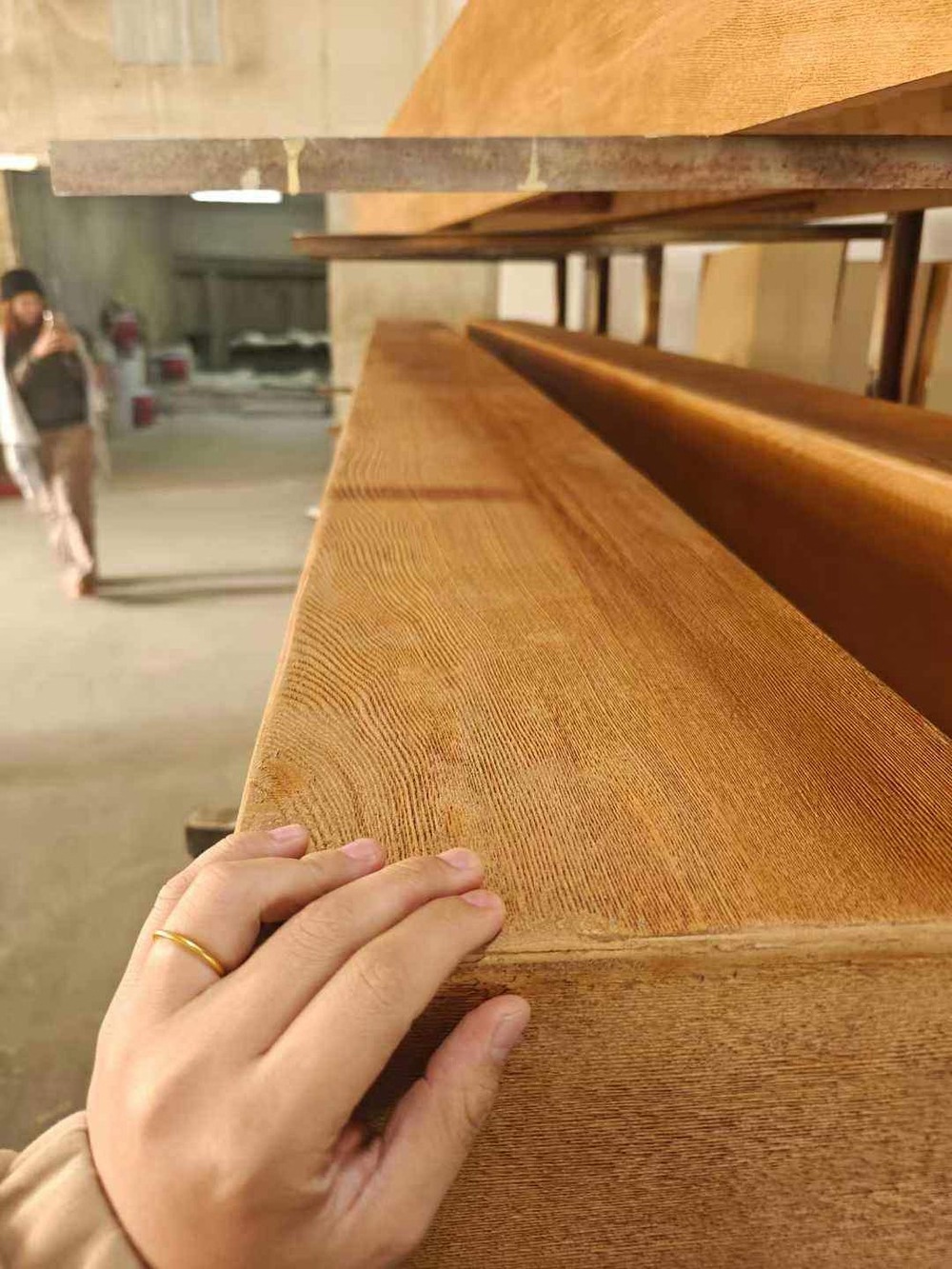
Texture in wood operates as a language that observers read subconsciously, extracting information about species, age, origin, and history from surface characteristics that conscious analysis might never notice. The swirls around a knot tell of branch attachment; the fine lines between growth rings record seasonal variations; the subtle undulations across grain direction reveal how the tree responded to wind and weather throughout its life. Capturing this language requires manufacturing processes sophisticated enough to encode its lessons in artificial surfaces.
The texture question has become central to faux wood authenticity debates, as color and form can be matched relatively straightforwardly while texture authenticity proves more elusive. Early faux products achieved adequate color matching but obvious texture inadequacy betrayed their artificial origins. Modern manufacturing addresses texture through multiple complementary approaches that together create surfaces indistinguishable from authentic timber under normal observation conditions.
The Hierarchy of Texture Perception
Human perception processes texture across a hierarchy of scales, from gross dimensional characteristics through medium detail to microscopic surface variations. Each scale contributes different information to the overall texture impression, and authentic appearance requires appropriate characteristics across the entire range. Manufacturing that focuses on single scales while neglecting others produces imbalanced results that fail authenticity assessment.
Gross-scale texture includes characteristics visible from normal viewing distances, including overall surface evenness, tool marks, and large-scale irregularities. These characteristics establish the initial texture impression that observers form before examining surfaces closely. Rustic applications often require prominent gross-scale character while contemporary designs may prefer subtler treatment.
Medium-scale texture becomes apparent under closer examination, revealing the grain patterns, growth ring visibility, and surface variation that define species character. This scale includes the characteristics most people think of when discussing wood texture, as it encompasses the visible patterns that species identification relies upon. Mold precision determines how effectively this scale is captured.
Fine-scale texture operates at the cellular level, creating surface characteristics visible only under magnification or detectable through tactile examination. The fine ridges, cell wall structure, and surface variations at this scale affect how light interacts with surfaces and how materials feel under touch. Preserving fine-scale detail throughout manufacturing separates premium products from budget alternatives.
Manufacturing Processes for Texture Capture
Hand-sampling by skilled woodworkers creates reference surfaces that embody the texture characteristics that replication should achieve. These craftsmen use traditional tools and techniques to create surfaces representing authentic timber character across various species and finish levels. The resulting samples capture subtleties that automatic processes might miss or incorrectly interpret.
High-resolution surface scanning employs laser and optical technologies to capture texture data at resolutions exceeding human perception. The resulting point clouds and height maps encode surface information that informs subsequent manufacturing steps. This digital record enables quality verification throughout production while supporting continuous process improvement.
Mold-making from scanned references preserves captured texture through the production tooling process. Traditional rubber molds can lose fine detail through elasticity and shrinkage, while rigid molds capture more accurate impressions. Modern manufacturing often combines approaches, using rigid molds for primary form while flexible elements address undercut areas that rigid tooling cannot accommodate.
Post-molding finishing processes refine as-molded surfaces to achieve final texture quality. Surface activation, primer application, and color treatment all interact with texture to create the complete appearance that observers perceive. These finishing steps require careful control to avoid degrading the texture that mold-making preserved.

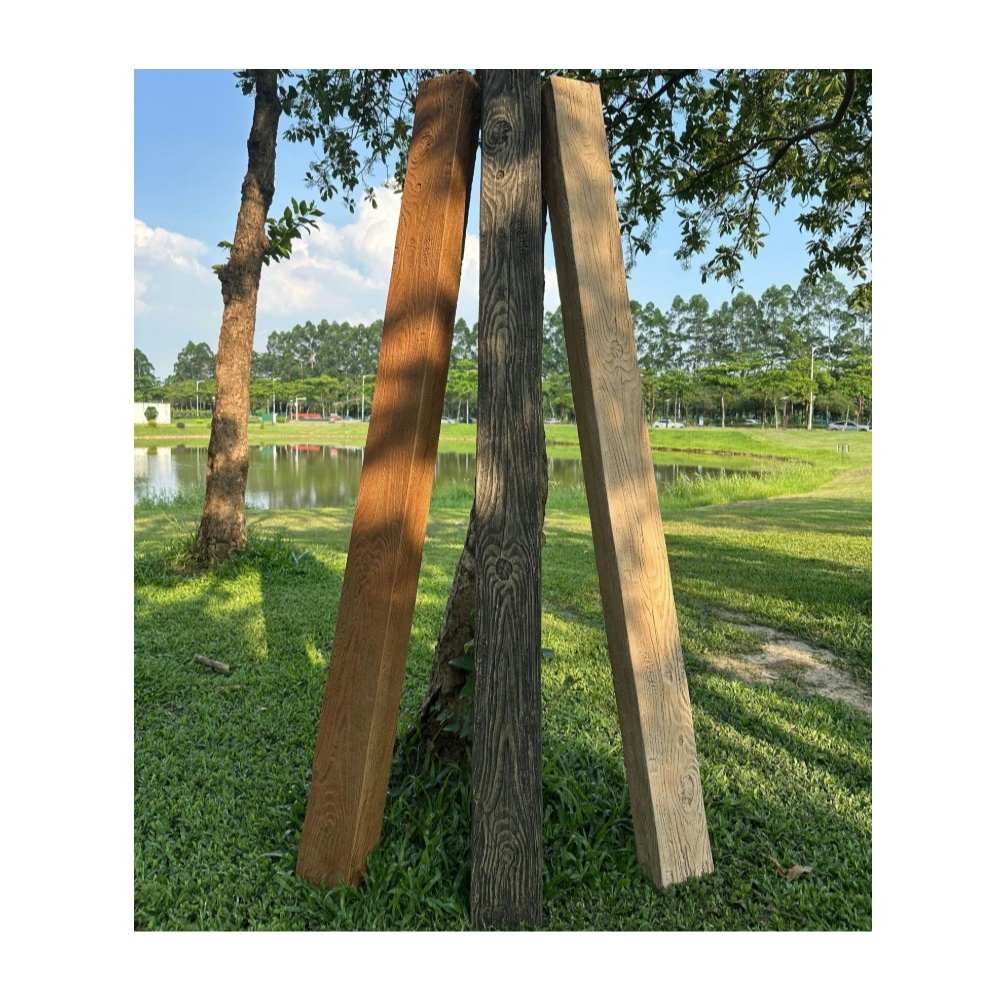
Species-Specific Texture Considerations
Oak texture presents perhaps the most demanding replication challenge among common species, with its combination of prominent grain, visible rays, and significant porosity. The large-pore structure that defines oak creates visible texture that close inspection cannot miss. Replication must capture not just gross pore visibility but the variation in pore size and distribution that authentic oak presents.
Maple texture challenges stem from the species' subtle character, where minimal visible texture makes every imperfection apparent. The tight, uniform grain that distinguishes maple provides little visual distraction from any manufacturing inadequacies. Achieving authentic maple texture requires manufacturing excellence that separates premium producers from budget competitors.
Pine texture varies significantly between the various pine species used in construction, with southern yellow pine presenting different characteristics than eastern white pine or ponderosa pine. Density variations create the prominent grain that soft pines exhibit, while knottiness varies based on growth rate and environmental conditions. Replication must match specific species characteristics rather than generic pine appearance.
Reclaimed wood texture introduces weathering effects that accelerate aging creates, adding complexity beyond fresh-cut timber. Checking, splitting, and surface erosion all contribute to reclaimed character that natural timber develops over decades or centuries of exposure. Capturing this aged character requires reference samples that embody the specific weathering stages that design intends.
Surface Hardness and Tactile Authenticity
Tactile perception of wood involves pressure receptors in fingertips that detect hardness variations, texture extremes, and surface characteristics invisible to visual inspection. The subconscious processing of this tactile information affects authenticity perception even when observers cannot articulate what they are feeling. Faux surfaces must satisfy tactile assessment to achieve complete authenticity.
Natural wood hardness varies across growth ring structures, with latewood bands presenting greater resistance than earlywood zones. This differential hardness affects how surfaces feel under exploration, creating subtle variations that contribute to perceived authenticity. Polyurethane formulations can replicate this varied hardness through density gradients or surface treatments.
Response to temperature affects tactile perception in ways that differ between authentic and faux materials. Natural wood's thermal mass creates temperature response that faux materials may not match exactly. However, this difference rarely becomes apparent except under unusual conditions where extreme temperature contrasts reveal the distinction.
Surface smoothness versus texture affects how materials feel and how they respond to touch. Authentic wood surfaces never present the perfectly smooth texture of polished plastic, yet they also avoid the rough, artificial texture of inadequately finished materials. Quality faux products achieve the moderate texture that authentic wood presents.
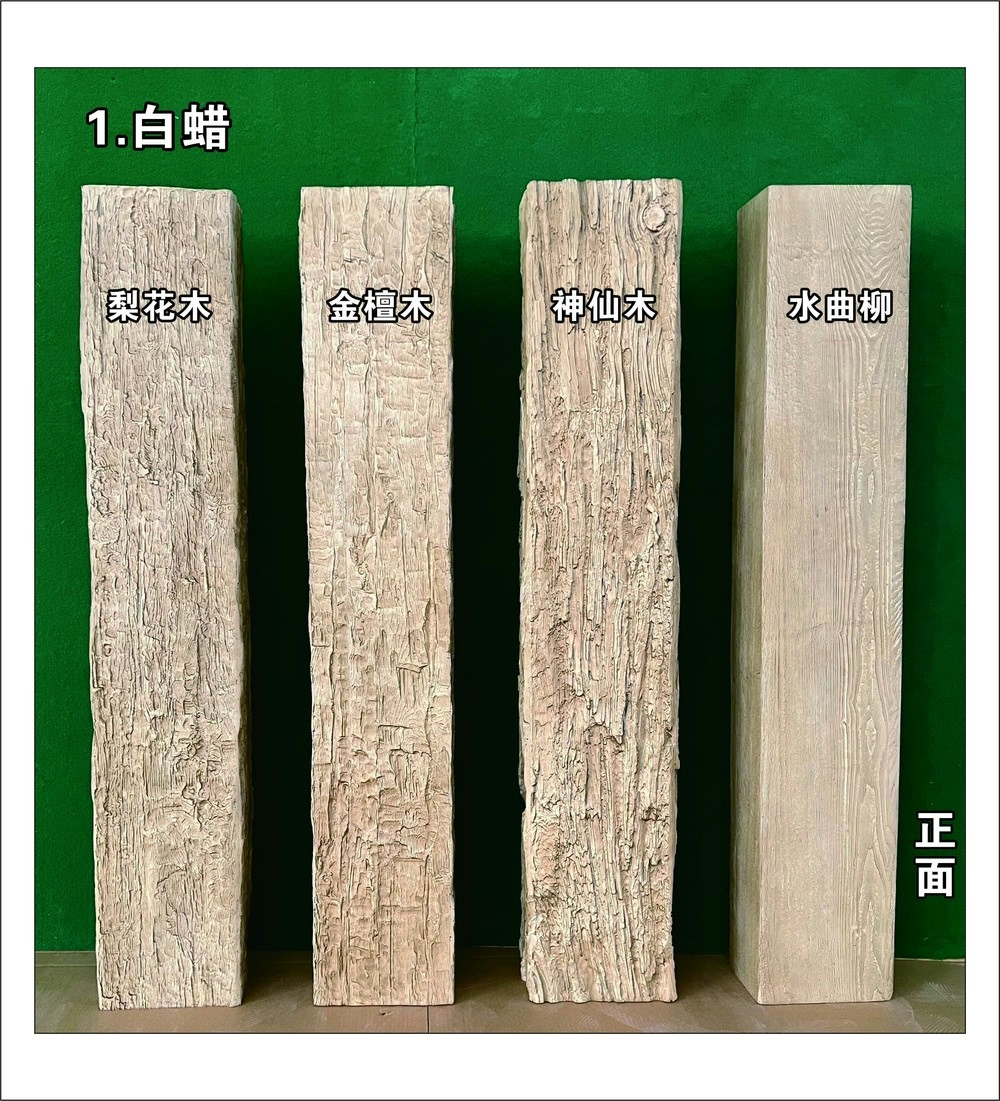
Light Interaction and Shadow Creation
Directional lighting reveals surface texture through the shadows that texture variations create. Low-angle lighting that grazes surfaces emphasizes even subtle relief, while overhead lighting tends to flatten apparent texture. Authentic appearance requires dimensional accuracy sufficient to create appropriate shadows under whatever lighting conditions installations will experience.
Specular highlights appear where light reflects directly from surface peaks, creating bright spots that draw attention to texture characteristics. The distribution of these highlights across grain patterns affects how observers perceive texture direction and intensity. Faux surfaces must create appropriate highlight patterns to achieve authentic lighting response.
Diffuse reflection from textured surfaces creates the soft, complex lighting that authentic wood presents. The scattered reflection results from countless tiny surface variations that each create their own highlight or shadow. Quality faux textures create sufficient variation to produce authentic diffuse reflection without the uniformity that simpler surfaces present.
Shadow depth relates directly to texture height variation, with deeper textures creating more dramatic shadow effects. The proportionality between texture amplitude and resulting shadow intensity must match authentic wood behavior to avoid appearing either exaggerated or insufficiently detailed. Reference evaluation under controlled lighting establishes appropriate relationships.
Quality Verification and Testing
Visual comparison under standardized lighting conditions enables texture quality assessment that casual observation might miss. Reference samples representing acceptable quality establish benchmarks against which production samples are evaluated. Any significant deviation from reference appearance triggers investigation and potential process adjustment.
Tactile comparison using trained evaluators identifies texture characteristics that visual inspection might not detect. These evaluators develop sensitivity to texture variations through extensive reference exposure, enabling them to detect subtle differences that compromise authenticity. Quality programs maintain reference panels that preserve texture standards for ongoing comparison.
Photographic documentation captures texture appearance for quality records and specification support. Standardized photography under controlled conditions creates reference images that enable consistent evaluation across time and evaluators. Digital analysis of these images can identify variations too subtle for visual detection.
Accelerated aging testing evaluates how texture characteristics change over simulated service life exposure. UV radiation, humidity cycling, and temperature variation all affect surface texture over time. Testing that predicts these changes enables warranty determination and specification guidance for different application contexts.
The Role of Texture in Design Success
Texture complexity contributes to the premium perception that observers associate with authentic wood materials. Rich, detailed texture creates visual interest that simple surfaces cannot match, adding perceived value to both authentic and faux materials when texture is well-executed. This texture value transfers to entire installations where textured beams contribute to overall design quality.
Design style compatibility requires matching texture characteristics to broader design intentions. Contemporary minimalist designs often benefit from subtler texture that does not compete with other design elements, while rustic farmhouse aesthetics require more prominent character. Specification should consider texture intensity alongside color, form, and other characteristics.
Lighting design coordination ensures that beam texture receives appropriate emphasis in completed installations. Fixture placement, output levels, and control systems all affect how texture appears in service. Collaboration between material specification and lighting design produces more successful results than either discipline alone.
Maintenance planning acknowledges that texture authenticity must persist throughout service life to justify initial investment. The cleaning protocols, repair procedures, and protection measures that preserve texture quality ensure that design intent survives daily use. Understanding texture maintenance requirements prevents disappointment from accelerated aging or damage.
Investment in Texture Quality
The manufacturing investment required for authentic texture appears in product pricing that distinguishes premium from economy alternatives. This pricing reflects real cost differences in scanning, mold-making, finishing, and quality verification that budget products skip or minimize. Premium pricing generally indicates appropriate manufacturing investment.
Specification quality matching ensures that project budgets support appropriate product selection. Under-specifying to reduce initial cost often produces disappointing results that require remediation or replacement. Comprehensive project budgets should support specification levels appropriate to design intent and client expectations.
Vendor capability assessment verifies that manufacturers can deliver the texture authenticity their products advertise. Portfolio review, sample evaluation, and reference contact provide evidence supporting specification confidence. Manufacturing facility visits offer additional insight for projects where quality is particularly critical.
Documentation retention preserves specification decisions and quality evidence for future reference. Product specifications, sample approvals, and installation records all support long-term maintenance and future replacement. This documentation investment pays dividends throughout the building's service life.

Technical References
ASTM standards cited in every specification
Test Data
Lab results from internal testing program
Updated 2026
Reviewed against current product specs