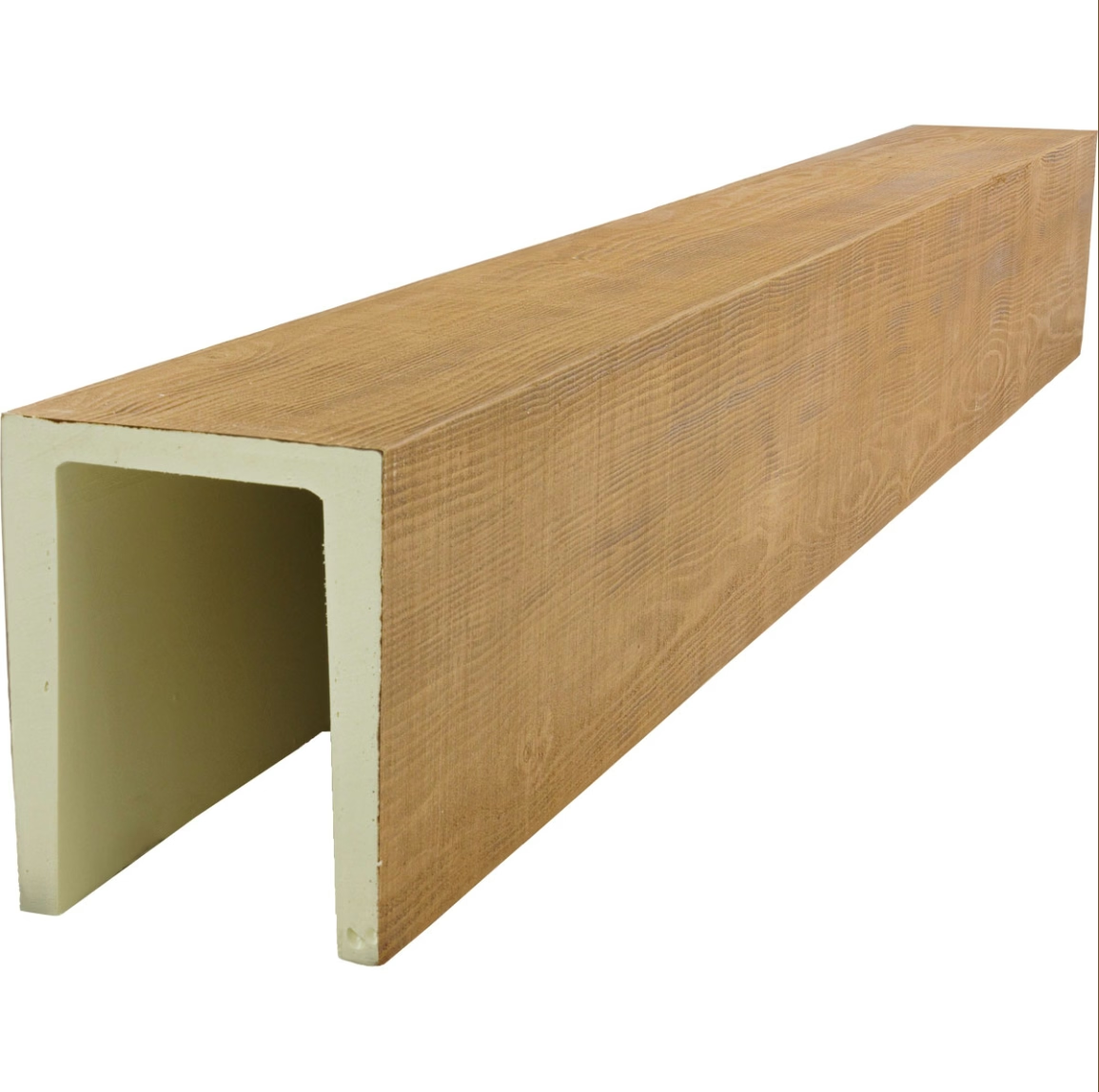
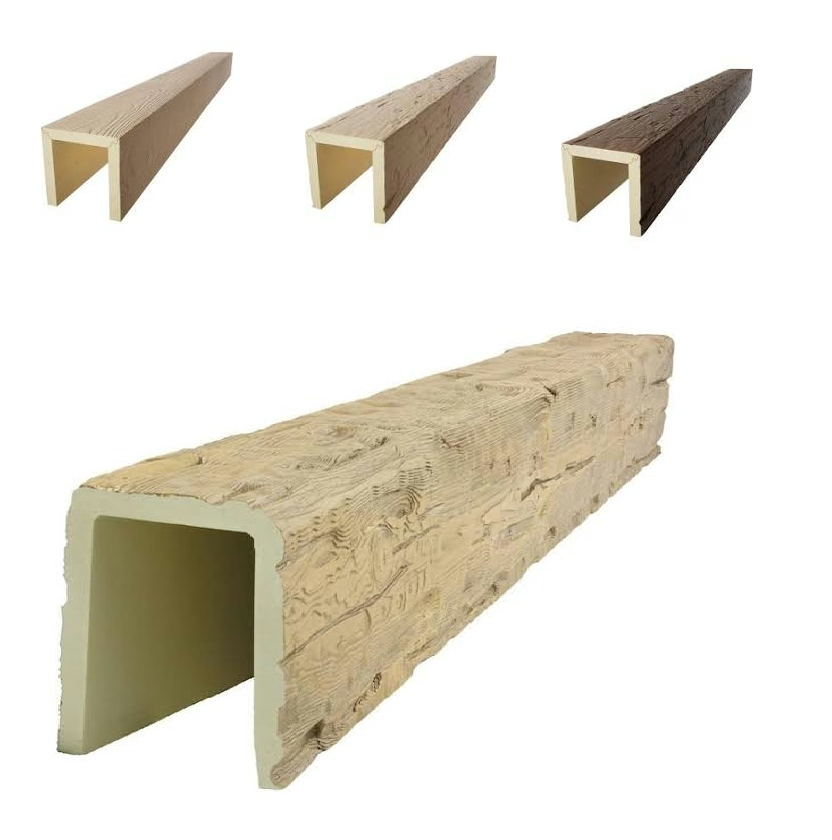
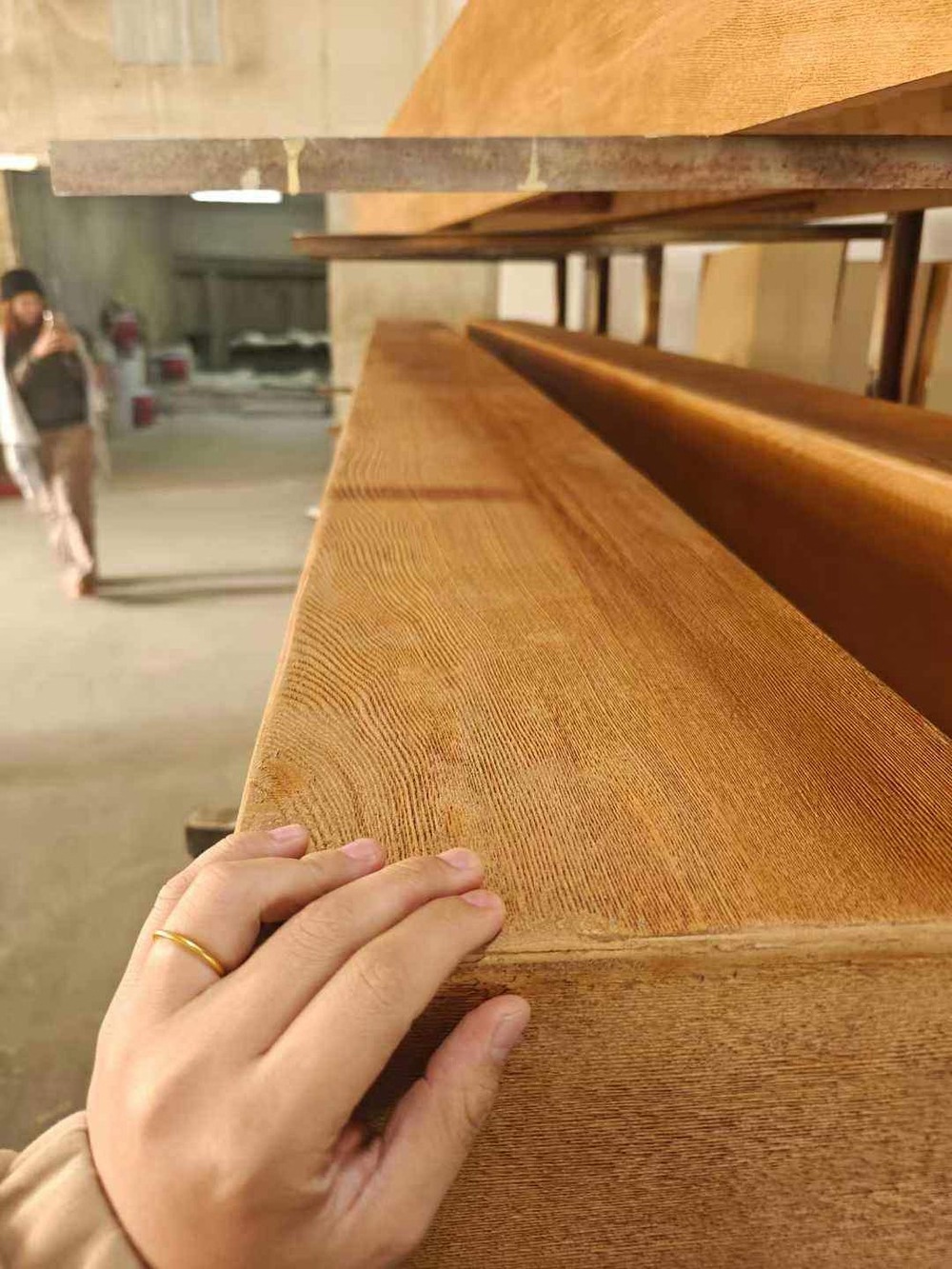
The density of polyurethane directly correlates with the performance characteristics that make these materials suitable for demanding applications. Low-density formulations provide cost-effective products for straightforward installations, while high-density alternatives deliver the durability, fastener holding, and dimensional stability that challenging applications require. Understanding density relationships enables specification that matches product capability to application requirements.
The Chen Convention Center project demonstrates what high-density performance enables in large-scale commercial applications. Their grand ballroom features dramatic exposed beam ceilings spanning forty feet that receive direct exposure from theatrical lighting while accommodating periodic heavy equipment movement for exhibit setup. The specified high-density beams have performed flawlessly through three years of demanding service, supporting the specification decision that prioritized performance over economy.
Understanding Polyurethane Density
Density measurement in polyurethane products expresses the mass per unit volume, typically reported in pounds per cubic foot or kilograms per cubic meter. This fundamental property affects numerous performance characteristics including compressive strength, impact resistance, fastener holding, and thermal insulation. Higher density generally correlates with improved performance across most characteristics, though other formulation factors also influence final properties.
Manufacturing processes determine achievable density ranges, with specialized equipment and controlled conditions enabling consistent high-density production. The chemical reactions that create polyurethane foam require careful management of temperature, pressure, and component ratios. Quality manufacturers maintain process control that ensures consistent density throughout production.
Formulation components including polyol selection, isocyanate type, and catalyst levels all influence final density and properties. The expertise required to optimize formulations for specific performance targets represents significant technical barrier separating premium manufacturers from budget competitors. This formulation knowledge enables products tailored to specific application requirements.
Cellular structure in foam products affects both density and properties, with closed-cell and open-cell structures presenting different characteristics. Closed-cell foam provides better moisture resistance and compressive strength, while open-cell structures offer better insulation value and workability. High-density products typically feature closed-cell structures optimized for durability.
Performance Advantages of High-Density Products
Compressive strength improvements in high-density formulations enable applications where beams must support loads or resist crushing forces. The ability to withstand concentrated loads without deformation proves valuable in commercial applications where furniture moving and equipment handling create demanding conditions. This load-bearing capability extends the range of applications that beams can address.
Impact resistance in high-density products provides protection against the accidental damage that commercial and residential applications present. The energy absorption characteristics that density provides prevent visible damage from impacts that lower-density products would not survive. This damage resistance maintains appearance despite the abuse that real-world use creates.
Dimensional stability under varying conditions distinguishes high-density products from alternatives. The reduced tendency toward expansion, contraction, or deformation ensures that installations maintain alignment and appearance despite environmental changes. This stability proves particularly valuable in exterior applications or interior spaces with variable conditions.
Fastener holding capacity increases with density, enabling secure attachment without the concerns that lower-density products might present. The ability to accept screws, nails, and brackets without risk of pull-out or fastener failure simplifies installation while ensuring long-term security. This holding capability also enables more robust attachment systems that enhance overall installation reliability.

Applications Requiring High-Density Performance
Commercial ceiling applications present elevated abuse potential that high-density products handle effectively. The combination of traffic, activity, and unpredictable contact creates conditions more demanding than typical residential applications. High-density specification ensures appearance maintenance despite the elevated abuse that commercial occupancy creates.
Industrial and warehouse conversions often feature exposed beam ceilings that maintenance equipment, racking systems, and material handling might contact. The durability that high-density products provide enables these industrial aesthetic choices without compromising practical functionality. The authentic wood appearance satisfies design goals while high-density performance addresses operational realities.
Educational facilities including schools, universities, and training centers face abuse from occupants whose behavior may include intentional or accidental ceiling contact. Gymnasiums, auditoriums, and common areas particularly challenge ceiling materials with elevated activity levels. High-density specification ensures that educational aesthetics do not compromise under use conditions.
Healthcare and hospitality environments present unique challenges including chemical exposure, frequent cleaning, and elevated traffic. The durability that high-density products provide ensures appearance maintenance despite these demanding conditions. The authentic wood aesthetics enhance healing and guest experience environments without the maintenance concerns that authentic timber would create.

Formulation Technology for Density Optimization
Polyol selection significantly influences achievable density and final properties, with different polyol types offering varied performance characteristics. The molecular weight, functionality, and chemical structure all affect how polyols interact with other formulation components. Premium manufacturers optimize polyol selection for specific density targets and performance requirements.
Isocyanate chemistry affects reaction kinetics, cell structure, and final properties in ways that density optimization must address. The selection between TDI, MDI, and other isocyanate options influences both processing characteristics and product performance. This formulation expertise distinguishes premium products from commodity alternatives.
Catalyst systems control reaction rates and cell formation, affecting both manufacturing efficiency and final product quality. The balance between processing window and product performance requires careful catalyst optimization. Premium manufacturers maintain catalyst expertise that enables consistent high-quality production.
Blowing agent technology has evolved significantly, with modern formulations using water, physical blowing agents, or combinations to achieve desired cell structures. The environmental and performance implications of blowing agent selection affect both product characteristics and sustainability profile. This technology development continues as industry responds to regulatory and market pressures.
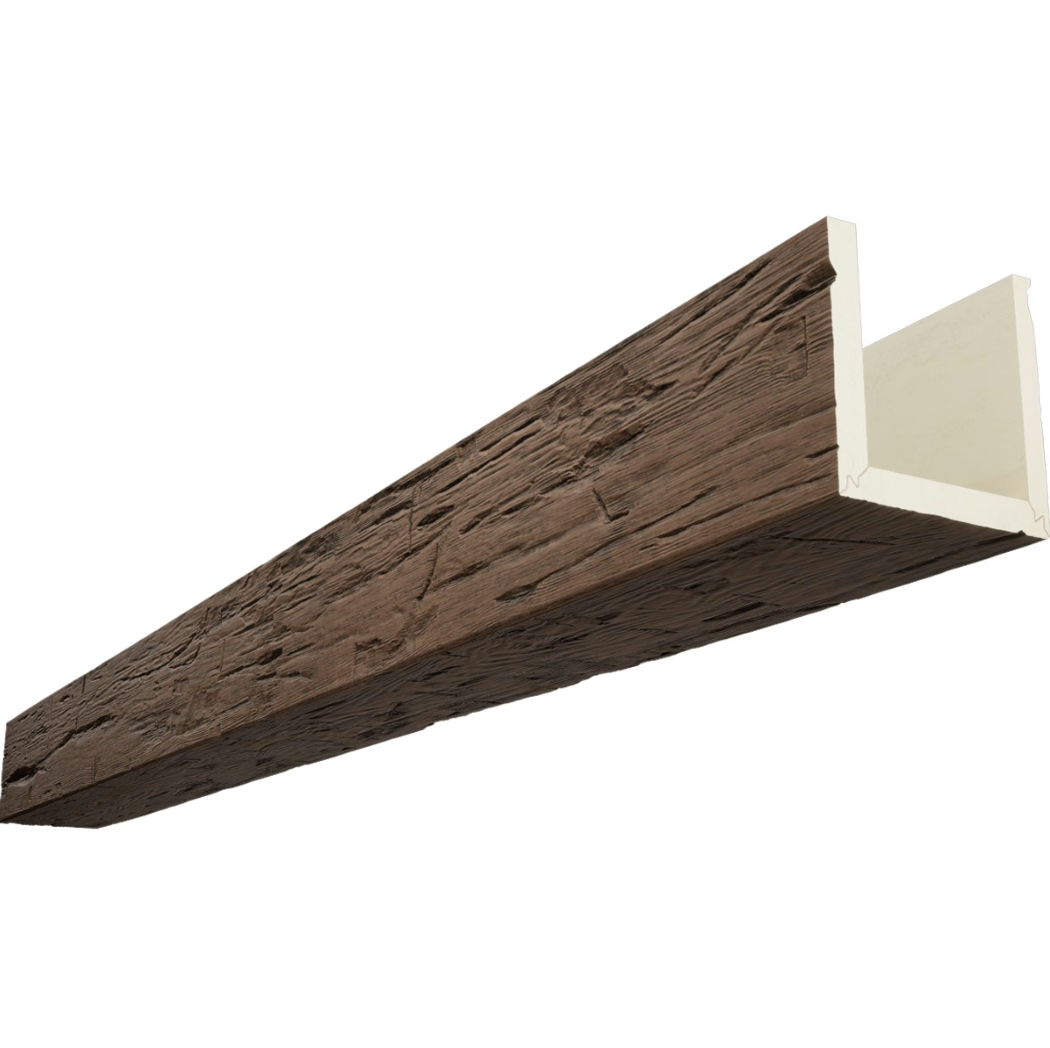
Installation Advantages of High-Density Products
Cutting and machining high-density products maintains clean edges and accurate dimensions that lower-density alternatives may not achieve. The structural integrity that density provides prevents the compression, tearing, or surface damage that machining can cause in less dense materials. This machining capability enables precise fitting and professional-quality joints.
Fastener acceptance in high-density products provides secure attachment without predrilling or special techniques. The material consistency that density provides ensures predictable fastener performance across entire beam surfaces. This fastener reliability simplifies installation while ensuring long-term security.
Adhesive bonding benefits from the surface characteristics that high-density products provide, with improved adhesion compared to lower-density alternatives. The bond strength that results from quality adhesive application creates installations that distribute loads effectively. This adhesive capability enables both mechanical-adhesive hybrid systems and fully bonded installations.
Handling characteristics during installation improve with density, as heavier products feel more substantial and respond more predictably to positioning and adjustment. The absence of compression or flexing that lower-density products might exhibit simplifies alignment and fastening. This handling advantage translates to faster, more accurate installation.
Quality Indicators and Specification Guidance
Density specification provides objective basis for product selection, with minimum density requirements ensuring adequate performance for intended applications. Manufacturer documentation should confirm achievable densities and the performance implications of different density levels. Specification should require density verification through testing.
Compression testing evaluates the load-bearing capacity that density provides, providing objective evidence of structural performance. Independent testing by certified laboratories verifies manufacturer claims and enables comparison between alternatives. The availability of compression test data indicates manufacturer confidence in product performance.
Fastener pull-out testing determines the holding capacity that products provide for common fastener types. This testing establishes specification limits for attachment systems and enables confident fastener selection. Quality manufacturers provide fastener holding data supporting their product specifications.
Warranty coverage reflects manufacturer confidence in product performance, with extended warranties suggesting greater durability expectations. Premium products typically carry longer warranty periods than economy alternatives, providing both protection and peace of mind. Warranty terms should factor into specification decisions.
Lifecycle Cost Analysis for High-Density Investment
Initial cost premium for high-density products reflects the additional material and manufacturing investment required for superior performance. This premium ranges from moderate for slightly elevated density to significant for premium high-density formulations. The premium magnitude should be evaluated against the performance benefits that high-density provides.
Maintenance cost reduction over service life often justifies initial premium through reduced cleaning frequency, simpler care requirements, and absence of refinishing needs. The durability that density provides translates to maintenance simplicity that economy products cannot match. This maintenance advantage accumulates throughout service life.
Replacement interval extension through enhanced durability reduces lifecycle cost by delaying the replacement expense that eventually occurs for all materials. High-density products typically provide longer service life than alternatives, reducing annualized replacement cost. The extended replacement interval improves lifecycle cost comparison.
Damage repair costs factor into lifecycle analysis when applications present elevated abuse potential. The impact resistance that high-density provides prevents damage that would require repair or replacement. This damage prevention reduces both repair expense and the disruption that repairs create.
Future Developments in High-Density Technology
Nano-reinforcement technology promises further density-related performance improvements through the incorporation of nanomaterials. Graphene, carbon nanotubes, and other nanoscale additives may enable products with dramatically enhanced properties. These technologies remain developmental but suggest significant future advancement.
Bio-based high-density formulations address sustainability concerns while potentially offering performance advantages. Plant-derived polyols may provide characteristics that petroleum alternatives cannot match, enabling products with improved environmental profiles. This development responds to both regulatory pressure and market demand for sustainable materials.
Composite technologies combining polyurethane with other materials may enable hybrid products with capabilities beyond pure polyurethane. Fiber reinforcement, mineral fillers, and other additives extend property ranges that single-material products cannot achieve. These composite approaches represent active development areas with significant commercial potential.
Manufacturing advances will continue improving achievable density ranges while reducing production cost and environmental impact. Process optimization, equipment improvement, and quality control advancement all contribute to manufacturing evolution. These developments will further improve the value proposition that high-density products represent.

Technical References
ASTM standards cited in every specification
Test Data
Lab results from internal testing program
Updated 2026
Reviewed against current product specs