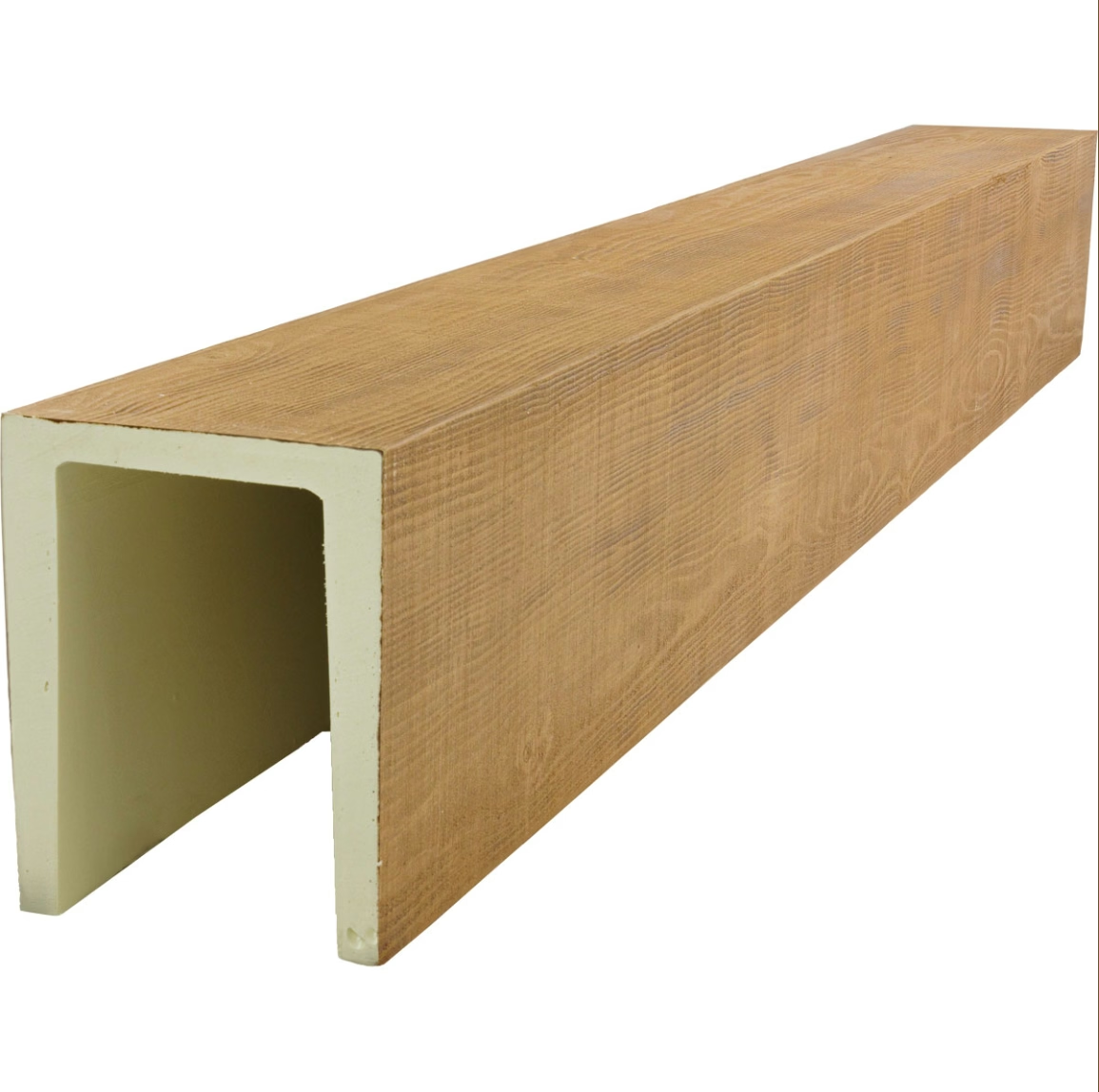
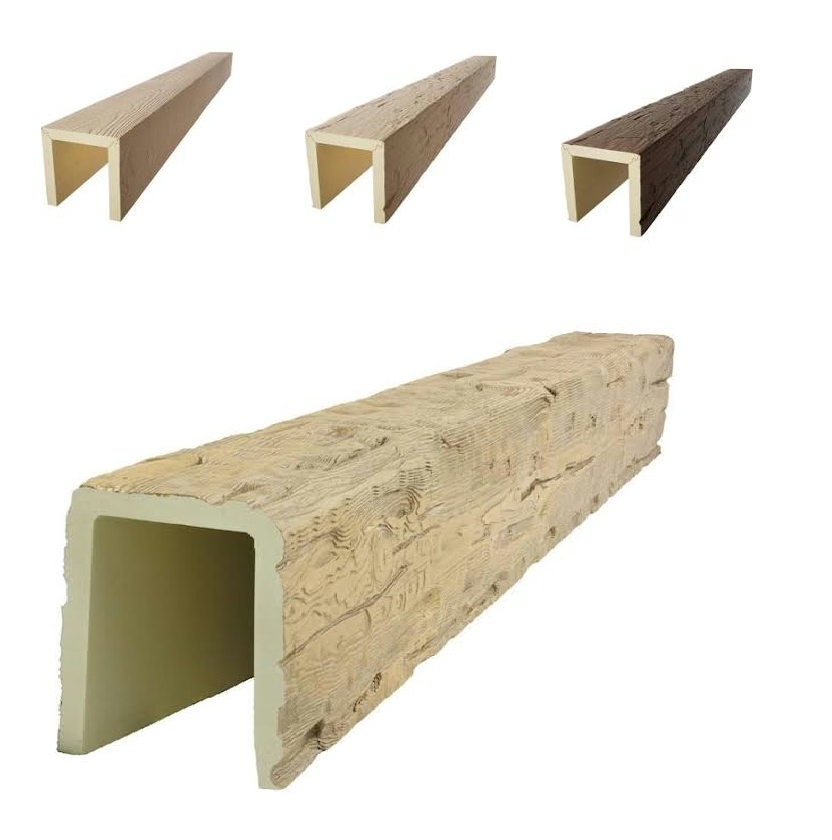
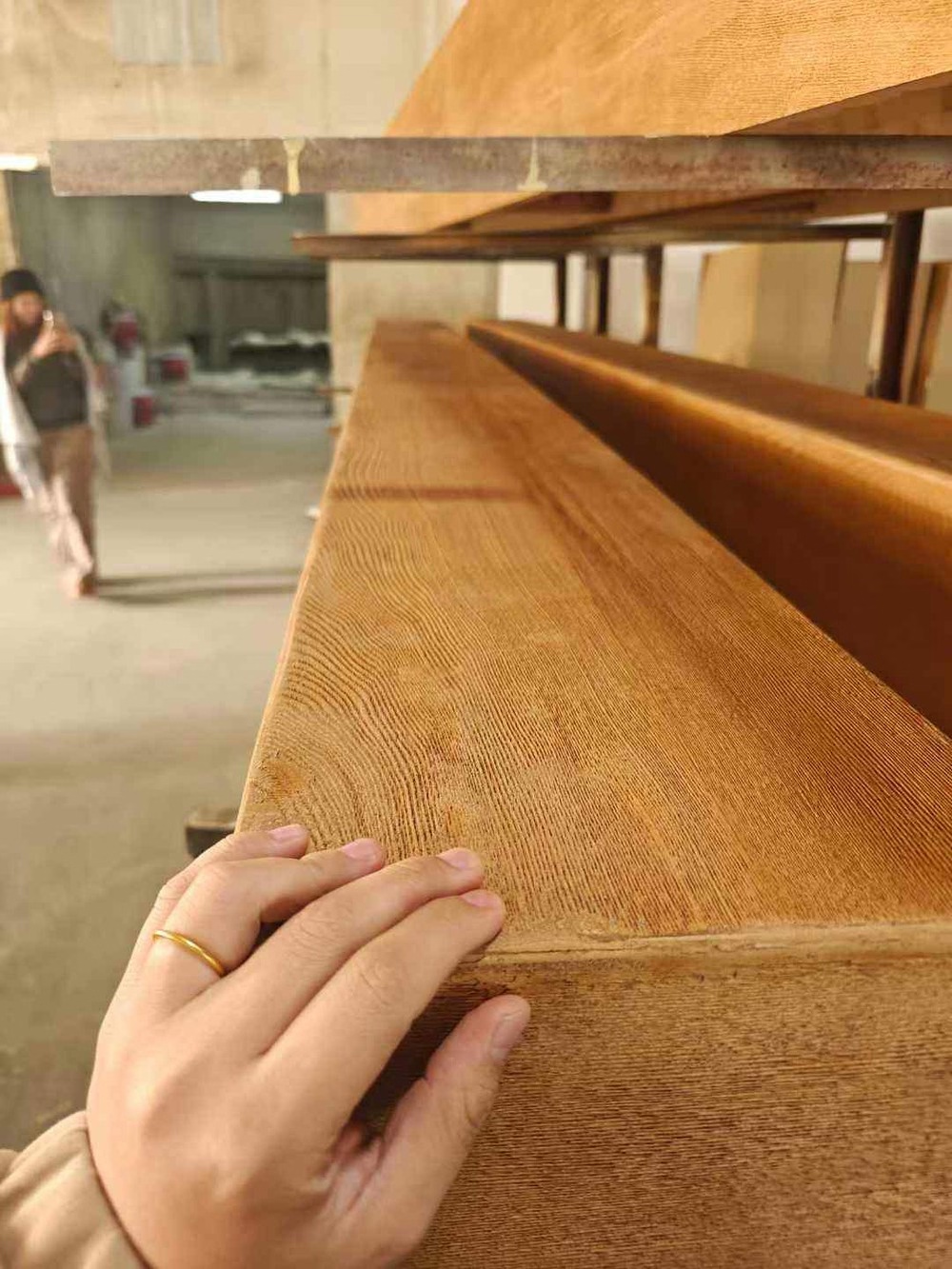
The perception of polyurethane products as lightweight and somewhat delicate persisted for years after early formulations entered the market. Initial applications emphasized non-structural uses where the material's advantages in weight and workability could be exploited without testing its physical limits. As manufacturing processes matured and compound formulations improved, however, the performance envelope expanded dramatically. Modern ultra-rigid PU resin formulations now deliver the strength characteristics necessary for applications that would have seemed impossible for synthetic materials not long ago, while maintaining the authentic wood-imitation aesthetics that drive their appeal.
Engineering Behind Rigid Performance
Achieving high rigidity in polyurethane requires careful attention to multiple formulation variables during manufacturing. The chemical composition of base compounds, the catalysts controlling reaction rates, and the fillers and reinforcing agents added during processing all influence final stiffness characteristics. Manufacturers pursuing maximum rigidity often utilize proprietary compound combinations developed through extensive research and testing programs.
The molecular structure of properly formulated polyurethane creates interlocking chains that resist deformation under load. Unlike thermoplastics that soften when heated, quality thermoset PU maintains its stiffness across normal environmental temperature ranges. This thermal stability proves essential for applications involving sun exposure or temperature-variable environments like covered porches and pool enclosures.
Additive technologies contribute additional rigidity without proportionally increasing weight. Glass fiber reinforcements, mineral fillers, and specialized impact modifiers can be incorporated to enhance specific performance characteristics. The resulting composite materials achieve property combinations that would be impossible with conventional plastics, approaching the stiffness of some wood species while retaining the processing advantages of synthetic materials.
Structural Applications and Load Considerations
The evolution toward higher rigidity has opened applications that earlier PU formulations simply could not address credibly. While faux wood beams remain primarily decorative rather than structural in most residential applications, the rigid formulations now available enable some genuinely load-bearing functions. Supporting ceiling fans, light fixtures, and similar suspended elements no longer requires separate support structures running to building framing—the beams themselves can bear these loads when properly mounted.
Exterior applications particularly benefit from rigid formulations. Wind loading, thermal cycling, and UV exposure all impose stresses that earlier products handled poorly. Modern ultra-rigid beams maintain their dimensions and appearance despite these environmental challenges, enabling outdoor installations that genuinely emulate natural timber aesthetics without the weathering complications that plague authentic wood in exterior contexts.
The measurement and communication of load capacity has become standardized across reputable manufacturers. Technical data sheets specify maximum load ratings, mounting requirements, and appropriate applications based on engineering analysis. Designers and installers who utilize this information appropriately can specify and install beams with confidence regarding their performance under expected conditions.
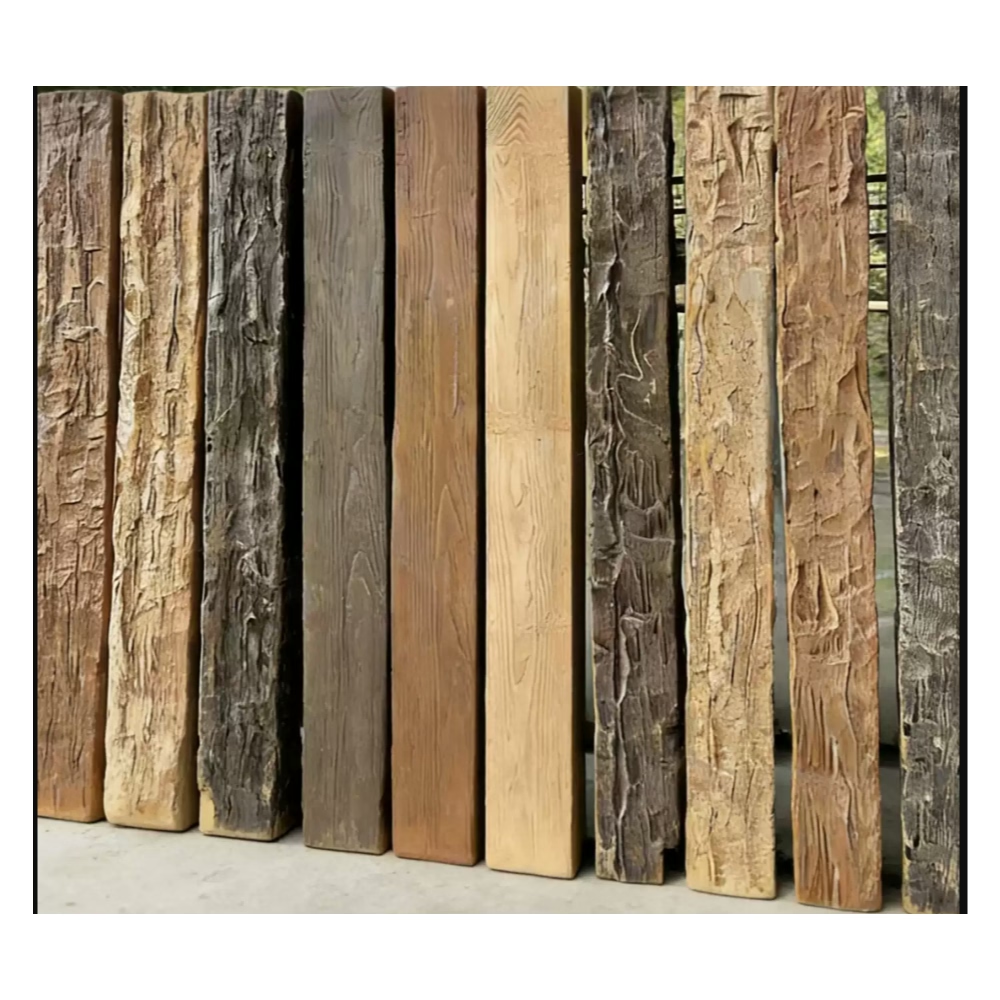
Aesthetic Qualities in Rigid Formulations
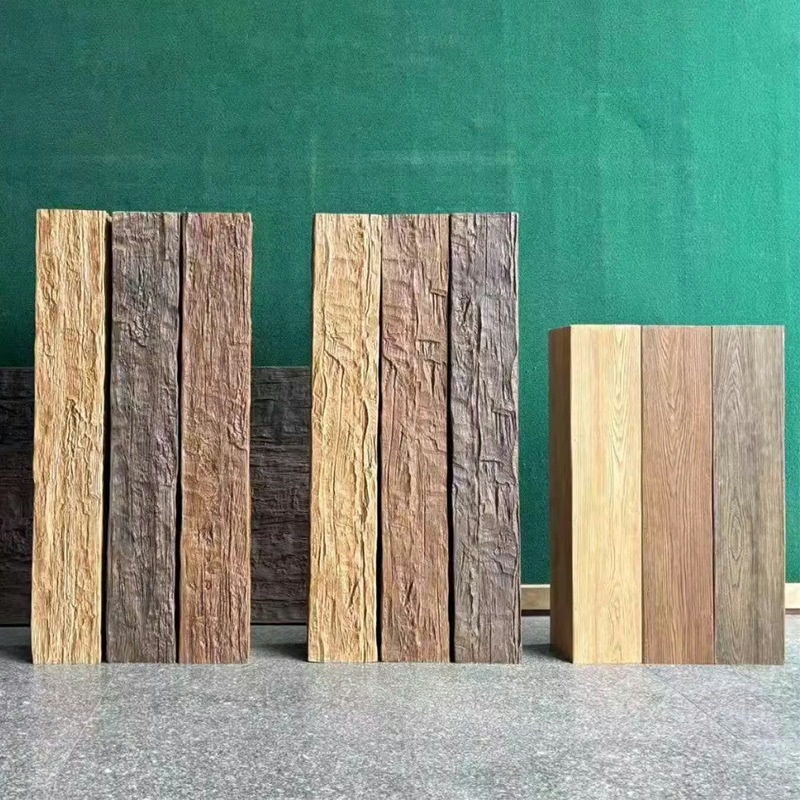
The pursuit of rigidity does not require sacrificing the authentic wood appearance that makes these products attractive. Quality manufacturers have learned to incorporate reinforcing technologies without compromising surface aesthetics, maintaining the fine detail reproduction and natural colorations that characterize their less-rigid offerings. The grain textures, color variations, and tactile qualities that communicate authenticity remain intact in rigid formulations.
Surface hardness in particular has improved with modern compounds. Early PU beams could be marked or dented relatively easily, compromising appearance in high-traffic situations or during installation. Current formulations resist impact damage better while maintaining the slight surface elasticity that prevents catastrophic fracture. This combination of surface durability and overall rigidity creates products appropriate for demanding environments that would quickly degrade lesser materials.
The visual weight that rigid beams communicate differs subtly from lighter formulations. The slightly denser feel and absence of any flexing under handling communicates substance and permanence. For applications where beams are meant to convey structural seriousness rather than merely decorative interest, these perceptions matter. Rigid formulations satisfy the expectations of viewers who understand what genuine heavy timber looks like and expect comparable solidity from any material claiming to imitate it.

Installation Considerations for Rigid Systems
Working with ultra-rigid materials requires some adjustment from installation practices developed for lighter alternatives. The reduced flexibility means that beams cannot be forced into positions that require bending to accommodate variations in mounting surfaces. Measurement precision becomes more critical, and on-site modifications require appropriate tools and techniques that account for the material's hardness.
Fastening methods must accommodate the specific properties of rigid PU. While the material accepts screws and nails, the holding strength differs from wood, requiring appropriate fastener selection and spacing. Manufacturers provide detailed guidelines regarding appropriate hardware, pilot hole requirements, and load ratings for various attachment configurations. Following these specifications ensures secure installations that perform reliably over time.
Support spacing calculations for rigid beams consider both the beam's own weight and any additional loads it will bear. While rigid formulations handle span distances better than lighter alternatives, excessive spans can still result in unacceptable deflection or stress concentrations. Working within manufacturer-recommended limits and consulting technical support for unusual configurations helps avoid problems in challenging applications.
Durability and Service Life Expectations
The enhanced physical properties of ultra-rigid formulations translate directly into improved service life compared to earlier PU products. Resistance to impact damage, dimensional stability under environmental stress, and surface durability all contribute to installations that maintain their appearance and function over extended periods. Quality products from established manufacturers routinely provide service lives measured in decades under normal conditions.
UV exposure represents the primary long-term challenge for exterior applications. While modern formulations incorporate UV stabilizers that extend color retention significantly, some gradual fading occurs over years of sun exposure. For exterior installations, periodic inspection and potential refinishing may eventually become appropriate. However, the timeline for these interventions typically extends far beyond what natural wood would require in comparable exposure conditions.
Moisture resistance in rigid formulations eliminates the biological degradation concerns that affect natural wood. No rot, mold, or insect activity can compromise structural integrity because the material provides no organic material these organisms require. This characteristic proves particularly valuable in humid climates, near water features, or in any application where moisture exposure might challenge wood alternatives.
Industry Applications and Use Cases
Commercial installations have embraced ultra-rigid PU beams for applications where durability and appearance must both satisfy demanding requirements. Restaurant and hospitality venues subject their decorative elements to heavy use, frequent cleaning, and constant public observation. Rigid faux beams perform reliably in these environments, maintaining designed aesthetics despite the challenging conditions.
Retail environments similarly benefit from the combination of authentic appearance and practical durability. Store designs often incorporate ceiling beams as design elements, and these features must withstand not only customer traffic but also periodic reconfiguration and updating. The workability of PU—cutting, drilling, finishing—supports these requirements better than genuine timber alternatives.
Residential applications range from casual decorative installations to more demanding functional uses. Homeowners installing beams in living areas appreciate the authentic aesthetics without accepting wood's maintenance requirements. Those utilizing beams for more functional purposes—supporting fans, creating room divisions, defining spaces—depend on the rigidity that enables these applications safely.
Technical References
ASTM standards cited in every specification
Test Data
Lab results from internal testing program
Updated 2026
Reviewed against current product specs