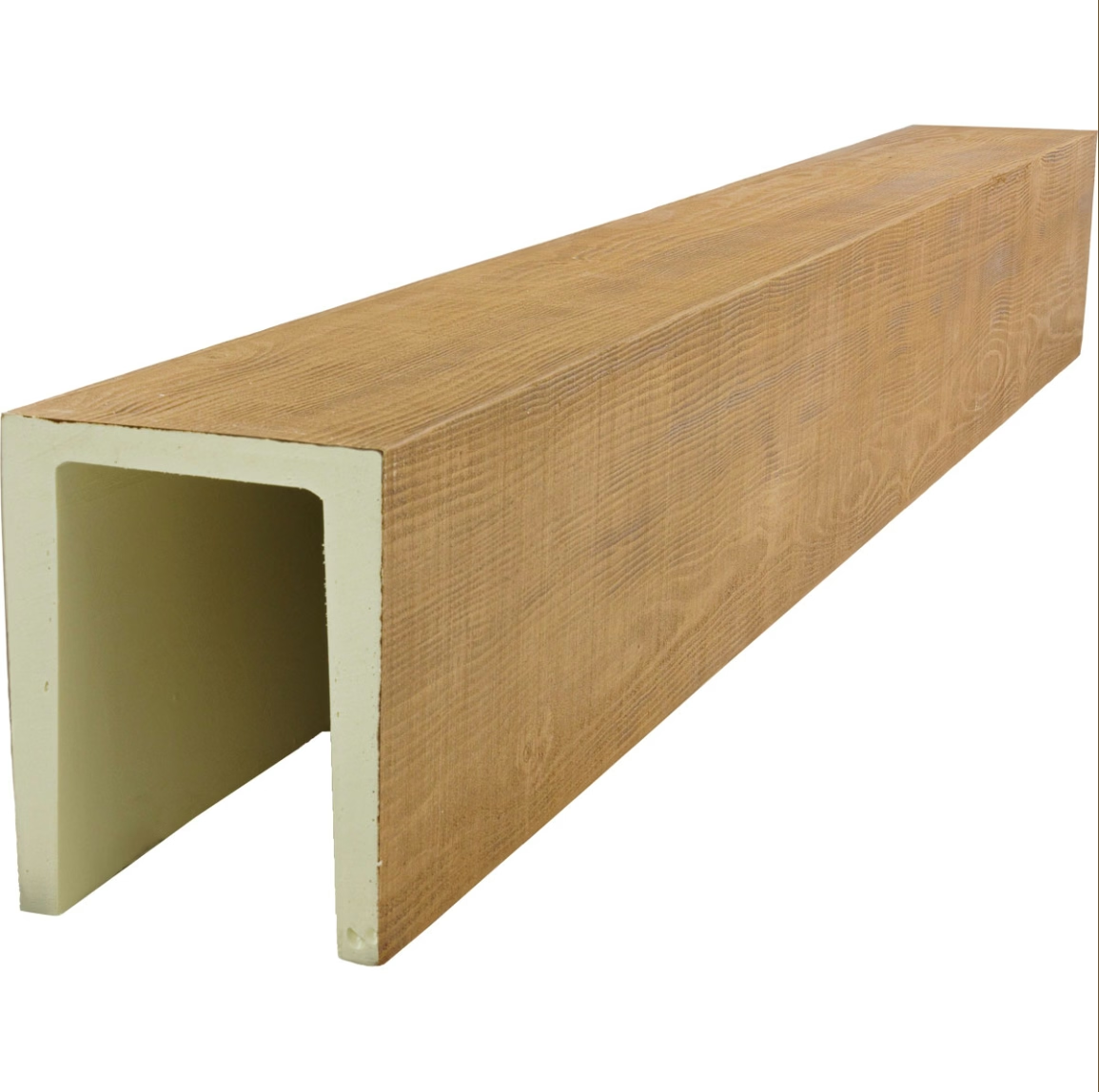
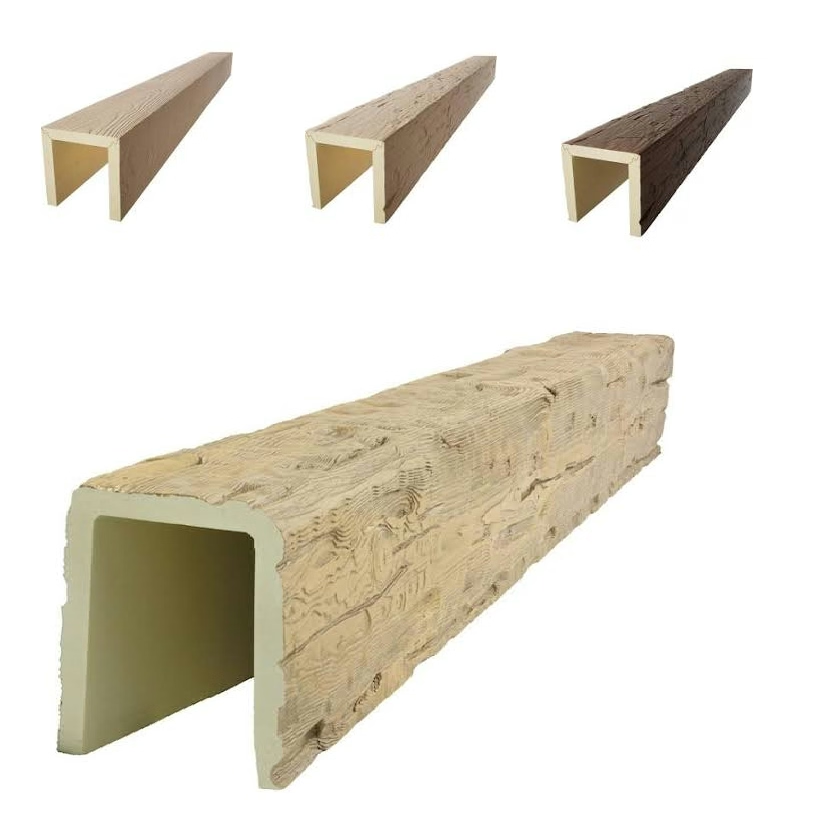
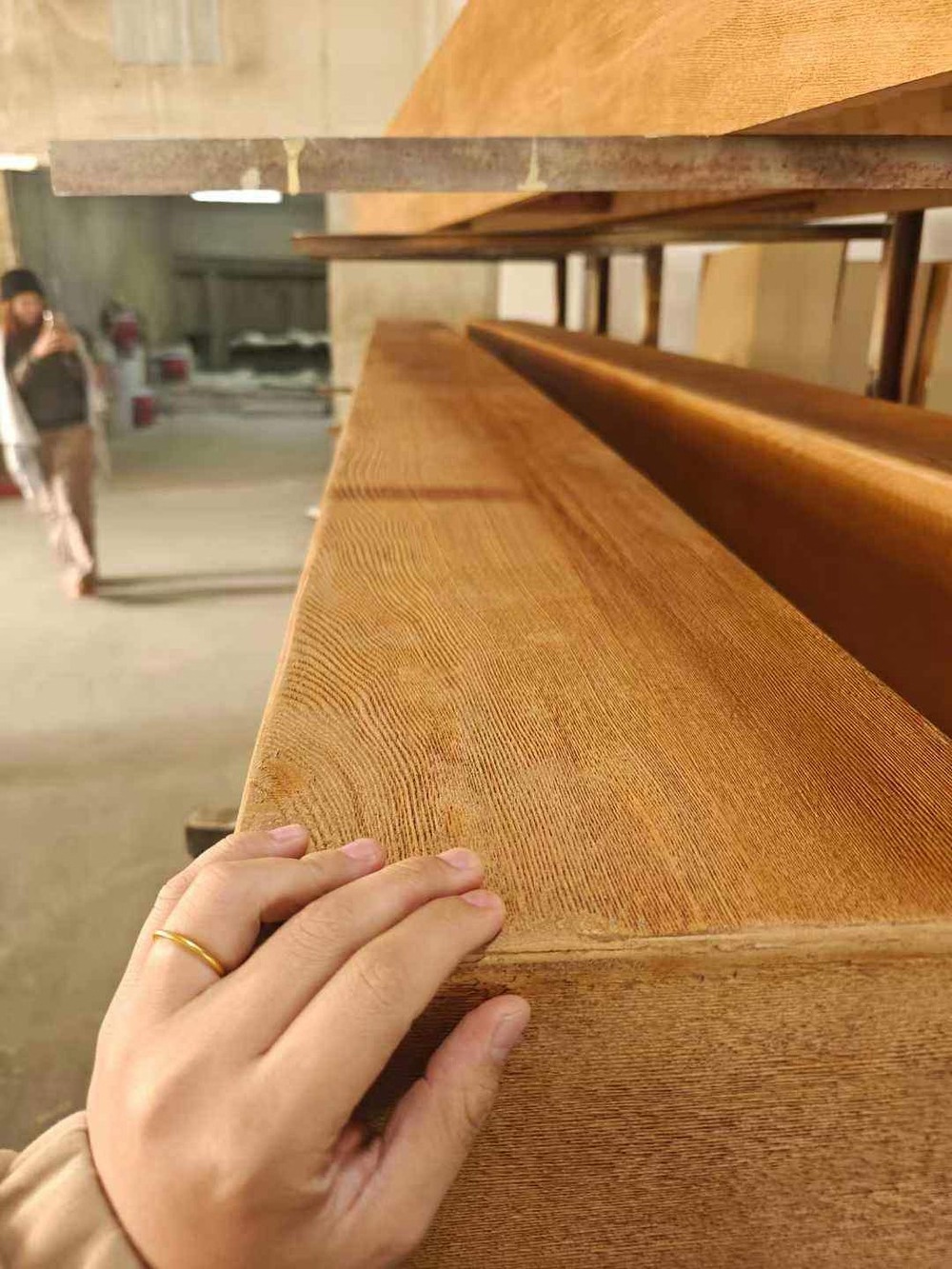
Sustainability has evolved from niche concern to mainstream requirement across construction and interior design industries. Both residential and commercial projects increasingly specify materials that minimize environmental impact while meeting demanding performance standards. This shift reflects genuine commitment from consumers, designers, and builders who recognize that material choices carry consequences beyond immediate functional performance. Faux wood beams occupy a promising position in this landscape, offering environmental advantages over genuine timber while providing the aesthetic qualities that make wood-appearing materials desirable. Understanding how certification standards work helps specifiers make informed choices that satisfy both environmental commitments and project requirements.
The environmental case for faux wood beams versus genuine timber involves multiple factors that certification standards address systematically. Resource consumption, manufacturing emissions, transportation impacts, and end-of-life disposition all contribute to overall environmental footprint. Certification systems evaluate these factors comprehensively, enabling meaningful comparison between material options.
Understanding Environmental Certification
Environmental certification systems evaluate products against established standards that define acceptable environmental performance. These systems provide third-party verification that claims manufacturers make about their products.
US certification standards operate primarily through organizations like the International ASTM International and the US Green Building Council's LEED rating system. While not all faux wood beams pursue formal certification, products meeting relevant standards can contribute to LEED credits and similar green building programs. Understanding which standards apply helps specifiers identify compliant products.
European Union standards operate through the CE marking system and specific environmental designations like EN 15804 for construction products. These standards evaluate life cycle assessment data, recycled content, and end-of-life recyclability. Products meeting EU standards satisfy requirements for European market specifications and international projects seeking EU compliance.
Third-party verification distinguishes certified products from self-certified claims. Organizations conducting verification testing maintain independence from manufacturers, ensuring that certifications reflect genuine compliance rather than marketing assertions. Specifiers should verify certification validity rather than accepting claims at face value.
Environmental Advantages of Faux Wood
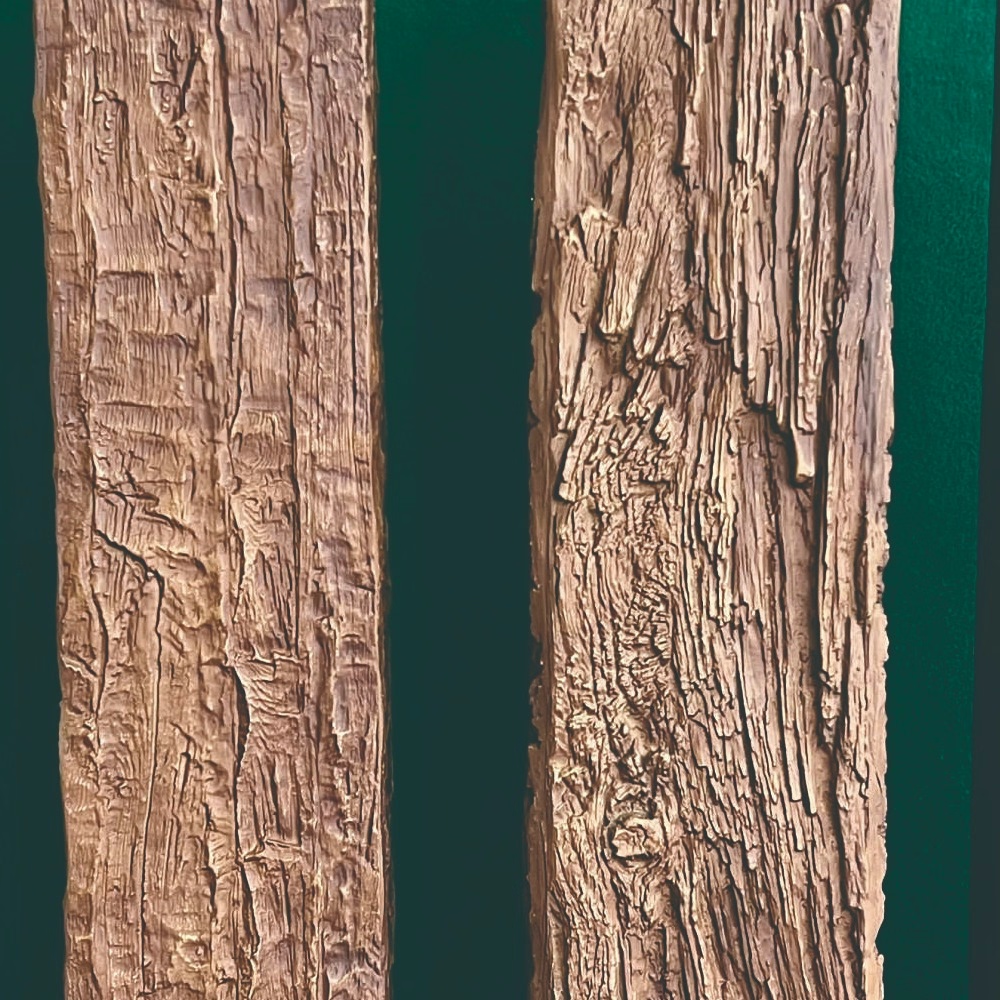
Faux wood beams offer environmental advantages over genuine timber that certification systems quantify and recognize.
Resource efficiency starts with manufacturing efficiency that faux production achieves. Polyurethane beam manufacturing produces minimal waste compared to timber milling, which generates substantial byproducts even when mills operate efficiently. The precision of molded production ensures consistent quality without the material loss that timber defects sometimes cause.
Transportation efficiency follows from the lightweight nature of polyurethane beams. Lighter products require less fuel to transport, reducing the carbon footprint associated with distribution. For international shipments, where transportation distances multiply, this advantage becomes significant.
Longevity advantages affect environmental impact over product lifetimes. Genuine timber requires maintenance interventions—staining, sealing, repair—that consume additional materials and labor throughout their service life. Polyurethane beams typically require no maintenance beyond occasional cleaning, reducing lifetime resource consumption substantially.
End-of-life considerations increasingly influence material selection. While polyurethane recycling infrastructure remains limited in some regions, the long service life of quality beams means that disposal remains distant concern. When beams eventually require replacement, responsible disposal options exist in areas with appropriate facilities.
Manufacturing Standards Compliance
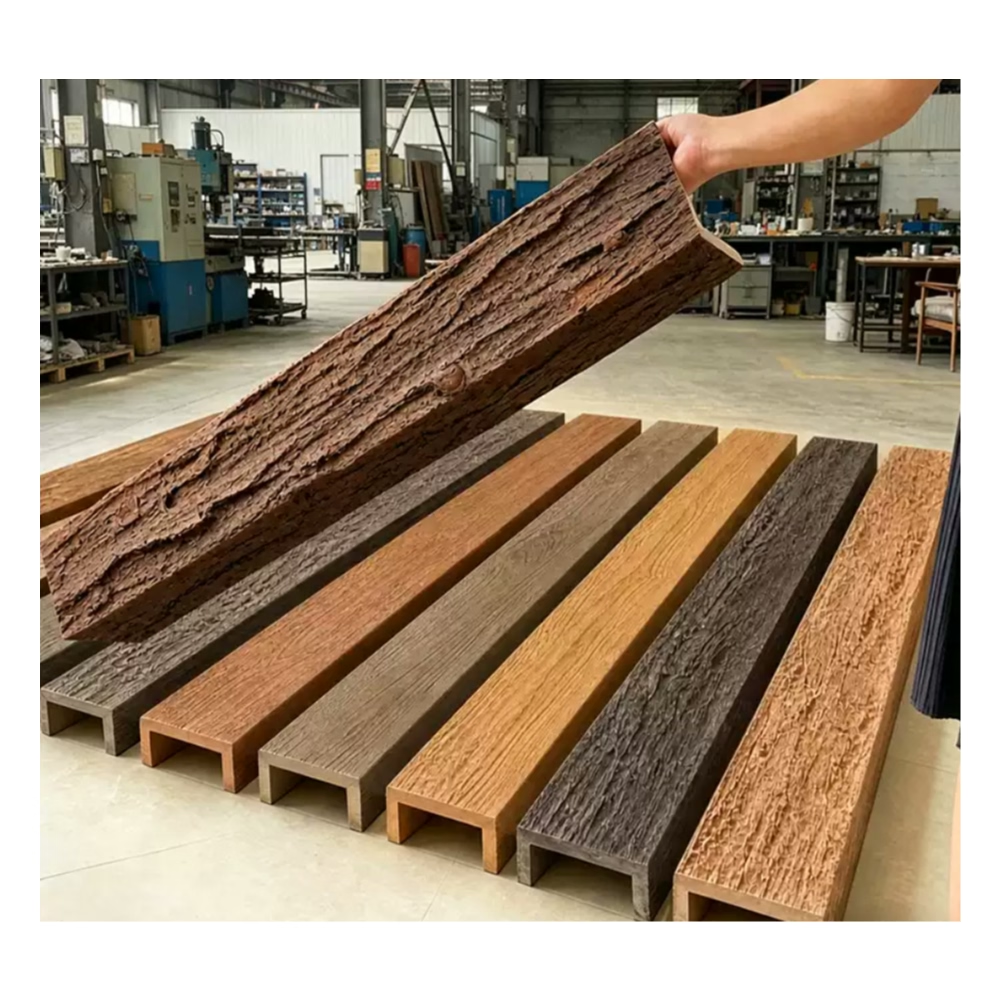
Manufacturing compliance with environmental standards involves specific practices that responsible producers implement.
VOC emissions control ensures that manufacturing processes don't release excessive volatile organic compounds into the atmosphere. Modern polyurethane formulations have reduced VOC content compared to older products, and quality manufacturers further limit emissions through production controls and emission treatment systems.
Recycled content specifications identify products incorporating recycled materials in their composition. Some polyurethane formulations include recycled content from post-industrial or post-consumer sources, reducing virgin material requirements. Products with documented recycled content can qualify for additional certification credits.
Energy consumption reporting documents manufacturing energy use, enabling life cycle assessment that environmental standards require. Manufacturers with energy efficiency programs and renewable energy procurement can demonstrate reduced carbon intensity that contributes to favorable environmental ratings.
Water stewardship addresses manufacturing water consumption and wastewater management. Facilities implementing water conservation and treatment programs demonstrate environmental responsibility that certification systems recognize.
Green Building Program Integration
Faux wood beams can contribute to green building certification programs that influence material selection for many projects.
LEED (Leadership in Energy and Environmental Design) certification from the US Green Building Council awards credits for material choices meeting specific criteria. Products with environmental product declarations, low VOC emissions, and regional sourcing can contribute points that projects need for certification. Faux wood beams meeting relevant criteria support LEED certification goals.
BREEAM (Building Research Establishment Environmental Assessment Method) serves as the leading European green building standard, with increasing adoption internationally. Products meeting BREEAM requirements contribute to building certification under this system. European-certified faux wood beams satisfy BREEAM material criteria.
WELL Building Standard focuses on occupant health and wellbeing rather than purely environmental metrics. Low-VOC faux wood beams contribute to indoor air quality requirements that WELL certification emphasizes. This human health focus complements environmental standards that focus on resource and ecosystem impacts.
Living Building Challenge represents the most demanding sustainable building standard, requiring products to meet rigorous requirements across multiple categories. Products achieving Living Building Challenge compliance represent the highest level of environmental performance currently recognized.
Supply Chain Transparency
Environmental certification increasingly requires supply chain transparency that documents material origins and processing.
Raw material sourcing documentation traces polyurethane components back to their origins, identifying any controversial sources. Responsible manufacturers avoid materials linked to deforestation, habitat destruction, or other environmental harms, documenting their supply chains to demonstrate this commitment.
Manufacturing location disclosure identifies where production occurs, enabling assessment of transportation distances and local environmental regulations. Products manufactured near markets reduce transportation impacts while often operating under stricter environmental regulations than some alternative production locations.
Labor practices documentation addresses social sustainability alongside environmental metrics. Responsible manufacturers ensure fair labor practices throughout their operations, avoiding the exploitation that characterizes some global manufacturing.
Continuous improvement commitments demonstrate that manufacturers aren't merely meeting current standards but progressing toward better performance. Organizations with environmental improvement programs show genuine commitment beyond compliance minimums.
Consumer and Commercial Benefits
Environmental certification provides benefits beyond ethical satisfaction for both residential consumers and commercial specifiers.
Health benefits follow from low-VOC emissions that certified products provide. Indoor air quality affects occupant health measurably, and materials contributing low pollutant loads create healthier indoor environments. This benefit proves particularly valuable in residential applications where families spend extensive time.
Value retention through environmental certification helps maintain property values as green building features increasingly influence market perception. Homes and buildings with documented sustainable features command premiums in markets where buyers prioritize environmental responsibility.
Compliance assurance simplifies specification for commercial projects where building codes or organizational policies require sustainable materials. Certified products provide documentation that satisfies compliance requirements without extensive research or vendor qualification processes.
Marketing advantages follow from environmental certification that enables differentiation in crowded markets. Products with recognized certifications stand out from alternatives lacking documented environmental performance, supporting premium positioning that justifies quality pricing.
Selecting Certified Products
Identifying and selecting certified faux wood beams requires attention to verification and documentation.
Certification marks identify products meeting specific standards, appearing on product labels, marketing materials, and manufacturer documentation. Common marks include Cradle to Cradle certification, GREENGUARD certification for low emissions, and various regional environmental designations. Understanding which marks represent meaningful certification helps avoid confusion with less rigorous claims.
Documentation availability allows verification of certification claims before purchase. Responsible manufacturers provide certificates, testing reports, and environmental product declarations that document compliance. Products without accessible documentation may lack genuine certification despite marketing language suggesting otherwise.
Third-party verification through recognized testing laboratories confirms that products meet standards claimed. Organizations like UL Environment, Intertek, and similar bodies conduct testing that independent certification requires. Verification through these organizations provides confidence that certification reflects genuine compliance.
Geographic market coverage varies among certification systems. Products certified for US markets might not satisfy EU requirements and vice versa. Projects seeking international certification should verify that selected products meet applicable regional standards.
Future Environmental Standards
Environmental standards continue evolving toward more demanding requirements that will shape future product development.
Circular economy requirements increasingly emphasize end-of-life considerations that current standards address less completely. Future certifications may require documented recyclability, take-back programs, or recycled content minimums that push manufacturers toward more sustainable formulations.
Carbon footprint accounting is becoming more rigorous, with scope 3 emissions accounting expanding manufacturer responsibility across supply chains. Future standards may require carbon neutrality or maximum carbon intensity limits that current products don't meet.
Regenerative materials standards go beyond minimizing harm toward actively improving environmental conditions. Products contributing to regeneration—through carbon sequestration, habitat support, or ecosystem restoration—may earn certification recognition that sustainable but neutral products cannot achieve.
Blockchain verification for supply chains may eventually enable comprehensive tracing that current documentation cannot provide. This technology could transform certification from periodic audit to continuous verification, ensuring ongoing compliance rather than point-in-time certification.
Technical References
ASTM standards cited in every specification
Test Data
Lab results from internal testing program
Updated 2026
Reviewed against current product specs