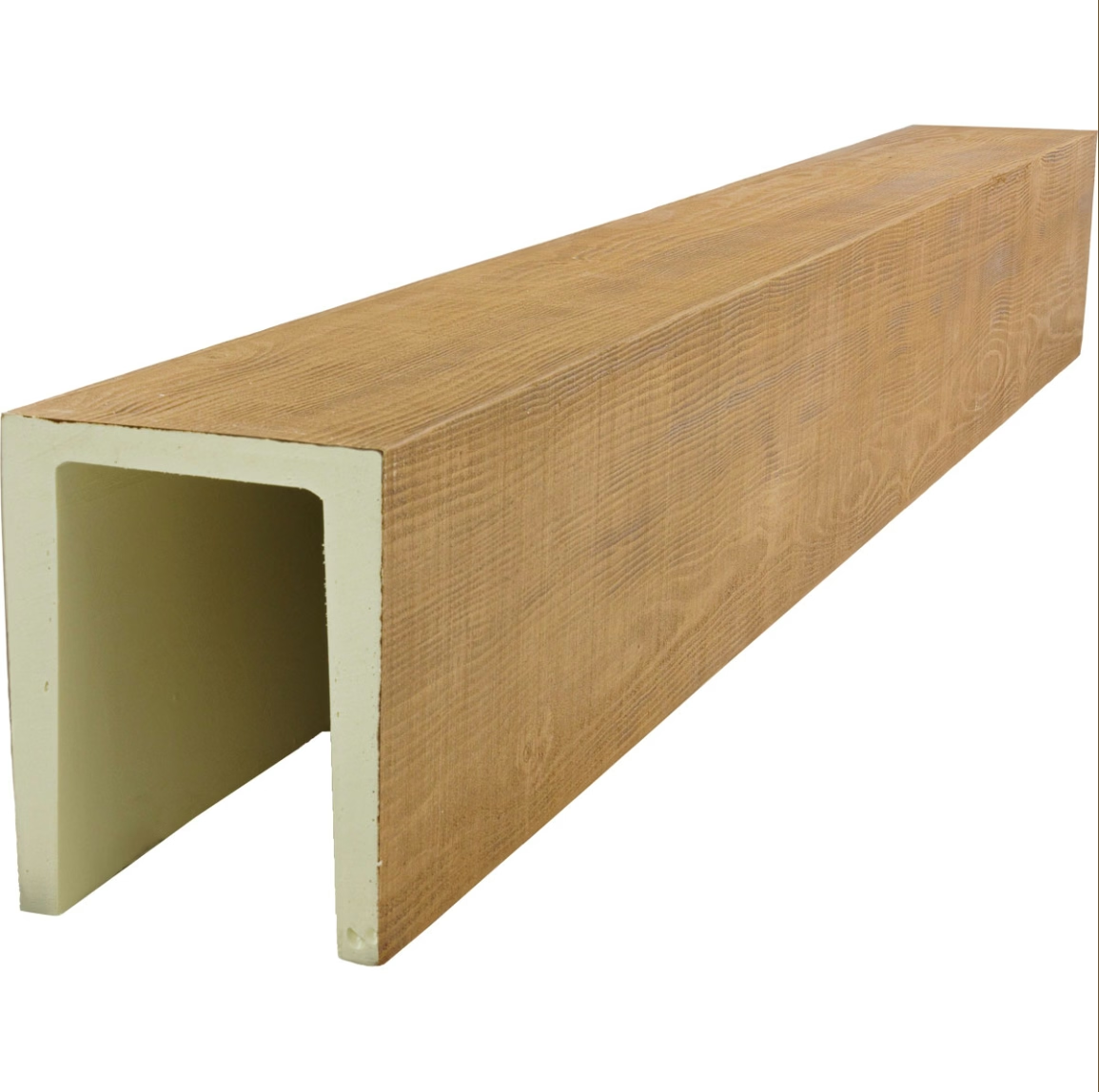
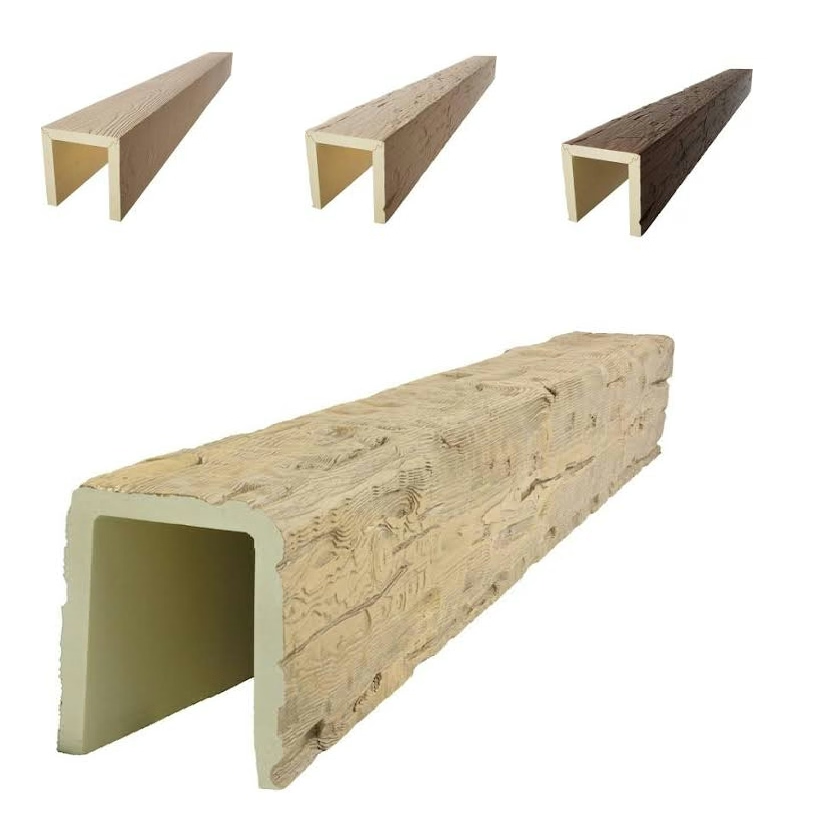
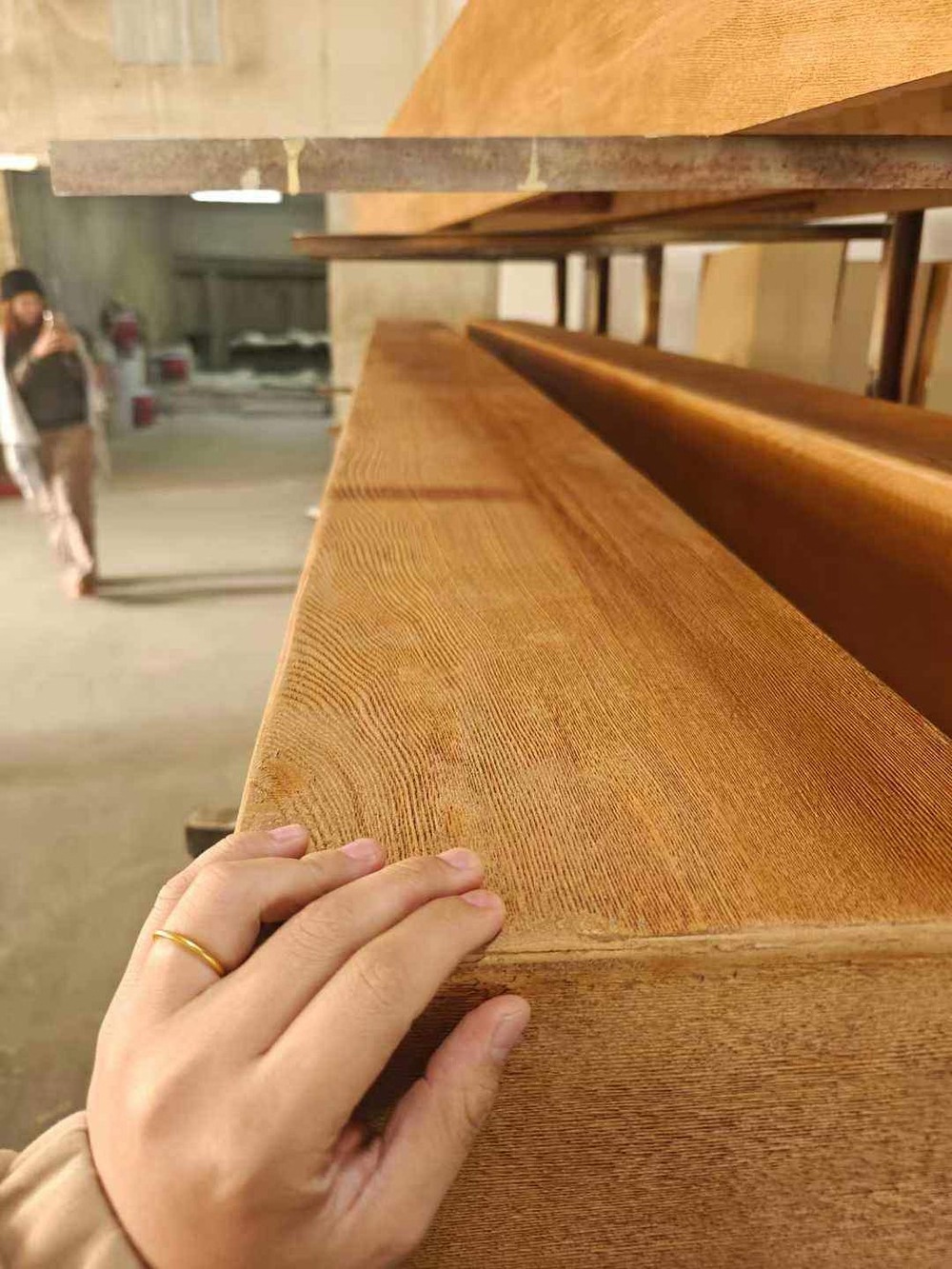
Bathrooms present unique environmental challenges that differ significantly from typical living spaces. High humidity levels, direct water exposure near showers and tubs, and temperature fluctuations create conditions that can compromise certain building materials. Understanding how polyurethane faux beams perform in these conditions helps homeowners and designers make informed decisions about incorporating these decorative elements into bathroom designs.

The fundamental composition of polyurethane makes it inherently resistant to many of the moisture-related problems that affect natural wood. Polyurethane does not absorb water, which eliminates the swelling, warping, and rot that plague timber products in humid environments. This dimensional stability represents a significant advantage for bathroom applications where wood beams might eventually develop problems despite protective sealants.
Moisture Performance Characteristics
Polyurethane faux beams resist moisture absorption through their closed-cell molecular structure. Water molecules cannot penetrate the surface or become trapped within the material, which means these beams maintain their dimensions and structural integrity regardless of ambient humidity levels. This performance characteristic makes polyurethane particularly suitable for bathrooms where humidity routinely exceeds sixty percent during showers and bathing activities.
Unlike natural wood that requires sealing to prevent moisture damage, polyurethane beams arrive with factory-finished surfaces that inherently resist water penetration. The material does not require additional sealing or waterproofing treatments for standard bathroom use. However, proper installation techniques become even more critical in bathroom environments where any water infiltration behind or around the beams could create hidden problems.
Steam exposure represents the most common moisture challenge in bathrooms. Regular exposure to warm, humid air does not affect polyurethane the way it affects natural wood or even some composite materials. The material maintains its color, texture, and structural properties through countless steam cycles without requiring any maintenance interventions or protective treatments.
Temperature Considerations in Bathroom Environments
Bathrooms experience more dramatic temperature swings than most other rooms in a home. Hot showers create steam and raise the ambient temperature, while ventilation systems cool the space rapidly when doors open or fans activate. These thermal cycles generate expansion and contraction forces that can stress building materials over time.
Polyurethane has a relatively low coefficient of thermal expansion, meaning it changes dimensions minimally when temperatures fluctuate. This dimensional stability prevents the gaps, cracks, and separation that sometimes develop between dissimilar materials in environments with significant temperature variation. Faux beams installed in bathrooms remain firmly attached through thermal cycles that might loosen or damage other materials.
Direct sunlight exposure in bathrooms with skylights or windows introduces additional thermal considerations. Some polyurethane formulations can soften slightly under prolonged high-temperature exposure, though quality products designed for architectural applications include stabilizers that mitigate this concern. Selecting beams from reputable manufacturers who formulate their products for architectural use ensures adequate thermal performance in these demanding applications.
Installation Recommendations for Bathroom Applications
Proper installation techniques maximize the long-term performance of faux beams in bathroom environments. The primary concern involves preventing water from reaching the mounting surfaces behind the beams, which could promote mold growth or degrade adhesive bonds over time.
Ventilation requirements merit particular attention for bathroom beam installations. Adequate exhaust ventilation removes humid air before it can condense on cool surfaces, reducing the overall moisture load the beams experience. Bathroom fans should run during showers and for extended periods afterward to ensure complete moisture removal. A bathroom with effective ventilation creates an environment where faux beams will perform admirably for decades.
Mounting surface preparation requires attention to moisture-resistant backing where appropriate. In shower areas or spaces immediately adjacent to wet zones, ensuring that wallboard and subfloor materials are properly sealed provides an extra layer of protection against potential moisture infiltration. Standard construction practices that specify moisture-resistant drywall in bathroom installations apply equally to the areas behind and around faux beam installations.

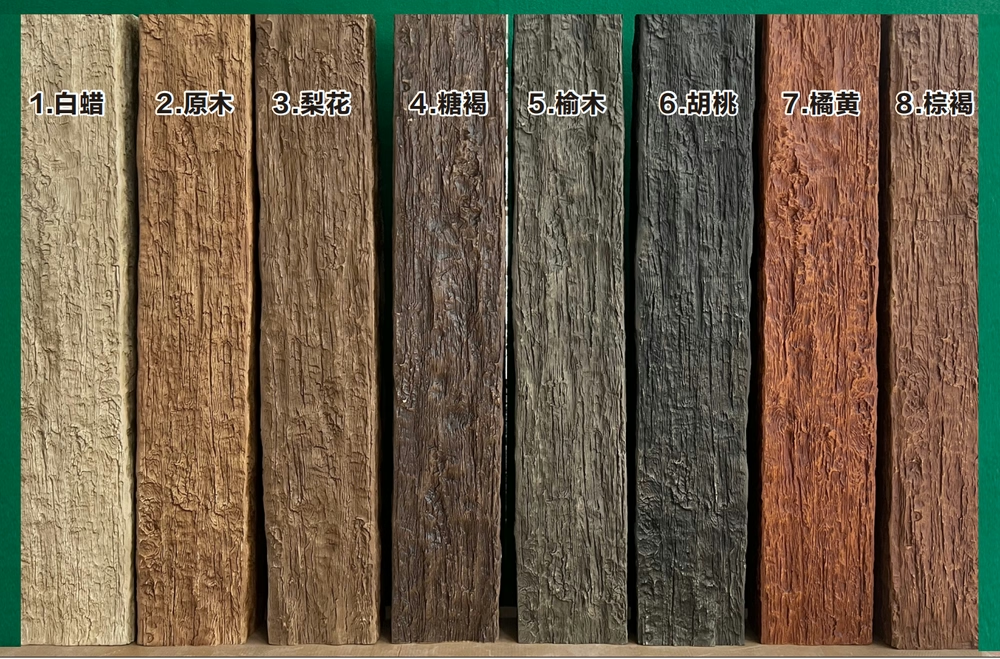
Maintenance and Care Requirements
One of the significant advantages of polyurethane faux beams in bathroom applications involves their minimal maintenance requirements. Unlike natural wood that might need periodic resealing or refinishing in humid environments, quality polyurethane beams maintain their appearance indefinitely with basic cleaning.
Regular dusting and occasional wiping with a damp cloth removes accumulated particles and maintains the beam's fresh appearance. For bathrooms with hard water deposits or soap residue, mild soap solutions effectively clean the surface without risking damage to the finish. Avoid abrasive cleaners or scrubbing tools that might scratch the surface coating.
Surface inspection during routine bathroom cleaning helps identify any potential issues before they develop into problems. Check mounting points for signs of movement or separation, and inspect the beam surfaces for any chips or damage that might expose the underlying polyurethane. Prompt attention to minor damage maintains the beam's water resistance and appearance.
Design Applications and Aesthetic Considerations
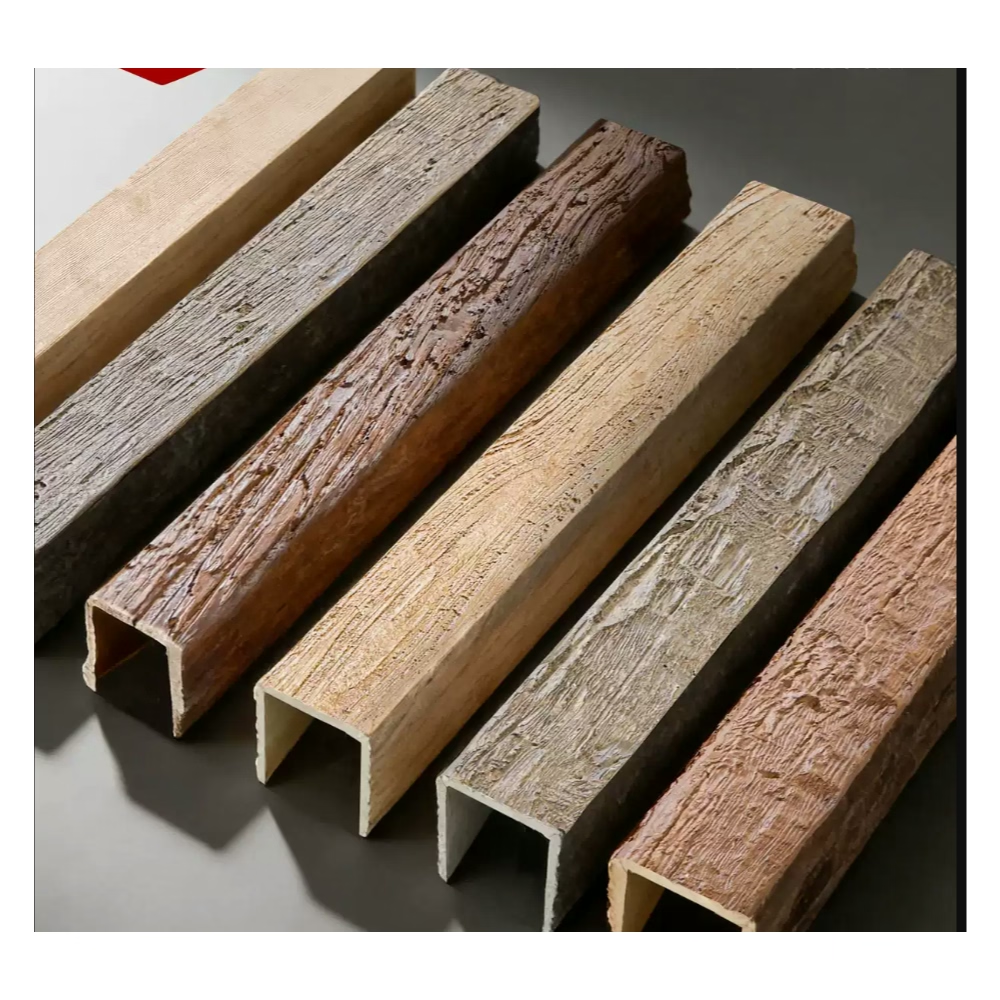
Bathrooms offer compelling opportunities for faux beam installations that might not exist in other rooms. Vaulted ceilings, exposed architectural elements, and rustic farmhouse aesthetic themes all incorporate beams as design focal points. The bathroom setting allows beams to contribute to spa-like retreats, rustic country escapes, or modern minimalist spaces depending on the overall design approach.
Coordinated design between beams and other bathroom elements creates cohesive visual themes. Wood-look finishes complement natural stone surfaces, copper or brass fixtures, and woven textiles. The warmth of wood-toned beams balances the cool surfaces typical of bathroom design, creating inviting spaces that encourage relaxation rather than feeling clinical or sterile.
Lighting integration with bathroom beams deserves careful planning. Recessed lighting positioned between beams creates dramatic visual depth, while surface-mounted fixtures can highlight beam textures during evening hours. The interplay between beams and lighting transforms functional bathroom spaces into atmospheric retreats that enhance daily routines.
Polyurethane faux beams represent an excellent choice for bathroom applications where their moisture resistance, dimensional stability, and aesthetic versatility deliver meaningful advantages over natural wood alternatives. Proper installation and basic maintenance ensure these decorative elements provide lasting beauty in one of the most demanding environments in any home.
Technical References
ASTM standards cited in every specification
Test Data
Lab results from internal testing program
Updated 2026
Reviewed against current product specs