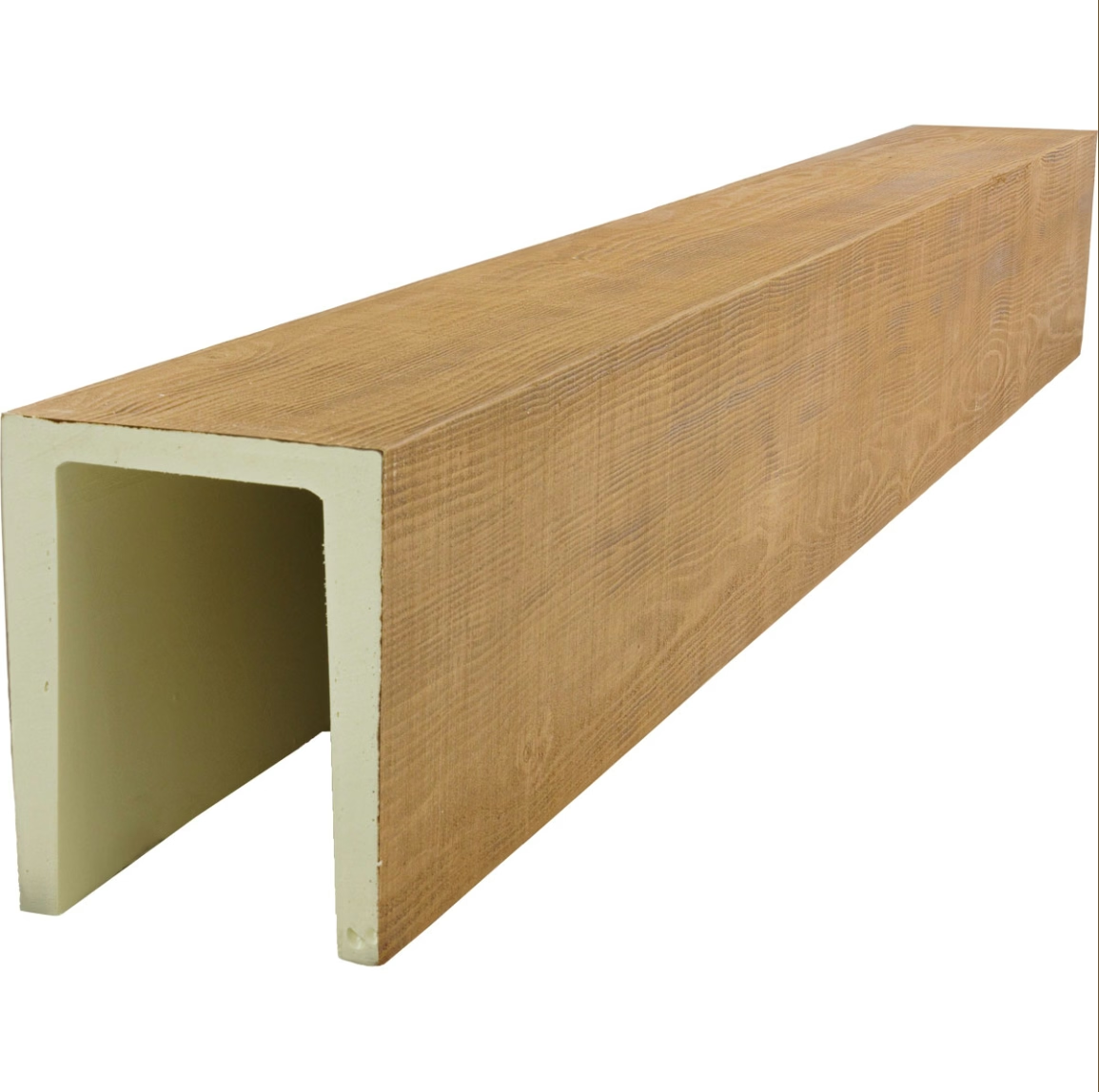
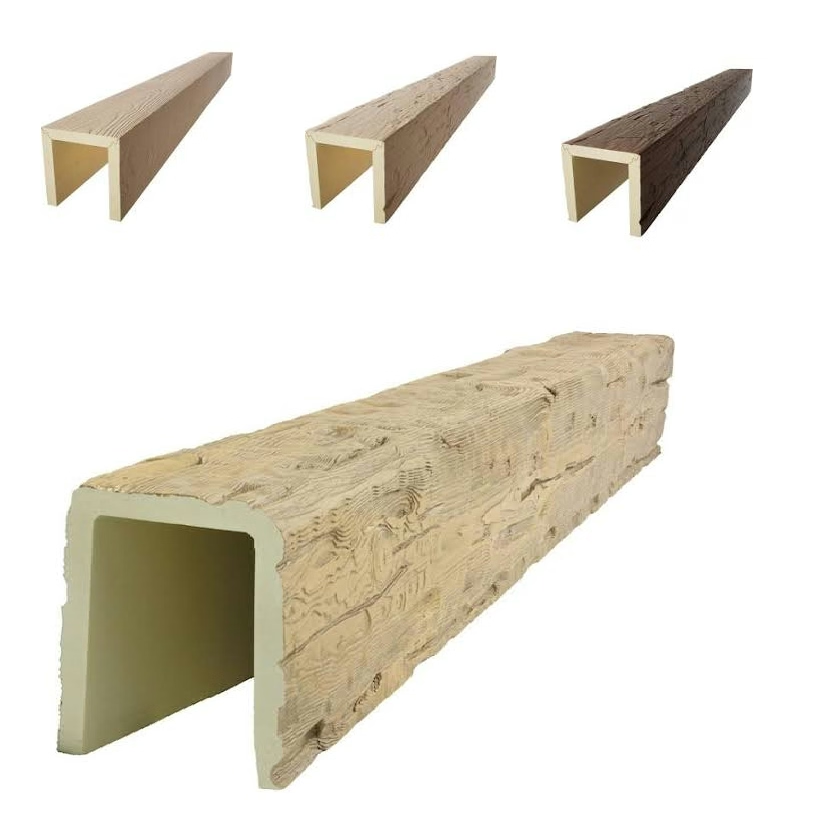
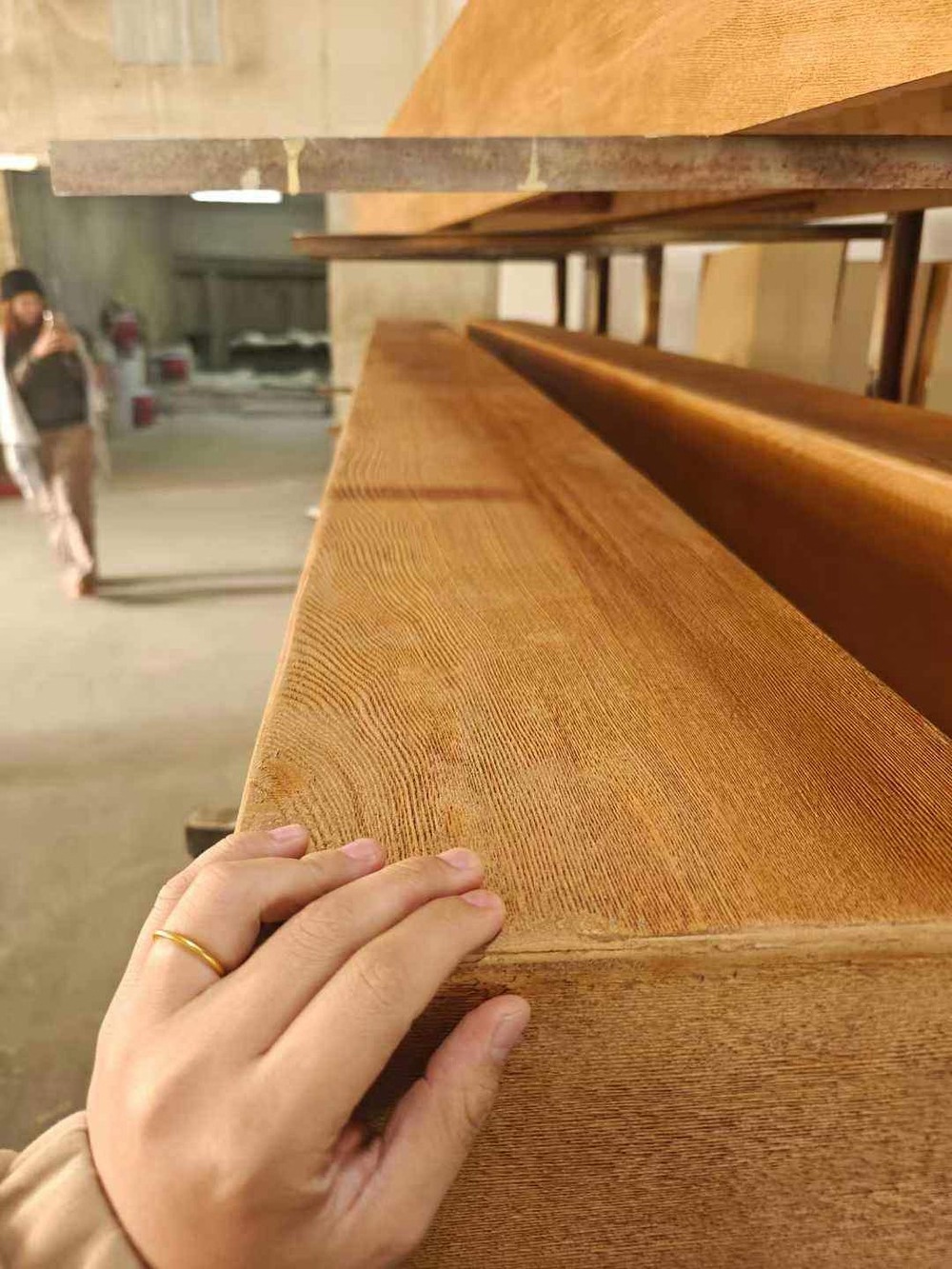
Water represents one of the most common threats to building materials in residential and commercial construction. From bathroom humidity to outdoor rain exposure, understanding how polyurethane faux timber beams respond to moisture helps architects, contractors, and homeowners specify and install these products appropriately. The relationship between polyurethane and water involves both advantages and important limitations that affect where these beams can be used effectively.

Polyurethane's molecular structure provides inherent resistance to water absorption that outperforms many traditional building materials. The closed-cell composition prevents water molecules from penetrating the surface and becoming trapped within the material. Unlike wood, which can absorb significant moisture and suffer dimensional changes, polyurethane maintains its original shape and size regardless of environmental moisture levels.
Surface Water Exposure Performance
Direct water contact with polyurethane faux beams does not cause damage under normal circumstances. Rainwater striking beam surfaces runs off without penetrating or staining the material. This characteristic makes polyurethane suitable for covered outdoor applications where beams might encounter rain splash or wind-driven moisture without prolonged direct exposure.
Surface cleaning of polyurethane beams can safely involve water without concerns about moisture damage. Garden hoses, pressure washers on appropriate settings, and chemical cleaners diluted in water all work effectively for maintaining beam appearance. The material handles wet cleaning procedures that would be inappropriate for natural wood or paper-based composite materials.
Chemical resistance extends to many common substances found in wet environments. Soap, shampoo, cleaning products, and mineral deposits from hard water do not damage polyurethane surfaces. This resistance simplifies maintenance in applications like bathrooms, kitchens, and outdoor entertaining areas where spills and splashes occur regularly.
Prolonged Water Exposure Considerations
While surface water presents no problems, polyurethane beams should not remain submerged in water for extended periods. Standing water can eventually find microscopic pathways into the material, potentially compromising structural integrity over time. Quality control during manufacturing minimizes these pathways, but the possibility of water infiltration under extreme conditions means that submerged applications should be avoided.
Installation design should direct water away from beam surfaces and mounting points whenever possible. Properly sloped surfaces, adequate overhangs, and strategic positioning prevent water accumulation on or around beam installations. These design considerations apply particularly to outdoor installations where natural precipitation creates ongoing water exposure challenges.
UV radiation compound the effects of water exposure in outdoor applications. While polyurethane itself resists water damage, prolonged UV exposure can degrade surface finishes and create microscopic cracks that might eventually allow water infiltration. Using UV-stabilized formulations for outdoor applications addresses this concern, and maintaining surface coatings in harsh environments preserves long-term performance.
Indoor Moisture Applications
Standard indoor environments pose no moisture-related concerns for polyurethane faux beams. Normal humidity fluctuations, occasional spills, and routine cleaning do not affect these products. The material's moisture resistance enables use in spaces like kitchens, bathrooms, and laundry rooms where humidity and occasional splashing represent regular occurrences.
Steam environments require additional consideration but generally prove acceptable for quality polyurethane beams. Steam rooms, saunas, and industrial kitchens with significant steam production can accommodate polyurethane installations with appropriate ventilation. The key factor involves managing condensation that might occur when warm, humid air contacts cooler surfaces near the beams.
HVAC systems that control humidity levels in commercial buildings create ideal environments for polyurethane beams. Climate-controlled spaces with maintained relative humidity between thirty and fifty percent provide optimal conditions where the material's moisture resistance delivers maximum benefit. These controlled environments also protect any mounting hardware from corrosion and ensure long-term adhesive performance.

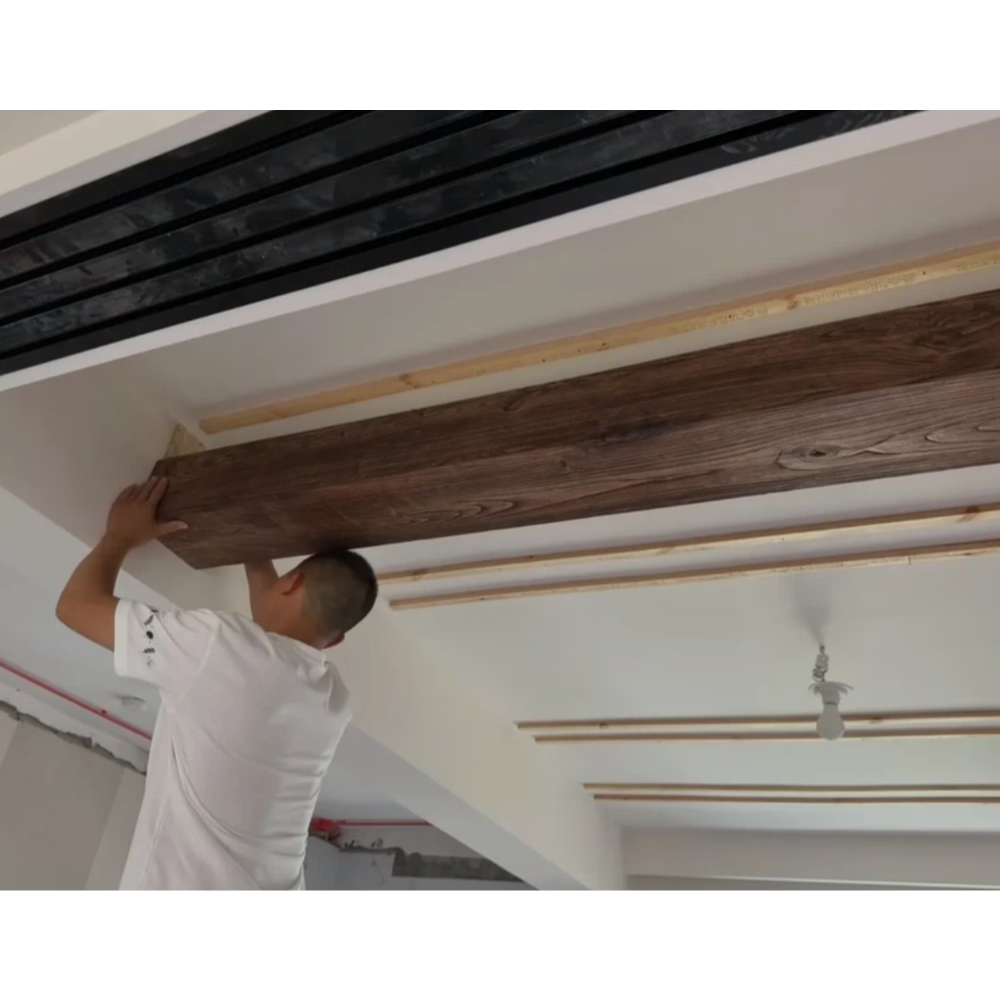
Outdoor Applications and Weather Resistance
Outdoor use of polyurethane faux beams requires careful product selection and installation planning. Not all polyurethane formulations are designed for exterior applications, so verifying UV stability and weather resistance specifications becomes essential before specifying products for outdoor use.
Sheltered outdoor installations represent the most appropriate outdoor application for standard polyurethane beams. Covered porches, screened enclosures, and covered patios that receive no direct rain exposure work well with these products. The sheltered conditions protect beams from direct precipitation while the open-air environment provides adequate ventilation that prevents moisture accumulation.
Exposed outdoor applications require specialized UV-stabilized and weather-resistant formulations that can withstand direct sunlight, rain, snow, and temperature extremes. These premium products cost more than standard interior formulations but deliver the performance required for carports, pergolas, and other exposed installations. The investment in appropriate products prevents premature failure and maintains appearance in demanding exterior conditions.
Snow and ice accumulation on outdoor beams creates load considerations separate from moisture concerns. The light weight of polyurethane reduces structural concerns, but the accumulated weight of wet snow or ice should be accounted for in mounting design. Proper installation ensures beams remain secure through winter conditions without requiring excessive reinforcement.
Protecting Beams from Water Damage
While polyurethane itself resists water damage, the mounting hardware and adhesives used during installation may have different moisture tolerances. Selecting corrosion-resistant mounting hardware prevents long-term deterioration of mechanical connections. Stainless steel, galvanized steel, or coated fasteners provide appropriate corrosion resistance for most applications.
Adhesive selection should consider the specific humidity conditions of the installation environment. Moisture-resistant construction adhesives maintain bond strength in humid conditions without softening or degrading over time. Premium hybrid polymer adhesives offer excellent performance across a wide range of environmental conditions and bond effectively with both polyurethane and common construction materials.
Drainage and ventilation details in installation design prevent water from pooling or becoming trapped behind beam surfaces. Small gaps at beam ends allow air circulation that dries any moisture before it causes problems. Slope adjustments direct water away from beam surfaces and mounting points. These seemingly minor details significantly impact long-term performance in wet applications.
Understanding the relationship between polyurethane faux beams and water enables appropriate product selection and installation practices for any application. The material's inherent moisture resistance supports use in demanding environments while basic installation practices ensure lasting performance. Whether specifying beams for interior humidity zones or carefully designed outdoor applications, these principles guide successful implementation of decorative polyurethane beams.
Technical References
ASTM standards cited in every specification
Test Data
Lab results from internal testing program
Updated 2026
Reviewed against current product specs