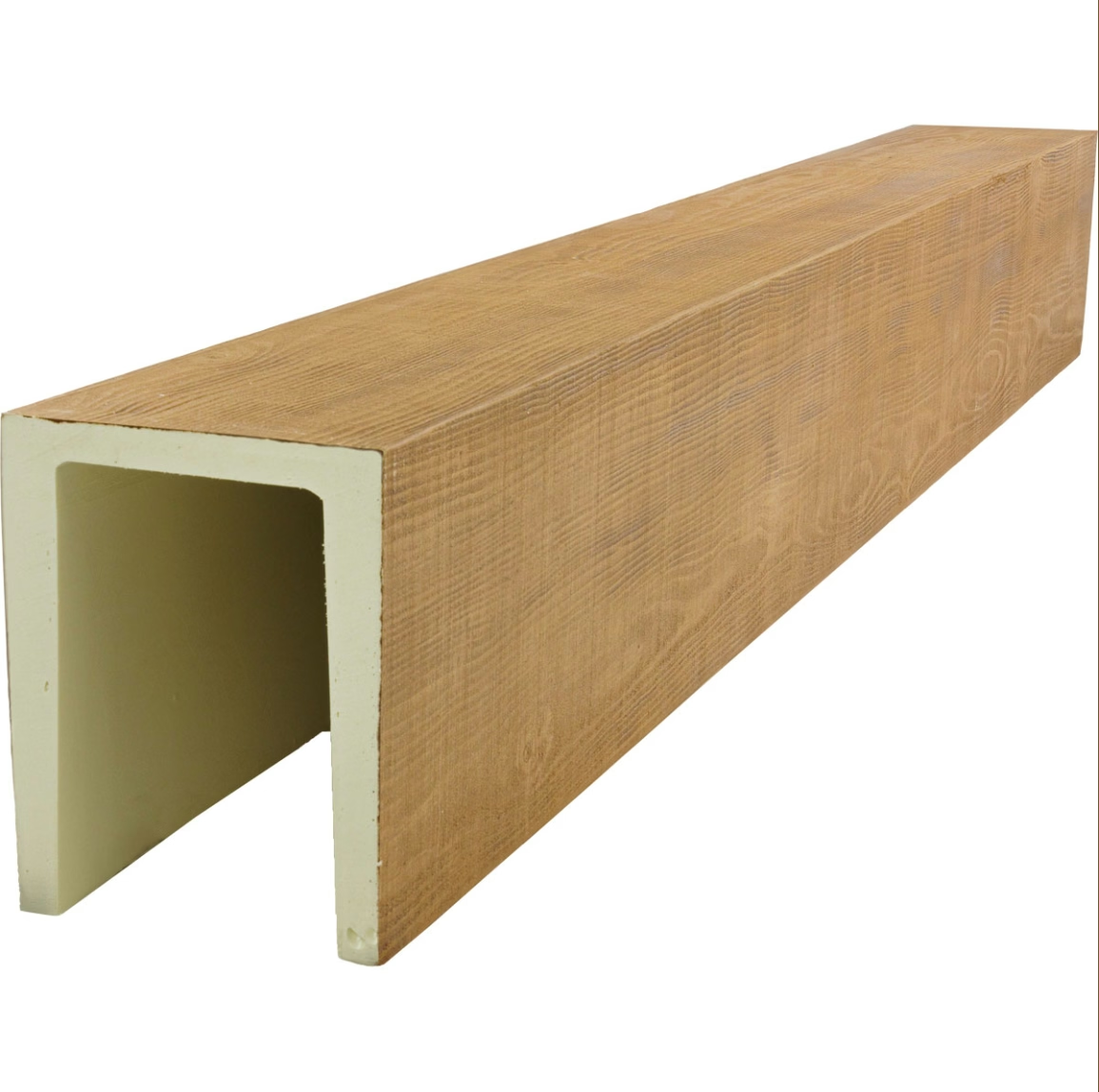
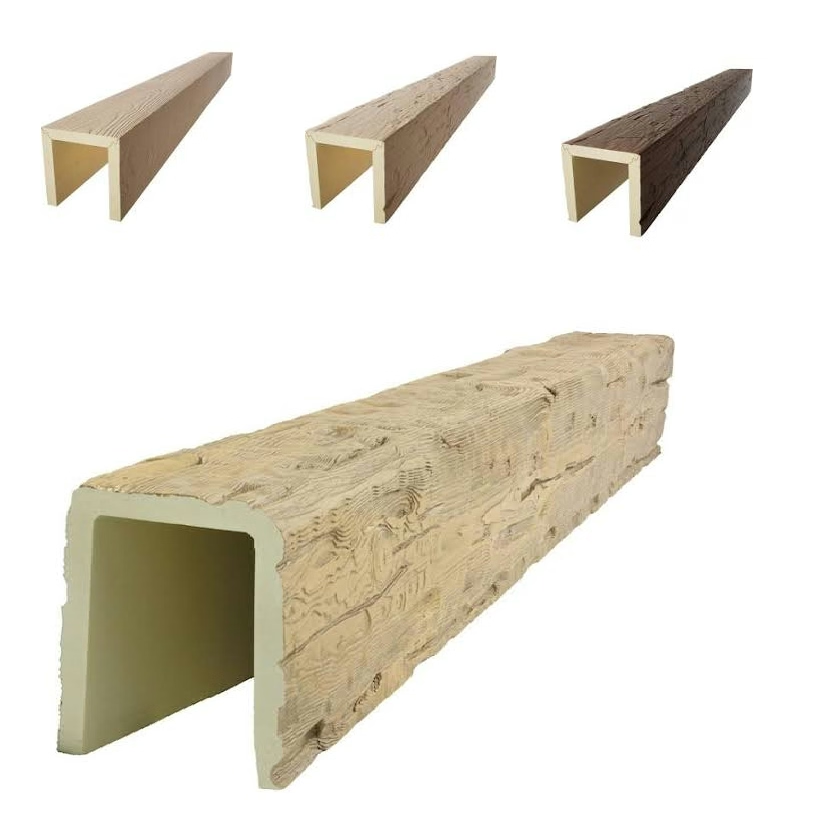
Coastal properties face unique challenges that inland homes simply don't encounter. The constant exposure to salt spray, high humidity, intense sunlight, and ocean winds creates an environment that can devastate traditional building materials within just a few seasons. Homeowners and builders working on coastal projects have increasingly turned to UV-modified coastal grade PU faux beams as a solution that balances aesthetic appeal with practical durability.
Natural wood, even pressure-treated varieties, struggles to maintain its integrity and appearance in marine environments. The salt content in the air accelerates corrosion of metal fasteners, promotes fungal growth in wood fibers, and causes rapid deterioration of protective coatings. UV-modified coastal grade polyurethane faux beams address these specific challenges through advanced material engineering that begins at the molecular level.
Understanding the Coastal Degradation Process
Salt-air environments attack building materials through multiple simultaneous mechanisms. Sodium chloride particles settle on surfaces and absorb atmospheric moisture, creating a consistently damp environment that promotes corrosion and biological growth. Simultaneously, the high UV index common in coastal regions breaks down organic compounds in traditional materials, causing fading, chalking, and surface degradation.
Polyurethane, when properly modified with UV inhibitors and stabilizers, becomes resistant to these degradation pathways. The molecular structure of UV-modified PU creates a barrier that reflects and absorbs harmful radiation before it can break down the material's structural integrity. This isn't a surface coating that can scratch or wear away—it's an integral property of the material itself.
The coastal grade designation indicates that these beams have passed specific testing protocols simulating extended salt-air exposure. Manufacturers expose test samples to accelerated weathering cycles that combine salt spray, UV radiation, and temperature fluctuations to simulate years of coastal conditions in compressed timeframes.
Installation Considerations for Marine Environments
Proper installation of coastal grade faux beams requires attention to details that might seem minor in inland applications but become critical near the ocean. All fastener materials must be marine-grade stainless steel or equivalent corrosion-resistant alloys. Even UV-modified PU beams can experience accelerated deterioration if they're held in place by corroded brackets or fasteners that allow moisture to wick into the material.
Ventilation around installed beams significantly impacts long-term performance. Coastal air circulation patterns can leave certain areas consistently damp, promoting surface growth and accelerating degradation. Designers and installers should consider prevailing wind patterns when planning beam placement and ensure adequate air movement around all beam surfaces.
The mounting substrate also matters in coastal applications. Wooden substructures require even more careful treatment and waterproofing than they would need inland. Some installers have found success using composite or aluminum mounting rails as a barrier between wooden framing and the faux beams, creating an additional layer of protection against moisture transfer.
Long-Term Performance and Maintenance
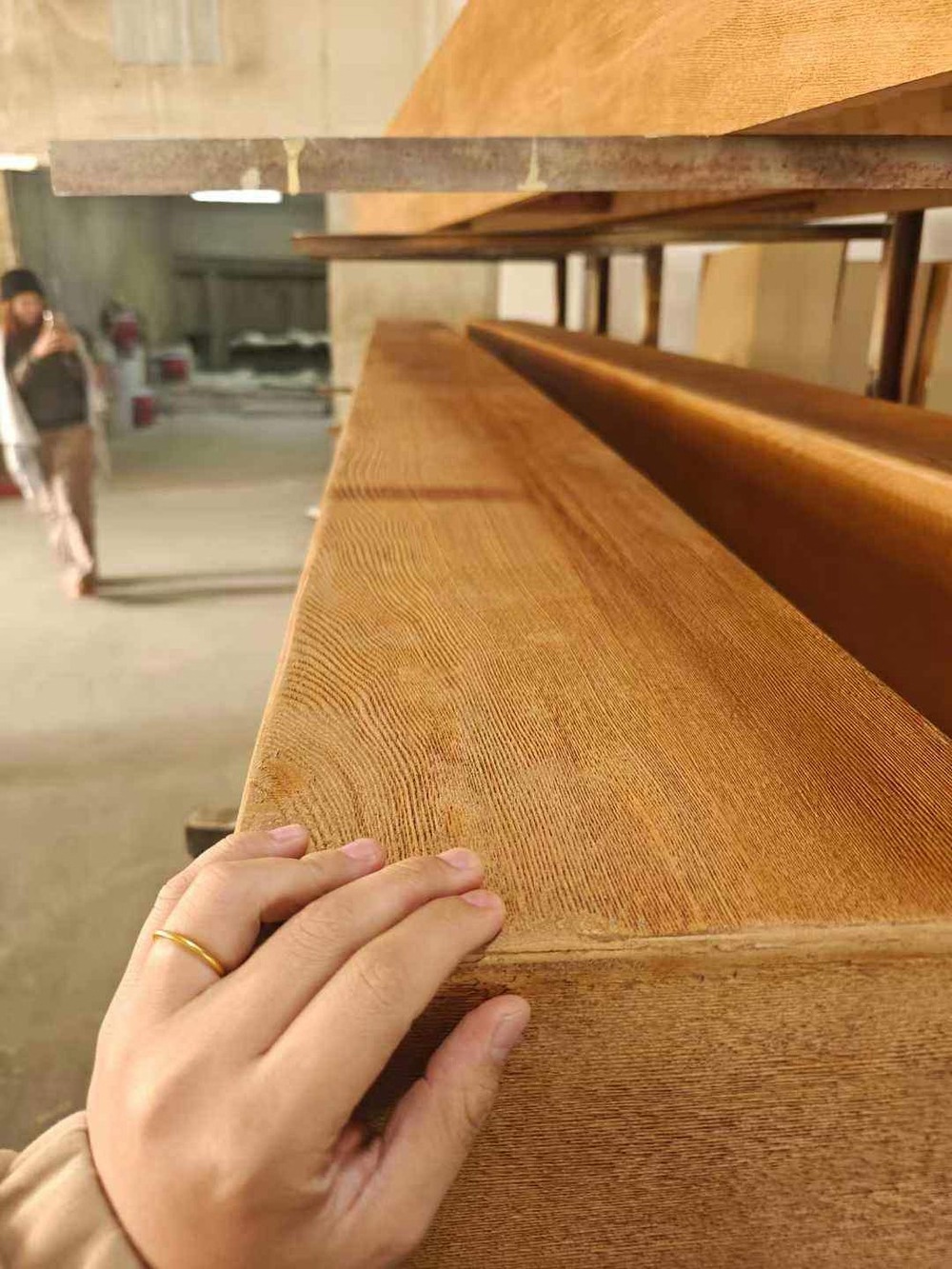
One of the most compelling advantages of UV-modified coastal grade PU faux beams is their minimal maintenance requirements compared to natural wood alternatives. While real wood requires regular sanding, staining, sealing, and inspection for rot and insect damage, polyurethane faux beams maintain their appearance with basic cleaning.
A periodic wash with mild soap and water removes salt deposits and accumulated debris. Pressure washing should be done carefully, using wide-angle nozzles and maintaining appropriate distance to avoid surface damage. Unlike wood, there's no need for annual sealing or staining, and the material won't develop the gray patina that many homeowners find undesirable in coastal settings.
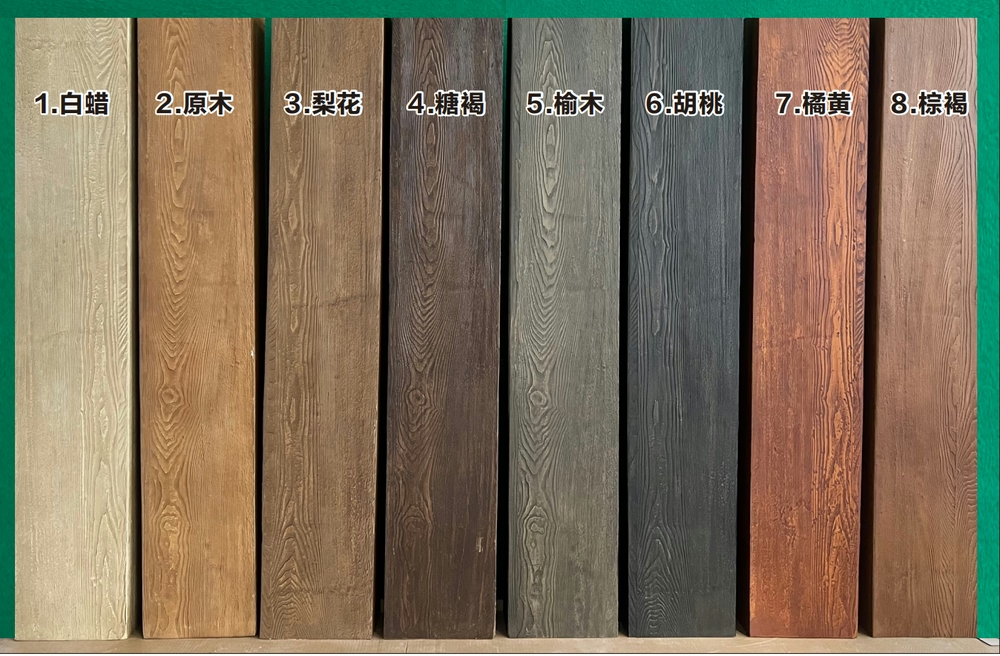
The color retention properties of quality UV-modified products mean that beams will continue to look freshly installed for years without touch-up painting or refinishing. This represents significant savings in both material costs and labor over the lifespan of the installation.
Design Applications in Coastal Architecture
Coastal architecture often embraces exposed structural elements as part of its aesthetic. Exposed beams, whether decorative or structural, contribute to the casual elegance that defines many beach house designs. UV-modified coastal grade PU faux beams enable this design direction without the anxiety of watching natural wood deteriorate.
Covered porches and lanais benefit particularly from these products. The transition zone between fully enclosed interior and fully exposed exterior is often where natural wood fails fastest, but UV-modified PU handles these variable exposure conditions well. Pergolas, trellises, and other shade structures also work beautifully with coastal grade faux beams.
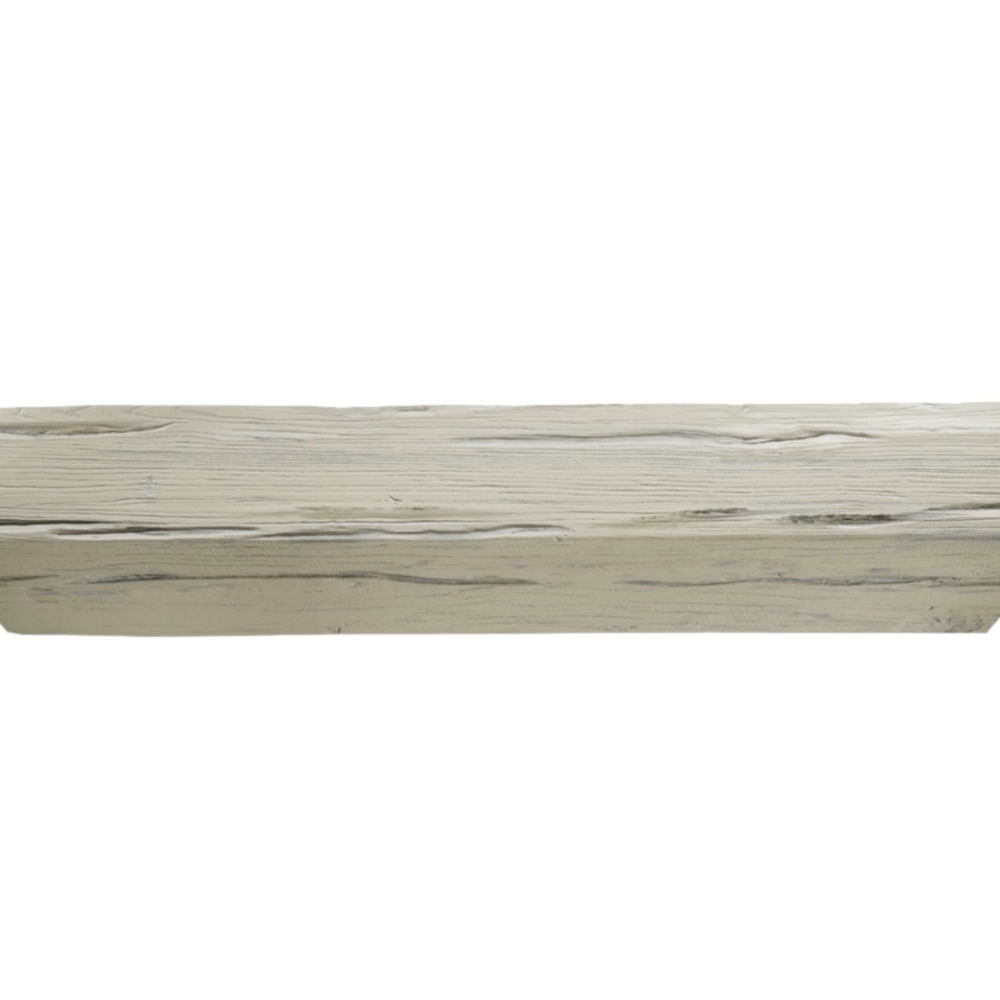
The material's workability allows fabricators to create custom profiles that match specific architectural styles, from the rustic reclaimed wood aesthetic popular in beach cottages to the clean lines preferred in contemporary coastal designs. This versatility makes UV-modified coastal grade beams suitable across the full spectrum of coastal residential architecture.

Cost Considerations for Coastal Projects
Initial material costs for UV-modified coastal grade PU faux beams typically exceed those of natural wood, but lifecycle cost analysis consistently favors the polyurethane alternative. When accounting for maintenance labor, replacement materials, protective treatments, and the opportunity cost of dealing with wood deterioration, the total cost of ownership often tips in favor of the synthetic option.
For commercial coastal projects such as hotels, restaurants, and rental properties, these advantages compound. Properties that can avoid periodic beam maintenance see less disruption to operations and maintain consistent curb appeal. The professional appearance of well-maintained faux beams versus weathered natural wood can influence guest perceptions and review scores.
Contractors working on coastal projects appreciate the predictability that manufactured faux beams provide. Natural wood products can vary significantly in quality, grain pattern, and workability, creating unpredictable outcomes. UV-modified PU beams offer consistent dimensions, uniform appearance, and reliable fastening characteristics that streamline installation and reduce callbacks.
Selecting Quality Coastal Grade Products
Not all PU faux beams marketed for coastal use are created equal. Buyers should verify that products carry appropriate testing certifications and understand what those certifications actually guarantee. The specific UV stabilization technology, impact modifier packages, and base polymer quality all influence long-term performance.
Reputable manufacturers provide detailed performance data including accelerated weathering results, color retention measurements, and impact resistance ratings. This technical documentation reflects the engineering investment that separates quality coastal products from commodity alternatives.
Warranty terms also vary significantly. Coverage for coastal applications may differ from inland use terms, and buyers should understand exactly what conditions and degradation patterns are covered. Quality manufacturers stand behind their products with warranties that reflect confidence in their formulations.

Making the Coastal Grade Decision
For properties within a few miles of the ocean, salt marsh, or other marine environments, the case for UV-modified coastal grade PU faux beams is compelling. The specific engineering required to withstand salt-air exposure represents a meaningful investment in product development that pays dividends through extended service life and reduced maintenance.
Homeowners can install these beams with confidence that their porches, pergolas, and outdoor living spaces will maintain their beauty season after season, even under the challenging conditions that define coastal living. The combination of aesthetic flexibility, durability, and low maintenance makes coastal grade PU faux beams an increasingly popular choice among discerning coastal property owners and their design professionals.
Technical References
ASTM standards cited in every specification
Test Data
Lab results from internal testing program
Updated 2026
Reviewed against current product specs