Sunlight represents one of the most persistent threats to the appearance of building materials in interior environments. Faux wood beams, despite their synthetic composition, can develop uneven coloration, surface degradation, and faded patches when exposed to intense or prolonged sunlight without appropriate protection. Understanding the mechanisms of UV damage and implementing appropriate countermeasures preserves beam appearance throughout the product lifespan.

UV radiation affects faux beam materials through different mechanisms depending on formulation, surface treatment, and color. Pigmented surfaces may experience color fading as specific pigments degrade at different rates. Clear coatings may chalk or lose gloss as surface binders break down. Bulk material beneath the surface may become brittle as internal molecular structure changes. Each degradation pathway requires different protective approaches.
Understanding UV Damage Mechanisms
Photooxidation begins when UV photons break chemical bonds in the material surface, creating reactive sites that combine with atmospheric oxygen. These oxidation reactions cascade through the material, creating byproducts that absorb visible light differently than the original surface. The resulting color shift might appear as fading, yellowing, or the development of brownish tones that alter the intended appearance.
Surface erosion occurs as UV-degraded material wears away, revealing fresher material beneath. This process explains the whitening or lightening that sometimes appears on UV-damaged synthetic surfaces. The erosion creates texture changes alongside color changes, resulting in dull or chalky areas that contrast with protected surfaces.
Thermal degradation accompanies UV exposure in sun-drenched locations where surface temperatures rise significantly above ambient air temperature. Heat accelerates UV-initiated reactions while also creating expansion stresses that might damage surface coatings. The combined thermal and radiation stress exceeds what either factor would create independently.
Material Selection for UV Resistance
Base polymer selection influences inherent UV resistance significantly. Some polyurethane formulations incorporate UV-stable building blocks that resist photochemical degradation better than alternatives. When specifying beams for bright locations, inquiring about base polymer selection helps identify products with inherent advantages for UV-challenging applications.
Pigment system design affects color retention dramatically. Organic pigments offer excellent color development but often sacrifice UV stability. Inorganic pigments generally provide superior UV resistance but may limit color gamut or require different application techniques. Quality manufacturers balance these considerations, selecting pigments that deliver desired aesthetics with adequate UV stability.
Surface coating formulations complete the protection system. Acrylic and urethane coatings provide excellent UV resistance when properly formulated. The coating thickness affects protective capability, with adequate film build ensuring complete coverage of the underlying material. Coating flexibility maintains protection through temperature cycling without cracking or delaminating.
Installation Strategies for UV Exposure
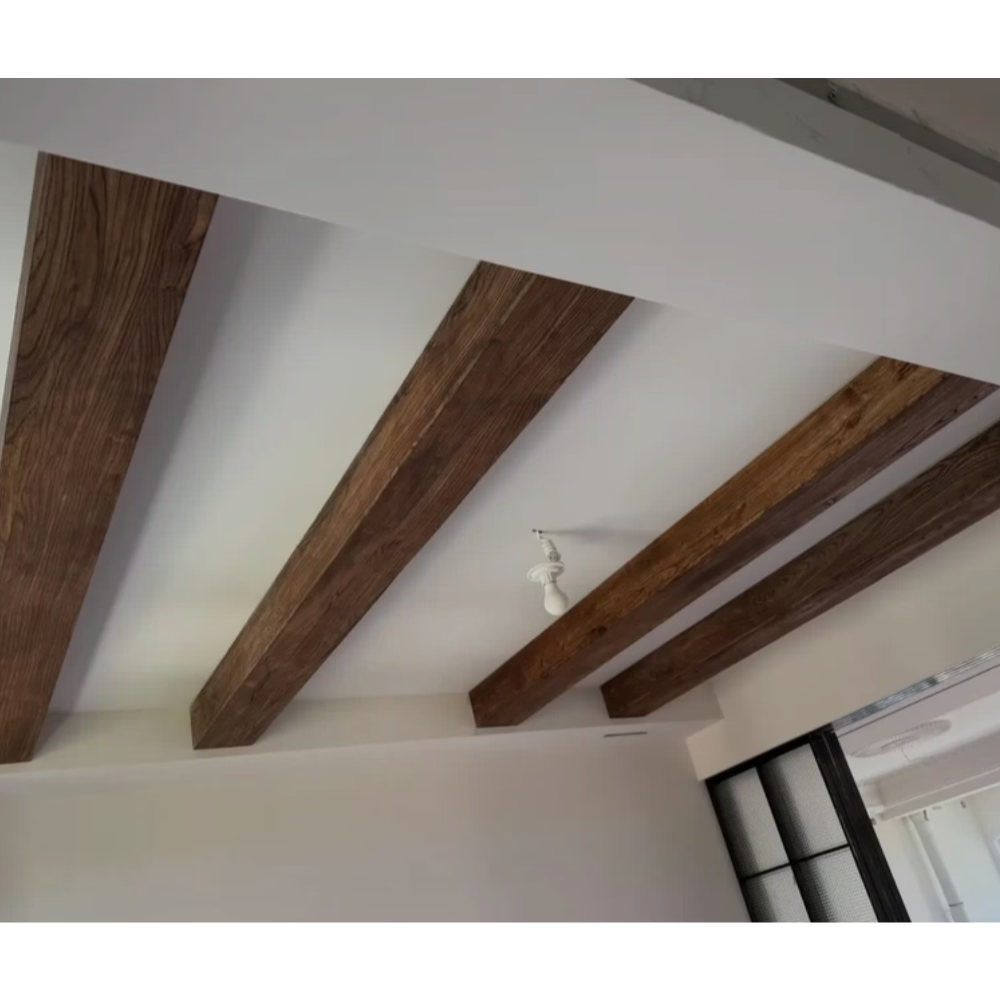
Strategic positioning relative to windows and skylights reduces beam UV exposure significantly. Beams positioned perpendicular to window orientations experience lower peak exposure than beams parallel to glass surfaces. Deep overhangs, roof extensions, and interior dividers create shaded micro-environments where beams experience reduced UV flux.
Window treatments throughout the building reduce overall UV exposure affecting all interior finishes including beams. UV-filtering window films applied to glazing reduce interior UV levels by ninety percent or more while maintaining visible light transmission. These films represent cost-effective UV protection for entire rooms rather than individual elements.
Lighting choices in rooms with beam installations affect UV exposure profiles. LED and fluorescent sources produce minimal UV radiation compared to incandescent and halogen alternatives. For art galleries and spaces with light-sensitive finishes, these low-UV sources protect beams alongside other valuable interior elements.

Maintenance Practices for UV Protection
Regular cleaning removes surface contaminants that might accelerate UV degradation. Dust and particulate matter settle on beam surfaces, creating localized areas where UV exposure concentrates. These contamination sites can develop fading patterns before cleaned areas show comparable damage. Routine dusting and occasional washing maintain clean surfaces that degrade uniformly.
Touch-up finishing addresses minor surface damage before it progresses to visible degradation. Paintable beam products can receive fresh topcoat periodically, refreshing UV protection alongside appearance. The frequency of touch-up requirements depends on exposure intensity and product quality, with quality products requiring less frequent attention.
Condition monitoring identifies emerging issues before they become severe. Annual inspection comparing beam appearance to documented conditions reveals subtle changes that might indicate protection is failing. Early intervention with enhanced protection or material replacement prevents progression to obvious degradation.
Enhancing UV Protection Post-Installation
UV-absorbing clear coatings can be applied to existing beam installations, adding protection without replacement. Water-based acrylic products with UV absorber additives provide additional protection for previously uncoated or lightly coated surfaces. Application requires clean, dry surfaces and proper curing conditions but extends beam life significantly in challenging locations.
Fabric window treatments and shade sails reduce direct sunlight exposure during peak UV hours. Automated shading systems respond to light sensors or schedules, providing protection exactly when needed without requiring manual operation. These systems prove particularly valuable in spaces where beams cannot be repositioned to reduce exposure.
Strategic plantings provide natural shade that reduces UV exposure in rooms with adjacent exterior landscaping. Deciduous trees provide summer shade while allowing winter sun penetration that brightens spaces during darker months. This seasonal variation in natural protection aligns with the differing UV intensity that makes summer protection most critical.
Effective UV protection combines appropriate material selection with installation strategies and maintenance practices that preserve beam appearance through years of exposure. The investment in protection pays dividends through extended beautiful appearance and reduced replacement requirements. Proactive attention to UV exposure helps ensure that faux beams continue enhancing spaces throughout their intended service life.
Technical References
ASTM standards cited in every specification
Test Data
Lab results from internal testing program
Updated 2026
Reviewed against current product specs


