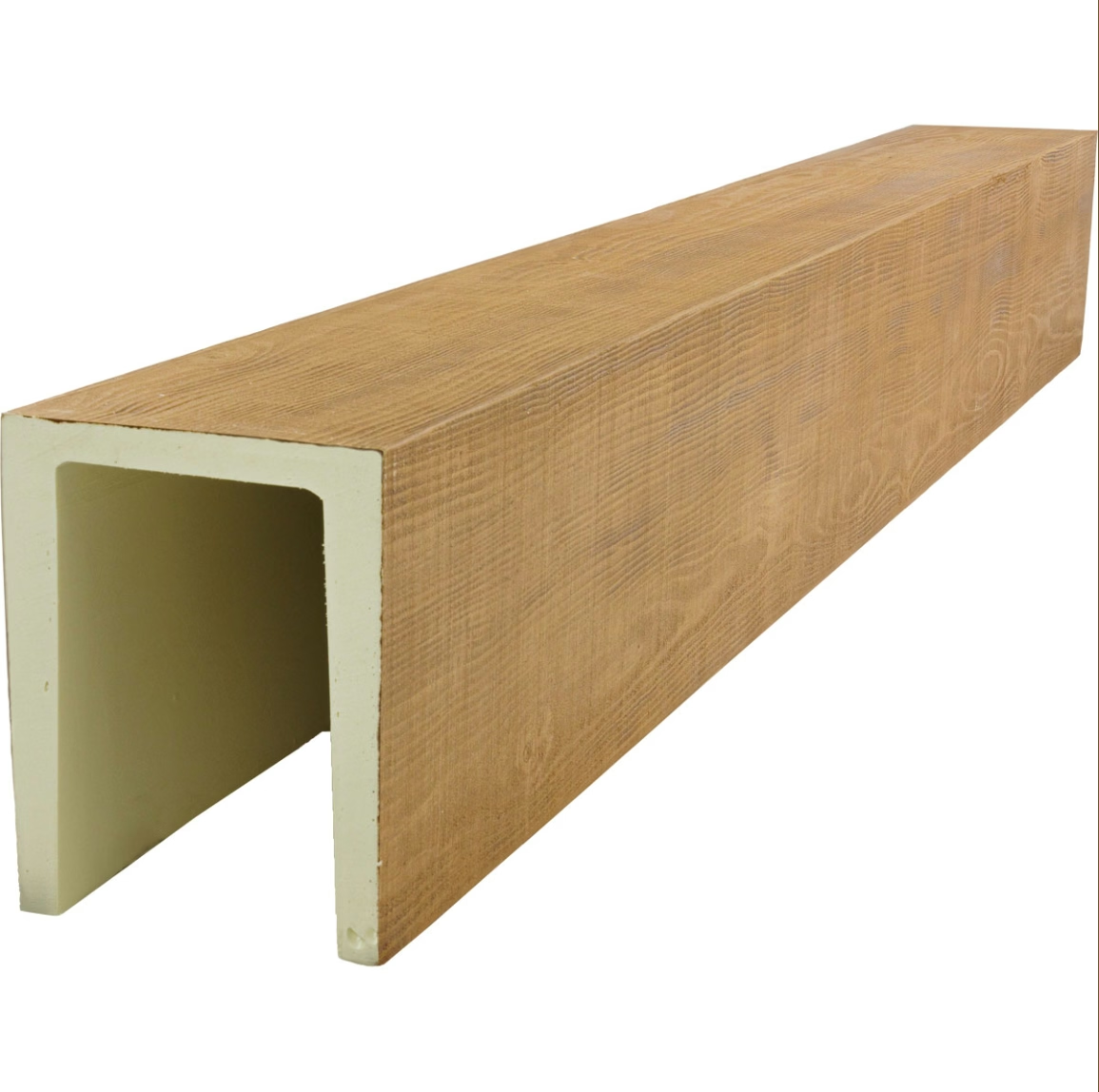
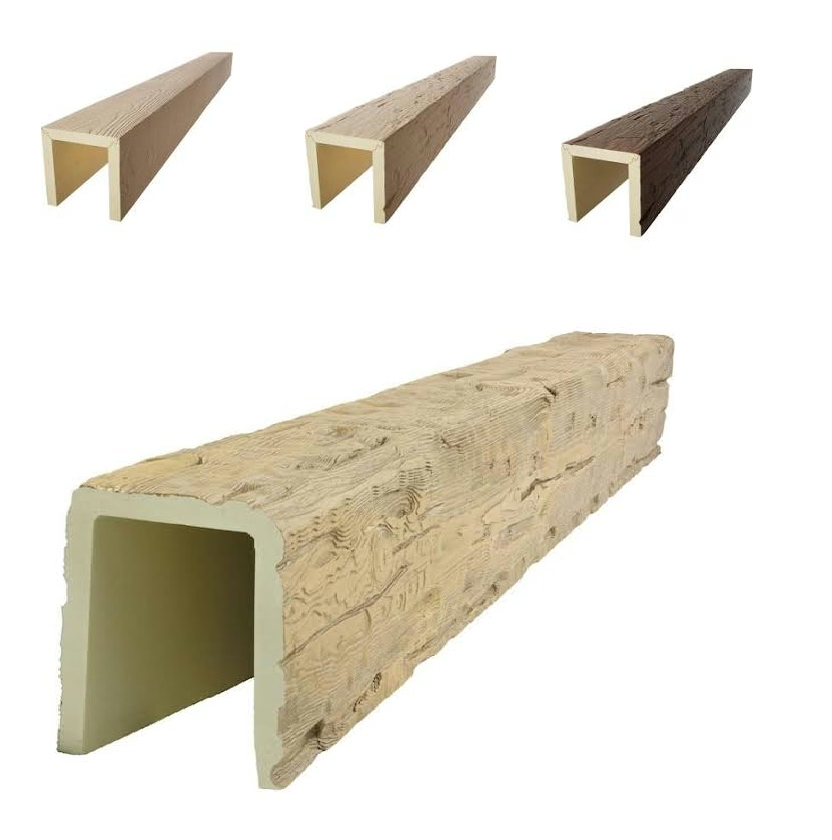
Coastal living carries an undeniable appeal, but that appeal comes with building challenges that require careful material selection. Salt air, intense sunlight, high humidity, and storm exposure create an environment that tests every exterior material to its limits. Homeowners investing in coastal properties deserve exterior finishes that maintain their beauty despite these challenging conditions. UV-stabilized exterior PU faux wood beams provide a solution that combines the aesthetic warmth of natural wood with the performance characteristics that coastal environments demand.
The term "UV-stabilized" indicates more than casual resistance to sunlight. These products undergo specific engineering to withstand prolonged UV exposure without the degradation that affects unstabilized materials. This stabilization occurs at the molecular level, making it an intrinsic property of the material rather than a surface treatment that might wear away over time.
Coastal Environmental Demands
Properties located within several miles of saltwater bodies face environmental conditions significantly different from inland locations. Salt particles carried by wind settle on every exterior surface, creating a persistently corrosive and hygroscopic layer. This salt accumulation accelerates corrosion of metals, promotes biological growth, and can degrade certain polymeric materials that lack appropriate stabilization.
Simultaneously, coastal regions typically experience higher UV indices than inland areas at similar latitudes. Reduced atmospheric filtering from maritime air masses and reflection from water surfaces combine to increase UV exposure intensity. This elevated radiation level breaks down organic compounds in unprotected materials, causing fading, chalking, and surface degradation.
Temperature fluctuations in coastal environments add another stress factor. Daytime heating and nighttime cooling create thermal cycling that stresses materials through repeated expansion and contraction. While UV-stabilized polyurethane handles this cycling well, the combination of thermal stress, UV exposure, and salt accumulation creates demands that only appropriately designed products can meet.
Engineering Behind UV Stabilization
UV stabilization in polyurethane involves multiple complementary mechanisms. UV absorbers selectively capture harmful radiation in the 290-400 nanometer range, converting it to harmless heat energy. These compounds preferentially absorb UV radiation before it can interact with the polymer chains that give polyurethane its structural integrity.
Hindered amine light stabilizers provide another layer of protection through radical scavenging. When UV radiation does interact with the polymer and generates free radicals, HALS compounds intercept these reactive species before they can propagate chain reactions that degrade the material. The synergy between UV absorbers and HALS stabilizers creates protection more effective than either mechanism alone.
Quality exterior-grade products incorporate these stabilizers at concentrations appropriate for demanding outdoor applications. The specific formulation varies among manufacturers, but reliable products provide documentation of accelerated weathering performance that demonstrates genuine UV stability rather than minimal protection.
Applications in Coastal Exterior Design
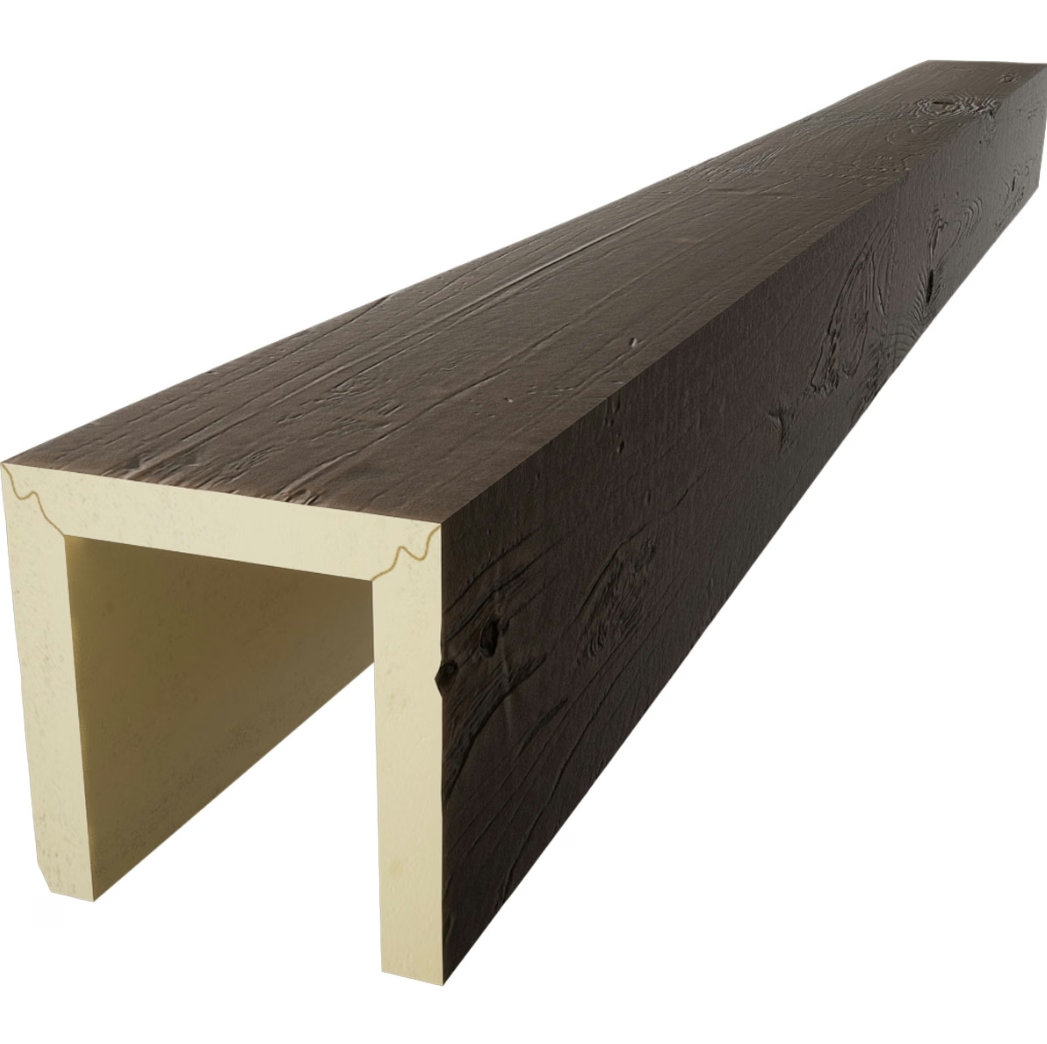
Outdoor living spaces define coastal home character, and UV-stabilized exterior beams play crucial roles in these designs. Covered porches, verandas, and lanais benefit from beams that maintain their appearance despite constant exposure to the challenging coastal environment. The authentic wood appearance contributes to the casual elegance that coastal architecture typically pursues.
Pool houses, outdoor kitchens, and entertainment structures on coastal properties face particular challenges. These high-humidity environments with chlorinated moisture exposure require materials that can withstand chemical exposure as well as UV radiation. UV-stabilized polyurethane handles these combined stresses effectively when properly specified.
Decorative elements such as pergolas, trellises, and shade structures create visual interest and functional shade in coastal outdoor spaces. UV-stabilized exterior beams provide the structural presence these designs require while standing up to the environmental conditions that would quickly degrade natural wood alternatives.

Installation Practices for Coastal Durability
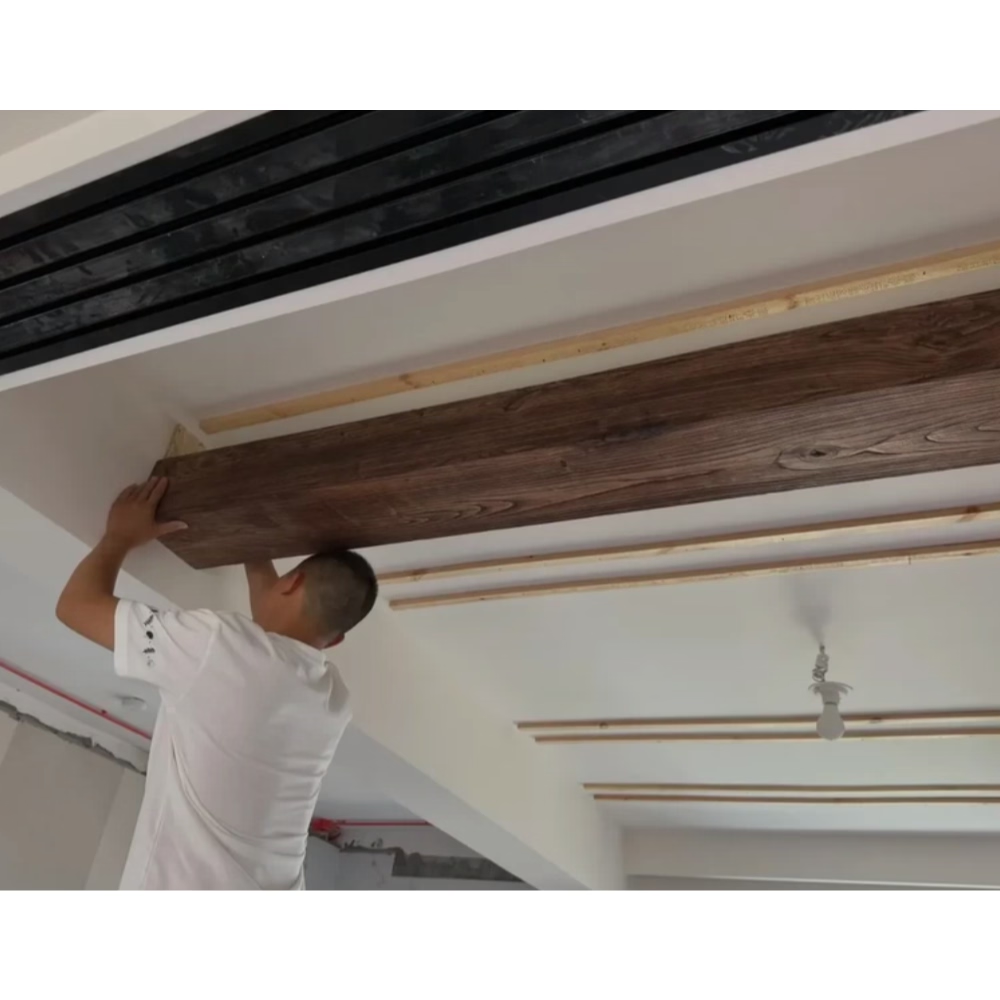
Successful coastal installation requires attention to details that become critical in marine environments. Fastener selection rises to particular importance because salt exposure rapidly corrodes standard steel products. Marine-grade stainless steel or equivalently resistant alloys ensure that fastening systems maintain their integrity throughout the service life of the installation.
Supporting structure preparation matters significantly for exterior beam installations. Even UV-stabilized polyurethane beams can develop cosmetic issues if they're mounted to rotting or deteriorating substrates. The substrate should receive appropriate waterproofing and treatment, with consideration for the air circulation and drying conditions that prevent moisture accumulation.
Expansion and contraction accommodation requires careful consideration in coastal applications. The temperature ranges experienced in coastal regions, combined with the thermal mass characteristics of the beam material, determine appropriate clearances and fastening approaches. Quality manufacturers provide detailed installation guidelines specific to exterior applications.
Comparing Coastal Beam Options
Natural wood exterior beams, even those made from naturally durable species, struggle in coastal conditions. Red cedar and cypress contain natural oils that provide some resistance to decay, but these species still experience significant weathering and appearance degradation in marine environments. Pressure-treated wood offers improved durability but often lacks the aesthetic qualities that homeowners seek.
Composite materials incorporating wood fibers face challenges from the cellulosic component. While the plastic matrix may resist UV degradation, the wood fibers within can break down, leading to surface erosion, color fading, and eventual structural compromise. Fully synthetic alternatives like PVC avoid this issue but often lack the authentic wood appearance that faux beams provide.
UV-stabilized exterior PU faux beams represent the current state of the art in balancing authentic appearance with genuine coastal durability. The specific UV stabilization technology, combined with polyurethane's inherent moisture resistance, creates products capable of maintaining their appearance through years of demanding coastal exposure.
Long-Term Appearance and Care
One of the most valuable characteristics of UV-stabilized exterior PU beams is their ability to maintain appearance with minimal maintenance intervention. Unlike natural wood, which requires periodic cleaning, sanding, and refinishing to look its best, polyurethane beams can be cleaned with simple soap and water when dirt accumulates.
The color stability of UV-stabilized products means that the initial aesthetic investment is preserved rather than gradually lost to fading and weathering. This appearance retention supports the consistent curb appeal that coastal properties require, particularly for vacation homes or rental properties where regular maintenance attention cannot be guaranteed.
Professional cleaning services report that exterior polyurethane beams respond well to soft washing techniques that remove biological growth without damaging the surface. This cleanability ensures that occasional maintenance needs can be addressed simply and effectively when necessary.
Selecting Products for Coastal Applications
Buyers should verify that products marketed for coastal use have been tested specifically for marine environment performance. The distinction between general outdoor use and coastal exposure matters because salt-air conditions create additional stresses beyond simple UV exposure.
Warranty coverage should be reviewed carefully, with attention to whether coastal applications are covered under the same terms as inland use. Quality manufacturers stand behind their products with warranties appropriate for the intended application environment.
Technical documentation including accelerated weathering test results, color retention data, and physical property specifications helps buyers make informed comparisons between products. This documentation separates quality offerings from commodity alternatives that may not perform adequately in demanding coastal conditions.

Investment Value for Coastal Properties
Coastal real estate typically represents significant investment, and exterior finishes should reflect that investment level. UV-stabilized exterior PU faux wood beams provide aesthetic qualities that enhance property values while delivering the durability that coastal conditions require.
The maintenance advantages of these products become increasingly valuable as properties age. Initial cost premiums over natural wood or composite alternatives are offset by reduced maintenance labor, eliminated refinishing costs, and extended service life. For homeowners planning long-term coastal residence, these factors accumulate to meaningful savings.
Building professionals working in coastal markets increasingly specify UV-stabilized exterior beams as a matter of standard practice. The predictability of manufactured products, combined with their proven coastal performance, makes specification straightforward and defensible.
Technical References
ASTM standards cited in every specification
Test Data
Lab results from internal testing program
Updated 2026
Reviewed against current product specs