Ceiling beams occupy a unique position in architectural design. They draw the eye upward, creating visual interest and architectural character while remaining functional elements of the structure. When those ceiling beams are positioned in exterior applications—covered porches, patio ceilings, or pergola structures—they face relentless sun exposure that can devastate natural materials over time. UV-stabilized fade-proof exterior grade PU faux wood ceiling beams address this challenge directly, providing genuine color retention that eliminates the gradual degradation affecting lesser products.
The promise of "fade-proof" requires careful understanding. No material is absolutely immune to all degradation under all conditions, but quality UV-stabilized products come remarkably close to this ideal over realistic service lifetimes. The engineering that makes this possible involves sophisticated chemistry working at the molecular level to intercept and neutralize the UV radiation that causes color degradation.
Understanding Fade Mechanisms in Ceiling Applications
Color loss in exterior materials occurs through several related mechanisms. Photo-oxidation breaks down the molecular structures that give pigments their color, converting vibrant chromophores into colorless compounds. Surface erosion reveals underlying layers that may differ in color from the original finish. And thermal degradation accelerates oxidative processes, particularly in dark-colored materials that absorb more heat.
Ceiling applications present particular challenges because of their orientation. Horizontal surfaces receive more direct UV exposure than vertical surfaces, and the reflective qualities of nearby light-colored hardscaping can amplify radiation intensity. Even beams positioned under deep roof overhangs may receive significant indirect light that accumulates to meaningful exposure levels over time.
Quality UV-stabilized products address each degradation mechanism through complementary stabilization technologies. The result is comprehensive protection that maintains both color and material integrity despite demanding exposure conditions.
The Technology of Genuine Fade Resistance
UV absorbers form the first line of defense in fade-resistant formulations. These compounds preferentially absorb UV radiation in the harmful 290-400 nanometer range, converting photon energy to harmless thermal energy that dissipates without damaging the underlying material. The effectiveness of UV absorbers depends on their concentration, their specific chemistry, and their compatibility with the polymer matrix.
Hindered amine light stabilizers provide another critical protection mechanism. Even with UV absorbers in place, some radiation reaches the polymer and generates free radicals through photochemical reactions. HALS compounds scavenge these radicals before they can initiate chain reactions that degrade both colorants and polymer structure. This radical-scavenging function proves essential for long-term color retention.
The synergy between these mechanisms makes modern UV stabilization remarkably effective. Products properly formulated with both UV absorbers and HALS compounds demonstrate color retention approaching 95% after simulated multi-year exposure testing, far exceeding the performance of products relying on either mechanism alone.
Exterior Ceiling Design Considerations
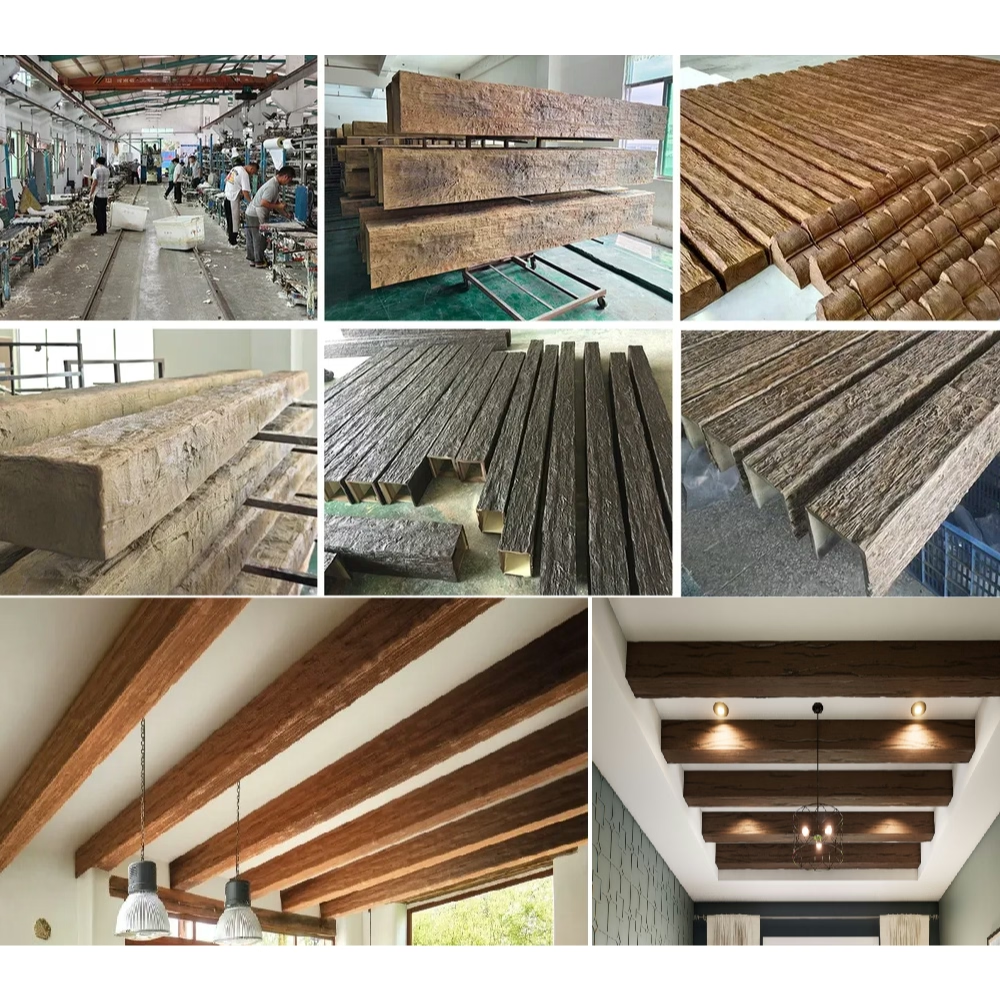
Exterior ceiling beams contribute significantly to outdoor room definition. They create visual boundaries that make large covered spaces feel more intimate and intentional, while their wood-like appearance adds warmth that transforms utilitarian structures into inviting living areas. The fade-proof nature of UV-stabilized PU beams ensures that these design contributions persist indefinitely.
Scale selection for exterior ceiling beams requires careful attention to proportion. Beams that are too small for their spans appear decorative and out of place in rustic or farmhouse-style designs. Adequately sized beams contribute to the structural character that defines authentic exposed beam aesthetics. Quality manufacturers offer multiple size options that allow proper scaling across different applications.
Finish selection should account for the overall color scheme of the outdoor space. Ceiling beams typically appear darker than adjacent ceiling surfaces because of shadow and reflected light. UV-stabilized products maintain their selected color permanently, allowing confident specification of complementary tones throughout the design.

Performance in Challenging Conditions
Exterior ceiling applications face environmental challenges beyond simple UV exposure. Humidity from rain events, morning dew, and nearby water features creates moisture exposure that can degrade some materials. Temperature fluctuations through seasons stress materials via differential expansion. And wind-borne debris, while not a constant threat, can impact beam surfaces with surprising force.
UV-stabilized exterior grade PU faux beams handle these combined stresses effectively. The polyurethane matrix resists moisture absorption and subsequent swelling or delamination. Thermal expansion coefficients fall within ranges that standard installation practices can accommodate. And the inherent toughness of polyurethane provides reasonable impact resistance against wind-blown debris.
These combined capabilities make exterior ceiling beams practical for applications that might seem challenging for synthetic materials.泳池side covered areas, lakeside pavilions, and humid subtropical patio structures all represent appropriate applications for quality UV-stabilized products.
Installation Best Practices
Proper installation of exterior ceiling beams requires attention to moisture management and thermal movement accommodation. Even fade-resistant materials experience some thermal expansion, and appropriate clearances prevent buckling or distortion as temperatures change through daily and seasonal cycles.
Support structure preparation ensures long-term performance of the installed beams. The substrate should be sound, properly waterproofed, and capable of supporting the beam weight without deflection. For wood-frame structures, appropriate flashing prevents moisture migration from the support structure into the beam installation.
Fastening methods should account for the specific characteristics of polyurethane. While the material holds fasteners well, the appropriate hardware and spacing ensures secure attachment that resists wind loads and other forces. Quality manufacturers provide detailed installation guidelines that address these technical requirements.
Maintenance Advantages
The fade-proof nature of UV-stabilized exterior beams eliminates one of the most significant maintenance burdens associated with natural wood ceiling installations. No annual inspection for color loss, no periodic refinishing, no anxious monitoring of sun-exposed surfaces—simply installation and occasional cleaning.
Basic maintenance involves periodic washing to remove accumulated dirt, pollen, and biological growth. This cleaning maintains appearance and prevents the gradual discoloration that can occur when surface contamination builds up over extended periods. Soft washing techniques work well for polyurethane surfaces without risk of damage from aggressive pressure or harsh chemicals.
This minimal maintenance requirement proves particularly valuable for commercial applications where maintenance access may be difficult, expensive, or disruptive to operations. Hotels, restaurants, and public venues benefit significantly from ceiling finishes that maintain their appearance without demanding regular attention.
Cost-Benefit Analysis
Initial cost comparison between UV-stabilized exterior PU beams and natural wood alternatives requires broader perspective than simple material pricing. Natural wood beams require finishing at installation, periodic inspection, periodic refinishing, and eventual replacement—each representing ongoing cost commitments that accumulate significantly over time.
Professional installation labor for natural wood refinishing represents a particularly substantial ongoing expense. Accessing exterior ceiling beams for refinishing work requires scaffolding or lifts in many applications, multiplying the cost of each maintenance intervention. UV-stabilized exterior beams eliminate these recurring expenses entirely.
Quality fade-resistant beams carry price premiums over commodity alternatives, but these premiums reflect genuine engineering investment rather than marketing markup. Products with documented accelerated weathering performance and appropriate warranty coverage represent reasonable investments in long-term appearance.

Making the Fade-Proof Choice
For exterior ceiling applications where long-term appearance matters, UV-stabilized fade-proof exterior grade PU faux wood ceiling beams represent the current best practice. The combination of authentic wood appearance, genuine color retention, and minimal maintenance requirements addresses practical concerns that might otherwise discourage adoption of exposed beam designs.
Design professionals specifying these products can do so with confidence that their aesthetic vision will persist. Homeowners can enjoy beautiful exterior spaces without accepting maintenance obligations. And building professionals can recommend these products knowing they perform as specified across extended service lifetimes.
Technical References
ASTM standards cited in every specification
Test Data
Lab results from internal testing program
Updated 2026
Reviewed against current product specs