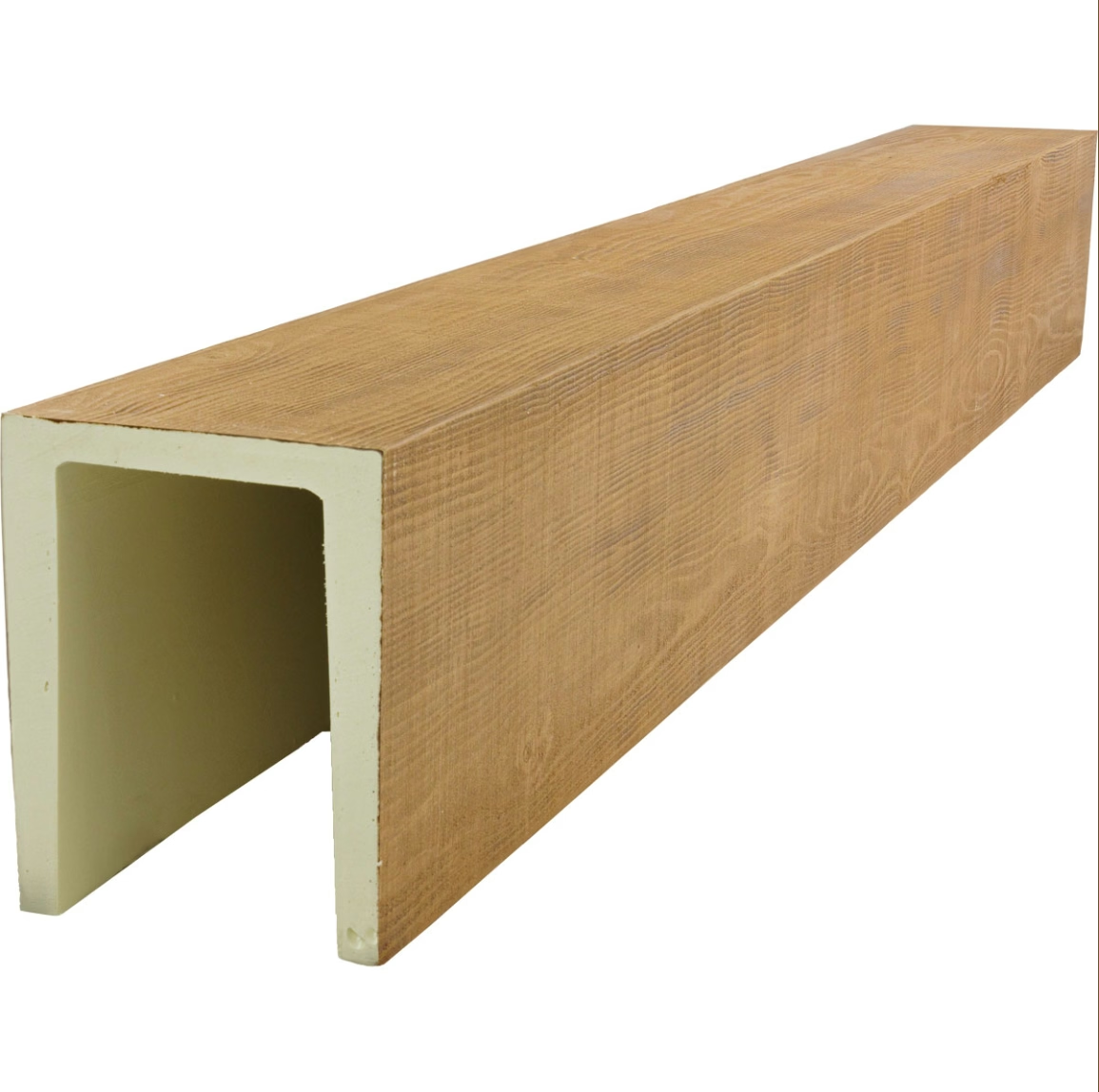
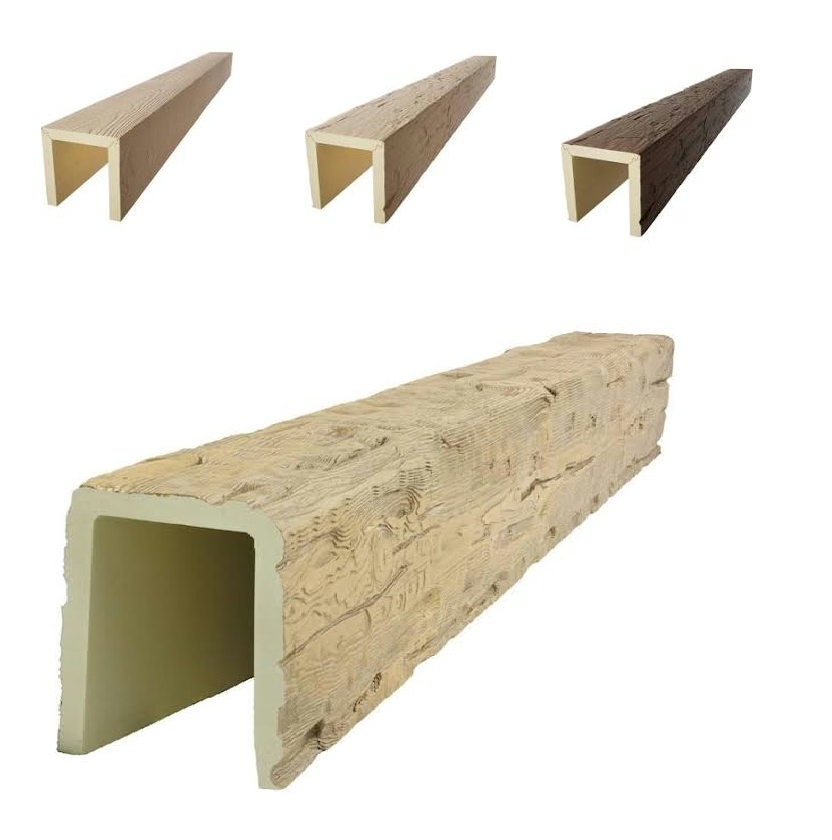
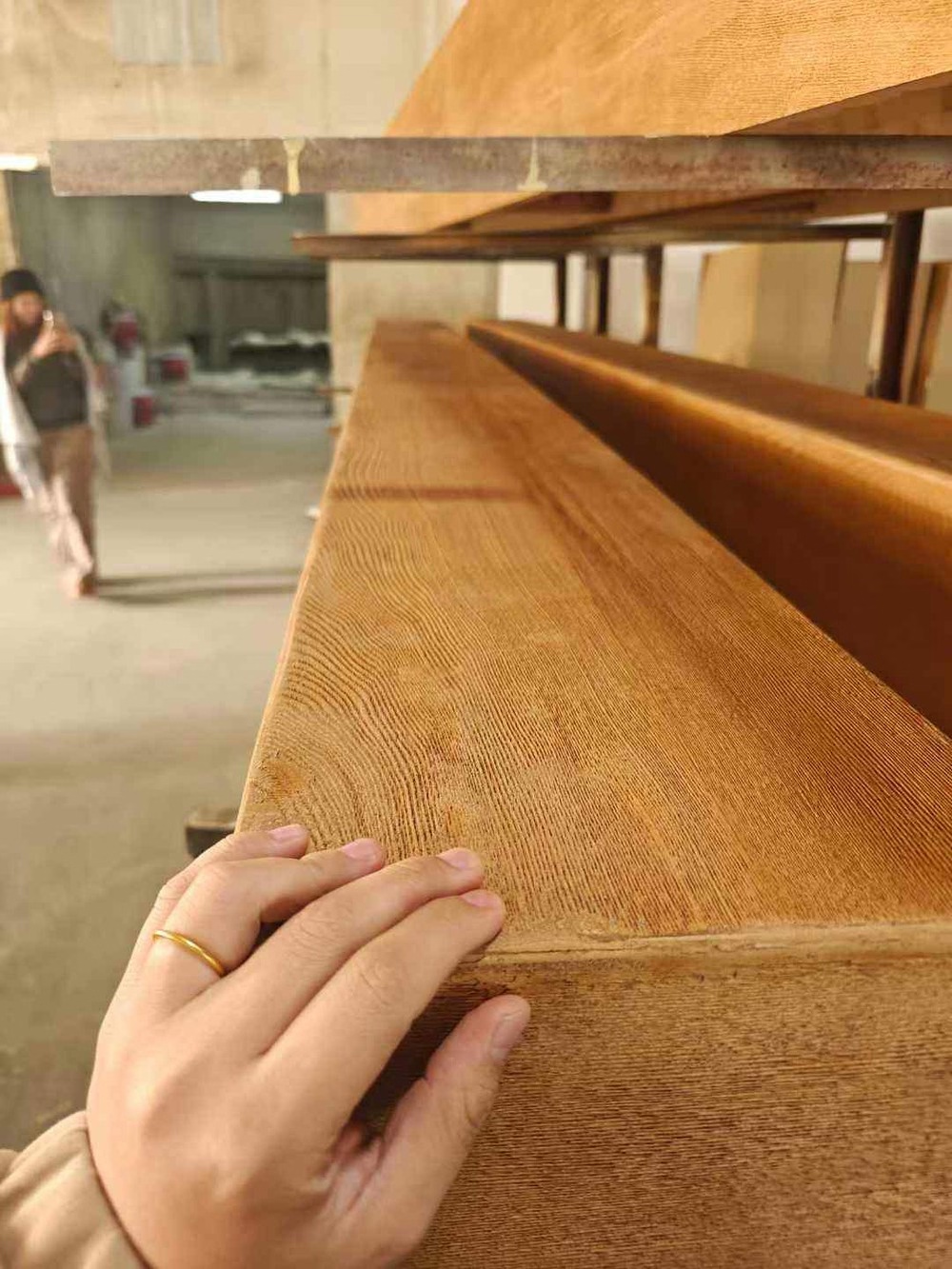
Many assume that indoor materials face no UV degradation concerns. While interior applications certainly experience less intense radiation than exterior installations, the cumulative effect of natural daylight streaming through windows can significantly impact materials over years of exposure. Sunrooms, spaces with large windows, and rooms with skylights all face meaningful UV exposure that can fade natural wood, painted surfaces, and some synthetic materials. UV-stabilized fade-resistant indoor-grade faux timber ceiling beams address this often-overlooked challenge, providing beautiful ceiling detail that maintains its appearance despite substantial light exposure.
Indoor applications also present unique opportunities for exceptionally realistic faux wood products. Without the weathering demands of exterior use, manufacturers can focus attention on texture, color, and grain detail that creates stunning authenticity. The UV stabilization required for indoor use involves lower concentrations than exterior-grade products while still providing meaningful protection against gradual fading.
Light Exposure in Interior Spaces
Natural daylight varies significantly across interior spaces depending on window orientation, glazing characteristics, and architectural features. South and west-facing rooms typically experience the highest UV exposure, with afternoon sunlight through unfiltered windows delivering substantial radiation doses to nearby surfaces. Even north-facing rooms receive meaningful diffuse UV radiation that accumulates over time.
Skylights and clerestory windows concentrate this exposure significantly. Rooms with overhead natural light experience UV radiation approaching exterior levels on horizontal surfaces, creating challenges for any material not specifically formulated for UV resistance. Ceiling beams positioned directly under skylights face particular UV intensity.
Furniture designers have long understood this challenge, building UV-stable materials into pieces positioned near windows. Ceiling beams represent the same consideration at a larger scale, and UV-stabilized indoor-grade products address this concern without requiring the extreme stabilization necessary for exterior applications.
Engineering for Indoor UV Resistance
Indoor-grade UV stabilization differs from exterior formulations in both concentration and mechanism. The reduced UV exposure in most interior environments allows for lighter stabilizer packages that still provide adequate protection. This optimization reduces material costs while maintaining appropriate performance for indoor conditions.
The stabilization mechanisms used—primarily UV absorbers with supporting HALS compounds—work identically to exterior formulations but at lower concentrations. This approach provides meaningful protection against gradual fading without the unnecessary expense of exterior-grade stabilization in applications where that level of protection is not required.
Quality indoor-grade faux timber beams carry specifications indicating their UV resistance level, allowing designers to match product selection to specific application requirements. North-facing rooms with minimal direct sun exposure may not require significant UV stabilization, while sunroom applications benefit from products approaching exterior-grade protection levels.
Design Applications in Sun-Filled Spaces
Sunrooms represent the most demanding indoor application for UV-sensitive materials. These spaces are designed to maximize natural light, creating beautiful environments that can degrade rapidly without appropriate material selection. UV-stabilized fade-resistant indoor beams maintain their appearance despite this intentional light maximization.
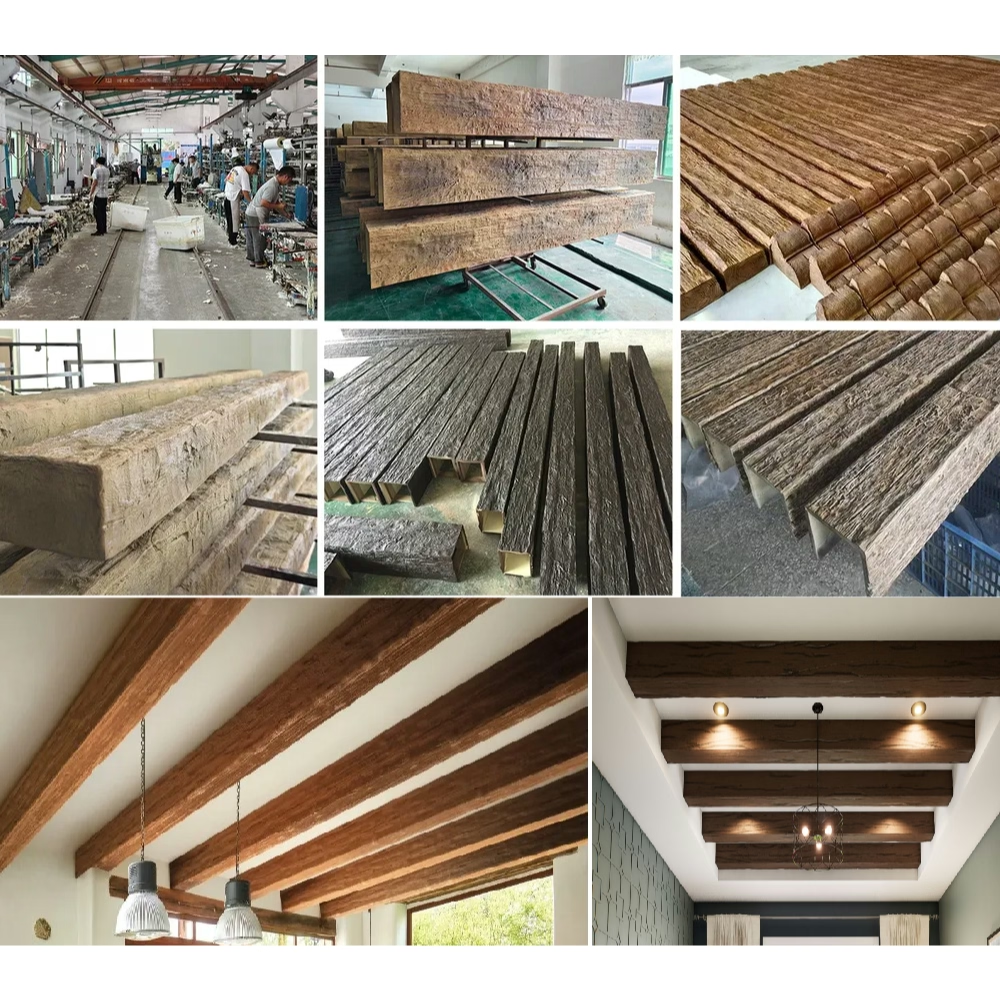
Living rooms with large picture windows, great rooms with cathedral ceilings and skylights, and dining spaces with floor-to-ceiling glass all face meaningful UV exposure that challenges conventional materials. Faux timber ceiling beams in these spaces contribute warmth and architectural interest while UV stabilization preserves that contribution indefinitely.
Hallways and transitional spaces with borrowed light from clerestory windows or interior transoms also benefit from UV-stabilized products. While these spaces may not be bathed in direct sunlight, the accumulated exposure over years can still cause noticeable fading in materials not formulated for UV resistance.

Aesthetic Qualities of Indoor Faux Timber
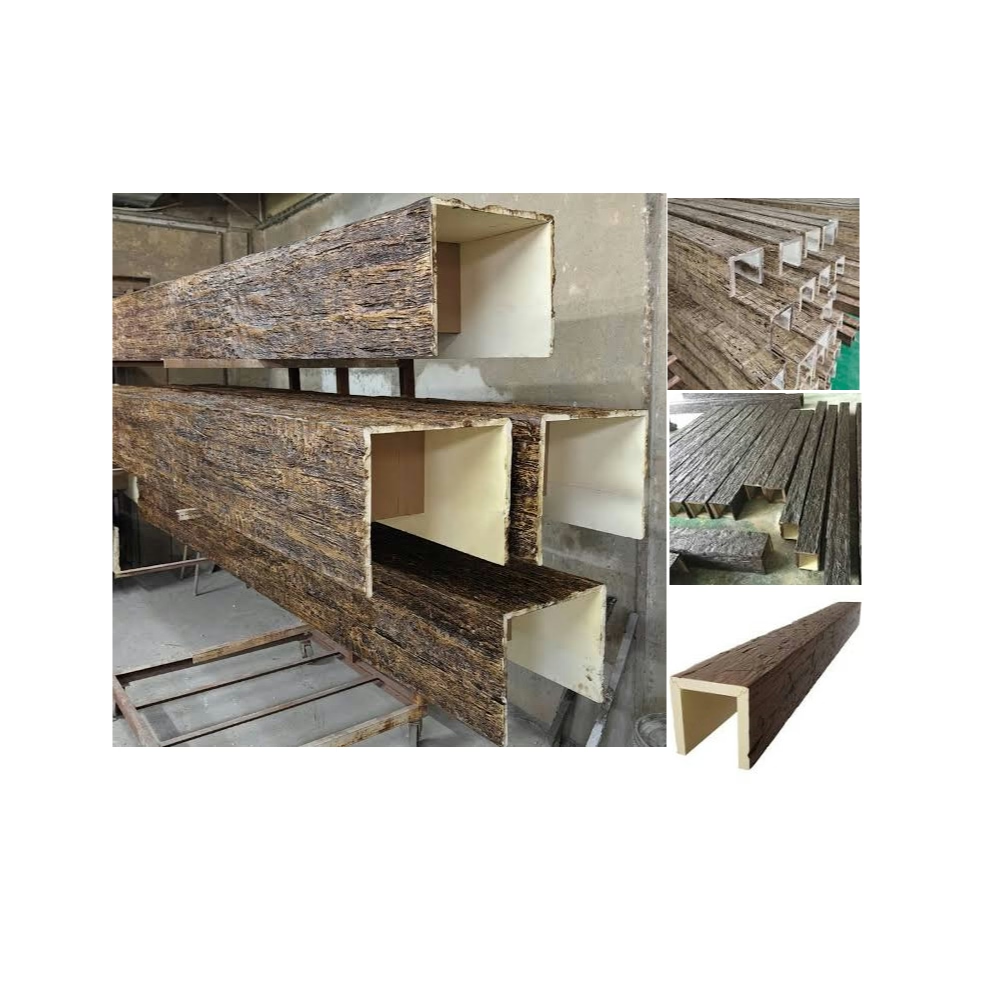
Without exterior durability demands, indoor faux timber beams can emphasize aesthetic qualities over performance requirements. The highest-end indoor products feature textures, color variations, and grain patterns that create remarkable authenticity. Some manufacturers produce beams with visible growth rings, natural color gradients, and surface textures that closely mimic real wood species.
Species selection for indoor beams spans a broader range than would be practical for exterior applications. Rich, dark hardwoods that lack natural durability for outdoor use can be beautifully replicated in indoor faux products. Oak, walnut, cherry, and exotic species become viable design options without concern for their exterior performance limitations.
Finish options similarly expand for indoor applications. High-gloss lacquers, matte oils, and everything in between can be authentically simulated in polyurethane faux products. This finish flexibility allows designers to specify precisely the appearance their design vision requires.
Integration with Interior Design Styles
UV-stabilized indoor timber beams integrate with diverse interior design aesthetics. Farmhouse and rustic interiors embrace exposed timber as part of their essential character, with ceiling beams contributing significantly to the warmth and authenticity these spaces pursue. Contemporary and modern interiors may use timber beams as contrasting elements that add organic warmth to otherwise sleek environments.
Transitional designs benefit from the flexibility that faux timber provides. The ability to specify exact sizes, profiles, and finishes allows designers to achieve proportions that support their specific design vision rather than accepting whatever natural timber availability provides. This specification flexibility proves particularly valuable in custom projects where proportions are carefully calculated.
Commercial interiors including restaurants, hospitality spaces, and retail environments benefit from both the aesthetic and practical advantages of UV-stabilized faux timber. High-visibility applications require materials that maintain appearance despite constant exposure, while the authentic wood appearance supports brand aesthetics and customer experience goals.
Installation Advantages
Indoor installation of faux timber beams offers several practical advantages over natural wood alternatives. The consistent quality of manufactured products means no time spent sorting through natural wood for acceptable pieces. No concerns about hidden defects, inconsistent grain, or color variation across the installation.
The lightweight nature of polyurethane simplifies handling and installation, particularly for ceiling applications where workers must hold materials overhead during fastening. Reduced weight also means reduced structural requirements for supporting systems, potentially simplifying construction in some applications.
Precision manufacturing ensures consistent dimensions throughout the installation. Joints fit properly, transitions are clean, and the overall installation achieves the professional appearance that manufactured products should deliver. This consistency simplifies installation and reduces callbacks for touch-up work.
Maintenance for Indoor Environments
Indoor beam maintenance involves primarily dust removal and occasional cleaning. UV-stabilized products resist the gradual yellowing that can affect some synthetic materials in sunlit interior applications, maintaining their intended color and appearance over extended periods.
Cleaning methods for indoor faux timber beams follow simple protocols: dusting with soft cloths or brushes, occasional cleaning with mild detergents, and avoidance of abrasive materials that might damage surface textures. The same care that protects fine furniture applies to quality faux timber installations.
The fade-resistant nature of UV-stabilized products means that indoor beams maintain their as-installed appearance indefinitely without refinishing or touch-up work. This permanence supports long-term design vision and eliminates the maintenance cycling that natural wood requires.
Investment Considerations
UV-stabilized indoor-grade faux timber beams represent investments in long-term appearance. While natural wood alternatives may carry lower initial costs, the potential for fading in high-light applications creates risk that UV-stabilized products eliminate. For spaces where appearance matters significantly, this risk elimination justifies the investment.
Professional designers increasingly specify UV-stabilized products as standard practice for sunlit interior applications. The modest cost premium over non-stabilized alternatives provides meaningful protection against gradual degradation that would otherwise compromise the design over time.
For commercial applications in particular, the maintenance advantages and appearance consistency of UV-stabilized faux timber support brand standards and customer experience goals. Spaces that maintain their intended appearance continue to support business objectives throughout their service life.

Selecting Indoor UV-Stabilized Products
Product selection for indoor applications should consider actual light exposure levels. Rooms with minimal direct sunlight may not require significant UV stabilization, while sunrooms and spaces with large west-facing windows benefit substantially from higher protection levels.
Reputable manufacturers provide guidance on appropriate product selection for specific applications. Technical specifications including accelerated weathering results, color retention data, and recommended applications help buyers match products to their requirements.
Warranty coverage provides additional assurance of product quality. Products backed by meaningful warranties demonstrate manufacturer confidence in their UV stabilization technology and overall formulation quality.
Technical References
ASTM standards cited in every specification
Test Data
Lab results from internal testing program
Updated 2026
Reviewed against current product specs