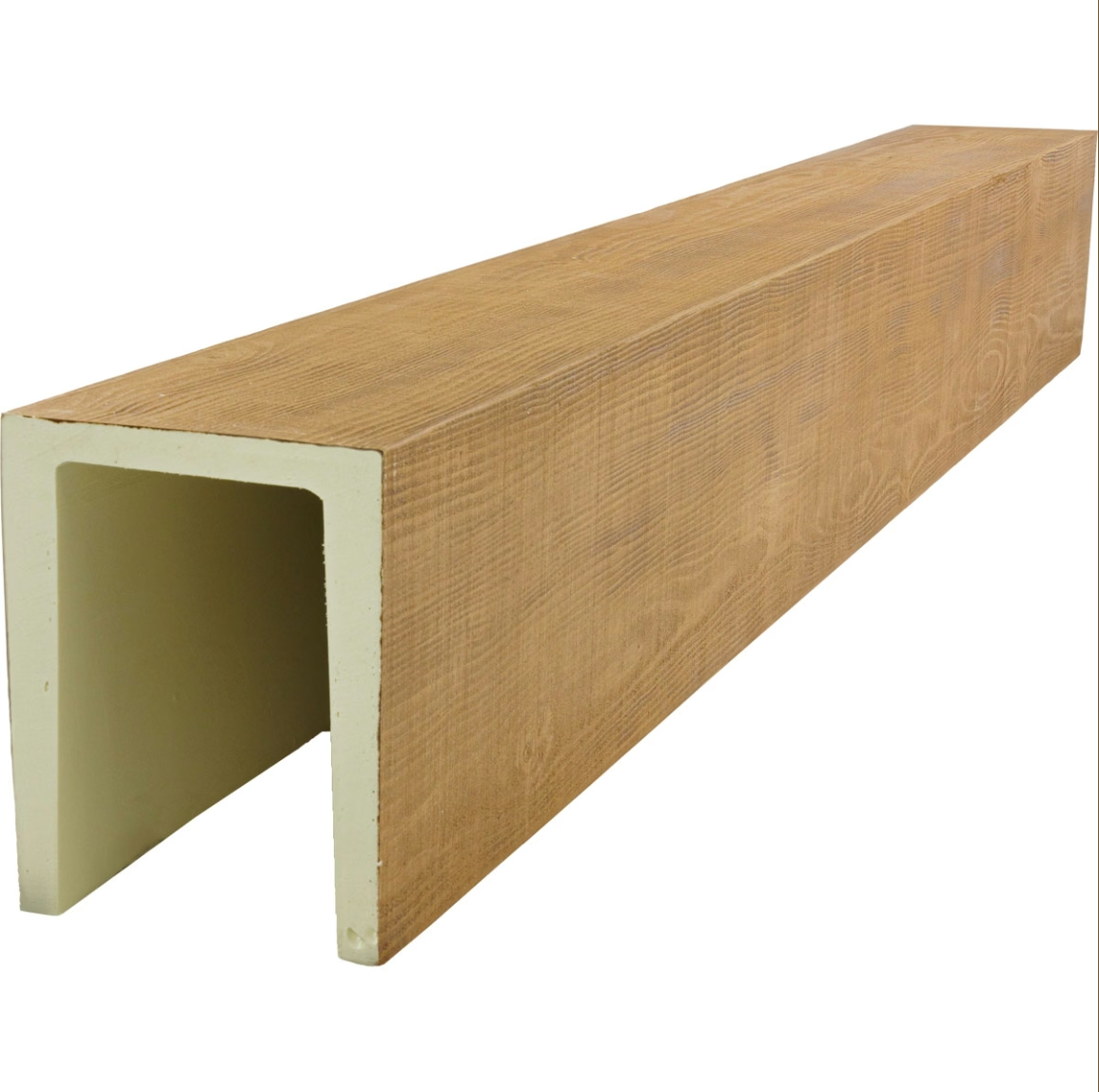
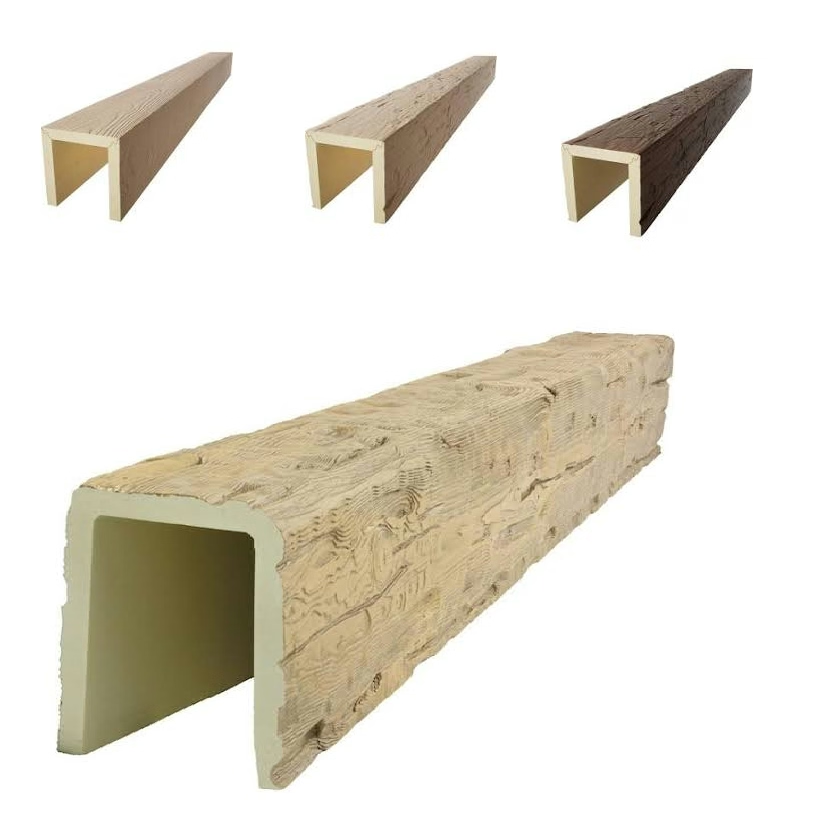
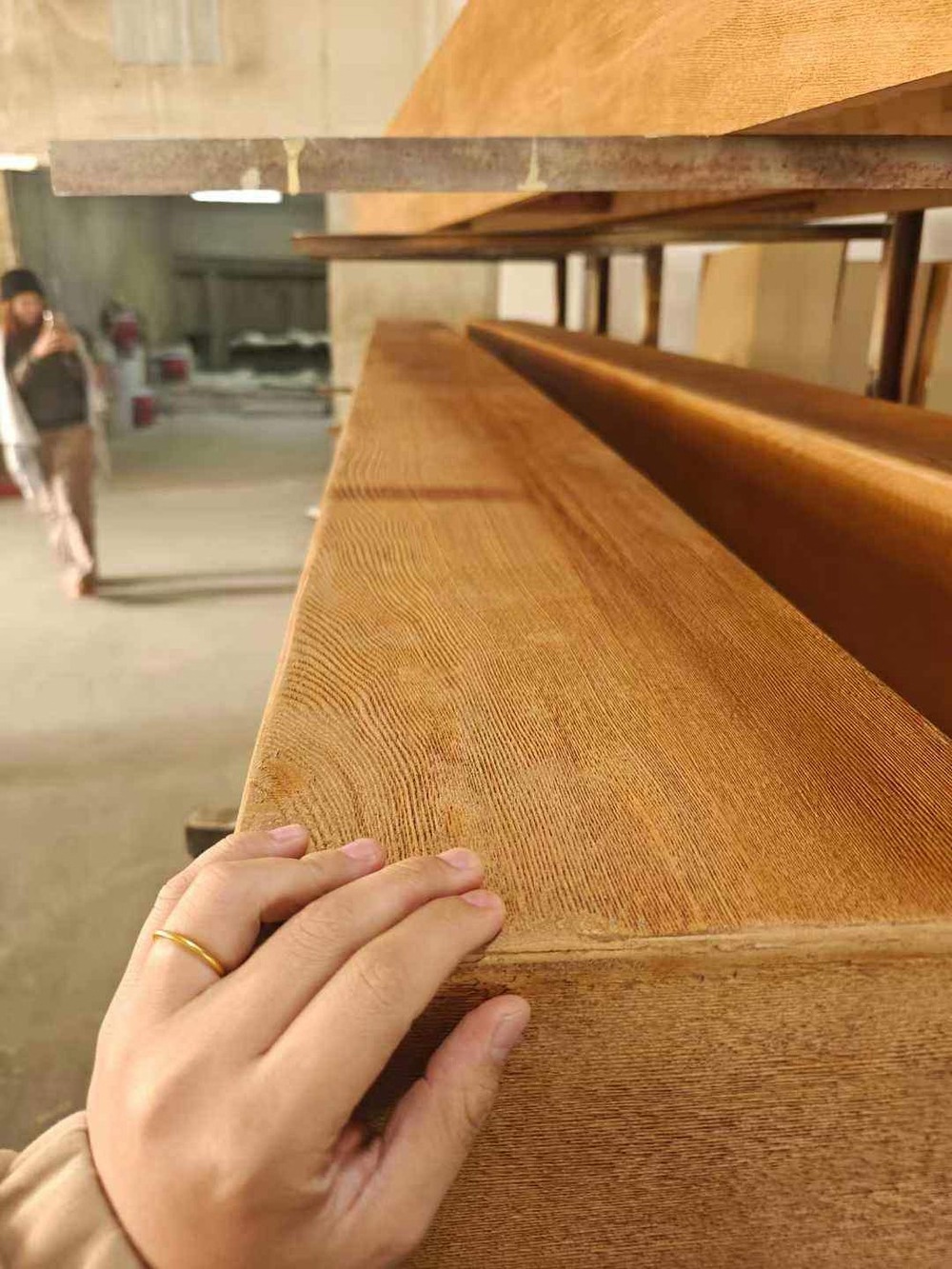
Indoor applications might seem protected from the UV degradation that affects exterior materials, but significant natural light creates real challenges for interior finishes. Windows transmit substantial UV radiation, particularly in spaces designed to maximize daylight. Over years of exposure, materials that lacked UV-stable formulation gradually fade, yellow, or degrade in ways that compromise their original appearance. UV-stable faux beams address this interior challenge directly, providing permanent color retention that maintains design intent despite meaningful UV exposure.
The level of UV stabilization required for interior applications falls below exterior requirements, since interior UV levels are typically lower than outdoor exposure. This reduced stabilization requirement allows manufacturers to optimize for other properties while still providing meaningful protection against the gradual degradation that would otherwise affect materials over extended periods.
Interior UV Exposure Reality
Natural daylight through windows creates UV exposure levels that might surprise those assuming interior spaces are adequately protected. Standard window glass blocks some UV-B radiation but allows significant UV-A transmission, andUV radiation levels in sunlit interior spaces can reach meaningful levels during peak sunlight hours.
South and west-facing rooms experience the highest interior UV exposure, with afternoon sunlight through standard glazing delivering doses that accumulate significantly over years. Skylights and clerestory windows increase exposure further, with overhead light creating particularly intense exposure on horizontal surfaces like ceiling beams.
UV exposure in interior spaces is cumulative and irreversible. Each hour of exposure contributes to photochemical degradation that cannot be undone. Materials that appear unchanged after one year may show noticeable degradation after five years and significant deterioration after ten or more years of continuous exposure.
UV Stabilization for Interior Conditions
Interior-grade UV stabilization differs from exterior formulations in intensity rather than mechanism. The same UV absorber and HALS compound technologies provide protection, but at concentrations optimized for the lower exposure levels interior applications experience.
This optimization allows manufacturers to balance UV stability against other desirable properties. Surface hardness, impact resistance, and texture detail can receive more attention when UV stabilization requirements are reduced. The result is products optimized for interior use rather than simply less-protected exterior products.
Quality interior UV-stable beams demonstrate meaningful color retention in accelerated testing, though the test duration required to demonstrate interior-level protection is shorter than for exterior applications. Products intended for interior use should still show tested performance rather than simply claiming UV resistance without supporting evidence.
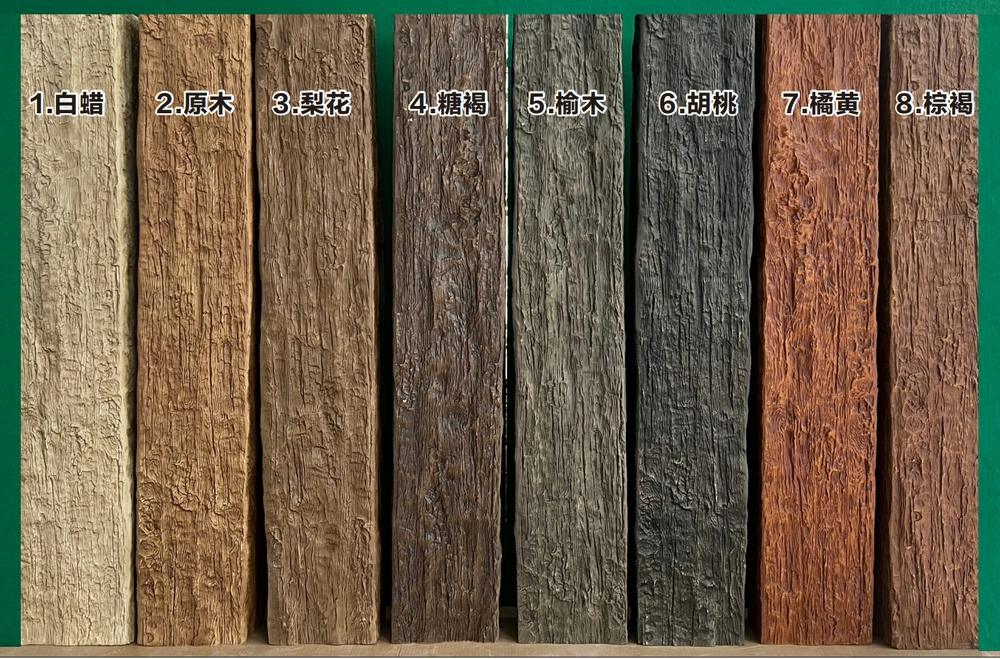
Spaces Most Affected
Sunrooms represent the most demanding interior application for UV-sensitive materials. These spaces are specifically designed to maximize natural light, creating environments with UV exposure approaching exterior levels. Beams in sunrooms benefit substantially from UV-stable formulations, maintaining their appearance despite the intense light these spaces provide.
Living rooms and great rooms with large windows, vaulted ceilings, and skylights experience significant interior UV exposure. The high visibility of these spaces makes appearance degradation particularly noticeable, increasing the value of UV-stable products that maintain their original look.
Dining rooms, kitchens, and other spaces with significant windows also benefit from UV-stable products. While these rooms may not experience the extreme exposure of sunrooms, the accumulated exposure over years creates meaningful degradation risk for unprotected materials.
Design Considerations
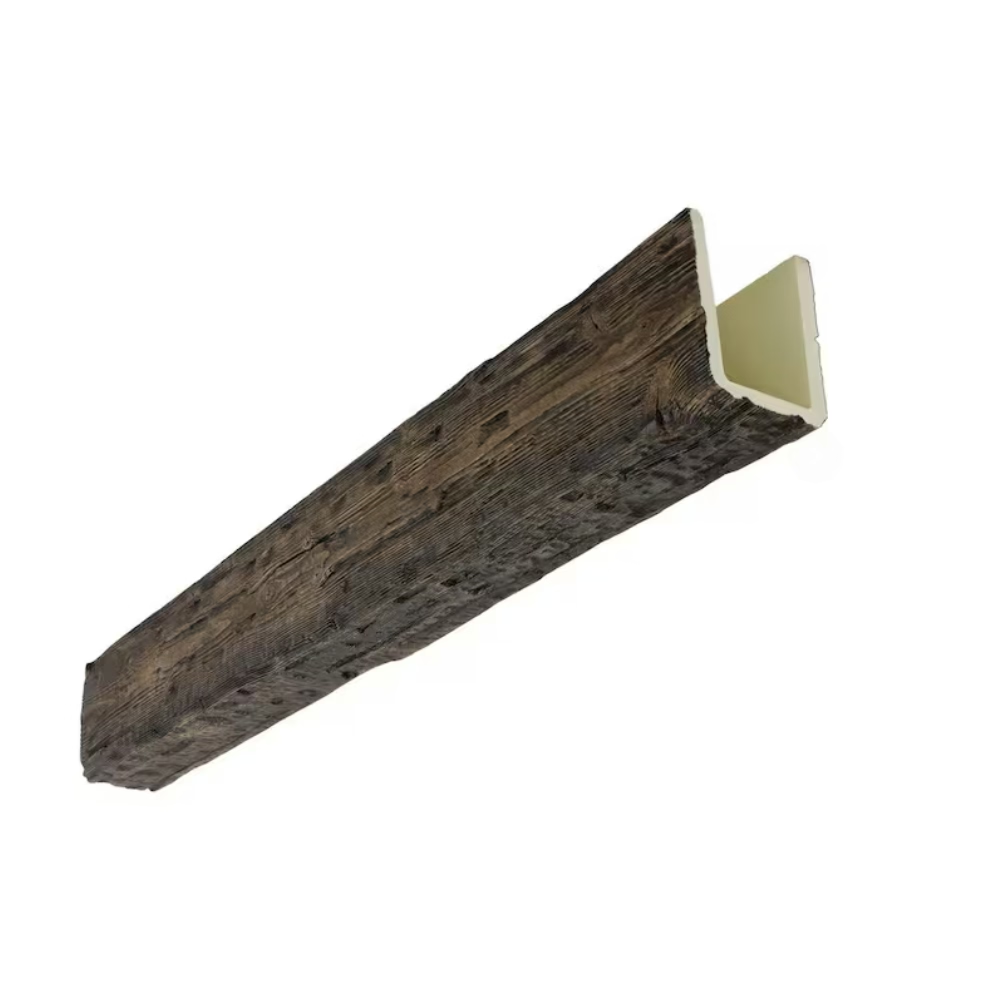
Interior faux beams can achieve exceptional aesthetic quality since they don't need to balance appearance against exterior durability requirements. The freedom from weathering demands allows manufacturers to focus on texture, color, and grain detail that creates remarkable authenticity.
Species options expand for interior applications where only aesthetic qualities matter. Rich hardwoods and exotic species that lack natural durability for exterior use can be beautifully replicated in interior faux products. This species flexibility supports diverse design approaches from rustic farmhouse to contemporary minimalist.
Finish options similarly benefit from interior optimization. High-gloss lacquers, matte oils, and specialty finishes can be authentically replicated without concern for their weather resistance. The finish selected to support the design vision remains consistent indefinitely with UV-stable formulation.
Color Selection Benefits
The permanent color retention of UV-stable products allows confident specification of specific tones. Designers can select precisely the color their vision requires, trusting that UV-stable formulation will maintain that selection without gradual shift or unexpected change.
Color matching across large installations remains consistent with manufactured UV-stable products. Natural wood varies piece to piece, but manufactured faux beams maintain consistent color throughout an entire project. This consistency supports design execution in ways that variable natural materials cannot achieve.
The permanence of UV-stable color simplifies future replacement. If a beam is damaged and requires replacement, the new beam will match the existing beams exactly since all maintain consistent color permanently. Natural wood aging creates replacement mismatches that manufactured products avoid.
Maintenance Advantages
Interior UV-stable beams require minimal maintenance beyond occasional dusting and cleaning. The UV stability ensures that surface appearance persists without the gradual degradation that affects unprotected materials.
Cleaning protocols follow simple approaches: dusting with soft materials, occasional cleaning with mild detergents, and avoidance of abrasive cleaners that might damage surface textures. The care required parallels that for fine furniture, protecting rather than restoring appearance.
The permanent color eliminates any need for touch-up, refinishing, or color correction. Minor surface damage that would require refinishing on natural wood is far less noticeable on UV-stable products where color extends throughout the material thickness.
Cost Considerations
UV-stable interior beams may carry modest premiums over non-stabilized alternatives, but this premium provides meaningful protection against gradual appearance degradation. For high-visibility interior spaces, this protection justifies the additional investment.
Natural wood alternatives also require maintenance investment that UV-stable faux beams eliminate. The cost of periodic refinishing, touch-up work, and eventual replacement accumulates significantly over the lifetime of a natural wood installation.
Professional designers increasingly specify UV-stable products for interior applications as standard practice. The modest premium for meaningful UV protection represents sound investment in long-term appearance.
Selection Guidance
Product selection should consider specific interior UV exposure levels. Sunrooms and spaces with extensive glazing benefit most from robust UV stabilization, while spaces with minimal direct sunlight may require less intensive protection.
Technical documentation supporting UV stability claims provides evidence of genuine performance. Products with tested performance demonstrated through accelerated weathering represent better investments than those making claims without supporting evidence.
Manufacturer guidance helps match products to specific applications. Reputable manufacturers provide recommendations based on exposure conditions, helping buyers select appropriately specified products.

Long-Term Value
UV-stable faux beams for interior applications provide permanent value that unprotected materials cannot match. The authentic wood appearance they provide maintains its original character indefinitely, preserving design investment across the life of the installation.
For homeowners and design professionals seeking long-term appearance in interior spaces with meaningful natural light, UV-stable products represent the clear choice. The permanent color retention these products provide eliminates the anxiety and maintenance burden associated with UV degradation.
Technical References
ASTM standards cited in every specification
Test Data
Lab results from internal testing program
Updated 2026
Reviewed against current product specs