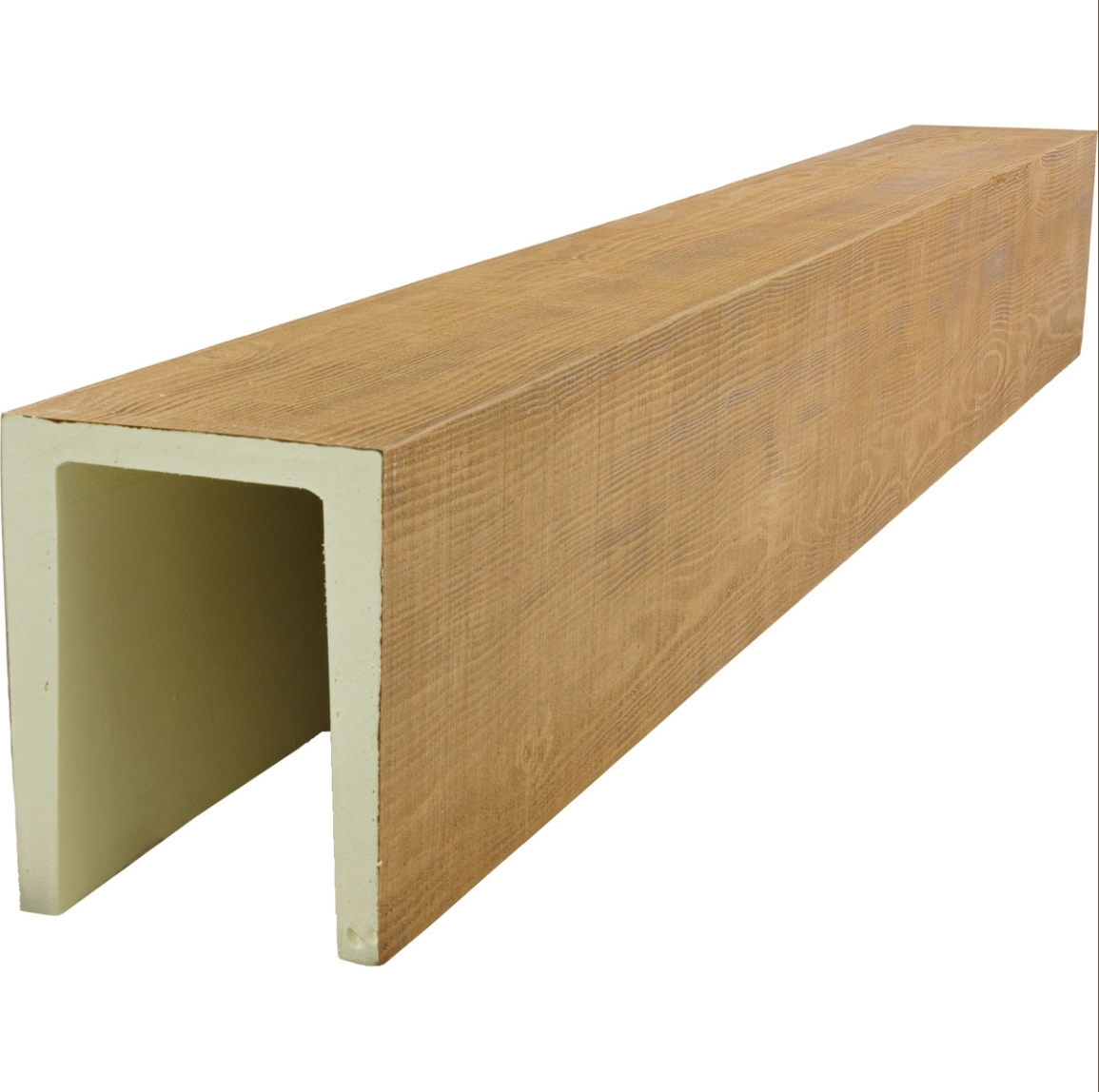
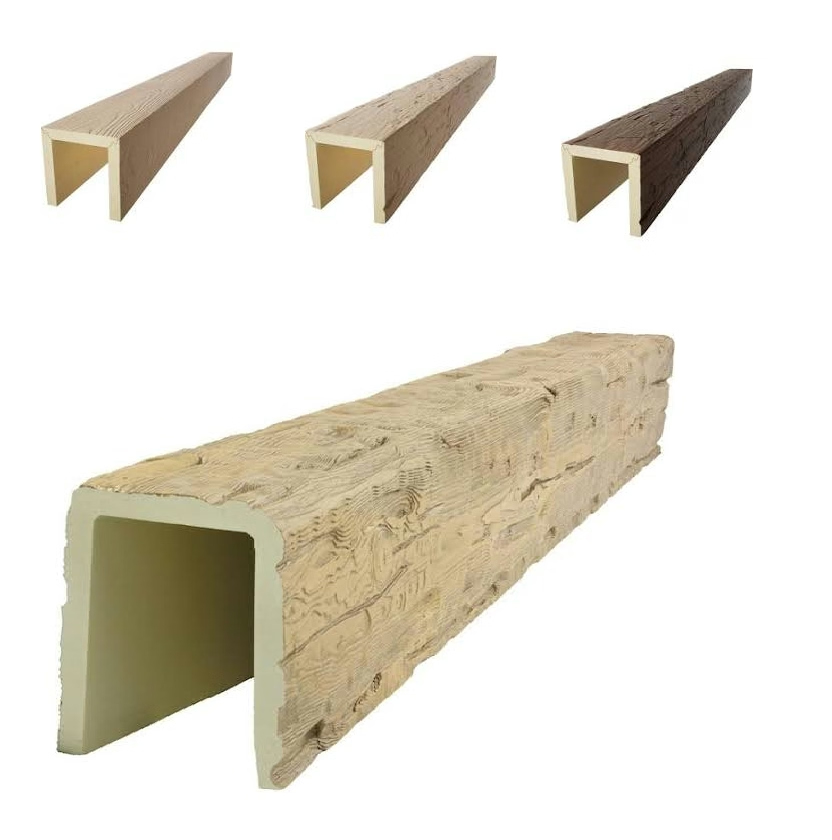
Rooms flooded with natural light create inviting spaces that connect interior environments with the outdoor world. Large windows, skylights, and glass doors transform living areas but expose interior finishes to ultraviolet radiation that degrades many materials over time. Polyurethane faux beams with UV stabilization technology maintain their appearance indefinitely even in the brightest spaces, providing enduring beauty without the maintenance demands of natural wood.

Sunlight contains ultraviolet radiation that initiates chemical reactions in many materials, causing color shifts, surface degradation, and structural changes over extended exposure periods. Natural wood contains lignin that breaks down when exposed to UV, causing the silvering and weathering that marks aged exterior timber. Without protection, synthetic materials face similar degradation that compromises appearance and performance.
Understanding UV Degradation Mechanisms
Photochemical degradation begins when UV radiation energy exceeds the molecular bond strengths in material surfaces. These energy levels trigger chemical reactions that alter molecular structure, creating color centers that absorb visible light differently and changing surface properties like gloss and texture. The rate of degradation depends on radiation intensity, exposure duration, and material susceptibility.
Surface finishes provide the first line of defense against UV degradation. Pigments that absorb or reflect UV radiation prevent radiation from reaching underlying material layers. Quality faux beams use pigments specifically selected for UV stability, ensuring that surface colors remain true even after years of bright light exposure. Clear coatings with UV absorbers add additional protection without altering appearance.
Bulk material UV stabilization involves incorporating UV absorbers throughout the polyurethane formulation rather than relying solely on surface treatments. These additives absorb UV radiation and dissipate the energy as heat before it can damage material structure. Hindered amine light stabilizers (HALS) provide complementary protection by scavenging free radicals that form during UV-initiated reactions.
Testing and Performance Standards
Accelerated weathering testing simulates years of UV exposure in compressed timeframes. Xenon arc and UV fluorescent testers expose material samples to cyclic radiation and humidity that replicate natural aging mechanisms. Performance after thousands of test hours indicates how products will perform in actual installations over decades.
Color retention measurements using spectrophotometry quantify color changes that might be imperceptible to casual observation. Delta E values below 3 generally represent color changes too subtle for most observers to notice. Quality UV-stabilized products maintain delta E values below 5 even after extensive accelerated testing, indicating excellent long-term color stability.
Surface gloss retention provides another indicator of UV performance. Polished or semi-gloss finishes that degrade may become chalky or matte over time, altering the intended appearance. Maintaining gloss within acceptable ranges throughout accelerated testing demonstrates that surface aesthetics remain protected alongside color stability.
Bright Space Applications
South-facing rooms with large windows experience the most intense indoor UV exposure in northern hemisphere locations. These spaces benefit most from explicit UV stabilization in beam specifications. Living rooms, sunrooms, and master bedrooms with significant glazing should receive beams formulated for maximum UV protection.
Skylight installations create concentrated UV exposure zones directly beneath roof openings. Without UV-stabilized materials, beams positioned near skylights degrade faster than those in more protected locations. Integrating beam selection with skylight placement ensures consistent appearance throughout sun-drenched spaces.
Vaulted and cathedral ceilings often feature prominent beam placement in areas receiving direct sunlight through high windows or skylights. These architectural features deserve beam products that will maintain their appearance through years of sun exposure without developing the uneven weathering that lesser materials would exhibit.

Making Specification Decisions
Product data sheets indicate whether beams include UV stabilization and what performance levels the manufacturer guarantees. Premium products designed for challenging applications like bright atriums or sunrooms should specify UV stabilization prominently. Products without explicit UV claims may rely on surface finishes that could degrade over time in bright installations.
Finish selection affects UV resistance even among stabilized products. Darker finishes absorb more radiation than lighter alternatives, potentially accelerating degradation in some cases. Selecting inherently UV-stable pigments and finishes ensures consistent performance regardless of color choice. Dark walnut and ebony finishes require equally careful formulation to achieve the stability of lighter oak and natural tones.
Warranty terms indicate manufacturer confidence in product performance. Extended warranties covering color stability in bright installations demonstrate that manufacturers stand behind their UV stabilization claims. Absence of warranty coverage for UV-related degradation suggests that products may not perform adequately in challenging applications.
Protecting Beam Appearance Long-Term
While UV-stabilized beams resist degradation effectively, complementary practices further extend beautiful appearance. Window treatments that filter or block intense midday radiation reduce overall exposure levels throughout the space. UV-filtering window films applied to glazing provide additional protection for sensitive materials throughout the room.
Cleaning practices affect long-term UV resistance subtly. Abrasive cleaners can damage surface coatings that provide UV protection, accelerating degradation even in stabilized products. Gentle cleaning with soft cloths and mild detergents preserves surface integrity that maintains UV resistance throughout the product lifespan.
Monitoring beam appearance over time helps identify any issues before they become severe. Annual inspection comparing beam surfaces to original appearance or documented photography reveals subtle changes that might indicate emerging problems. Early intervention with touch-up finishing or improved UV protection prevents progression to visible degradation.
UV and sunlight resistant polyurethane faux beams enable beautiful installations in the brightest spaces without compromising on aesthetics or requiring ongoing maintenance. The technology that makes this performance possible represents significant formulation and manufacturing expertise, distinguishing premium products from alternatives that might fail prematurely in challenging applications.
Technical References
ASTM standards cited in every specification
Test Data
Lab results from internal testing program
Updated 2026
Reviewed against current product specs