
The vocabulary of interior design frequently involves categories that seem to separate products into distinct applications—residential versus commercial, interior versus covered exterior, structural versus decorative. Faux wood PU beams transcend these categories through versatile performance that adapts to circumstances rather than requiring circumstances to adapt to them.
Understanding the breadth of applications these products serve helps property owners, designers, and contractors recognize opportunities that might otherwise be overlooked. The beam that belongs in your restaurant dining room might serve equally well in your client's mountain retreat, and the installation approach that works in new construction might translate directly to renovation contexts.
Residential Application Scenarios
Living spaces throughout homes accommodate beam installations that enhance character and warmth. The versatility of PU beams addresses the specific requirements each space presents, from casual family rooms to formal living areas.
Great rooms with vaulted ceilings represent classic beam installation opportunities where substantial beams create dramatic focal impact. The open volume of these spaces benefits from visual weight that the beams provide, preventing ceilings from feeling empty or disconnected from furnished areas below. Multiple beam configurations—parallel runs, perpendicular grids, or asymmetrical compositions—create different spatial effects within the same structural envelope.
Bedroom ceilings benefit from beam installation that transforms utilitarian spaces into retreats. Master bedrooms with adequate ceiling height accommodate beams that create intimate, cocoon-like atmospheres conducive to rest. Guest bedrooms with lower ceilings work better with scaled-down treatments that add interest without overwhelming smaller dimensions.
Kitchen applications have grown significantly as open floor plans have connected cooking spaces to adjacent living areas. Beams above kitchen islands define work zones while adding warmth that balances the mechanical nature of appliances and cabinetry. The practical durability of polyurethane handles the humidity variations that cooking activity creates.
Basement spaces—historically the most challenging for aesthetic improvement—respond remarkably to beam installation. The warmth that beams introduce counteracts the below-grade associations that make basements feel less desirable. Combined with appropriate lighting and moisture management, basement beam installations create genuine living spaces from what might otherwise remain storage areas.
Commercial Application Scenarios
Commercial environments present distinct requirements that PU beams address through durability, maintenance simplicity, and aesthetic consistency. The scenarios encountered in commercial work span industries and application types that share common needs.
Hospitality venues—hotels, restaurants, bars, and entertainment spaces—require beams that maintain appearance despite intensive use. Guest traffic, furniture repositioning, cleaning protocols, and environmental variation all stress ceiling installations in ways that residential applications rarely encounter. Polyurethane's resistance to impact, moisture, and cleaning chemicals ensures continued appearance quality throughout extended service.
Retail environments use beams to establish brand identity and customer experience. The appearance authenticity directly affects whether beam installations achieve their marketing objectives. When customers photograph spaces for social media, beam quality determines whether images convey the intended impression. Premium polyurethane produces convincing results that support brand positioning.
Healthcare and educational facilities require materials meeting specific standards for hygiene, fire safety, and accessibility. PU beams can be formulated to satisfy these requirements while providing the warmth that makes these institutional spaces more comfortable for occupants. The maintenance simplicity that polyurethane provides proves particularly valuable in settings where cleaning frequency and effectiveness directly affect occupant health.
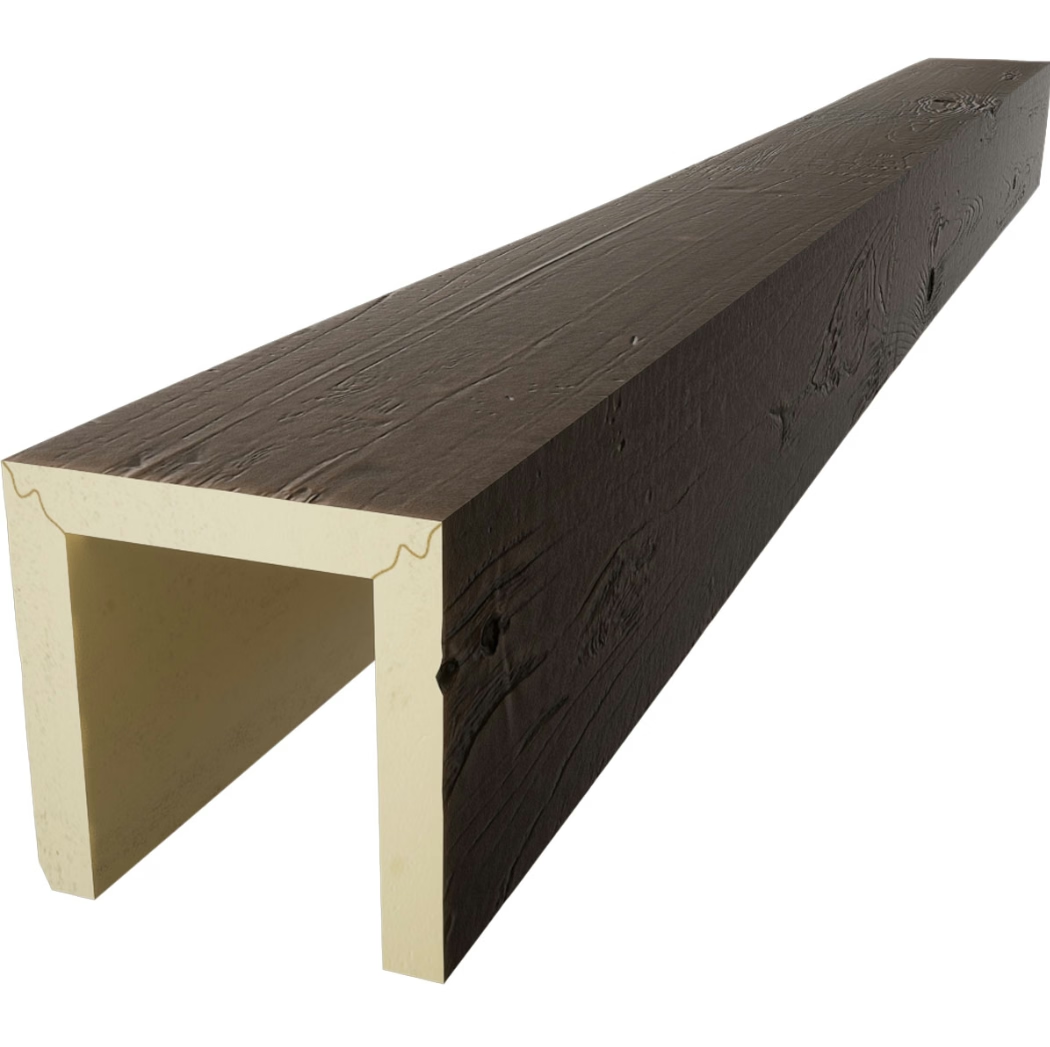
Specialty Application Scenarios
Beyond standard interior applications, PU beams serve specialty scenarios that require specific performance characteristics. These applications demonstrate the material's versatility while addressing requirements that might otherwise limit beam specification.
Covered exterior installations—patios, covered porches, and similar spaces—benefit from polyurethane's moisture resistance. Real wood in these locations faces constant exposure to humidity variation that eventually compromises appearance and structure. Polyurethane maintains consistent dimensions and appearance regardless of atmospheric conditions, though extended direct sun exposure should be addressed through appropriate finish selection or UV-protected formulations.
Pool and spa environments present extreme humidity challenges that eliminate real wood from consideration entirely. The constant moisture exposure would cause timber to deteriorate within years regardless of treatment. Polyurethane handles these conditions without degradation, enabling aesthetic treatments that would otherwise be impossible.
Historic restoration projects benefit from materials that provide authentic appearance while avoiding the complications that genuine period materials would introduce. Reclaimed timber beams often arrive with insect damage, inconsistent dimensions, and unknown provenance that complicates specification. Polyurethane reproduces period aesthetics while providing consistent quality and predictable performance.
Climate and Environmental Adaptability
The performance versatility of PU beams manifests clearly across climate variations that challenge building materials. Temperature extremes, humidity fluctuations, and altitude effects that stress real wood present no concerns for properly formulated polyurethane.
Northern climates with harsh winters and significant heating demand produce interior humidity variations that cause wood movement and associated problems. Polyurethane maintains consistent dimensions regardless of interior conditions, eliminating the gaps, cracks, and binding that affect real timber in these environments.
Coastal environments with salt air exposure rapidly degrade many materials through corrosion and weathering. Polyurethane resists salt air effects that would damage metal fasteners and compromise real wood. The material's stability in these demanding conditions enables aesthetic treatments that would otherwise require ongoing maintenance or eventual replacement.
High-altitude locations with reduced atmospheric pressure and intense UV exposure present challenges that our UV-resistant formulations address. The same material science that protects automotive components and outdoor furniture extends to beam applications in these challenging locations.

Selecting Beams for Specific Scarios
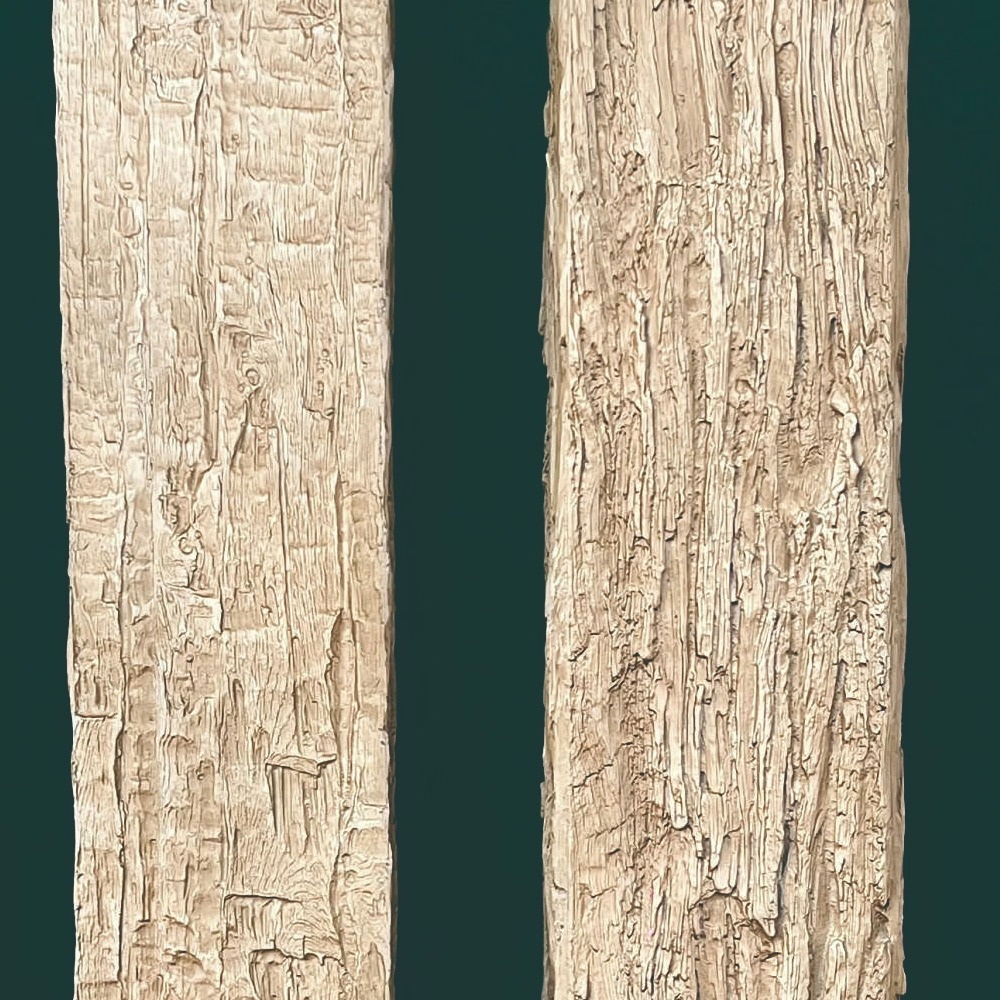
While PU beams serve virtually any scenario, appropriate product selection within our range ensures optimal results. Different formulations, finishes, and attachment systems address different requirements, and understanding these variations helps specify appropriate products.
Our technical specification team assists with product selection for challenging scenarios. Discussing specific conditions—environmental exposure, structural requirements, maintenance capabilities, and aesthetic goals—allows recommendations that address your particular situation.
Sample evaluation proves particularly valuable for scenarios where appearance under specific lighting or in particular environmental conditions affects satisfaction. Requesting samples for installation in actual conditions allows confident specification based on real-world assessment.
Contact our specification team to discuss your specific scenario requirements. Whatever application context you're addressing, our expertise and product range support solutions that achieve your objectives.
Technical References
ASTM standards cited in every specification
Test Data
Lab results from internal testing program
Updated 2026
Reviewed against current product specs


